Artwork
H Beard Print Collection
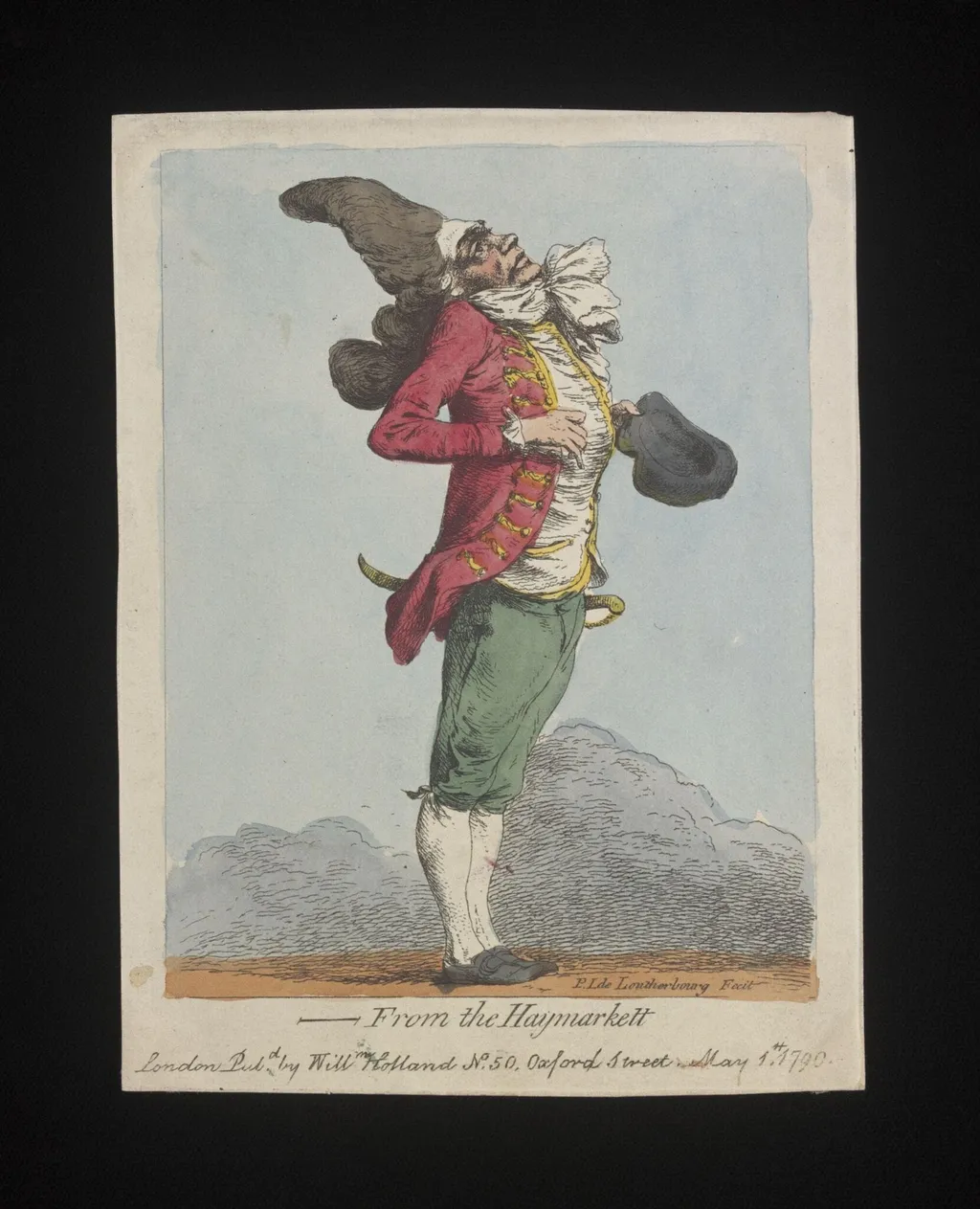
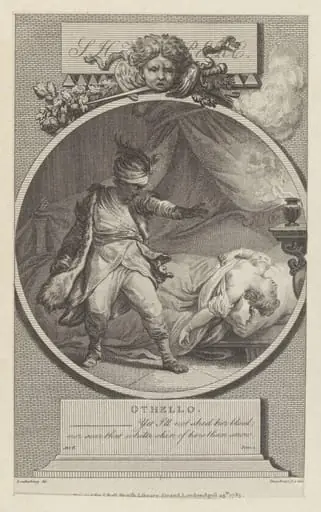
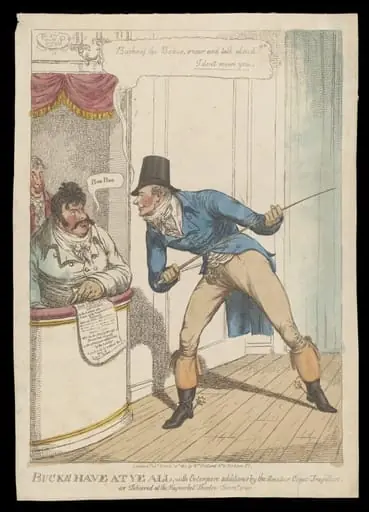
H Beard Print Collection is a print by the Romanticist artist Philip James de Loutherbourg. It dates from 1 and is held in the collection of the Victoria and Albert Museum. This print, titled 'From the Haymarket,' was produced in London on May 1, 1790, by publisher William Holland.
About this work
It’s part of the Romanticism movement, which often focused on everyday life and strong emotions.
This is a print called *H Beard Print Collection* by Philip James de Loutherbourg. It shows a street scene in London and was printed in 1790. You can see it at the Victoria and Albert Museum today.
The print captures London’s busy Haymarket in the late 1700s. It’s part of the Romanticism movement, which often focused on everyday life and strong emotions.
Check out the Victoria and Albert Museum for more prints like this.
Overview
This print, titled 'From the Haymarket,' was produced in London on May 1, 1790, by publisher William Holland. It is part of the Harry Beard Collection, now held at the Victoria and Albert Museum. Created by Philip James de Loutherbourg, the work depicts a bustling urban scene in one of London’s most active thoroughfares during the late 18th century, capturing the rhythm of daily life in the capital.
Subject & Meaning
The print portrays the Haymarket, a vibrant commercial and entertainment district, filled with pedestrians, carriages, and vendors. Rather than idealizing its subjects, the scene presents ordinary people engaged in routine activities—shopping, conversing, traveling. This focus on the mundane reflects a broader cultural interest in the lived experience of urban society during the period, aligning with emerging sensibilities that valued observation over grand narrative.
Technique & Style
Executed as a print, likely an etching or engraving, the work employs fine linear detail to render architecture, clothing, and movement. De Loutherbourg’s background in theatrical design informs the composition’s sense of stage-like depth and controlled perspective. The tonal contrasts and careful arrangement of figures guide the viewer’s eye through the crowded street, emphasizing spatial complexity without overt sentimentality.
History & Provenance
The print was issued by William Holland, a known publisher of topographical and satirical prints in late 18th-century London. It entered the Harry Beard Collection, assembled by a 19th-century theatre enthusiast, and was later acquired by the Victoria and Albert Museum. Its preservation reflects its value as a documentary record of London’s public spaces during a time of rapid urban change.
Context
Produced during the height of London’s expansion, the print reflects a growing public interest in visual records of city life. While often associated with Romanticism’s emotional intensity, this work aligns more closely with topographical realism—documenting the physical and social fabric of the metropolis. It stands alongside other contemporary prints that sought to capture the energy and diversity of urban environments.
Legacy
As part of a broader archive of urban imagery, this print contributes to historical understanding of late Georgian London. Its survival in a major museum collection underscores its role as a visual archive rather than a work of fine art alone. Scholars continue to reference it for insights into transportation, dress, and public behavior in the period, affirming its enduring documentary significance.
Artist & collection
Artist
Philip James de Loutherbourg painted dramatic stage scenes and sweeping landscapes in 18th-century England.

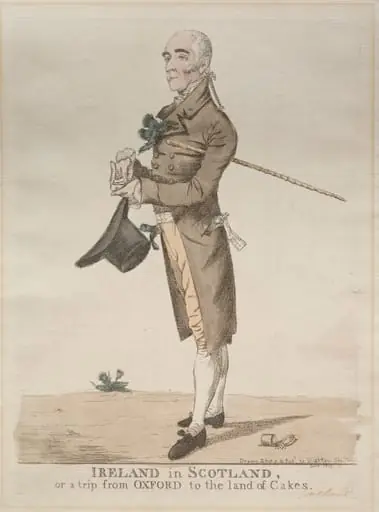 Ireland in Scotland, or a Trip from Oxford to the Land of Cakes
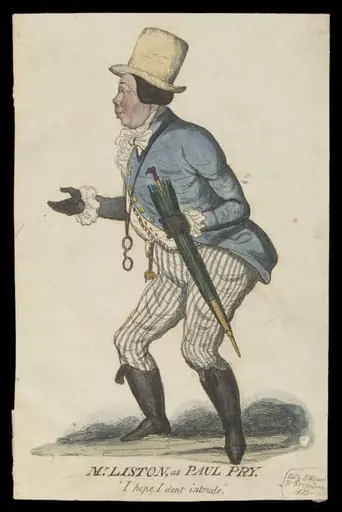 H Beard Print Collection
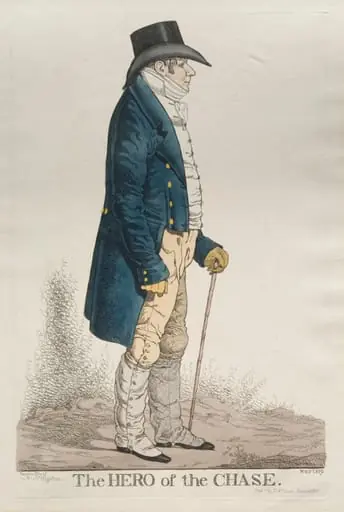 The Hero of the Chase
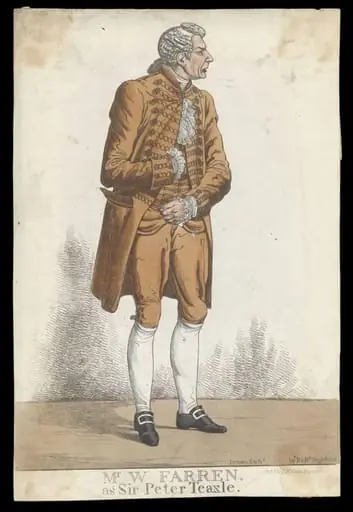 H Beard Print Collection
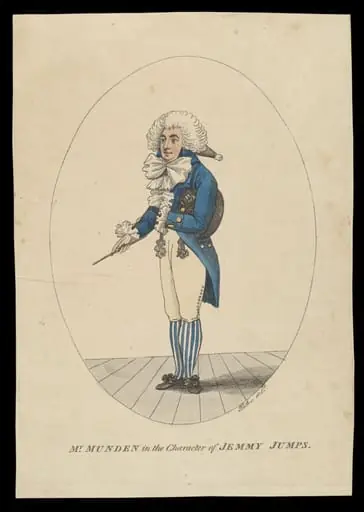 H Beard Print Collection
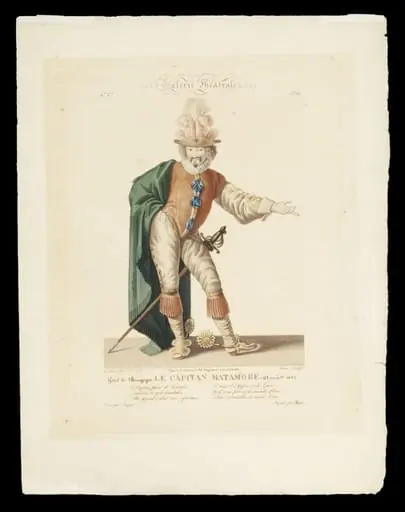 H Beard Print Collection
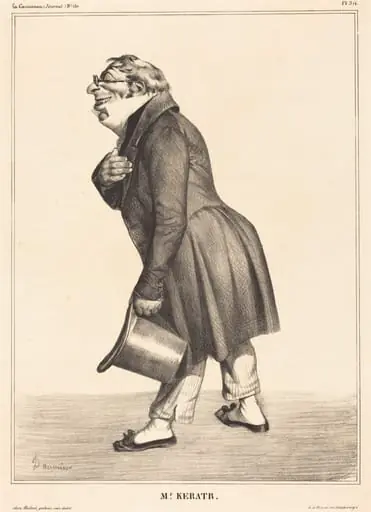 Comte de Kératry
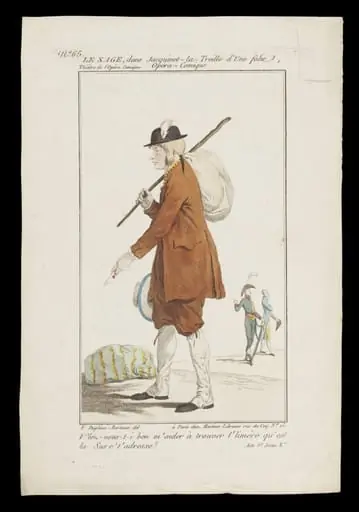 H Beard Print Collection
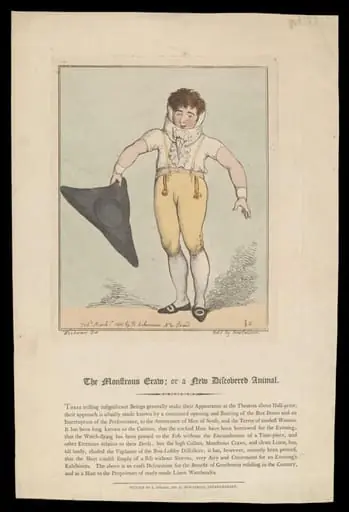 H Beard Print Collection
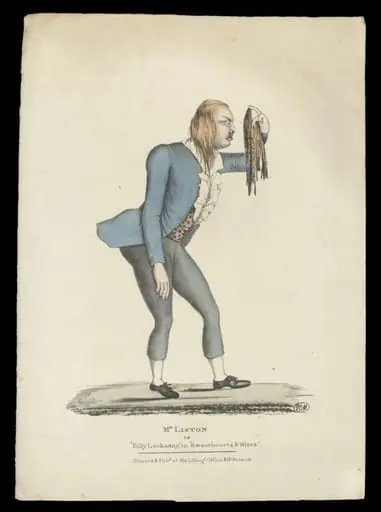 H Beard Print Collection
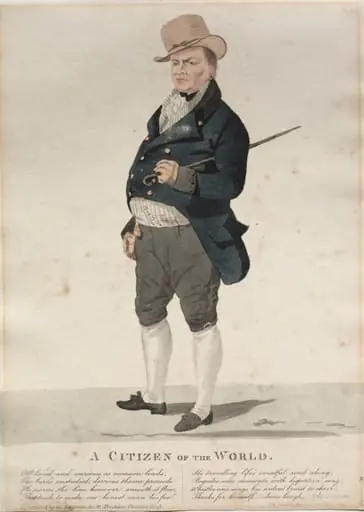 A Citizen of the World
 H Beard Print Collection