Artwork
The Flood
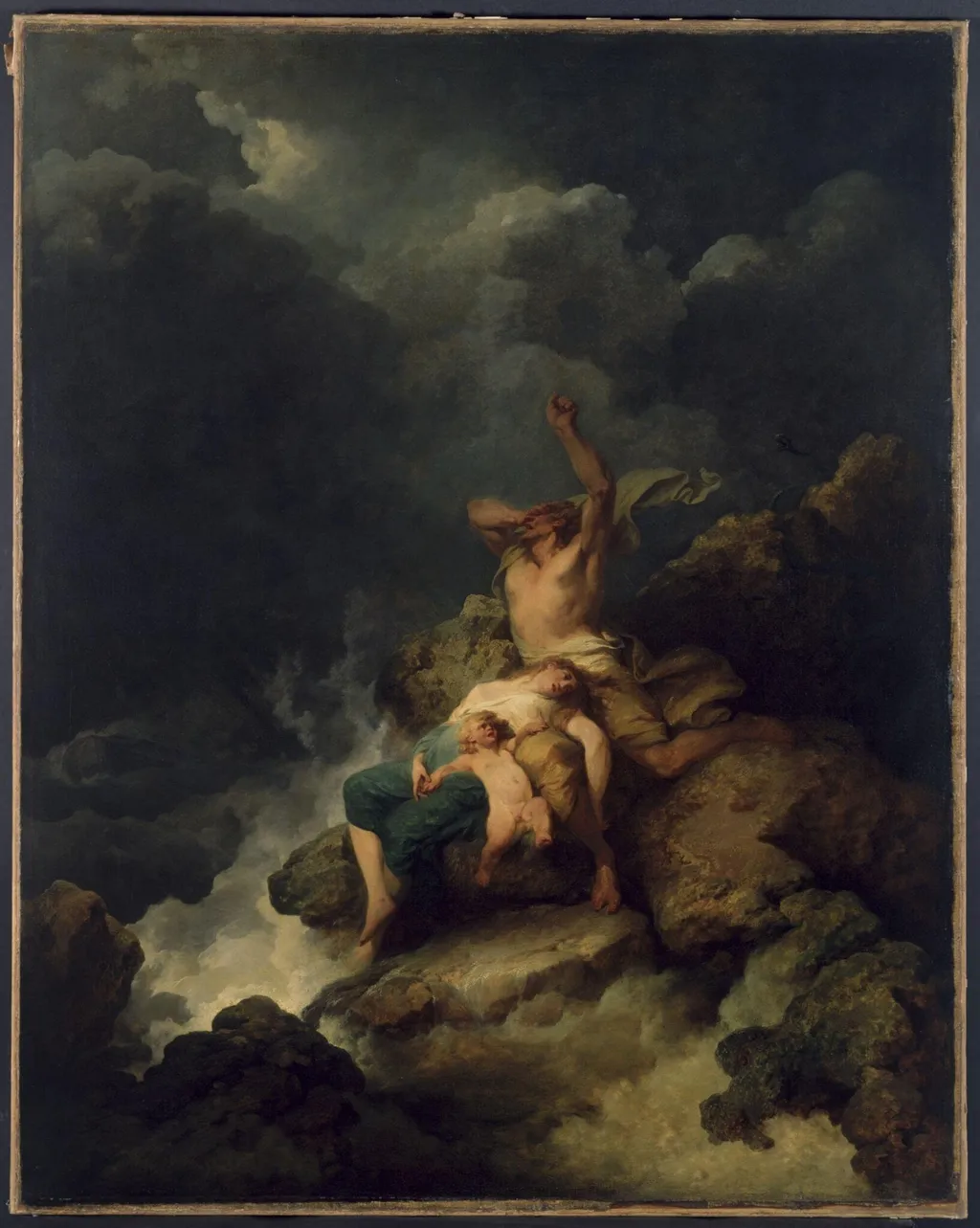
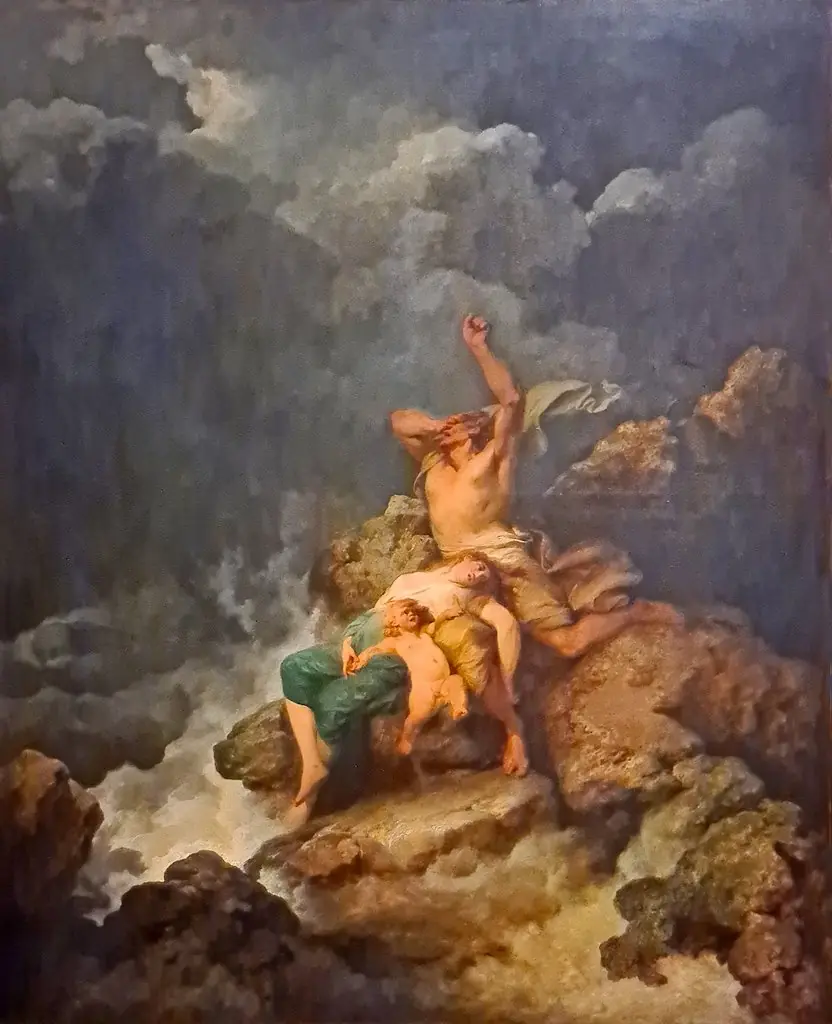
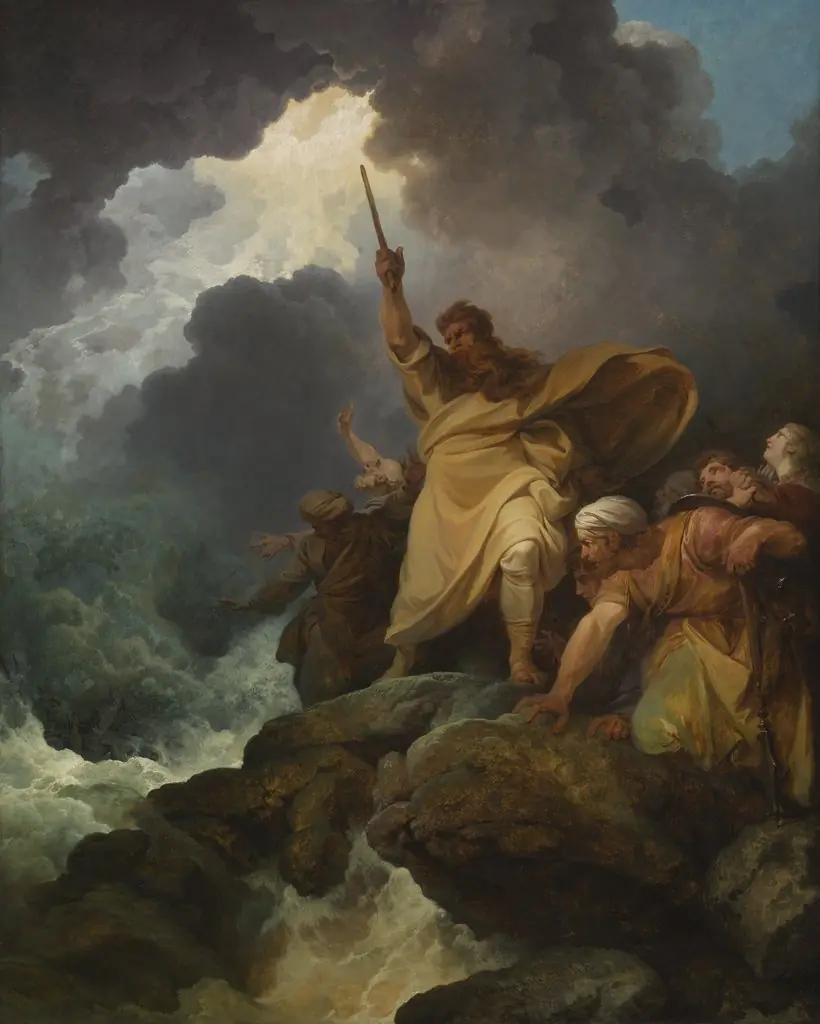
The Flood is an oil painting by the Baroque artist Philip James de Loutherbourg. It dates from 1700 and is held in the collection of the Victoria and Albert Museum.
About this work
Overview
The Flood, an oil painting by Philip James de Loutherbourg, depicts a tumultuous deluge with towering waves and ominous clouds. The composition emphasizes the overwhelming force of water, rendered in a dense, almost tactile manner that suggests it could engulf anything in its path.
Subject & Meaning
The work captures the raw power of a catastrophic flood, focusing on nature’s destructive potential. By portraying the water as thick and heavy, the artist conveys a sense of imminent danger and the vulnerability of human constructs before elemental forces.
Technique & Style
Drawing on his background in theatrical design, de Loutherbourg employs dramatic chiaroscuro and staged lighting effects to heighten the scene’s intensity. The interplay of light and shadow creates a three‑dimensional illusion, giving the water a palpable, almost sculptural presence.
History & Provenance
In 1781 de Loutherbourg devised the Eidophusikon, a miniature theatre that combined painted scenes with controlled illumination and music. This experimental approach to visual storytelling informed his later canvases, including The Flood, and influenced contemporaries such as Thomas Gainsborough, who developed a comparable “showbox” for viewing his own illuminated works.
Context
The painting emerges from a period when artists increasingly explored the theatrical potential of painting, integrating effects of light and atmosphere to evoke emotional responses. De Loutherbourg’s dual career as a stage designer and painter positioned him at the forefront of this interdisciplinary trend.
Artist & collection
Artist
Philip James de Loutherbourg painted dramatic stage scenes and sweeping landscapes in 18th-century England.

 The Flood
 Aeneas Becomes a God
 Dante and Vergil
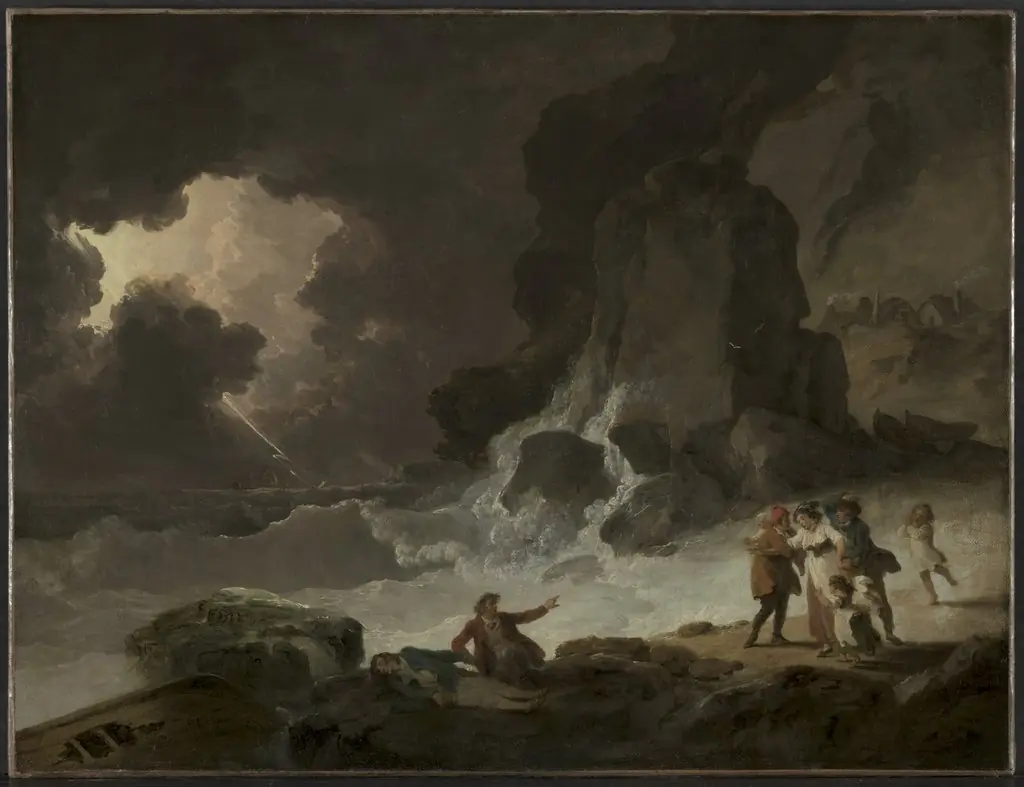 A Storm Behind the Isle of Wight
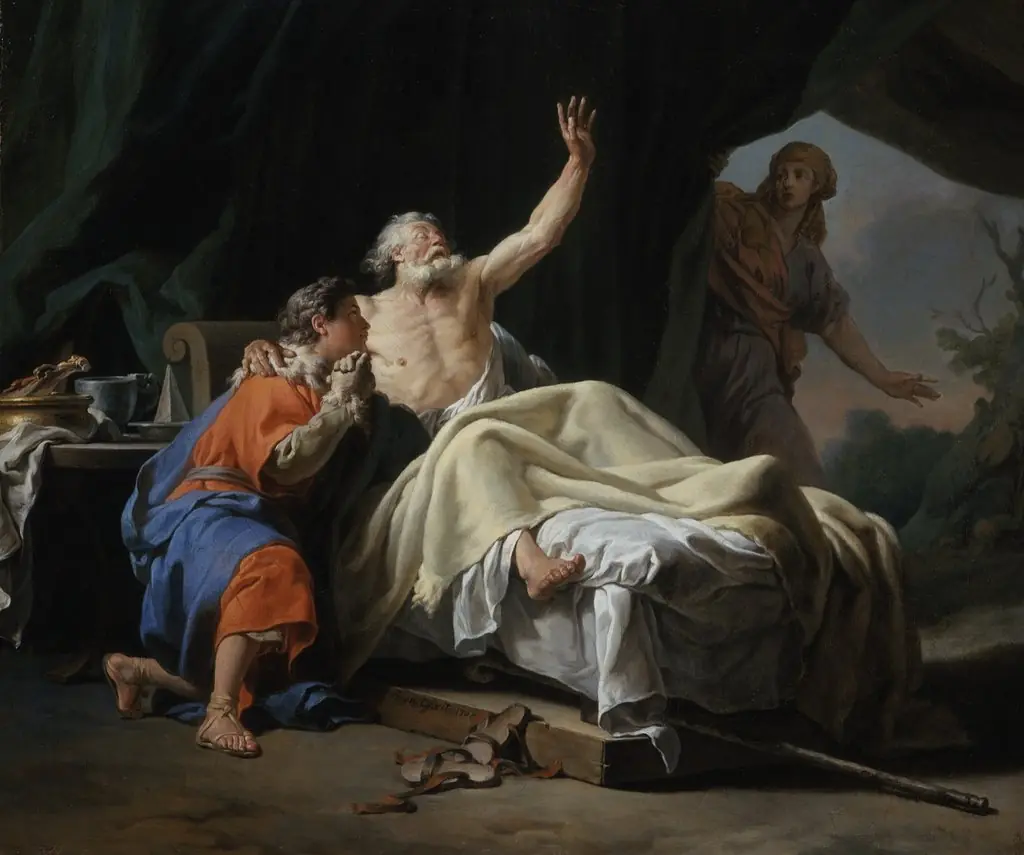 Isaac Blessing Jacob
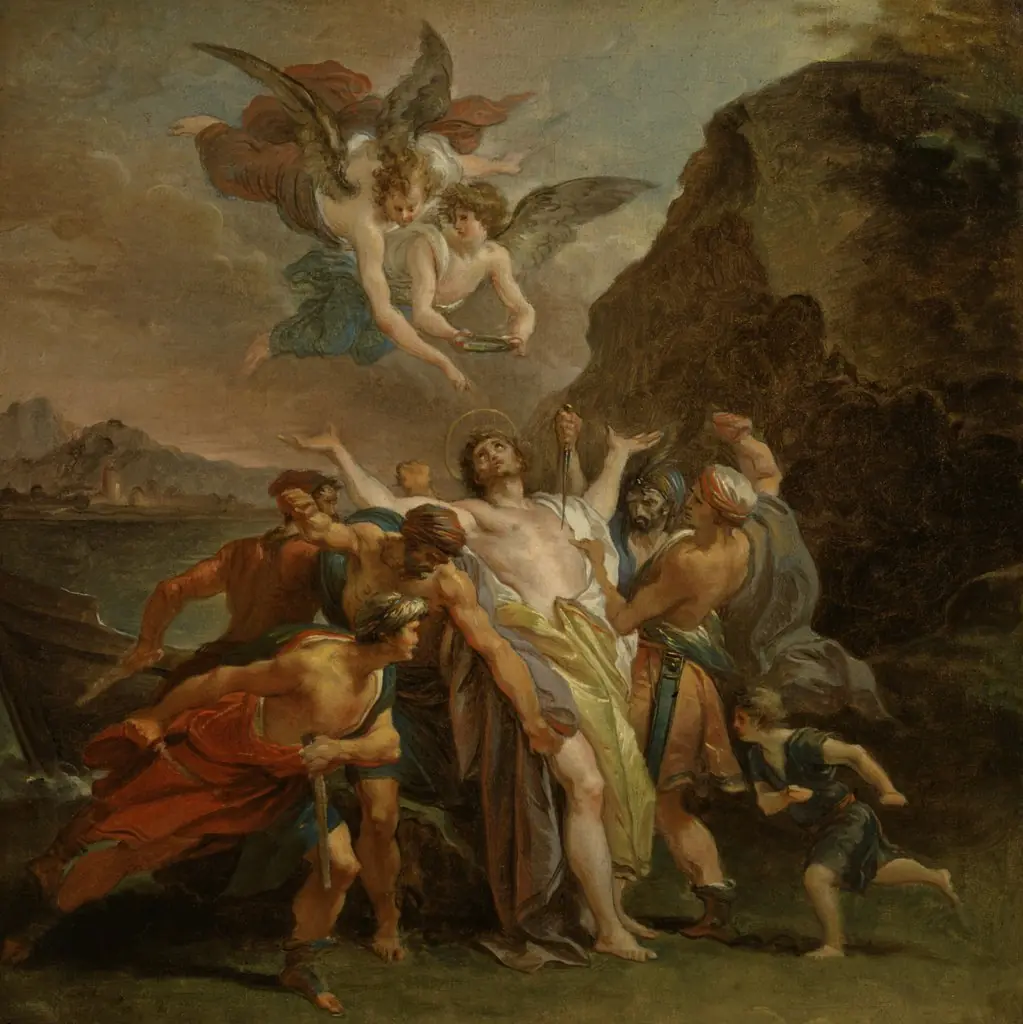 The Martyrdom of the Blessed Signoretto Alliata
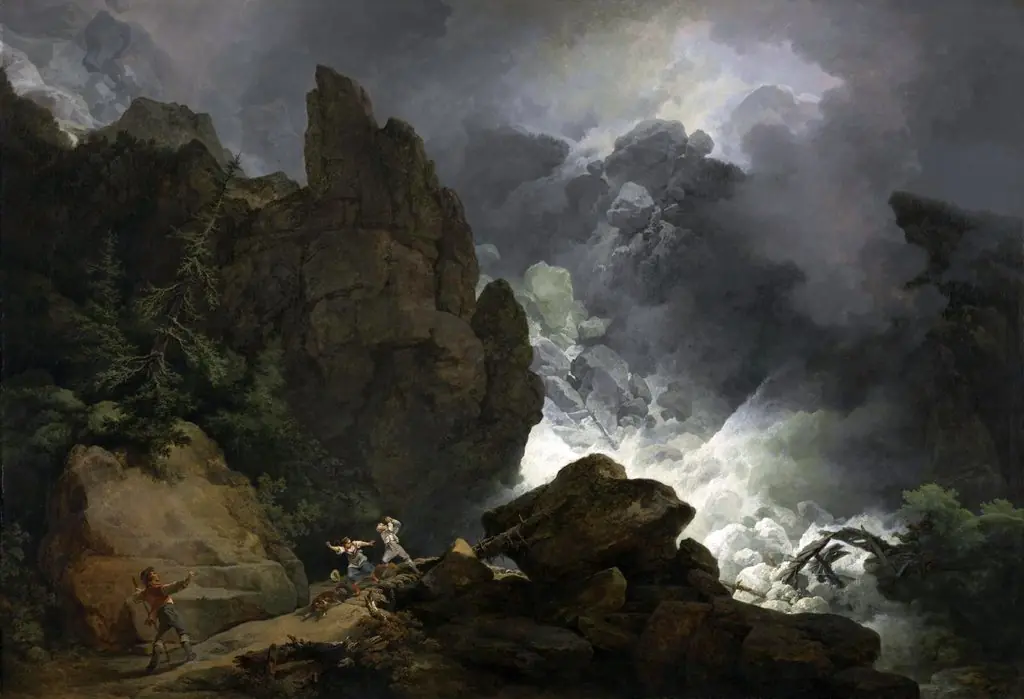 An Avalanche in the Alps
 The Destruction of Pharaoh's Army
 The Destruction of Pharaoh's Army
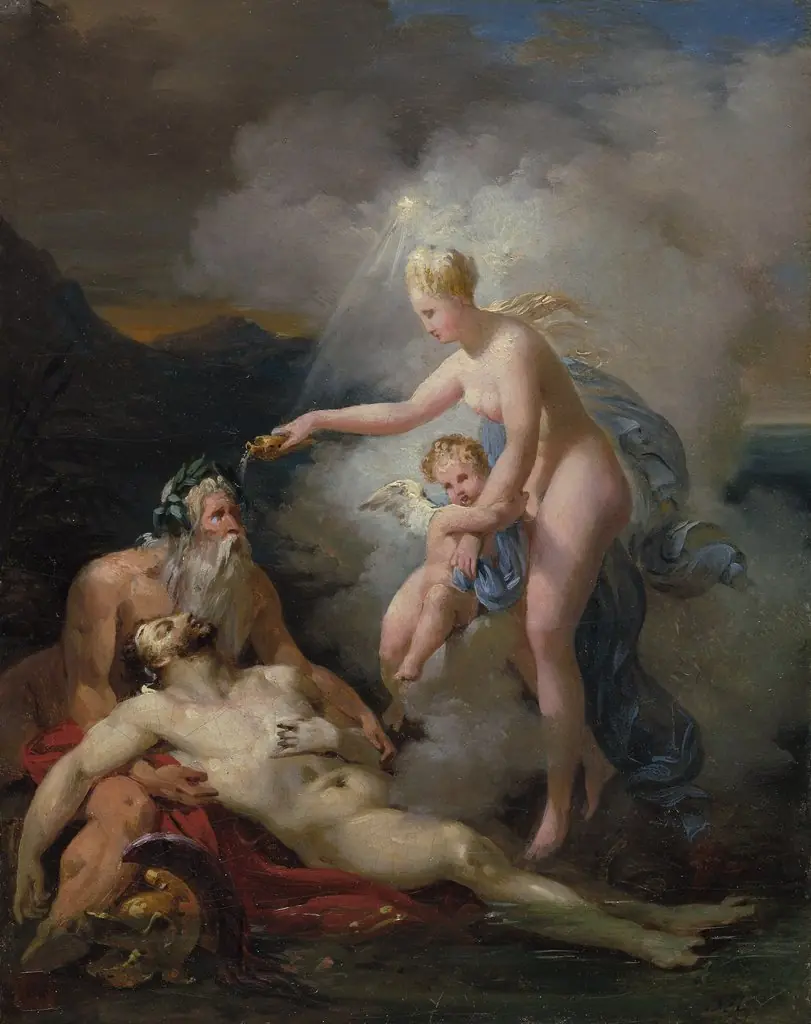 Venus Healing Aeneas
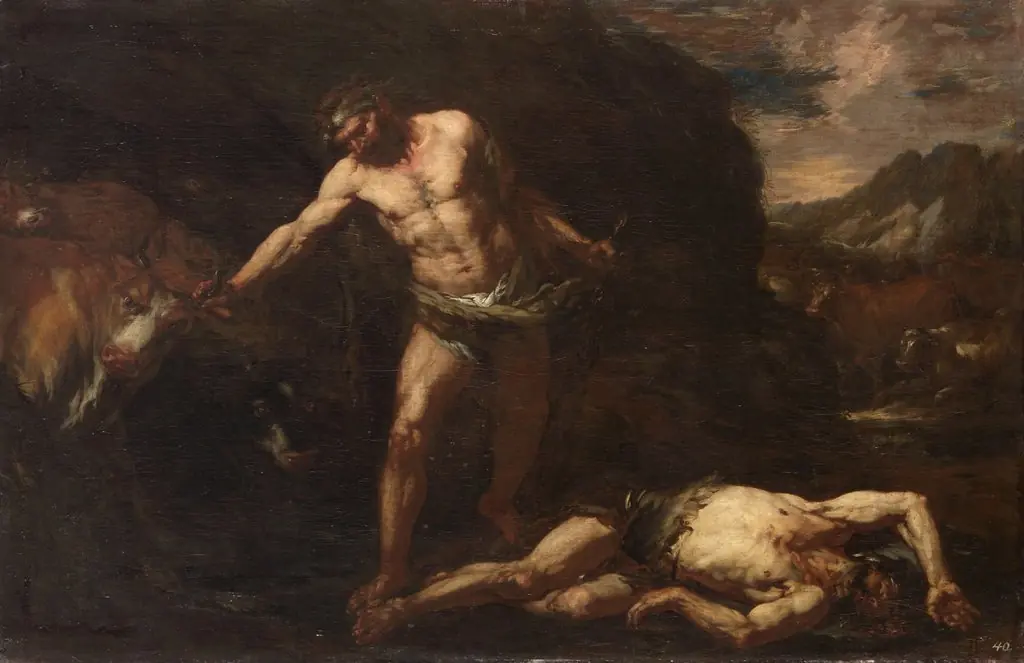 Hercules tötet den Riesen Cacus und raubt die Rinder des Geryoneus
 The Sacrifice of Isaac