Artwork
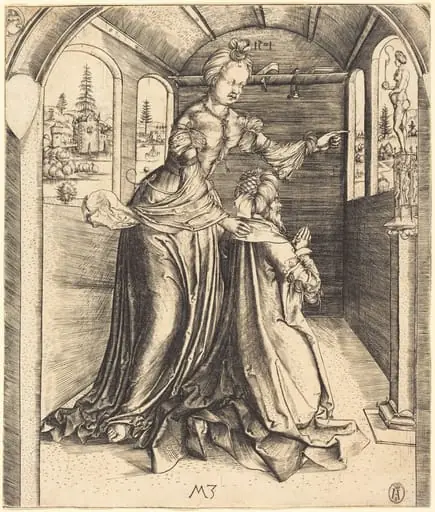
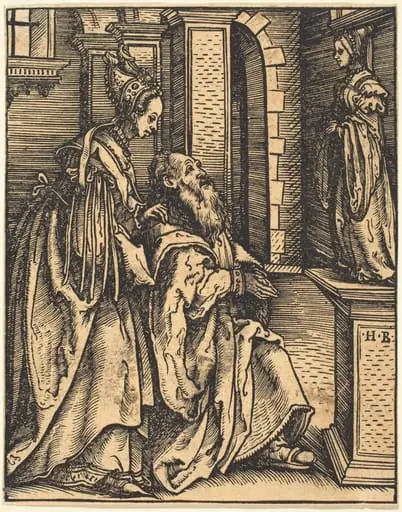
Jezebel Promising Naboth's Vineyard to King Ahab
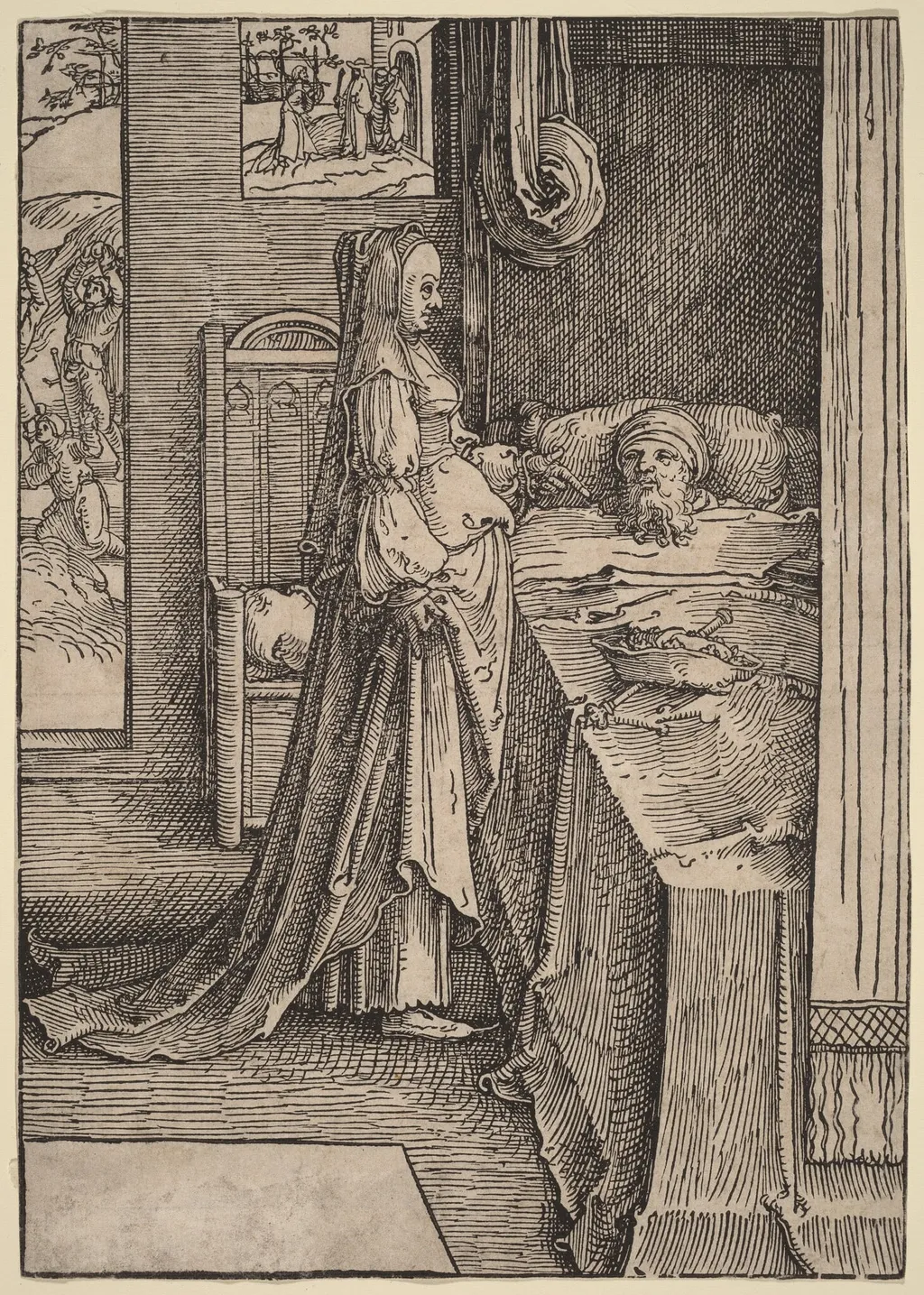
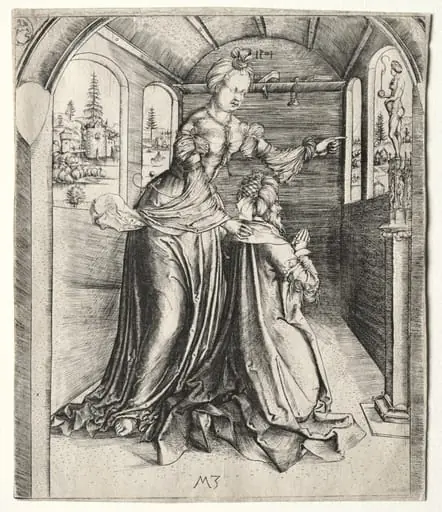
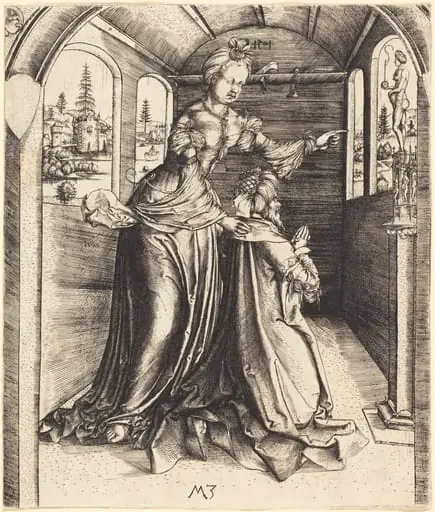
Jezebel Promising Naboth's Vineyard to King Ahab is an ink print by the Renaissance artist Lucas van Leyden. It dates from 1518 and is held in the collection of the National Gallery of Art.
About this work
Overview
The composition captures Jezebel’s manipulation of King Ahab, translating a narrative of moral corruption into a tightly composed graphic image.
Created in 1518 by the Dutch artist Lucas van Leyden, this woodcut illustrates a moment from the biblical Book of Kings. Van Leyden, renowned for his precision in printmaking, rendered the scene with fine linear detail characteristic of early 16th-century Northern European engraving traditions. The composition captures Jezebel’s manipulation of King Ahab, translating a narrative of moral corruption into a tightly composed graphic image.
Subject & Meaning
The scene depicts Jezebel, queen of Israel, conspiring to secure Naboth’s vineyard for her husband, King Ahab. She gestures toward him as he reclines, her expression suggesting calculated persuasion. The act violates divine law, as Naboth’s land was hereditary and could not be lawfully seized. Van Leyden frames the moment not as triumph but as moral decay, using spatial intimacy to underscore the collusion between power and deceit.
Technique & Style
Executed in woodcut, the image relies on sharp, controlled lines to define texture and form. Intricate patterns on textiles, flooring, and architectural details demonstrate van Leyden’s mastery of fine engraving. The figures are rendered with elongated proportions and expressive gestures, typical of Northern Renaissance conventions. Despite the medium’s limitations, the artist achieved a sense of depth and opulence through layered patterning and careful tonal contrast.
History & Provenance
The print was produced during van Leyden’s mature period, when he was actively publishing illustrated biblical scenes for a growing market of private collectors. Few original impressions survive, but the work was widely circulated in Northern Europe. It appears in several early 16th-century print collections, including those assembled by humanist scholars interested in moral allegory and scriptural illustration.
Context
In early 16th-century Europe, biblical narratives were frequently adapted for print to serve both devotional and didactic purposes. Van Leyden’s work aligns with Protestant reformers’ emphasis on scriptural literacy, even as Catholic patrons also collected such images. The depiction of royal corruption resonated with contemporary anxieties about authority, especially amid rising tensions between secular rulers and religious law.
Legacy
Van Leyden’s woodcut influenced later Northern printmakers who sought to convey complex moral narratives through graphic clarity. Though not as widely reproduced as his other biblical scenes, this image remains a notable example of how early print culture translated theological critique into visual form. Its restrained palette and narrative focus distinguish it from later, more theatrical treatments of the same subject.
Artist & collection

Artist
Lucas van Leyden (1494 – 8 August 1533), was a Dutch painter and printmaker in engraving and woodcut. Lucas van Leyden was among the first Dutch exponents of genre painting and was a very accomplished engraver.

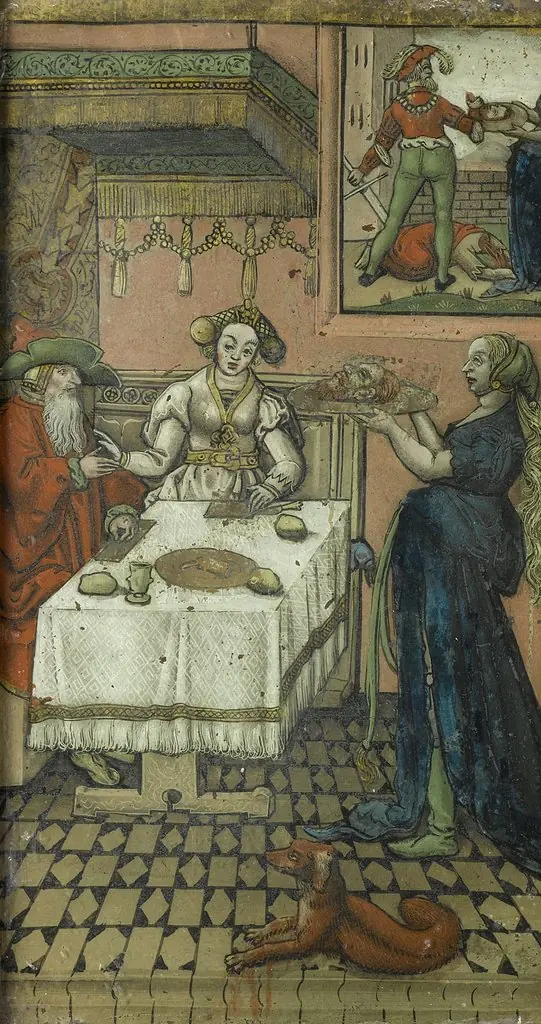 Salome with the head of St John the Baptist
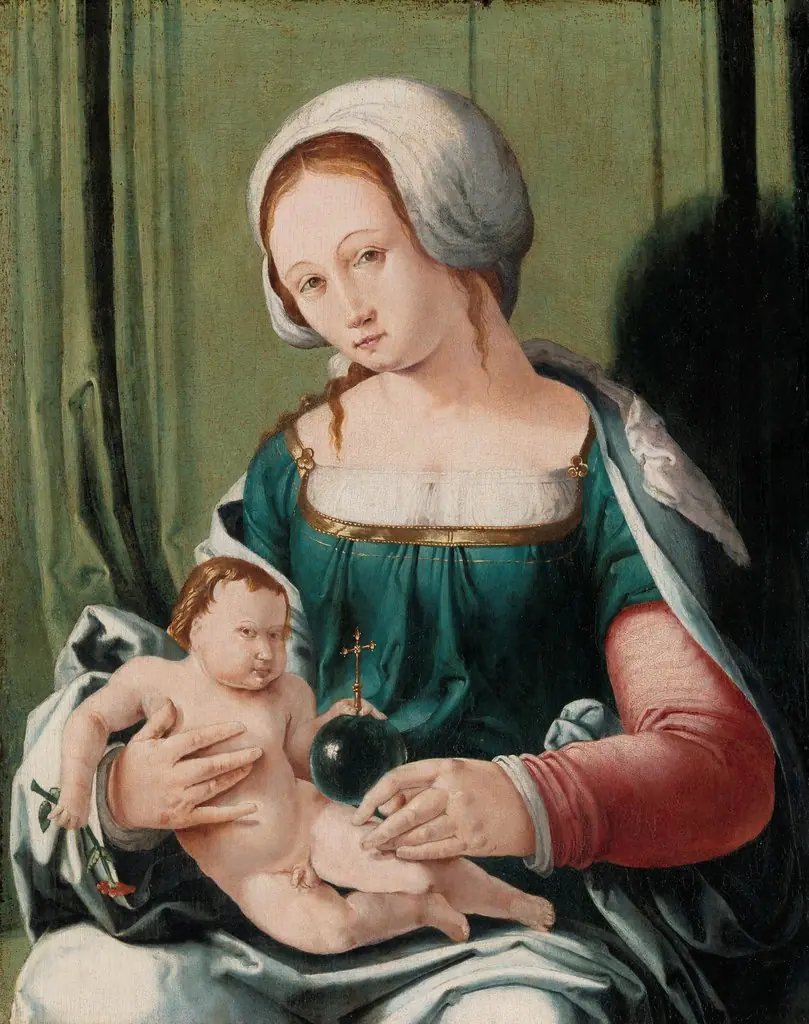 The Virgin and Child
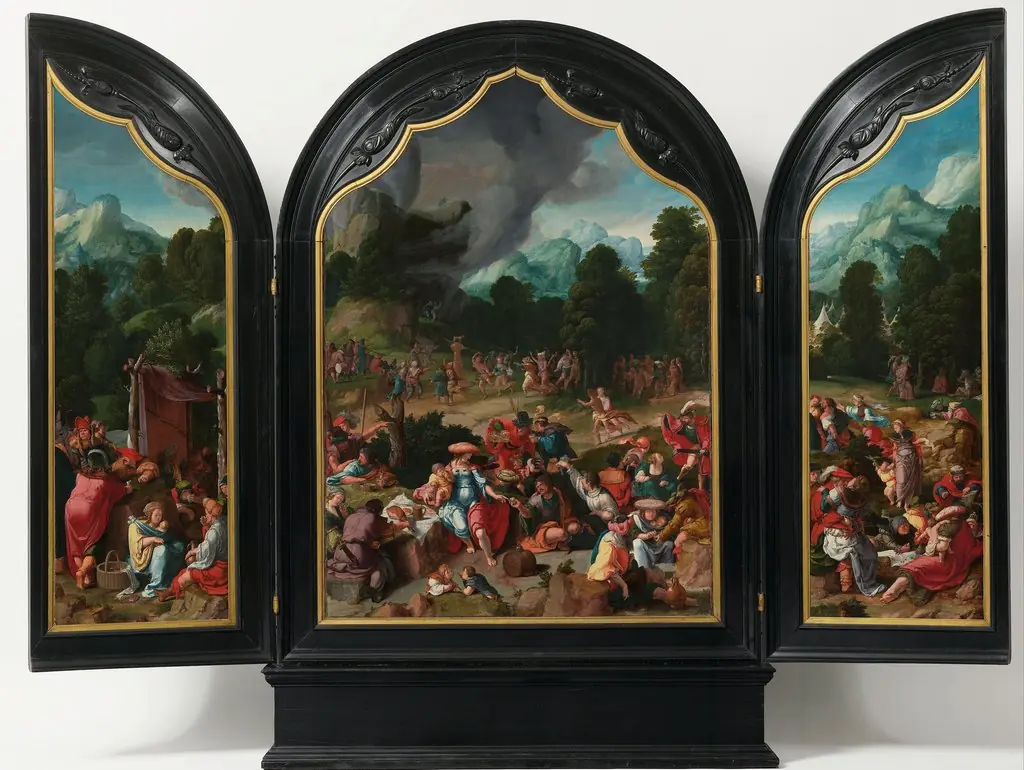 Worship of the Golden Calf
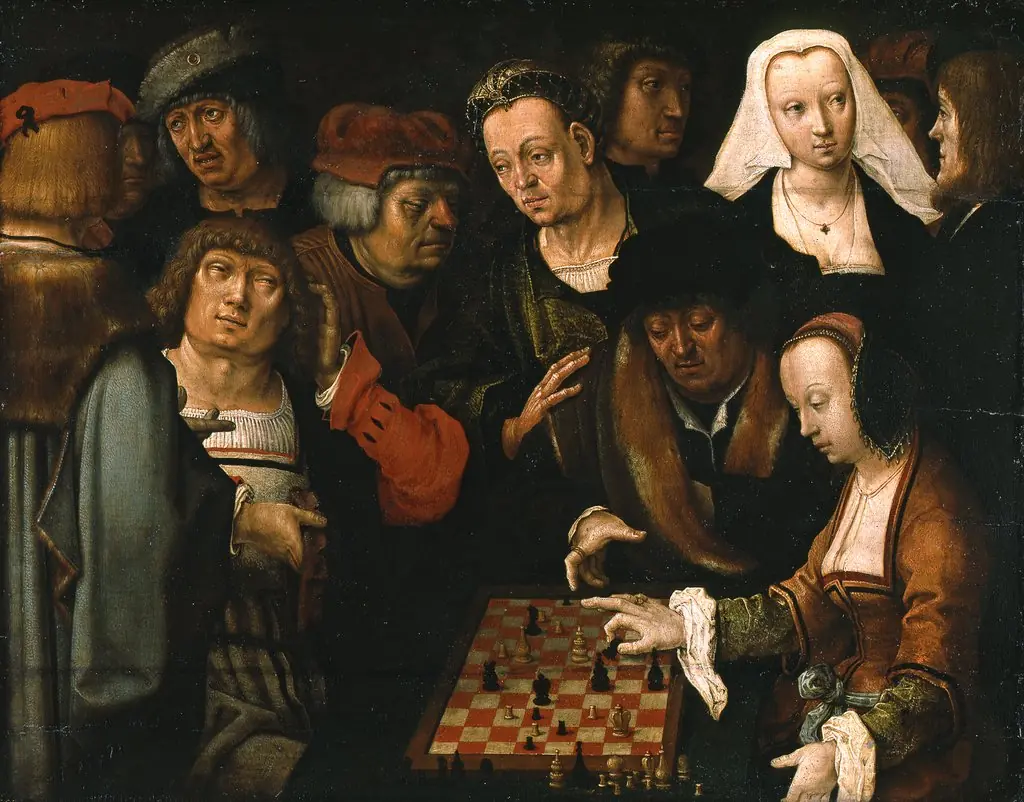 A Game of Chess
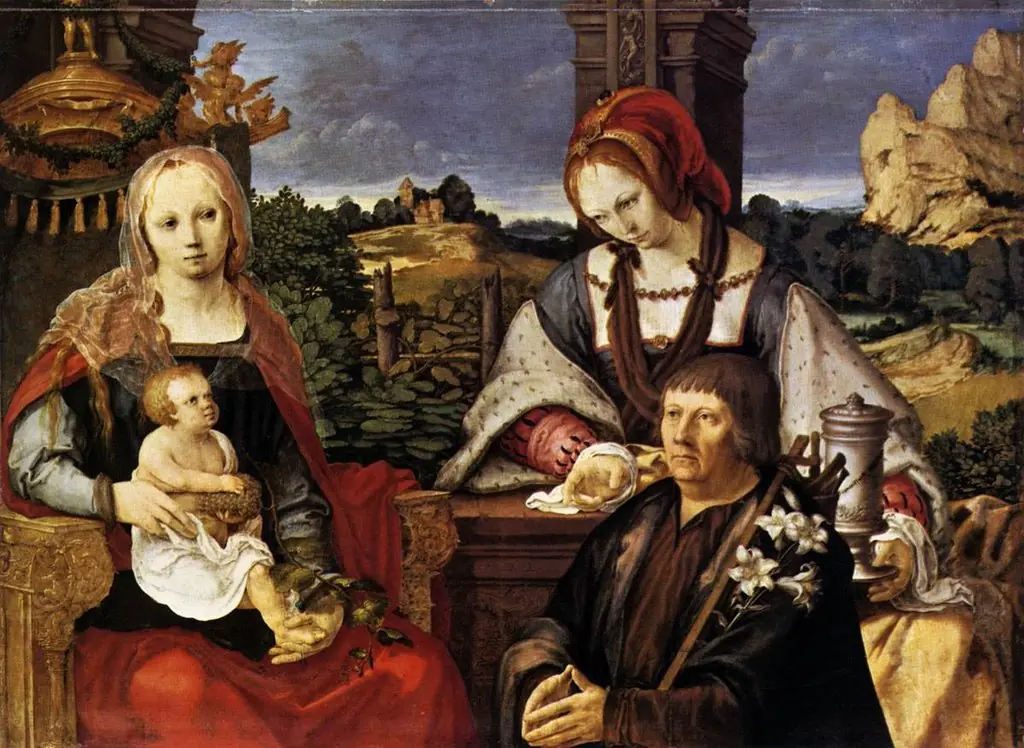 Mary with Child, St. Maria Magdalena and founder (separate outside, Inv. No. 7713)
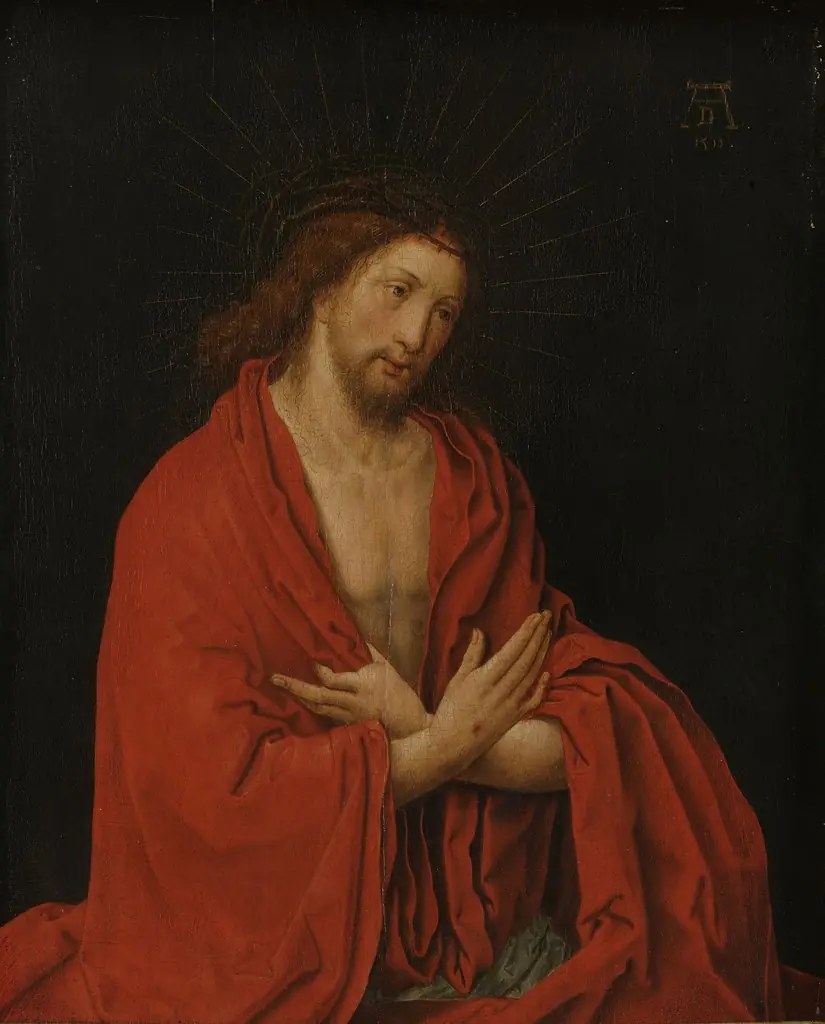 Inner left wing of a diptych with Christ as the Man of Sorrows
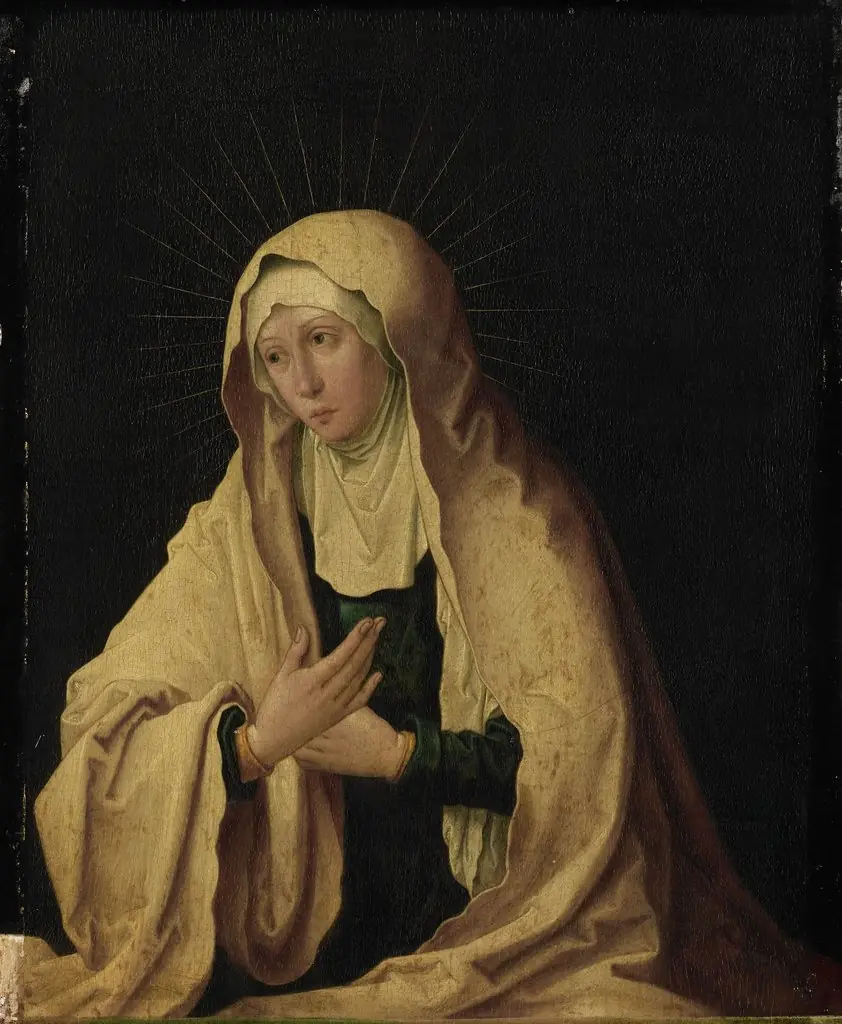 Inner right wing of a diptych with the Virgin as Mater Dolorosa
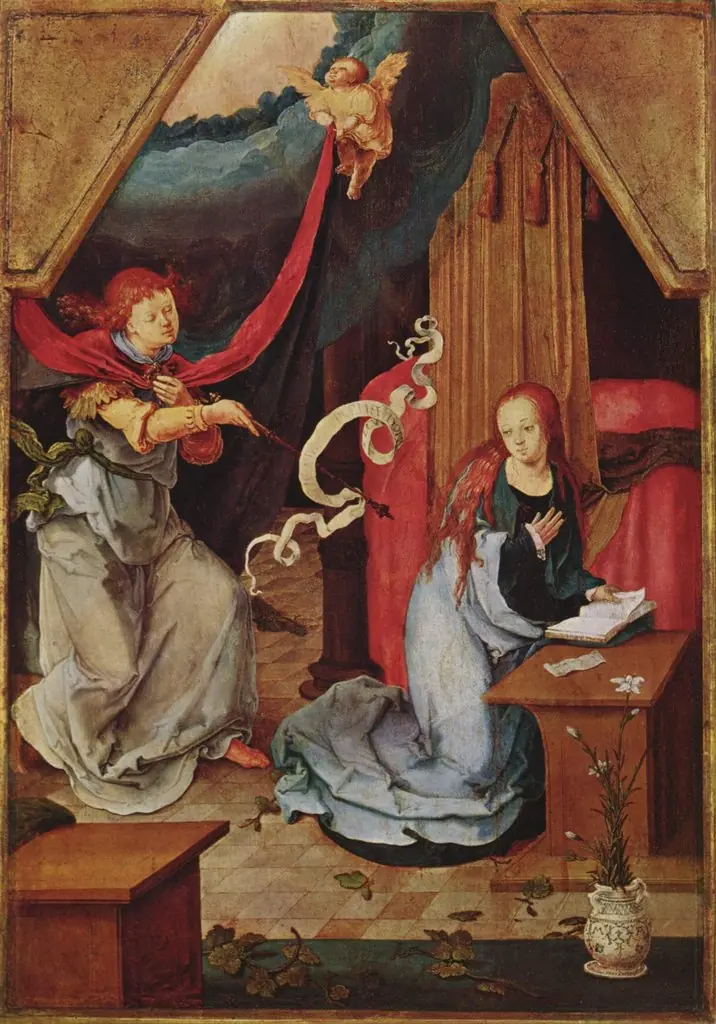 Annunciation