Artwork
Saint Jerome in a Landscape
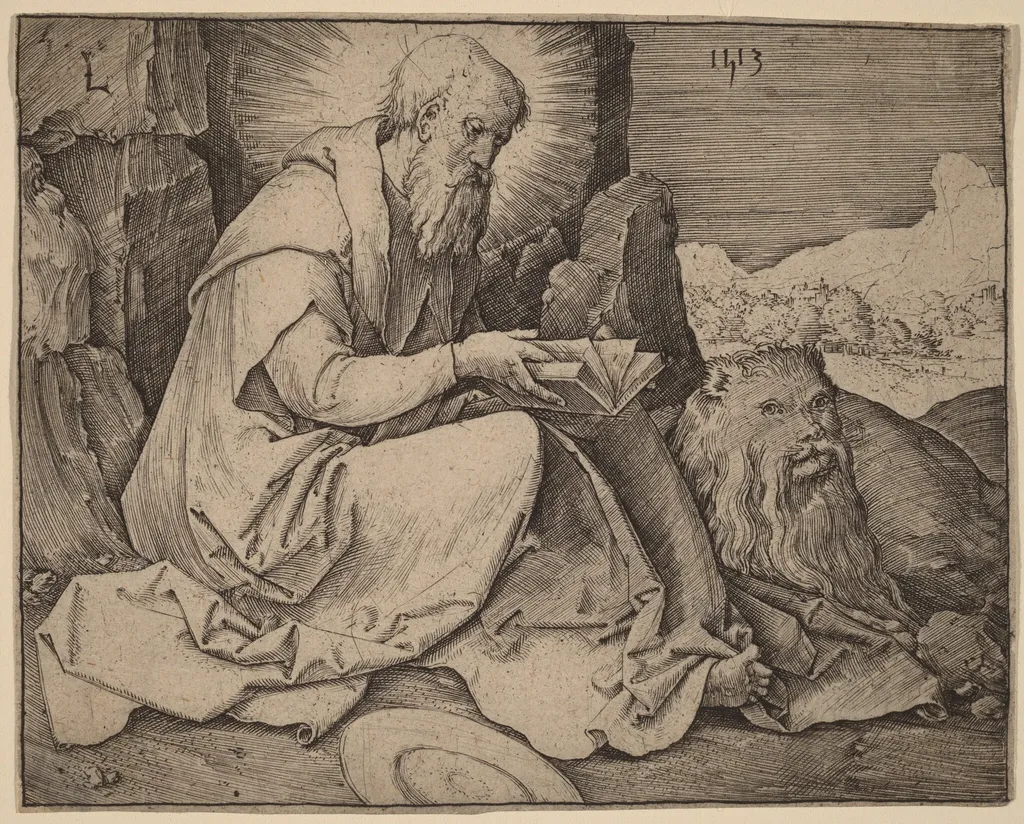
Saint Jerome in a Landscape is an ink print by the Renaissance artist Lucas van Leyden. It dates from 1513 and is held in the collection of the National Gallery of Art.
About this work
Overview
Created in 1513 by the Dutch artist Lucas van Leyden, this engraving portrays Saint Jerome amid a tranquil natural setting.
Created in 1513 by the Dutch artist Lucas van Leyden, this engraving portrays Saint Jerome amid a tranquil natural setting. As a printmaker, van Leyden distinguished himself through precise line work and nuanced tonal gradations. The image belongs to a small but significant group of early Northern European prints that merge religious subject matter with detailed landscape elements, reflecting a broader shift in artistic focus during the early sixteenth century.
Subject & Meaning
The figure is Saint Jerome, the fourth-century scholar and translator of the Bible into Latin, depicted in quiet solitude. He sits on the earth, clad in a cardinal’s robe, holding an open book—symbolizing his scholarly devotion. His gaze meets the viewer directly, inviting contemplation rather than reverence. The setting, free of overt religious iconography, emphasizes inner reflection, aligning with humanist ideals of personal piety and intellectual engagement.
Technique & Style
Van Leyden employed fine, controlled engraving lines to render texture across fabric, rock, and foliage. Delicate cross-hatching builds shadow and volume, while varying line density creates atmospheric depth in the distant hills. The composition balances the figure’s stillness with the rhythmic undulations of the landscape, demonstrating his command of both technical precision and spatial harmony characteristic of Northern Renaissance printmaking.
History & Provenance
The engraving was produced during van Leyden’s most active period in Leiden, when his prints circulated widely across Europe. Early impressions were collected by scholars and clergy, valued for their technical excellence and devotional tone. No single original owner is documented, but multiple authenticated impressions survive in major European collections, attesting to its early and sustained reception.
Context
In the early 1500s, Northern artists increasingly integrated landscape as more than mere backdrop, reflecting growing interest in nature and individual experience. Van Leyden’s work responds to this trend while maintaining religious subject matter. Unlike Italian prints of the time, which often emphasized classical ideals, his imagery grounds sacred figures in tangible, northern terrain, bridging spiritual and earthly realms.
Legacy
The engraving influenced later Northern printmakers who sought to merge landscape and devotional themes. Van Leyden’s ability to convey psychological depth through line alone set a precedent for artists like Dürer and Rembrandt. Though less celebrated today than his paintings, this print remains a key example of how early printmaking could convey complex inner states with minimal means.
Artist & collection

Artist
Lucas van Leyden (1494 – 8 August 1533), was a Dutch painter and printmaker in engraving and woodcut. Lucas van Leyden was among the first Dutch exponents of genre painting and was a very accomplished engraver.

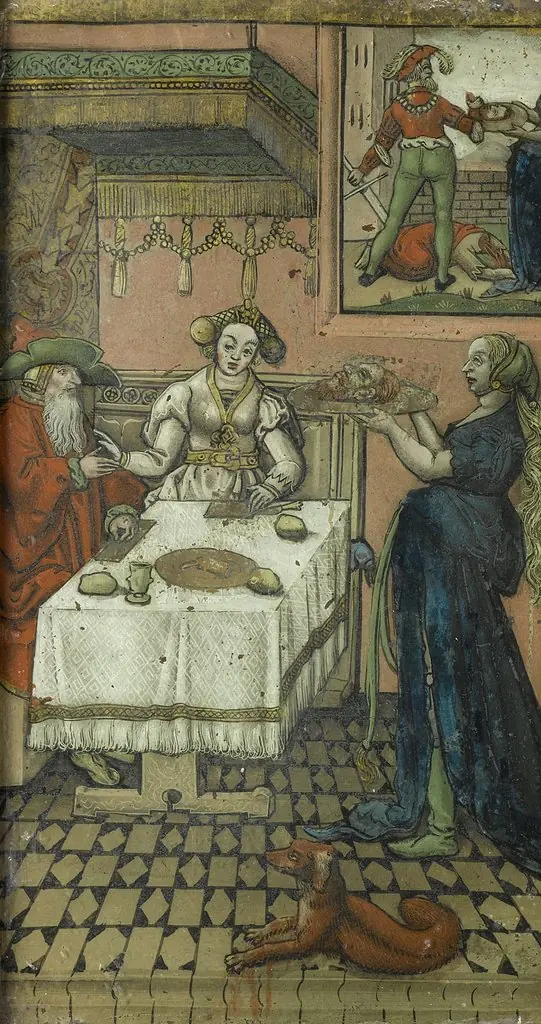 Salome with the head of St John the Baptist
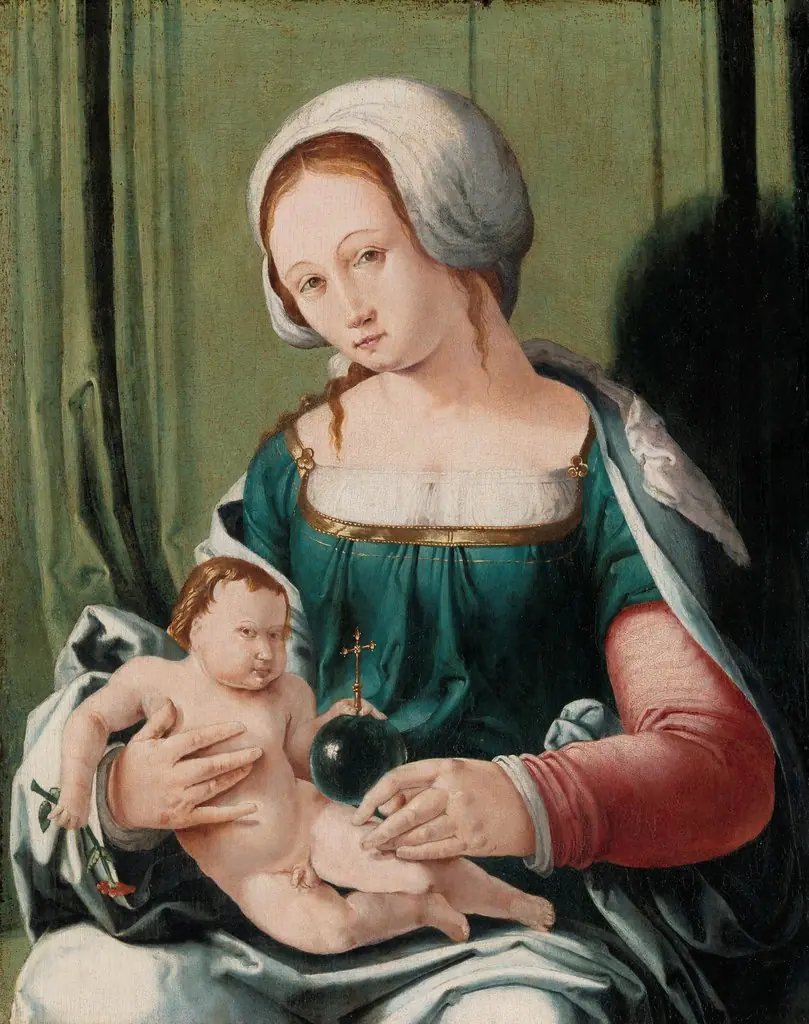 The Virgin and Child
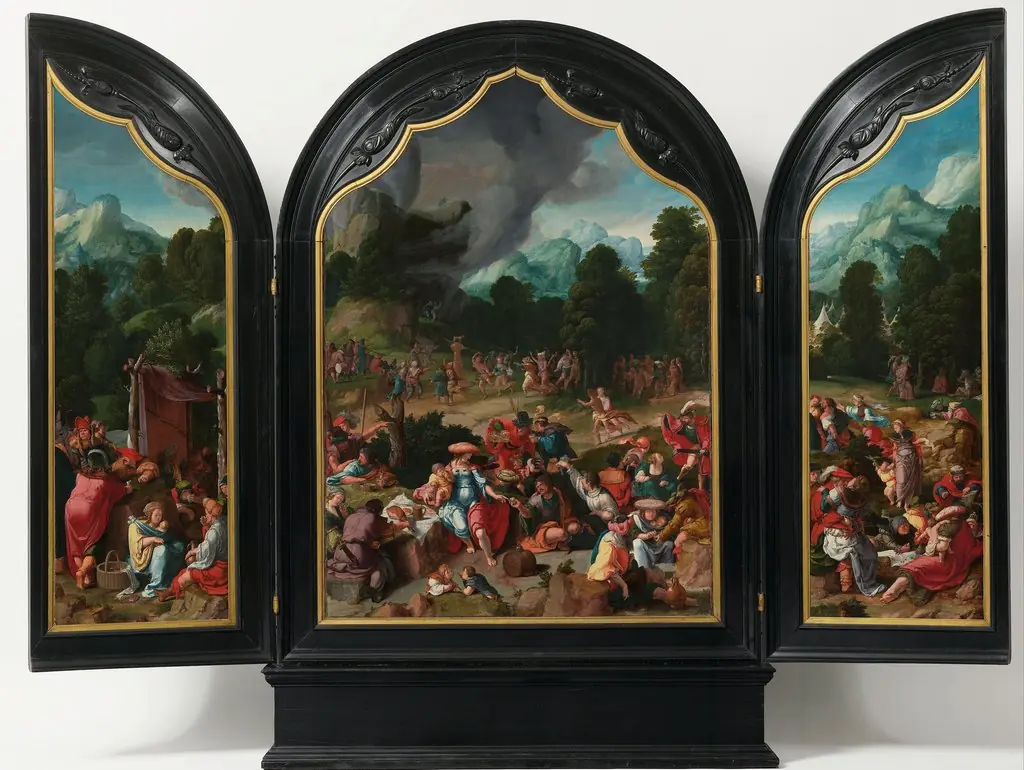 Worship of the Golden Calf
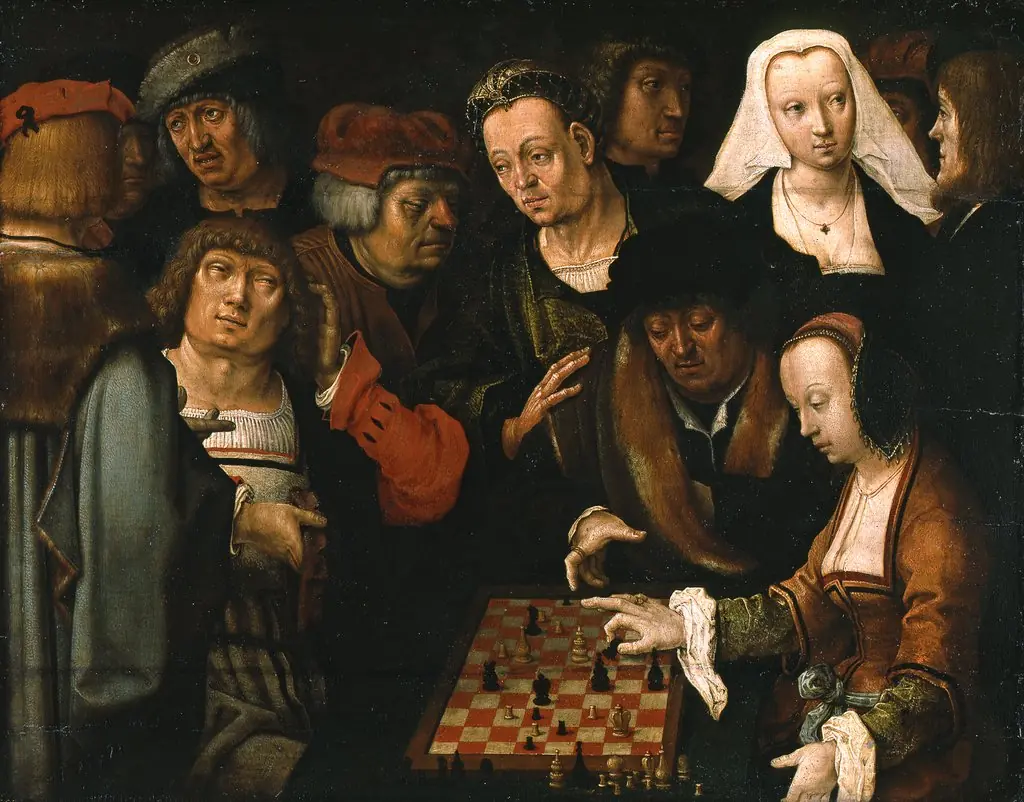 A Game of Chess
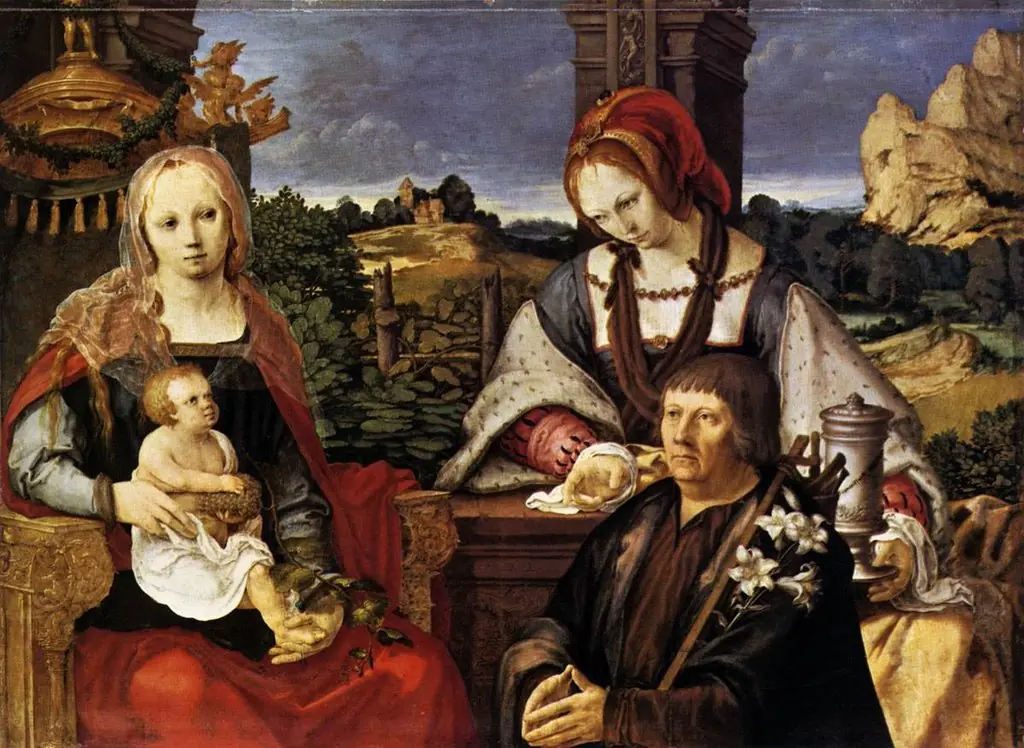 Mary with Child, St. Maria Magdalena and founder (separate outside, Inv. No. 7713)
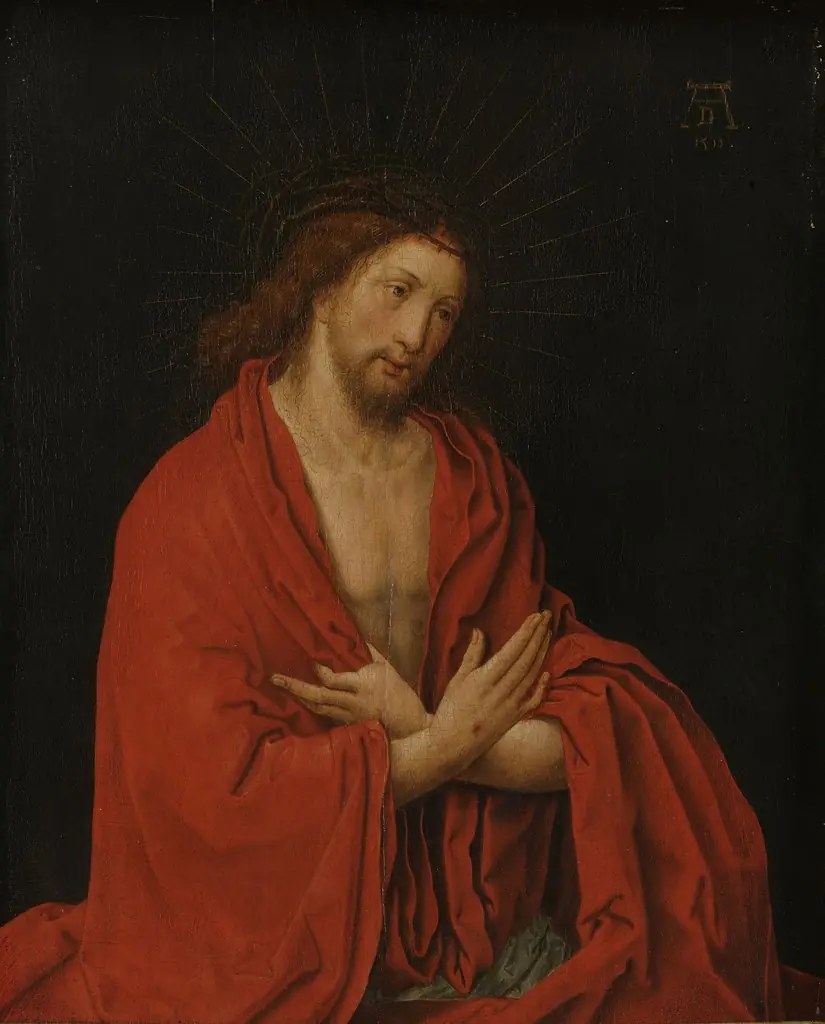 Inner left wing of a diptych with Christ as the Man of Sorrows
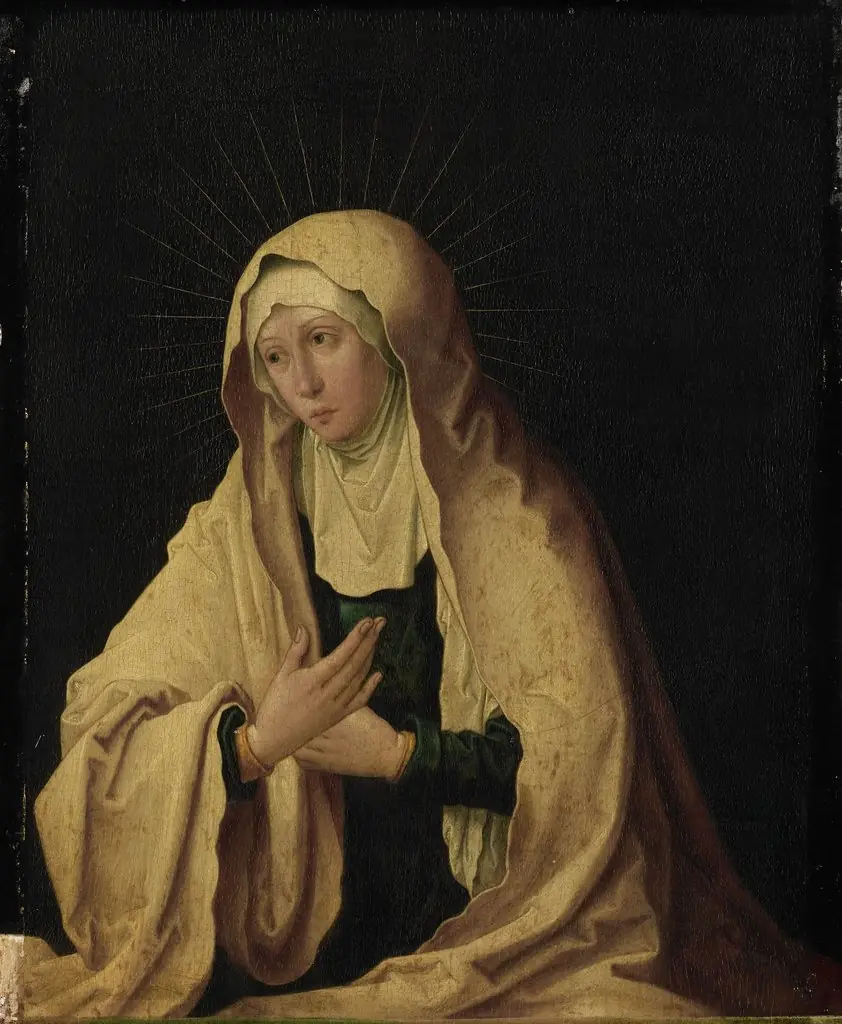 Inner right wing of a diptych with the Virgin as Mater Dolorosa
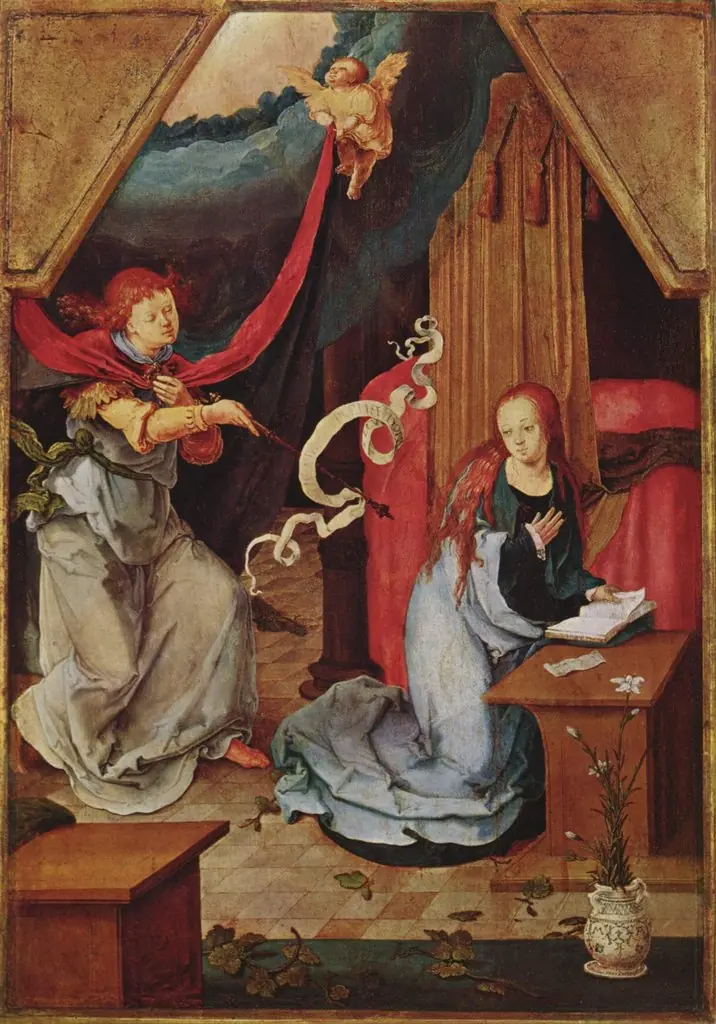 Annunciation
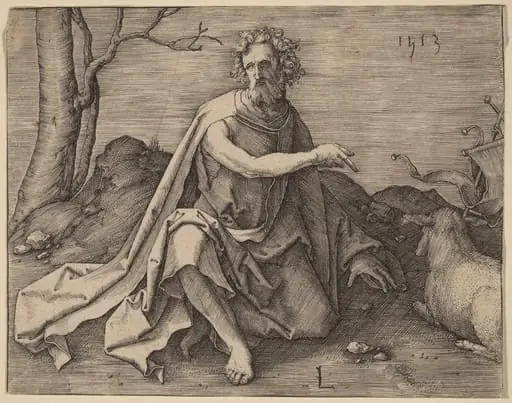 Saint John the Baptist in the Desert
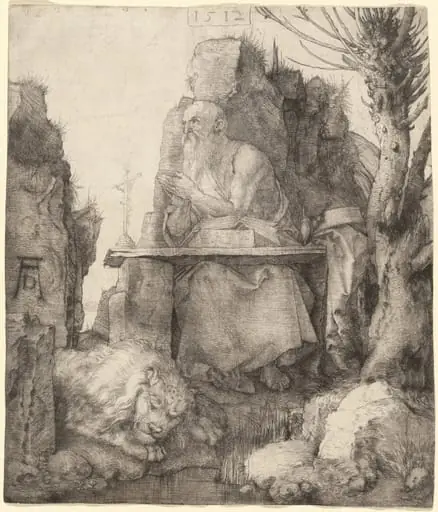 Saint Jerome by the Pollard Willow
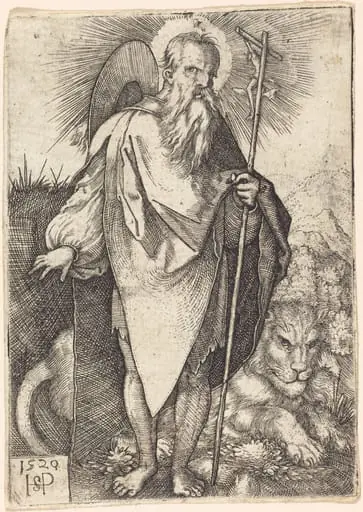 Saint Jerome Standing
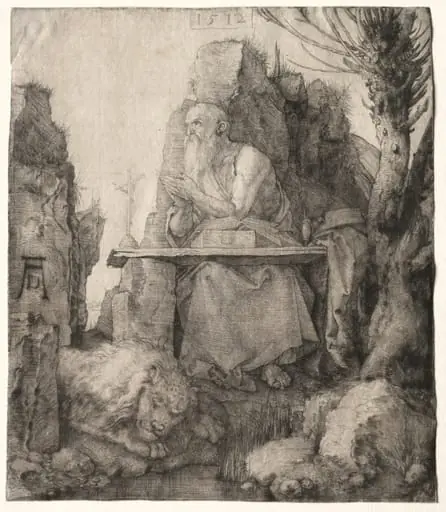 St. Jerome Seated near a Pollard Willow
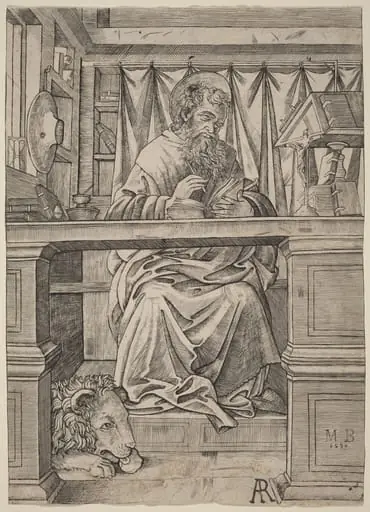 Saint Jerome in His Study
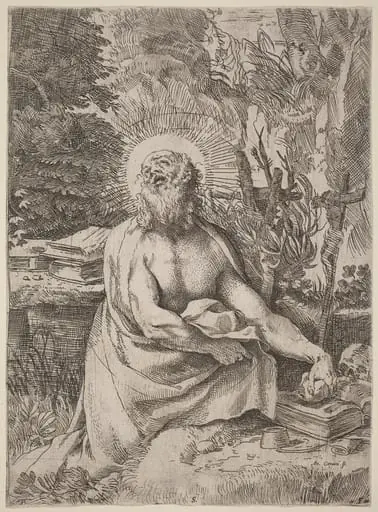 Saint Jerome in the Wilderness
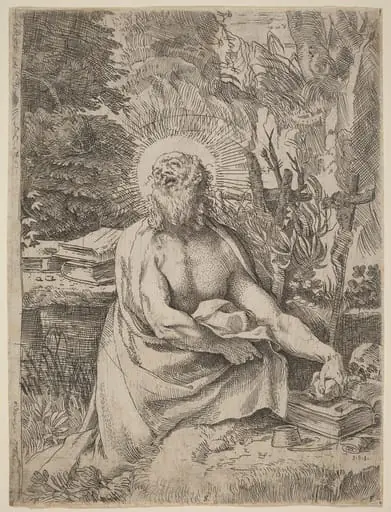 Saint Jerome in the Wilderness
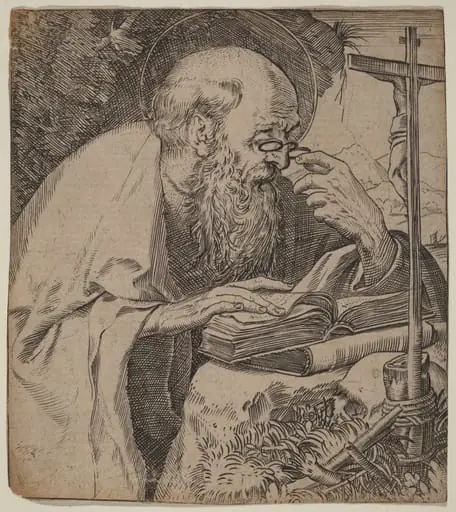 Saint Jerome
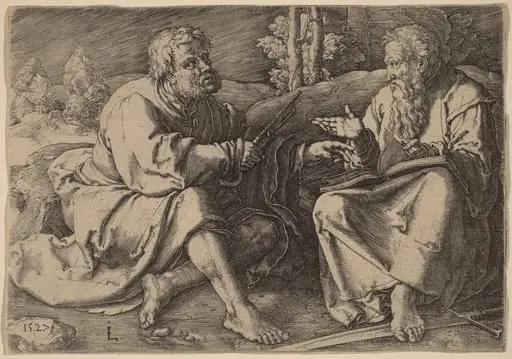 Saints Peter and Paul Seated in a Landscape
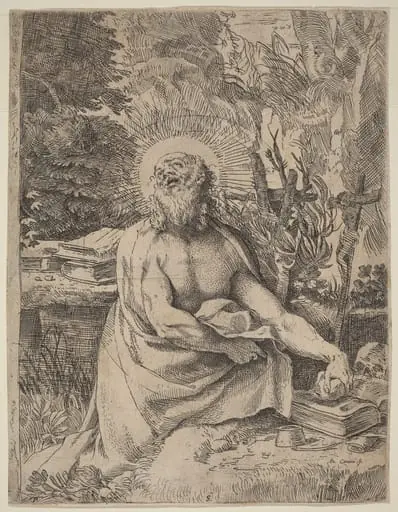 Saint Jerome in the Wilderness
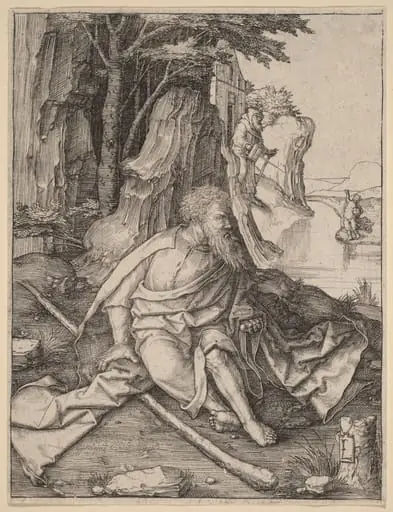 Saint Christopher at the Border of a River
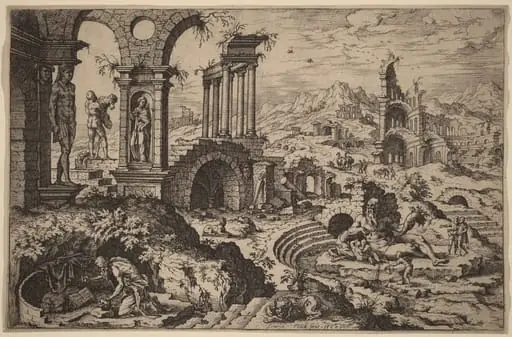 Saint Jerome in a Landscape with Ruins