Artwork
Market Place, Hull
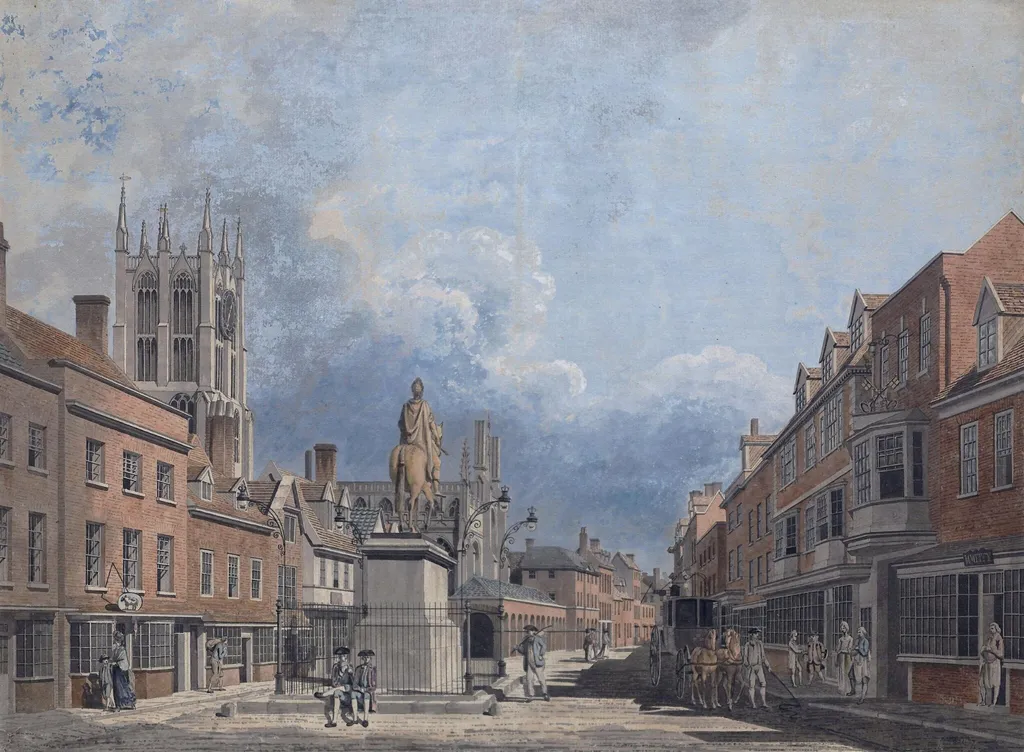
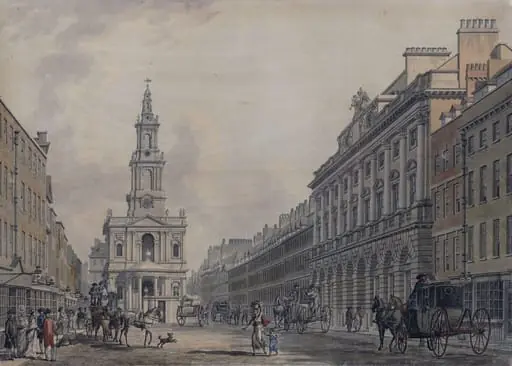
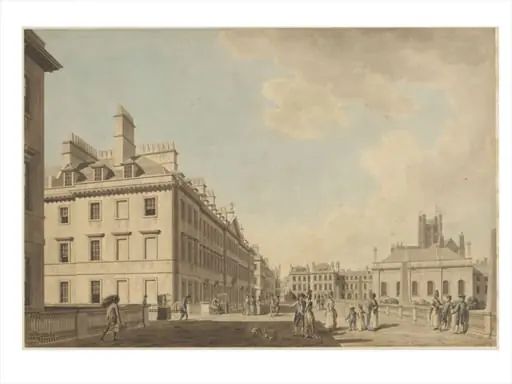
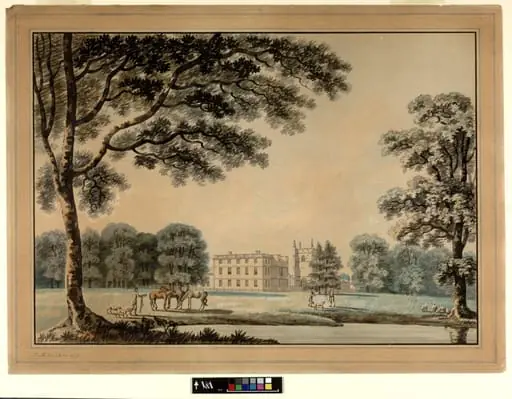
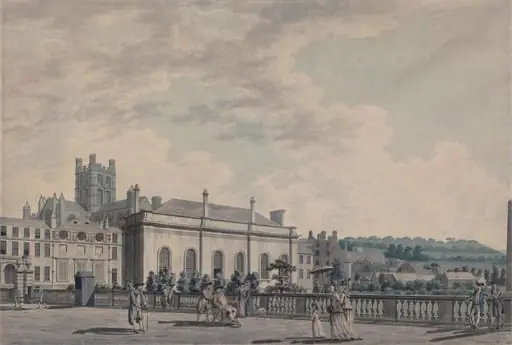
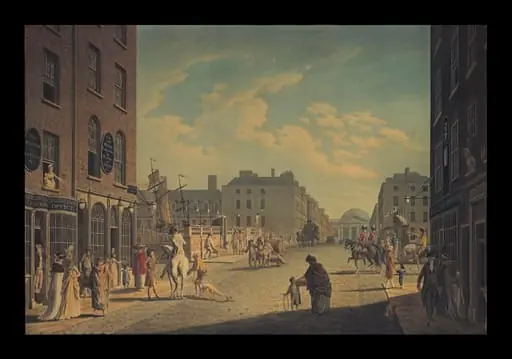
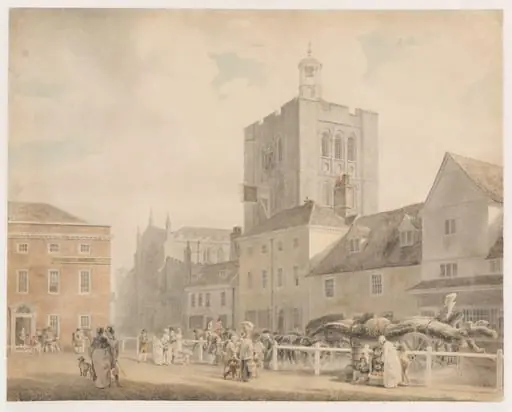
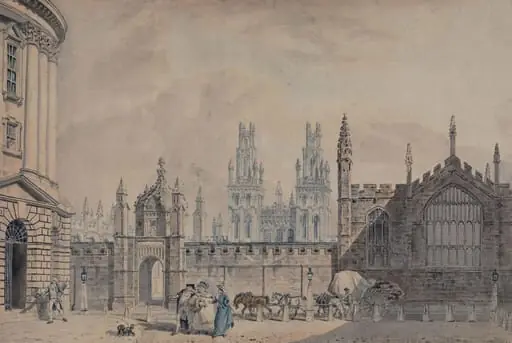
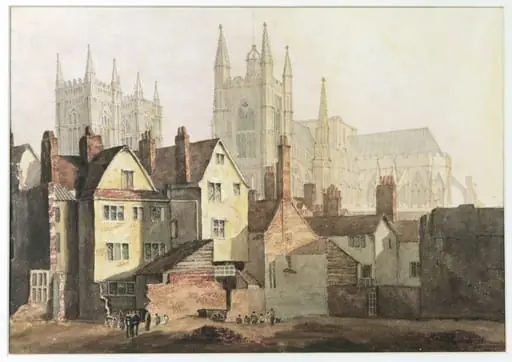
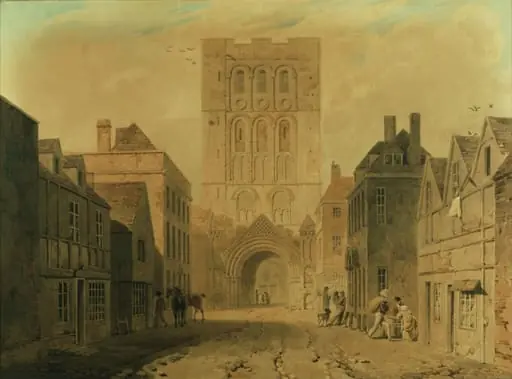
Market Place, Hull is a watercolor work on paper by the Rococo painting artist Malton. It dates from 1770 and is held in the collection of the Victoria and Albert Museum. The watercolor portrays a lively urban square in Hull, centered on an equestrian monument of King William III.
About this work
Overview
The watercolor portrays a lively urban square in Hull, centered on an equestrian monument of King William III. Pedestrians populate the foreground, while a horse‑drawn carriage moves along the right side and surrounding buildings frame the scene beneath a pale, cloud‑dotted sky.
Subject & Meaning
At the heart of the composition stands a bronze‑like statue on a pedestal, enclosed by a low fence, symbolising civic pride. The surrounding figures—walking, standing, seated—suggest everyday commerce and social interaction within the market place.
Technique & Style
The artist employs a muted palette for the architecture, contrasting with brighter tones in the clothing of the figures. Delicate washes render the sky and clouds, while finer brushwork defines the horse, carriage, and architectural details, creating a sense of movement and depth.
History & Provenance
Created as a watercolour, the work records a specific moment in Hull’s public space, likely dating from the late 19th or early 20th century when such market scenes were commonly documented for local archives.
Context
The inclusion of King William III’s statue reflects the historical significance of the monarch’s legacy in the city, while the bustling market illustrates Hull’s role as a commercial hub during the period.
Artist & collection
Artist
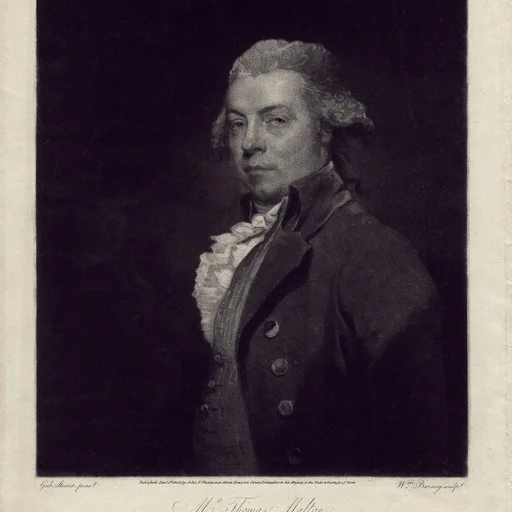
Thomas Malton (1748 – 7 March 1804; also known as Thomas Malton the Younger), was an English painter of topographical and architectural views, and an engraver.