Artwork
The Strand, with Somerset House and St Mary's Church
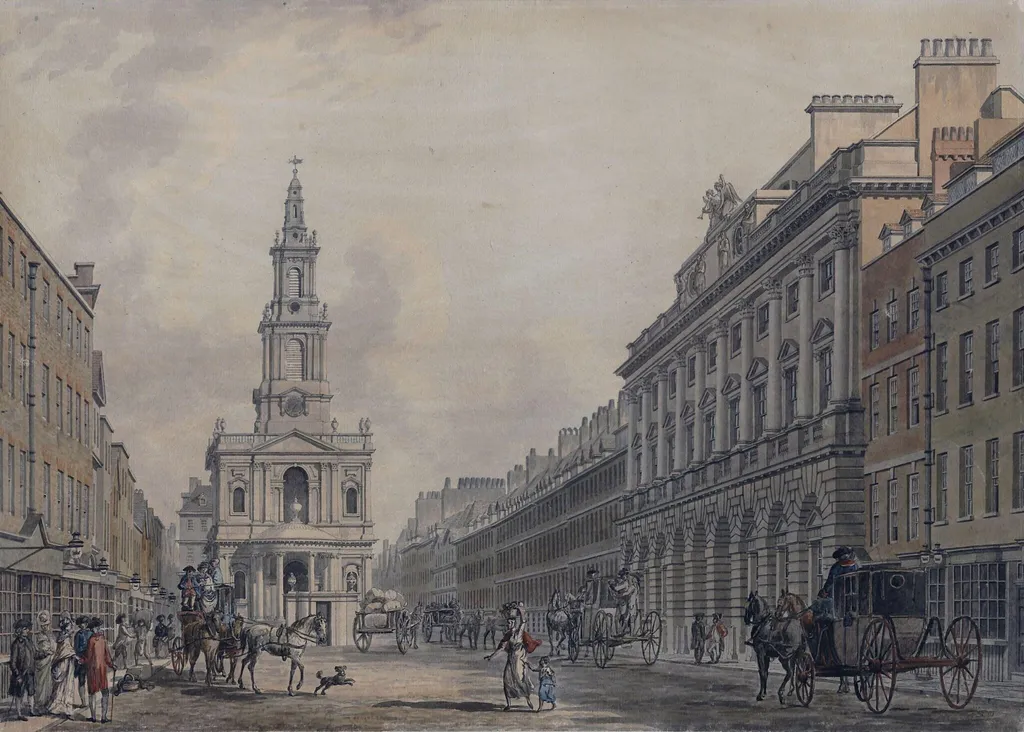
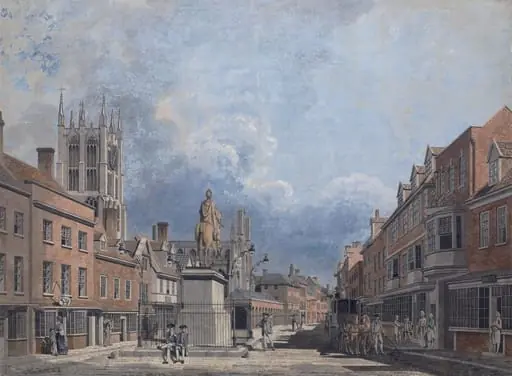
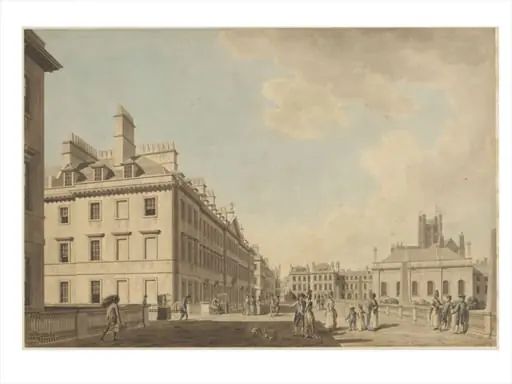
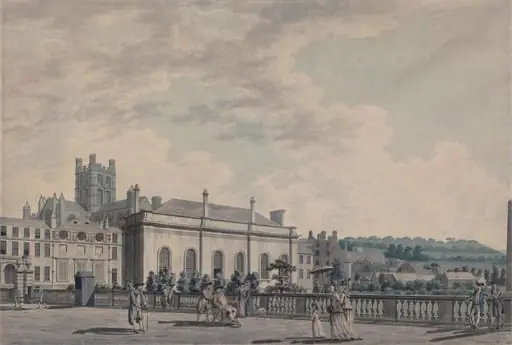
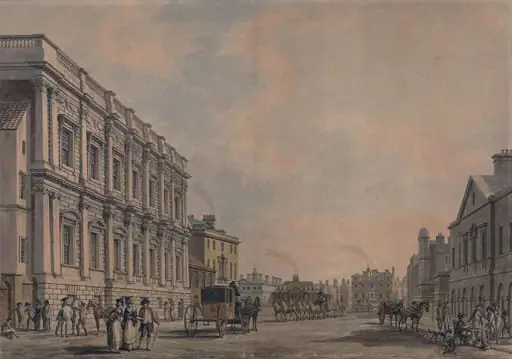
The Strand, with Somerset House and St Mary's Church is a watercolor work on paper by the Rococo painting artist Malton. It dates from 1781 and is held in the collection of the Victoria and Albert Museum. This watercolour captures a stretch of The Strand in London, framing Somerset House and St Mary’s Church as central landmarks.
About this work
Overview
The newly constructed Royal Academy building appears in the composition, reflecting the city’s evolving architectural landscape.
This watercolour captures a stretch of The Strand in London, framing Somerset House and St Mary’s Church as central landmarks. The newly constructed Royal Academy building appears in the composition, reflecting the city’s evolving architectural landscape. Executed with precision, the work belongs to a series of topographical views intended to document urban life with fidelity, later reproduced as aquatints for wider distribution.
Subject & Meaning
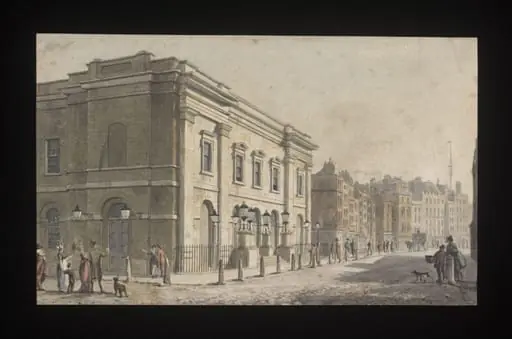
The scene portrays everyday urban activity—pedestrians, horse-drawn carriages, and a dog moving along the pavement—against a backdrop of institutional and religious architecture. Rather than idealizing the city, the artist presents it as a functioning, lived-in space. The inclusion of both historic and modern structures suggests a quiet commentary on London’s transition between tradition and progress during the late 18th century.
Technique & Style
Rendered in watercolour, the painting employs delicate washes to suggest texture and light, with fine linework defining architectural details and figures. The artist avoids dramatic contrasts, favoring a muted palette of brick, stone, and pale sky to enhance realism. Buildings are rendered with measured accuracy, while the human figures are simplified yet distinct enough to convey movement and routine.
History & Provenance
The watercolour was likely shown at the Royal Academy in 1781, establishing the artist’s reputation for urban topography. It was later reproduced as an aquatint in 1796 as part of a published series titled 'accurately delineated' views of London. These prints were intended for a middle-class audience interested in civic identity and urban documentation, making the original work a precursor to commercial topographical publishing.
Context
In the late 1700s, London was expanding rapidly, and artists like Thomas Malton responded by documenting its changing streetscapes. The Strand, as a major thoroughfare connecting the City with Westminster, became a symbol of civic life. Malton’s focus on architecture and pedestrian activity aligned with broader Enlightenment interests in observation, order, and the documentation of the modern world.
Legacy
Malton’s watercolours and their aquatint reproductions helped shape public perception of London’s urban fabric. His methodical approach influenced later topographical artists and contributed to the development of architectural illustration as a distinct genre. Though not widely celebrated in his time, his work remains a valuable record of late Georgian London’s physical and social environment.
Artist & collection
Artist
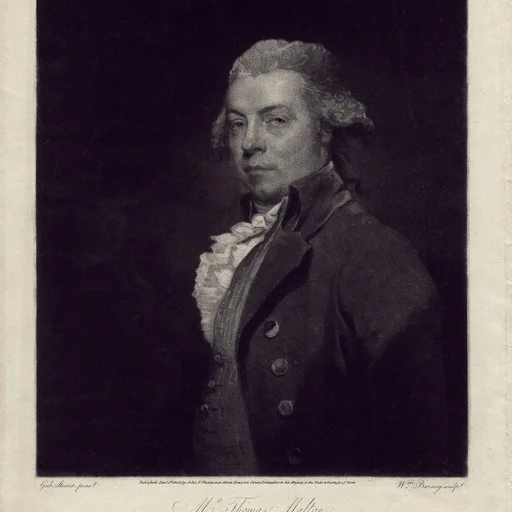
Thomas Malton (1748 – 7 March 1804; also known as Thomas Malton the Younger), was an English painter of topographical and architectural views, and an engraver.