Artwork
Untitled
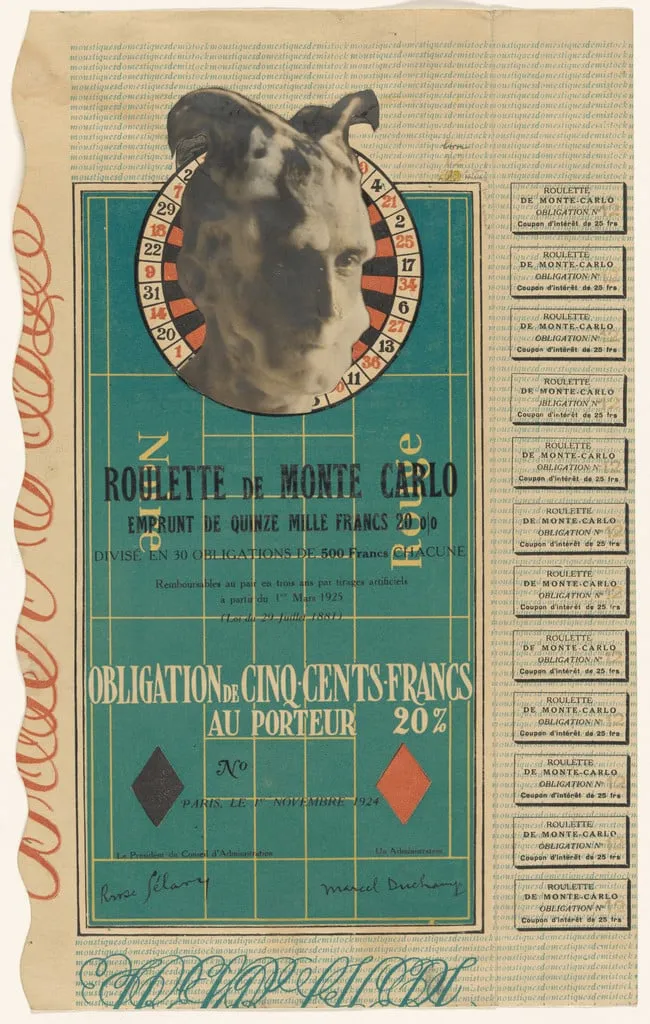
Untitled is an ink drawing by Marcel Duchamp. It dates from 1924 and is held in the collection of the Museum of Modern Art.
About this work
Overview
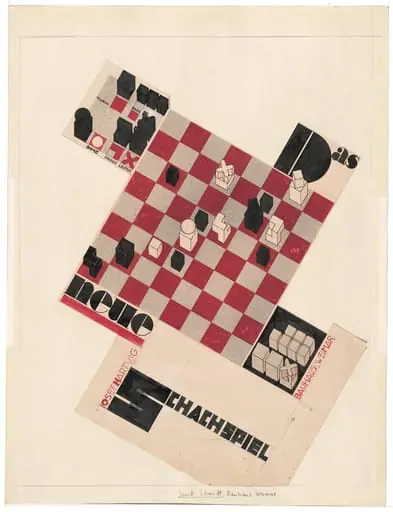
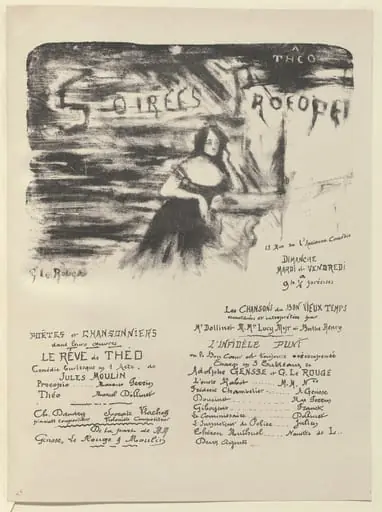
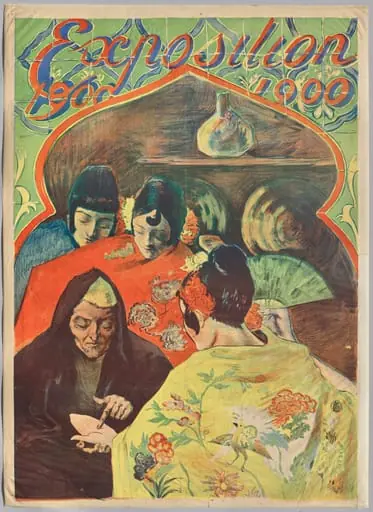
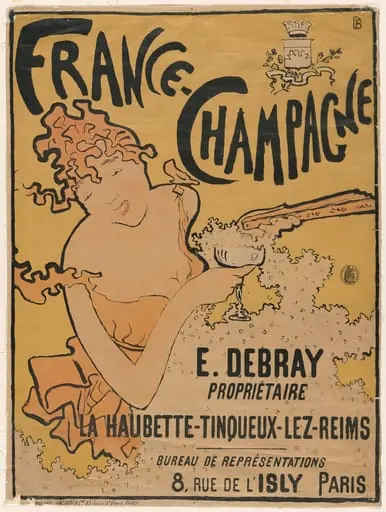
Created in 1924, this work by Marcel Duchamp combines cut-and-pasted photographic elements, lithographic printing, and letterpress text.
Created in 1924, this work by Marcel Duchamp combines cut-and-pasted photographic elements, lithographic printing, and letterpress text. It belongs to a category of works Duchamp termed 'drawings,' though it defies traditional media boundaries. The piece is assembled from disparate printed materials, reflecting his interest in reconfiguring existing visual and textual sources rather than producing original imagery.
Subject & Meaning
The composition includes a black-and-white portrait, a roulette wheel with red and black numerals, and a grid bearing French text referencing Monte Carlo gambling and financial obligation. These elements suggest a meditation on chance, value, and systems of control. Duchamp juxtaposes personal identity, games of luck, and economic language to question the stability of meaning and the authority of institutions.
Technique & Style
Duchamp assembled the work through collage, layering gelatin silver prints onto a lithographic base and overlaying letterpress text. The mix of photographic realism, mechanical printing, and typographic contrast creates a fragmented visual rhythm. Colors are deliberately limited—black, white, and the red-black of the wheel—emphasizing structure over decoration and reinforcing the work’s conceptual rigor.
History & Provenance
Made during Duchamp’s time in New York, where he lived from 1915 until his death in 1968, this piece emerged from his engagement with Dada and early conceptual practices. It was not exhibited publicly until decades later, and its origins remain tied to his private experiments with reproduction and textual disruption. Its provenance reflects its status as a studio work, not a commissioned or commercial object.
Context
In the 1920s, Duchamp distanced himself from traditional art production, favoring intellectual play and institutional critique. This work aligns with his broader interest in chance operations and the dematerialization of the art object. It responds to the rise of mass media, advertising, and financial systems, using their own visual languages to expose their underlying logic.
Legacy
This piece exemplifies Duchamp’s influence on later conceptual and postmodern practices, particularly in the use of found imagery and textual ambiguity. It anticipates artists who would treat language, reproduction, and systems as artistic material. Its quiet complexity, devoid of spectacle, continues to inform approaches to art that prioritize idea over form.
Artist & collection
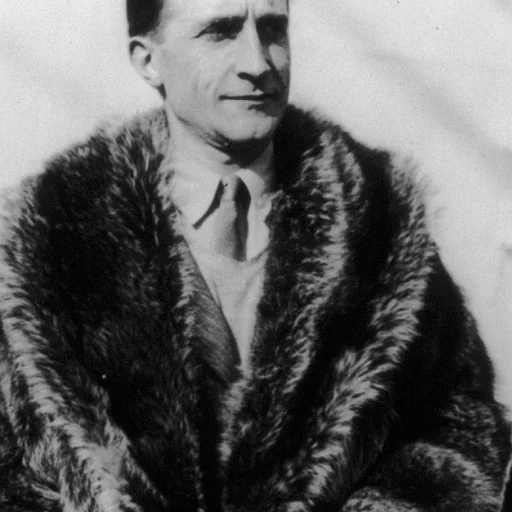
Artist
Henri-Robert-Marcel Duchamp (UK: , US: ; French: ; 28 July 1887 – 2 October 1968) was a French American artist, chess player, and inventor who played a key role in the development of the avant-garde in the United States…