Artwork
Henry Cary, Earl of Monmouth
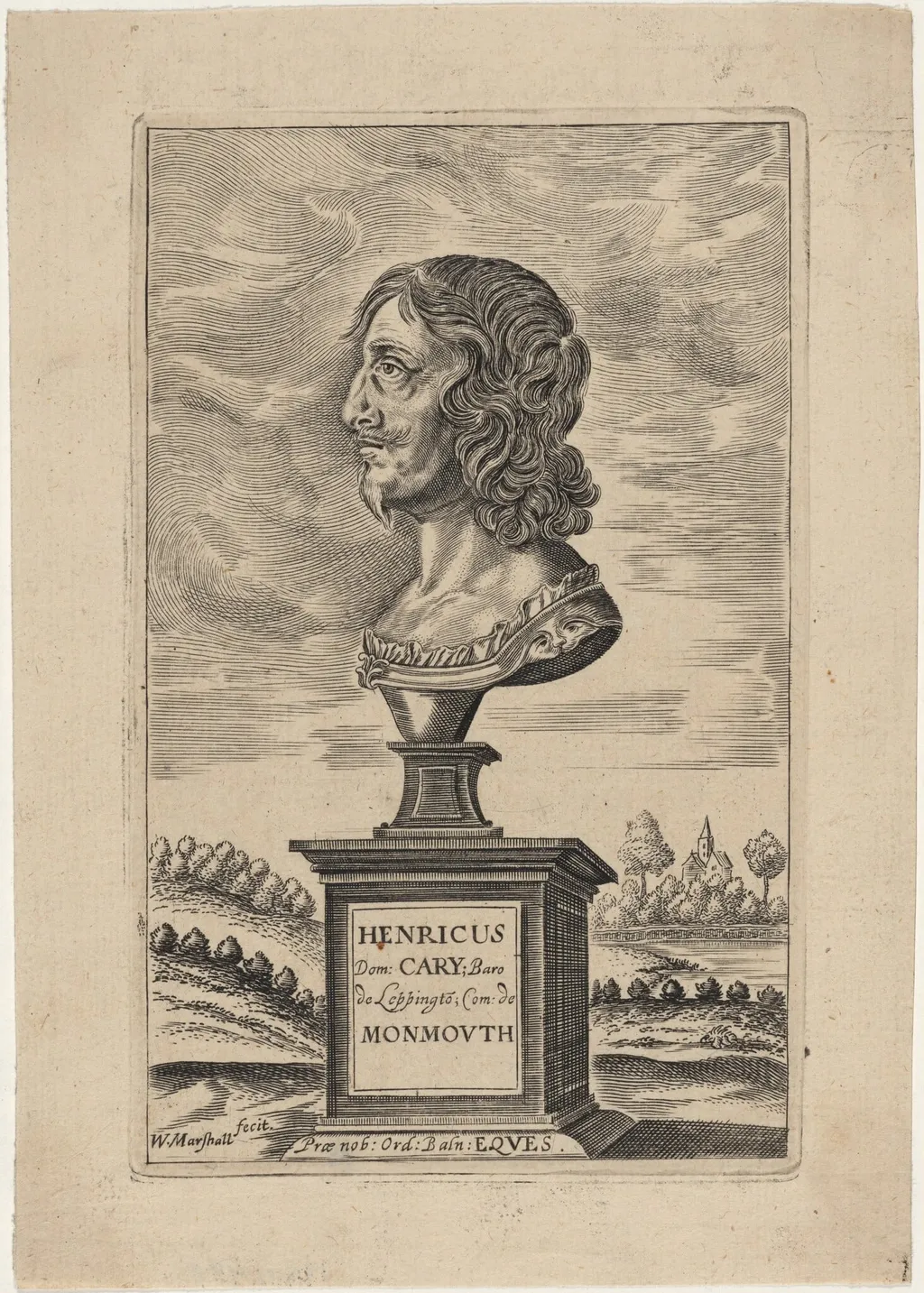
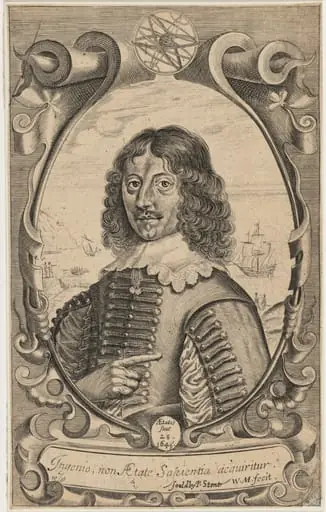
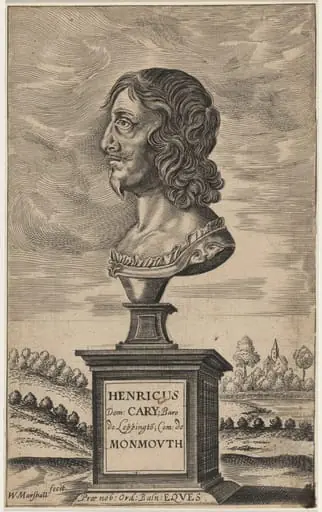
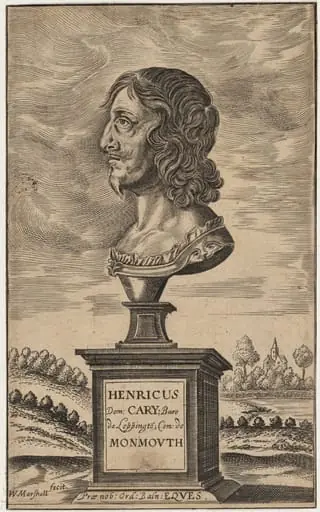
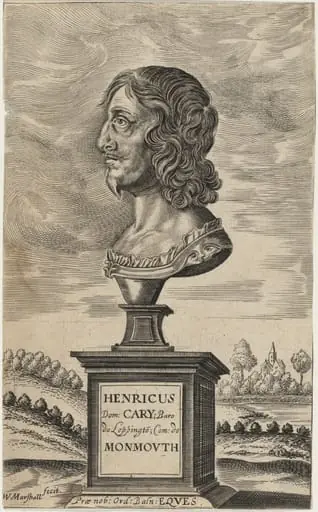
Henry Cary, Earl of Monmouth is an ink print by the Baroque artist William Marshall. It dates from 1649 and is held in the collection of the National Gallery of Art.
About this work
Overview
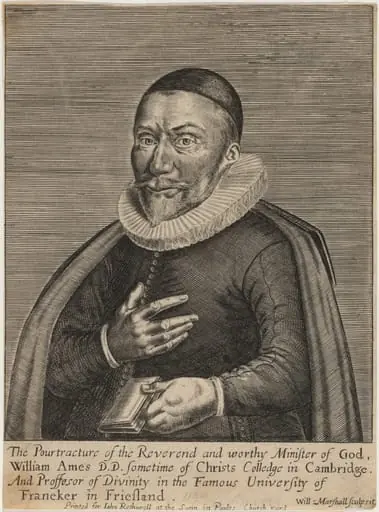
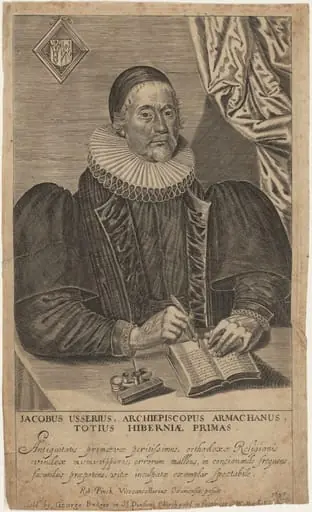
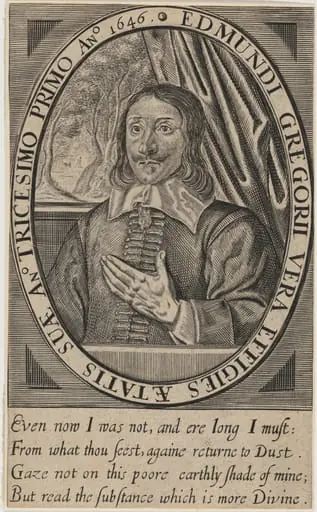
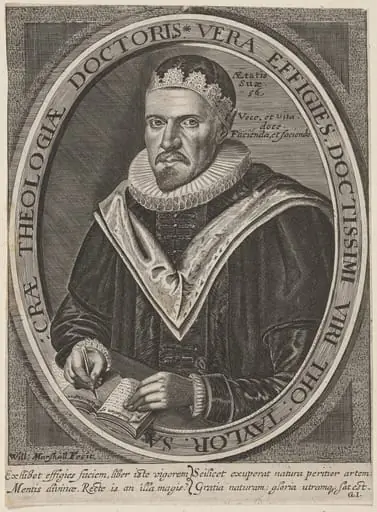
This 1649 engraving by William Marshall depicts Henry Cary, Earl of Monmouth, a nobleman active during the English Civil War.
This 1649 engraving by William Marshall depicts Henry Cary, Earl of Monmouth, a nobleman active during the English Civil War. Executed in black ink on paper, the print captures the subject in formal attire, reflecting his status and the conventions of portraiture in mid-17th-century England. The work belongs to a tradition of engraved likenesses used for commemoration and circulation among elite circles.
Subject & Meaning
Henry Cary, Earl of Monmouth, was a prominent Royalist figure whose political alignment placed him at odds with the Parliamentarian regime. The portrait, produced shortly after his death, likely served to preserve his image and legacy during a period of upheaval. The dignified bearing and detailed attire suggest an effort to convey authority and continuity amid national instability.
Technique & Style
Marshall employed fine-line engraving to render texture and form with precision. Delicate hatching defines the lace collar, fabric folds, and facial contours, emphasizing the subject’s individuality. The controlled use of line and tone reflects the technical discipline of the medium, where each stroke was incised into a metal plate, requiring both skill and patience to achieve subtle gradations.
History & Provenance
Created in 1649, the engraving emerged during the Interregnum, when traditional aristocratic imagery was under pressure. Its production suggests continued demand for noble portraiture despite political change. The print likely circulated among Royalist sympathizers, serving as a quiet act of cultural preservation. Early ownership records are sparse, but surviving impressions are held in major print collections.
Context
Engraved portraits like this one were common among the English gentry before and during the Civil War, functioning as both personal mementos and political statements. With painting supplies scarce and royal patronage disrupted, engraving offered a durable, reproducible alternative. Marshall’s work aligns with a broader trend of using print to sustain identity when traditional forms of representation were compromised.
Legacy
The engraving remains a documented example of how portraiture adapted during the Commonwealth era. It illustrates the resilience of aristocratic imagery through print, offering insight into how elite identities were maintained visually despite political upheaval. Modern scholars reference it in studies of Civil War-era visual culture and the role of print in shaping historical memory.
Artist & collection