Artwork
James, First Duke of Hamilton, as Marquis
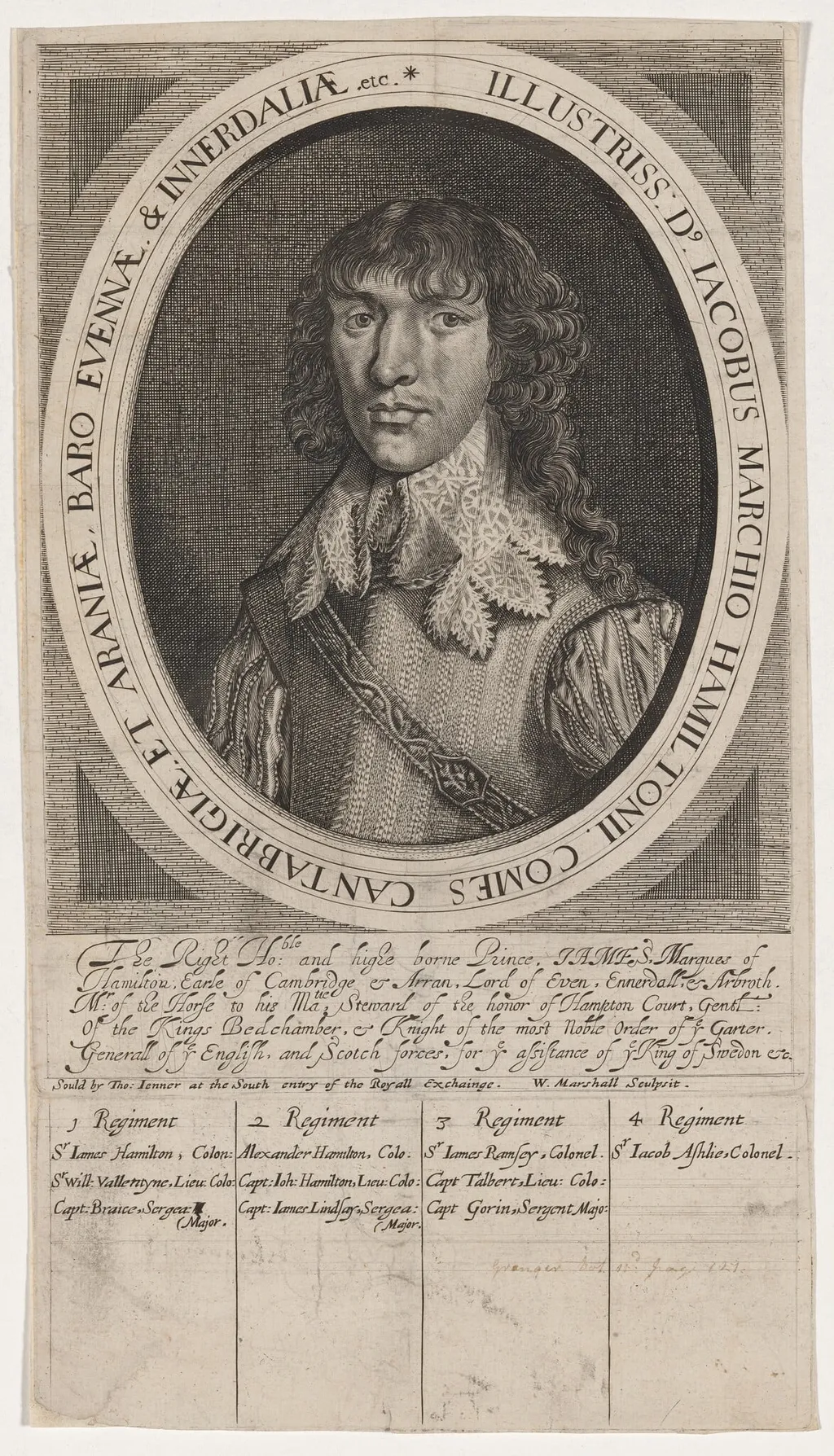
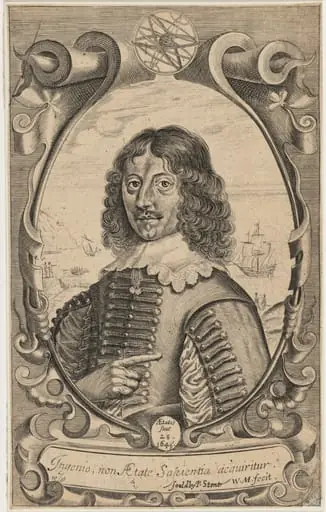
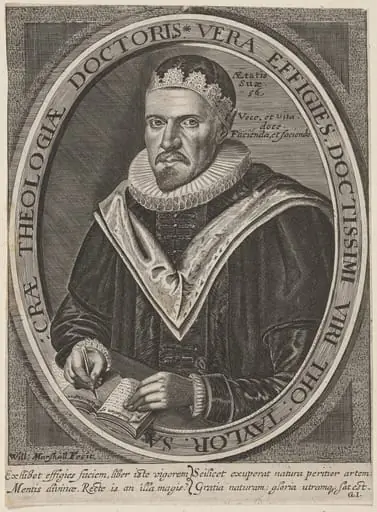
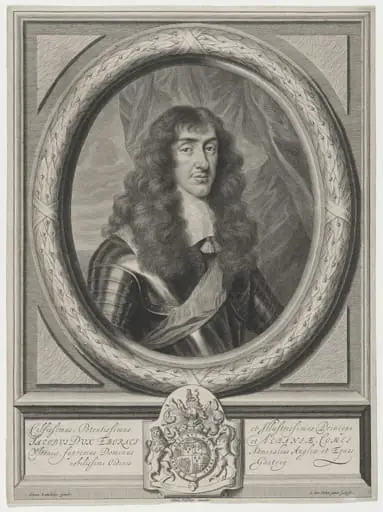
James, First Duke of Hamilton, as Marquis is an ink print by the Renaissance artist William Marshall. It dates from 1623 and is held in the collection of the National Gallery of Art.
About this work
Overview
William Marshall’s 1623 engraving presents James Hamilton, later the first Duke of Hamilton, depicted in the attire of a marquis. Rendered in black and white, the portrait shows the sitter in a dark coat with a richly detailed collar, his hair curled at the edges, and a composed, forward‑gazing expression against an unadorned backdrop.
Subject & Meaning
The image identifies Hamilton by his titles, emphasizing his high rank and military responsibilities. By portraying him in formal dress and a solemn pose, the work reinforces his status as a leading nobleman and commander in early‑17th‑century Scotland, serving both as a personal likeness and a statement of authority.
Technique & Style
Executed through copper engraving, Marshall employed fine, parallel lines to model light and shadow, giving texture to the fabric and depth to the facial features. The delicate hatching creates subtle tonal variations, while the surrounding ornamental border—filled with a circular inscription and a list of names—demonstrates the period’s penchant for integrating textual elements into portrait prints.
History & Provenance
Created in 1623, the print was likely issued shortly after Hamilton’s elevation to ducal rank, serving as a commemorative image for his circle. Copies would have circulated among aristocratic patrons and military associates, contributing to Hamilton’s public image. The work now resides in collections that document early modern British portraiture and the printmaking practices of the Stuart era.
Artist & collection

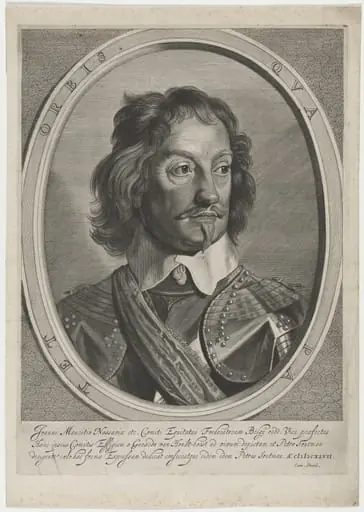 John Maurice, Count of Nassau
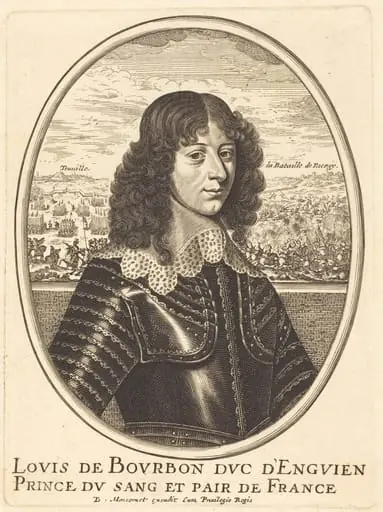 Louis II de Bourbon-Condé
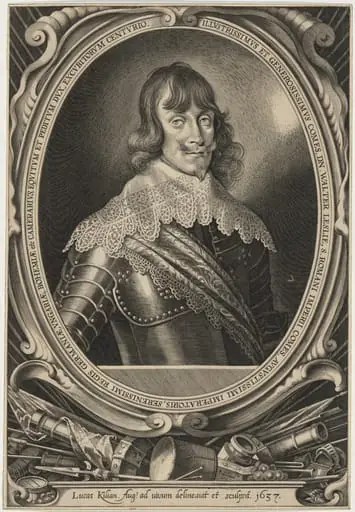 Walter Leslie (Count Leslie)
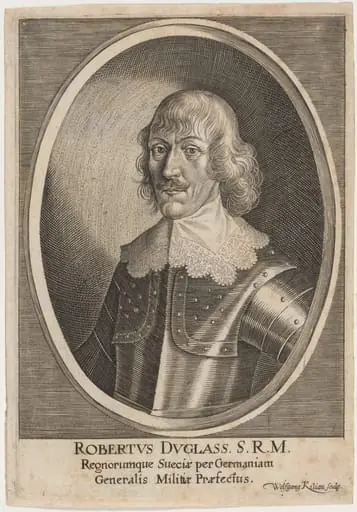 Robert Duglass, Swedish General
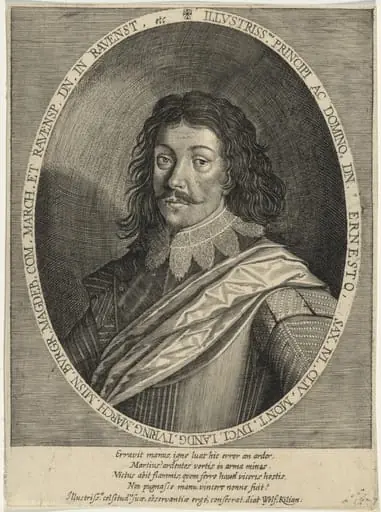 Prince Ernest, Duke of Saxony and Cleves
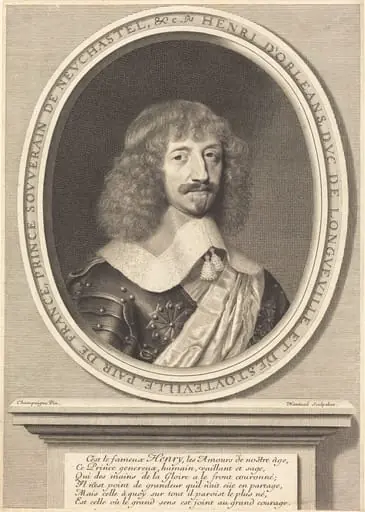 Henri II d'Orléans, Duc de Longueville
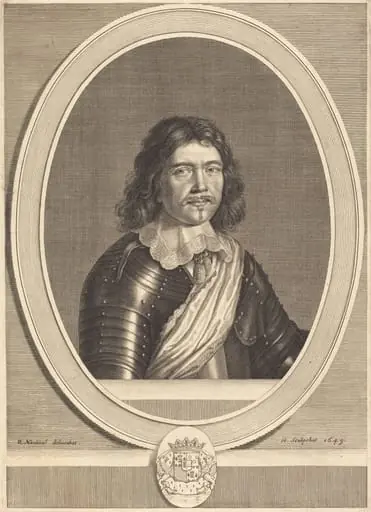 Frederic-Maurice, Duc de Bouillon
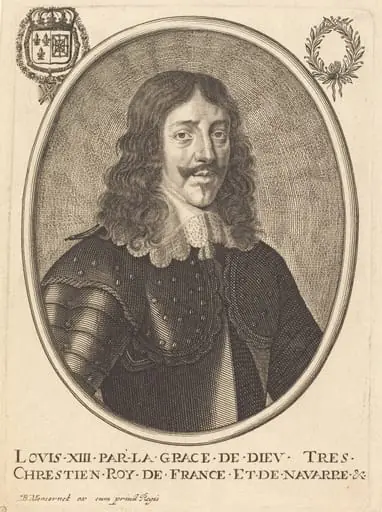 Louis XIII, King of France
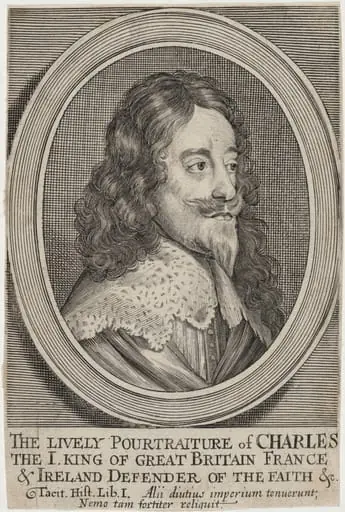 Charles I
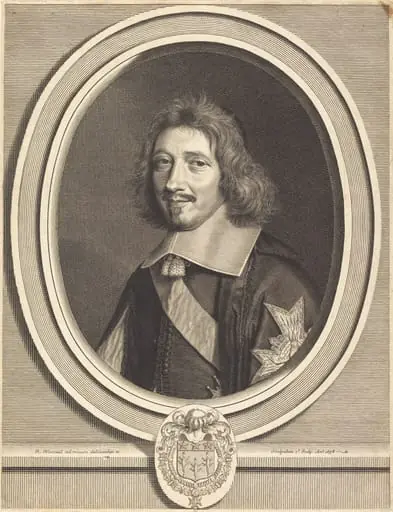 Chancellor Michel Le Tellier
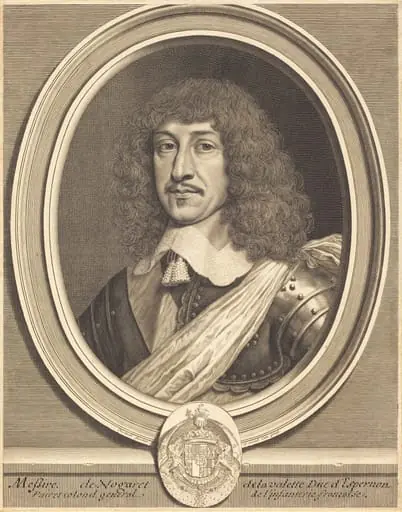 Bernard, Duc d'Epernon
 James II, Duke of York