Artwork
Sir Thomas Fairfax, General of the Forces Raised by Parliament
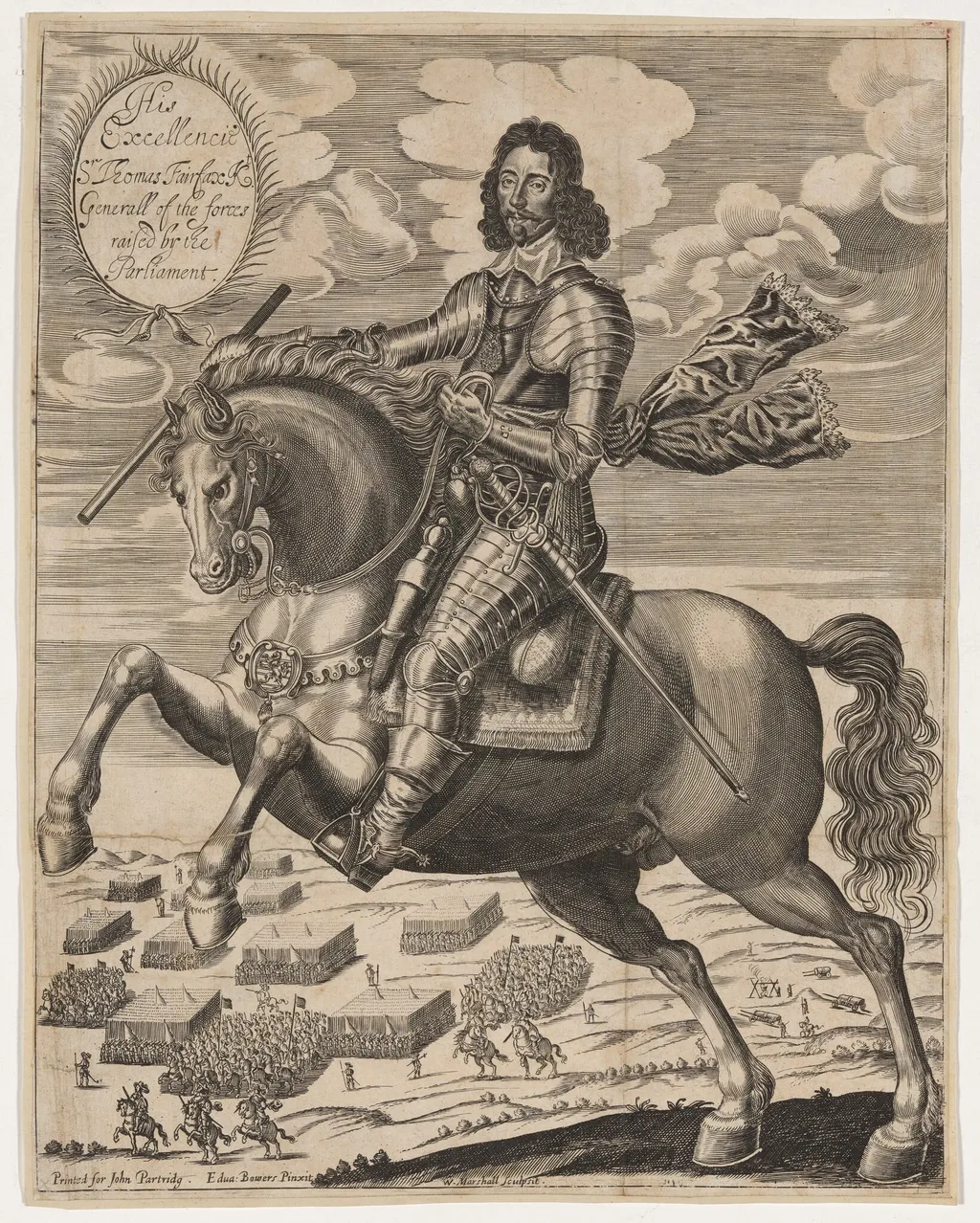
Sir Thomas Fairfax, General of the Forces Raised by Parliament is an ink print by the Baroque artist William Marshall. It dates from 1647 and is held in the collection of the National Gallery of Art.
About this work
Overview
William Marshall’s 1647 engraving portrays Sir Thomas Fairfax, the commander of Parliament’s army during the English Civil War.
William Marshall’s 1647 engraving portrays Sir Thomas Fairfax, the commander of Parliament’s army during the English Civil War. The image presents Fairfax mounted on a rearing horse, clad in full armor, brandishing a sword and a scroll, with a caption identifying him as “General of the forces raised by the Parliament.” The composition includes miniature battle vignettes in the lower background, suggesting a broader martial context.
Subject & Meaning
The print emphasizes Fairfax’s leadership and martial authority, positioning him as a heroic figure overseeing organized troops. The scroll he holds may symbolize official orders or a declaration of command, while the surrounding scenes of soldiers and cannons reinforce his role in directing a disciplined fighting force. The dynamic pose of the horse adds a sense of vigor and readiness for battle.
Technique & Style
Marshall employed the traditional copper‑plate engraving process, incising fine lines and cross‑hatching to render the metallic sheen of armor and the musculature of the horse. Subtle gradations of tone create depth, particularly in the figure’s attire and the surrounding battlefield details. The intricate miniature scenes are achieved through meticulous line work, a hallmark of mid‑seventeenth‑century printmaking.
History & Provenance
Created in 1647, the engraving was likely produced for contemporary audiences supportive of the Parliamentary cause. Copies would have circulated among supporters and possibly served as propaganda reinforcing Fairfax’s legitimacy as commander. The work is now held in several public collections, reflecting its value as a visual record of a key military leader of the period.
Artist & collection

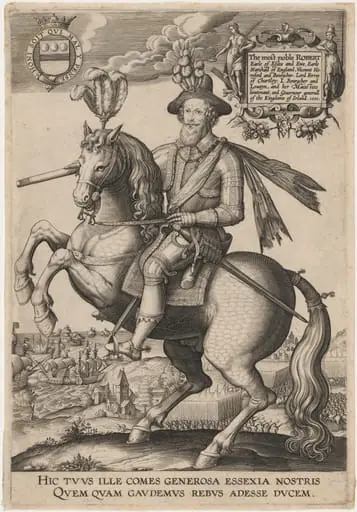 Robert Devereux, Second Earl of Essex
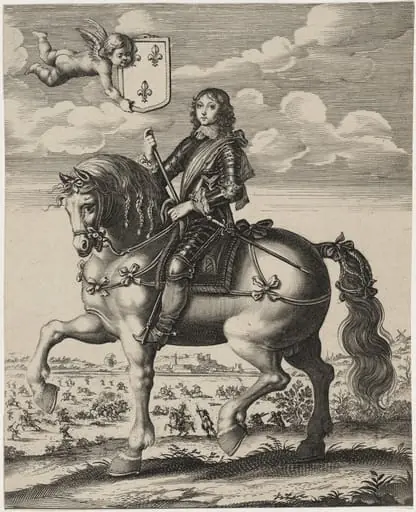 Philip, Duc d'Orléans, Brother of Louis XIV
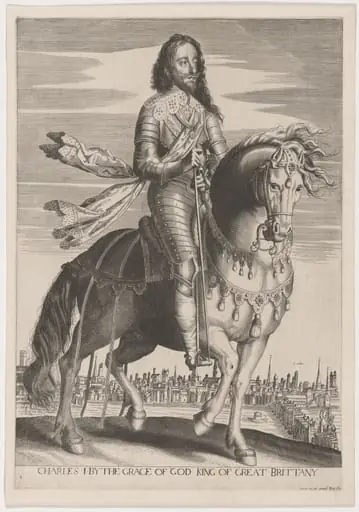 Charles I on Horseback
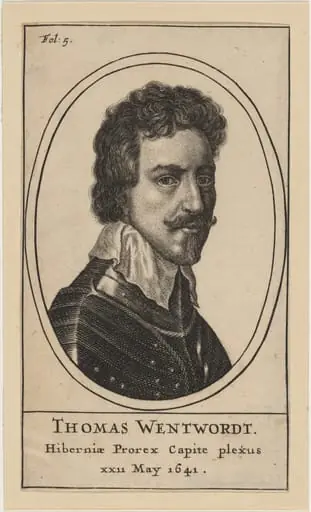 Thomas Wentworth, Earl of Strafford
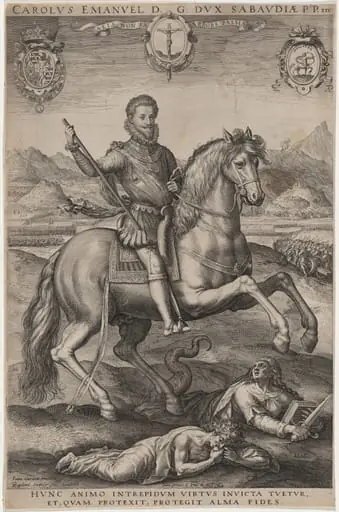 Charles Emmanuel, Prince of Piedmont
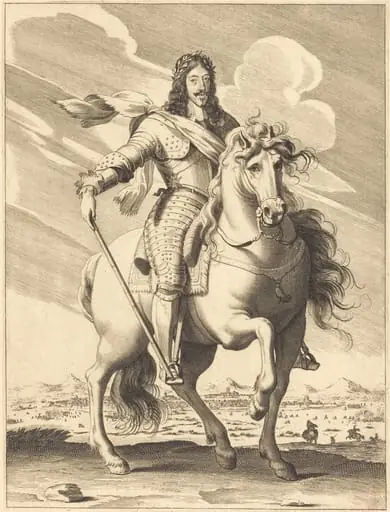 Louis XIII
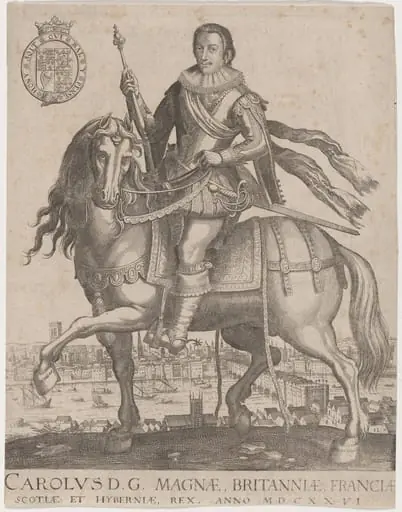 Charles I
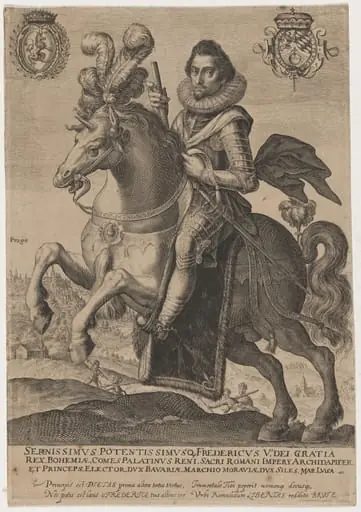 Frederick, King of Bohemia
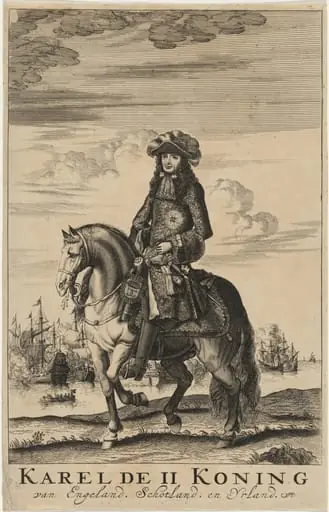 Charles II on Horseback
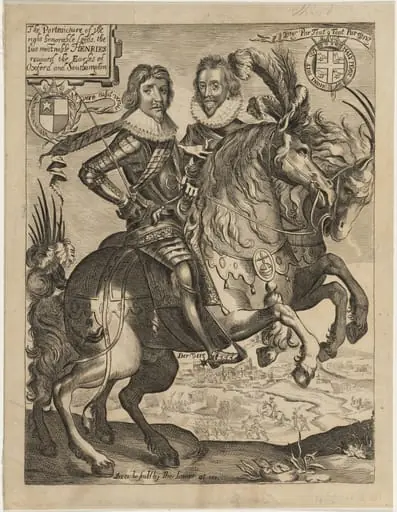 Henry de Vere, 18th Earl of Oxford and Henry Wriothsly, 3rd Earl of Southampton
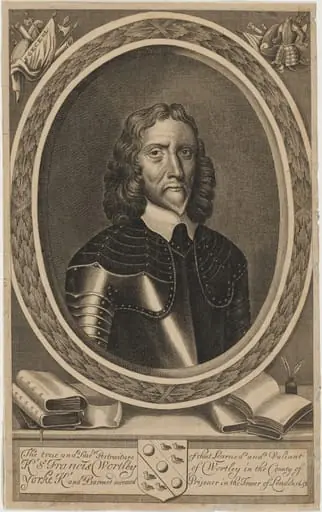 Sir Thomas Worthy
 Frederick Henry, Prince of Orange