Artwork
The Resurrection
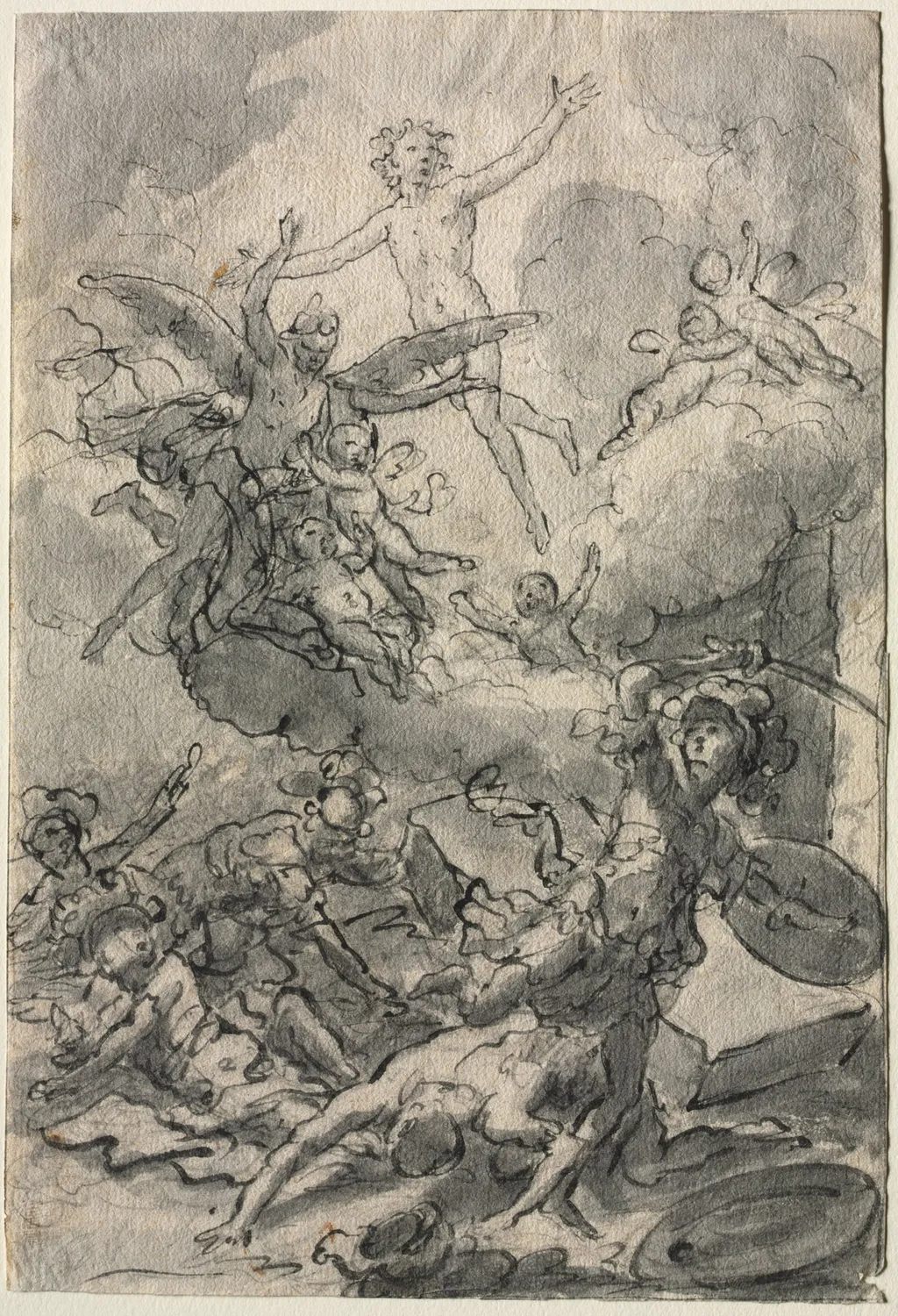
The Resurrection is a drawing by Martin Johann Schmidt. It dates from 1768 and is held in the collection of the Cleveland Museum of Art.
About this work
Overview
Created around 1768, this drawing by Martin Johann Schmidt, known as Kremser Schmidt, depicts the Resurrection of Christ.
Created around 1768, this drawing by Martin Johann Schmidt, known as Kremser Schmidt, depicts the Resurrection of Christ. A prominent figure in late Baroque Austrian art, Schmidt spent most of his career in Stein, Lower Austria, producing religious imagery for ecclesiastical patrons. Though primarily a painter, this work is a preparatory drawing that reveals his approach to composition and movement, reflecting his deep engagement with sacred narrative.
Subject & Meaning
The scene captures Christ emerging from the tomb, radiating divine light as he ascends above the sleeping guards. The moment is rendered not as serene triumph but as a forceful, supernatural event. The figures below, overwhelmed by shock and awe, underscore the theological weight of the resurrection as a rupture in the natural order, central to Christian belief and frequently depicted in Austrian devotional art of the period.
Technique & Style
Schmidt employs chiaroscuro to model form and heighten emotional intensity, using stark contrasts between light and shadow to define Christ’s luminous body against the darkness of the tomb. His figures are elongated and dynamically posed, showing the influence of northern Italian Mannerism and Venetian painting. The drawing’s fluid lines and layered hatching suggest a rapid, expressive hand, characteristic of his preparatory process for larger altarpieces.
History & Provenance
Schmidt, born in 1718 in Grafenwörth to a sculptor, trained under Gottlieb Starmayr and remained based in Stein for most of his life. This drawing likely served as a study for a commissioned altarpiece, possibly for a monastery or parish church in Lower Austria. While the exact original commission is unrecorded, its stylistic features align with works he produced for religious institutions between the 1750s and 1780s.
Context
In mid-18th-century Austria, religious art remained central to ecclesiastical identity, even as Enlightenment ideas gained ground. Schmidt’s work bridged late Baroque drama and emerging Rococo elegance, responding to local tastes for emotionally charged devotional imagery. His exposure to Italian art, likely through prints and travel, informed his figure style, distinguishing his output from more rigid Germanic traditions of the time.
Legacy
Kremser Schmidt’s drawings and paintings helped define the visual language of Austrian religious art in the decades before Neoclassicism. Though less known internationally, his influence endured regionally through his students and the continued presence of his works in churches. This drawing exemplifies his ability to translate theological themes into visceral, human moments, preserving a distinctly Central European approach to sacred narrative.
Artist & collection
Artist
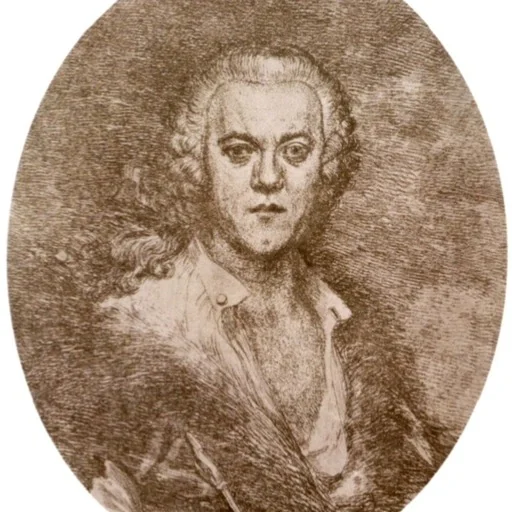
Martin Johann Schmidt, called Kremser Schmidt or Kremserschmidt, (25 September 1718 – 28 June 1801), was one of the outstanding Austrian painters of the late Baroque/Rococo along with Franz Anton Maulbertsch.

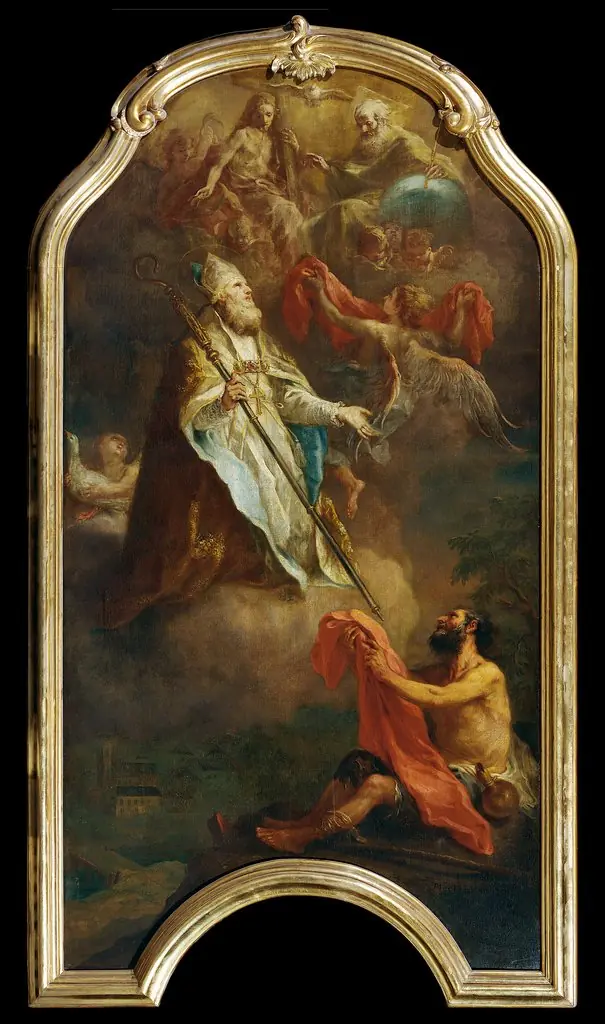
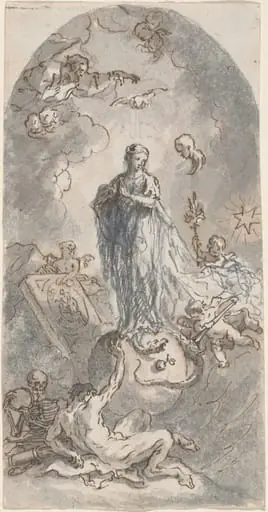
 Virgin of the Immaculate Conception
 Anniversary of the Plague at Palermo
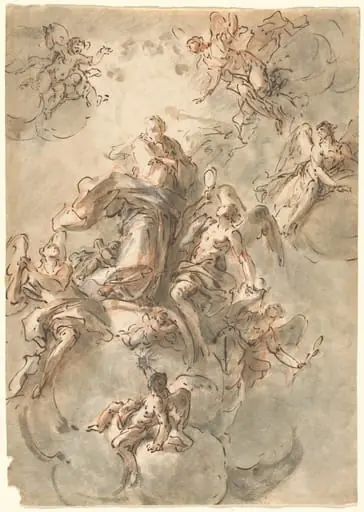
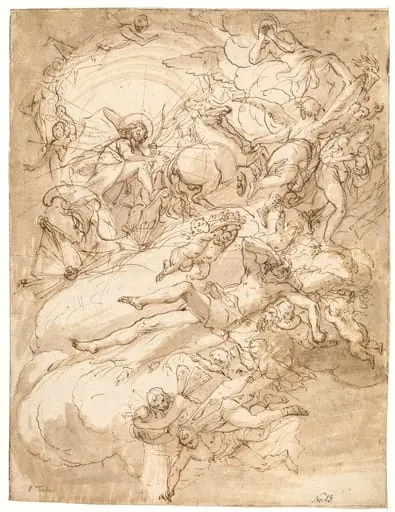 Apollo in his chariot, design for a ceiling painting
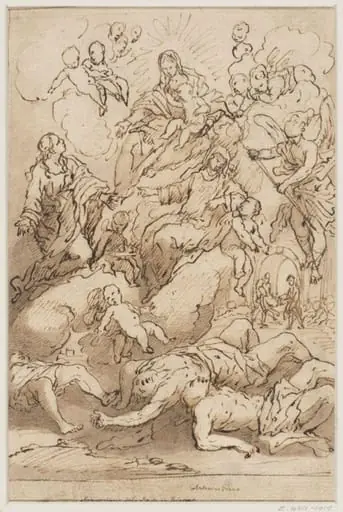
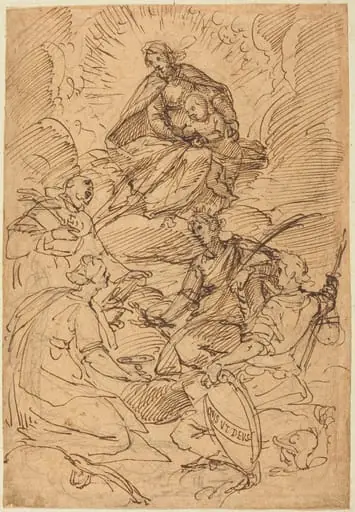 The Madonna and Child in Glory Adored by Saints
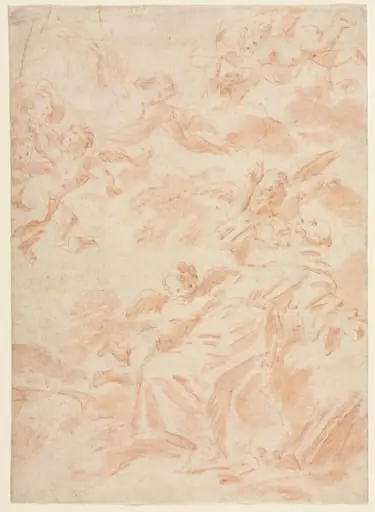 The Stigmatization of Saint Francis
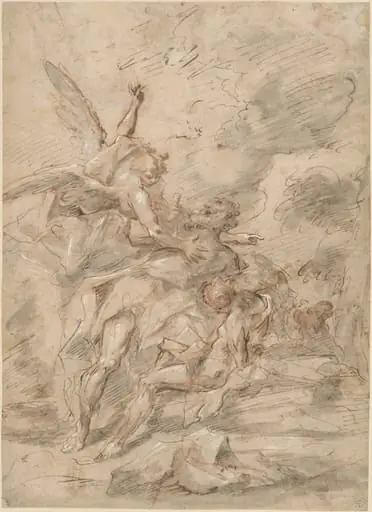 The Sacrifice of Isaac
![Biblical Scene [verso], by Sebastiano Ricci](https://artifactworldgallery.com/img/sebastiano-ricci--biblical-scene-verso--d33f1e2abb3d29f7-w320.webp) Biblical Scene [verso]
Biblical Scene [verso] The Apotheosis of San Vitale
 The Apotheosis of San Vitale
 Venus as a Huntress Appearing to Aeneas and Achates
 Study for an oval painting
 The Triumph of Virtue and Divine Wisdom