Artwork
Memento Mori
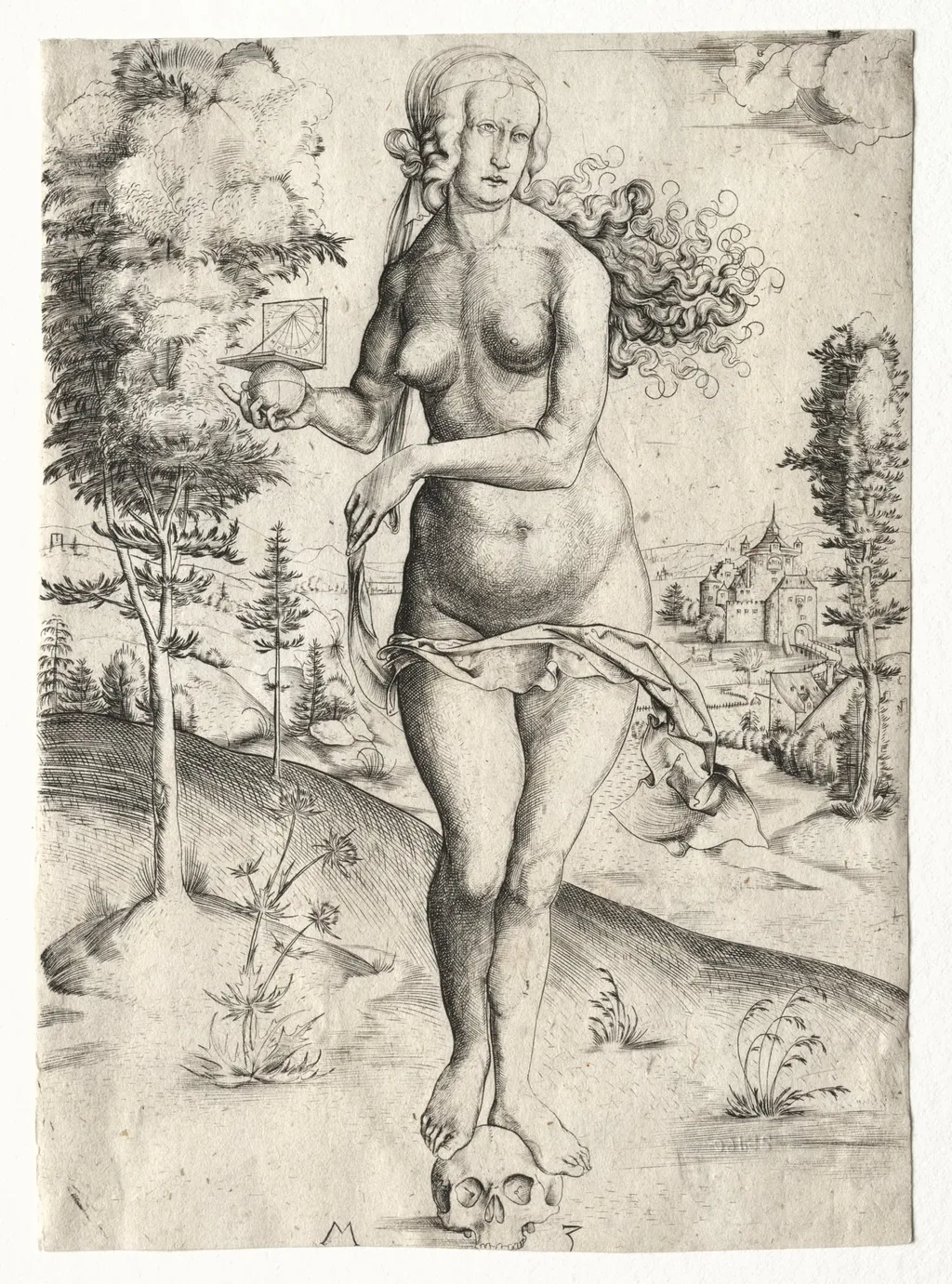
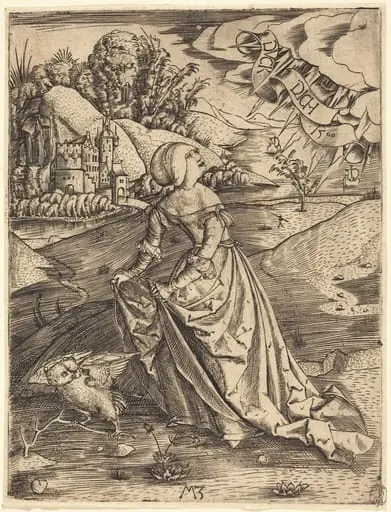
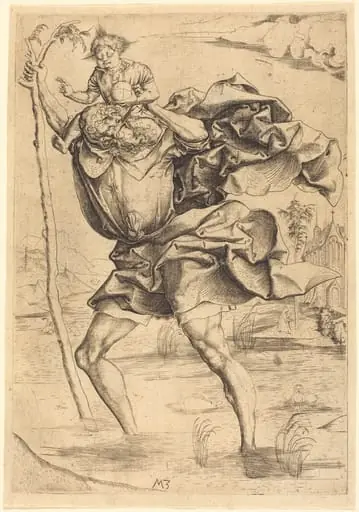
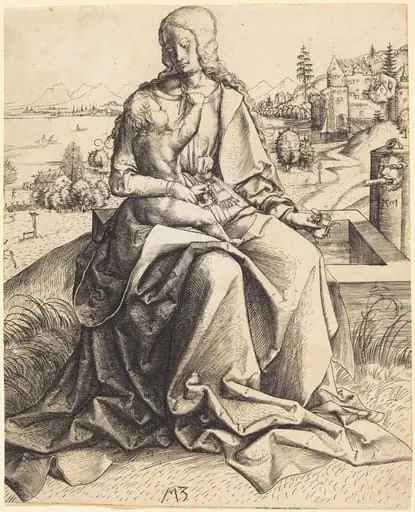
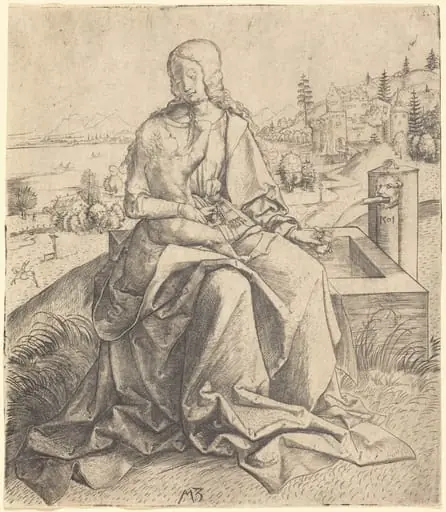
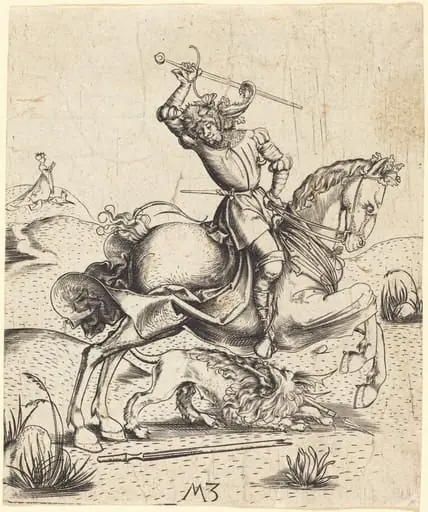
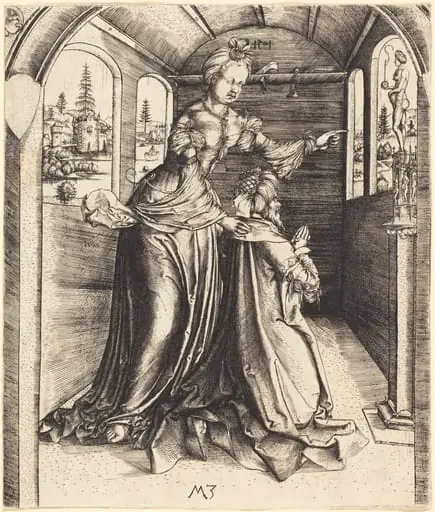
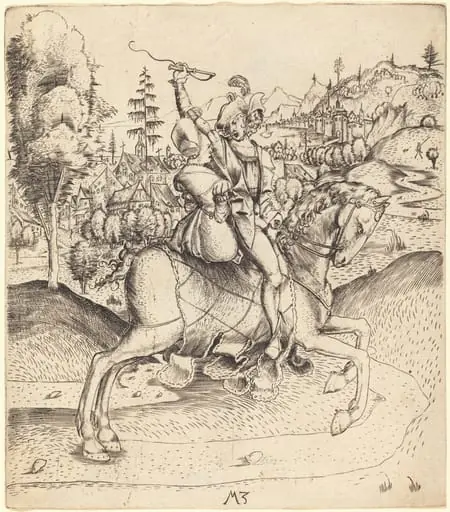
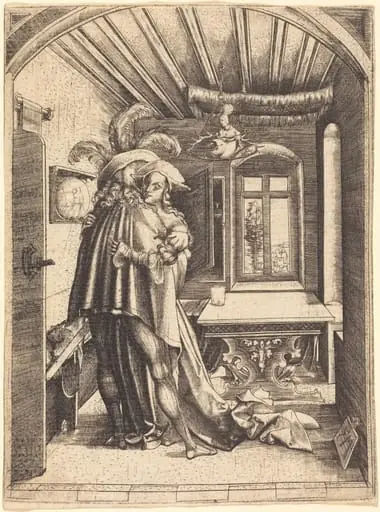
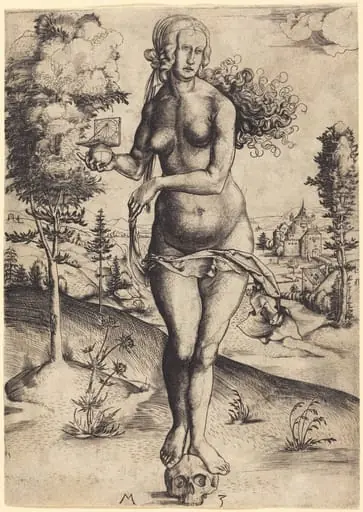
Memento Mori is a print by the Renaissance artist Master MZ. It dates from 1502 and is held in the collection of the Cleveland Museum of Art.
About this work
Overview
The work resides in The Cleveland Museum of Art, where it is recognized as an early example of Northern Renaissance printmaking infused with moral themes.
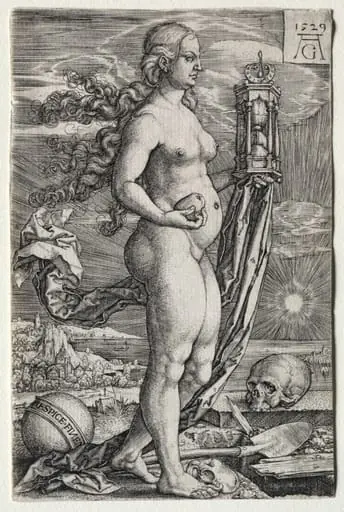
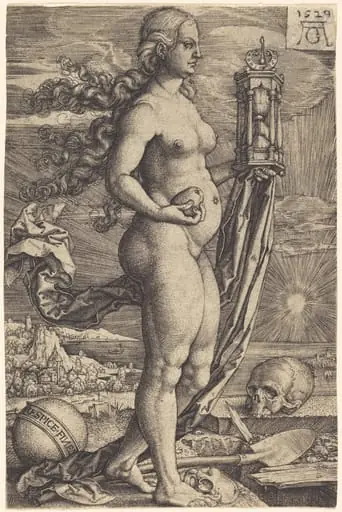
Created in 1502 by the printmaker known as Master MZ, this copperplate engraving is a meditation on mortality. It depicts a solitary figure in a wooded landscape, confronting a skull at their feet. The composition balances natural elements with symbolic objects, suggesting a quiet moment of reflection. The work resides in The Cleveland Museum of Art, where it is recognized as an early example of Northern Renaissance printmaking infused with moral themes.
Subject & Meaning
The central figure, barefoot and unadorned, stands before a skull — a traditional emblem of death. In one hand, they hold a small box, possibly containing relics or valuables; in the other, a circular object, perhaps a coin or mirror. Behind them, a distant castle and winding path imply the transient nature of worldly pursuits. The image serves as a visual reminder of life’s impermanence, urging contemplation over material attachment.
Technique & Style
Master MZ employed fine, controlled lines to model form and suggest depth through subtle gradations of light and shadow. The figure emerges from the background with clarity, while the forest and castle are rendered with minimal detail, focusing attention on the central motif. The use of chiaroscuro, though restrained, enhances the three-dimensionality of the figure and underscores the emotional weight of the scene without overt drama.
History & Provenance
The print was produced in the early 16th century, likely in southern Germany or Austria, during a period when devotional and moral imagery was widely circulated through prints. It entered The Cleveland Museum of Art’s collection in the 20th century, having passed through private hands and possibly earlier institutional holdings. Its attribution to Master MZ, a pseudonym for an unidentified artist, reflects scholarly consensus based on stylistic analysis of signed and unsigned works.
Context
This print emerged amid a broader European cultural shift toward personal piety and moral introspection. The memento mori theme was common in religious texts, sermons, and visual art, reinforcing the idea that earthly life is fleeting. Unlike overtly religious scenes, this work uses a secular landscape to convey spiritual warning, aligning with humanist trends that emphasized individual reflection over institutional doctrine.
Legacy
Master MZ’s engraving contributed to the visual language of mortality in Northern Renaissance art, influencing later depictions of vanitas and solitary contemplation. Its restrained composition and psychological subtlety set it apart from more dramatic interpretations of death. While not widely reproduced in its time, it remains a significant example of how printmaking expanded access to moral imagery beyond elite audiences.
Own this work as a print
Artist & collection