Artwork
Der Heilige Crispinus und der Heilige Crispinianus
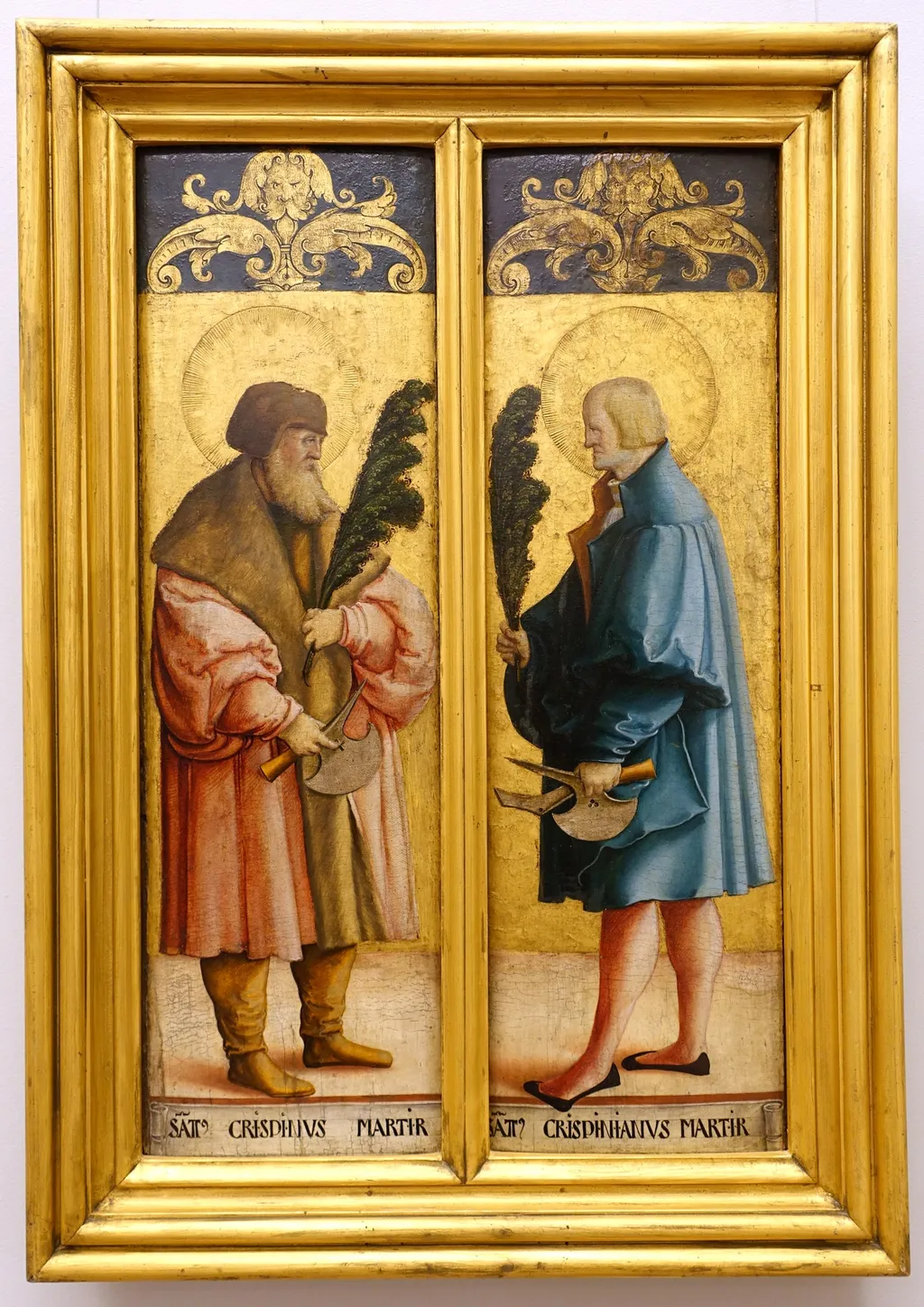
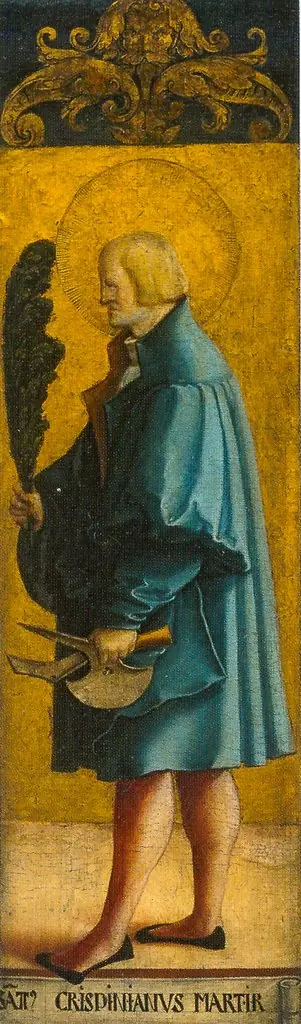
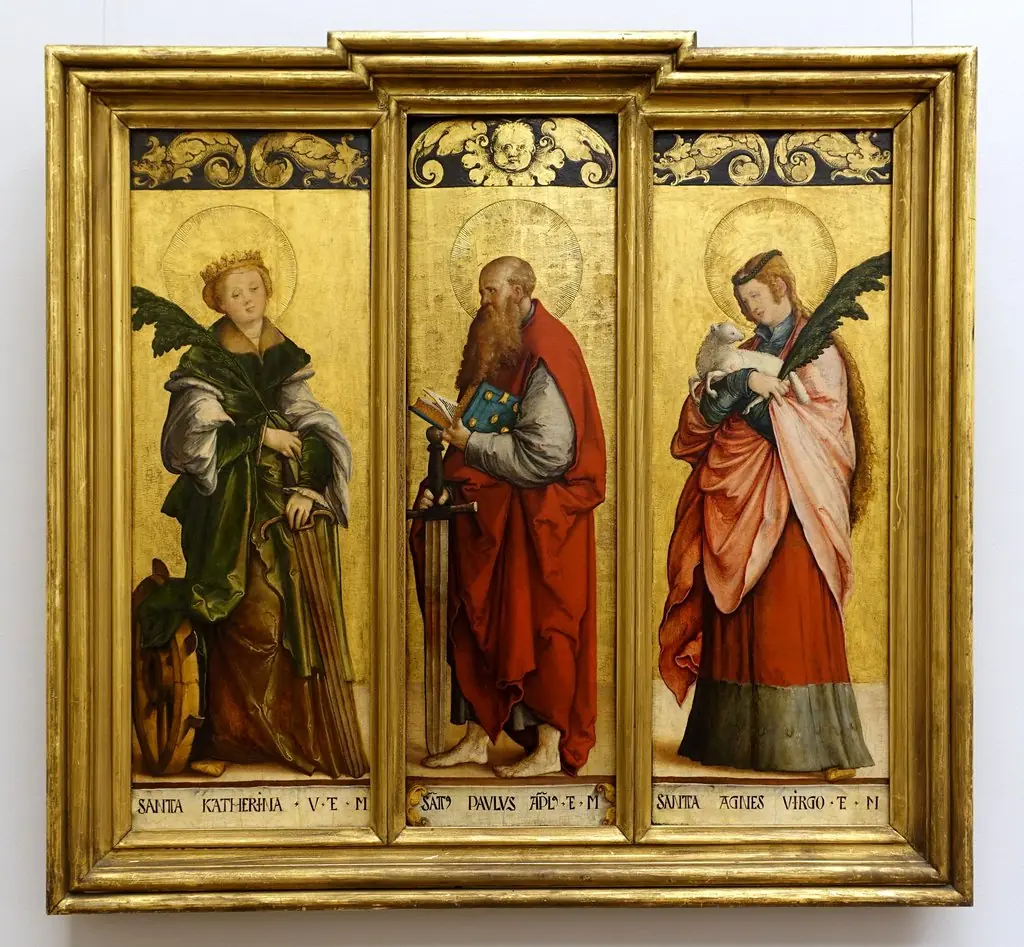
Der Heilige Crispinus und der Heilige Crispinianus is a paint painting by the Mannerist artist Master of Messkirch. It dates from 1534 and is held in the collection of the Gemäldegalerie Berlin.
About this work
Overview
Painted in 1534 by the Master of Messkirch, this work portrays the twin saints Crispinus and Crispinianus as standing figures in quiet solemnity. Executed in tempera or oil on panel, it reflects the devotional art traditions of early 16th-century southern Germany. The painting resides in the Gemäldegalerie in Berlin, part of a collection emphasizing regional Renaissance religious imagery.
Subject & Meaning
The two saints, brothers and patron saints of shoemakers, are depicted with halos to signify sanctity. Each holds a stylized object resembling a plant or tool, possibly referencing their trade or martyrdom. Their paired presentation emphasizes unity in faith and labor, common in hagiographic art meant to inspire devotion among guild members and the faithful.
Technique & Style
The figures are rendered with careful attention to drapery folds and facial expression, showing influence from Renaissance naturalism. Backgrounds are simplified, with a warm golden field and a dark blue upper zone adorned with gold leaf patterns, suggesting celestial space. The palette is restrained, focusing on the contrast of pink and blue robes to distinguish the saints.
History & Provenance
Created for a local ecclesiastical setting, likely in the Upper Swabia region, the painting entered the Berlin collection in the 19th century. Its attribution to the Master of Messkirch—named after an altarpiece in Messkirch—rests on stylistic parallels with other anonymous works from the same workshop and period.
Context
Produced during the Reformation, the painting represents a Catholic devotional tradition still active in southern German territories. While Protestant regions rejected such imagery, Catholic communities continued commissioning saints' panels for private and public veneration, preserving medieval iconography through Renaissance techniques.
Legacy
Though not widely known outside specialist circles, the painting contributes to understanding regional religious art during a time of doctrinal upheaval. It exemplifies how local workshops sustained traditional iconography with emerging naturalistic methods, bridging late medieval piety and early modern aesthetics.
Artist & collection

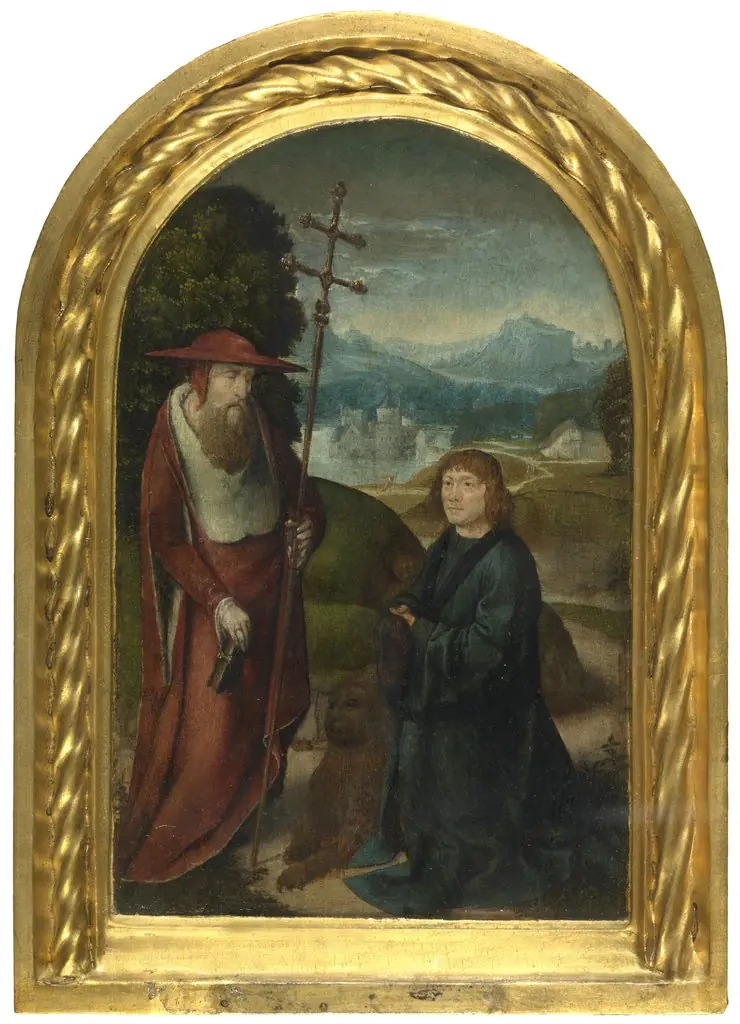 Saint Jerome and Donor
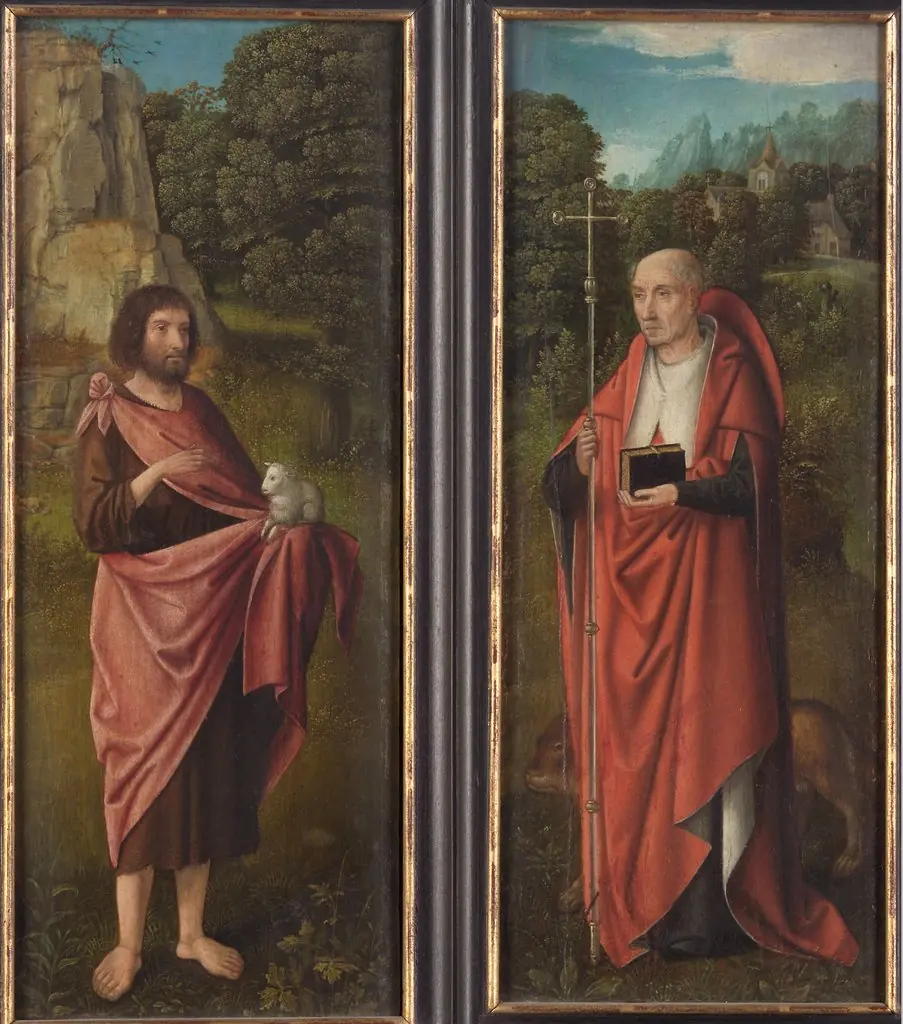 Saint John the Baptist and Saint Jerome
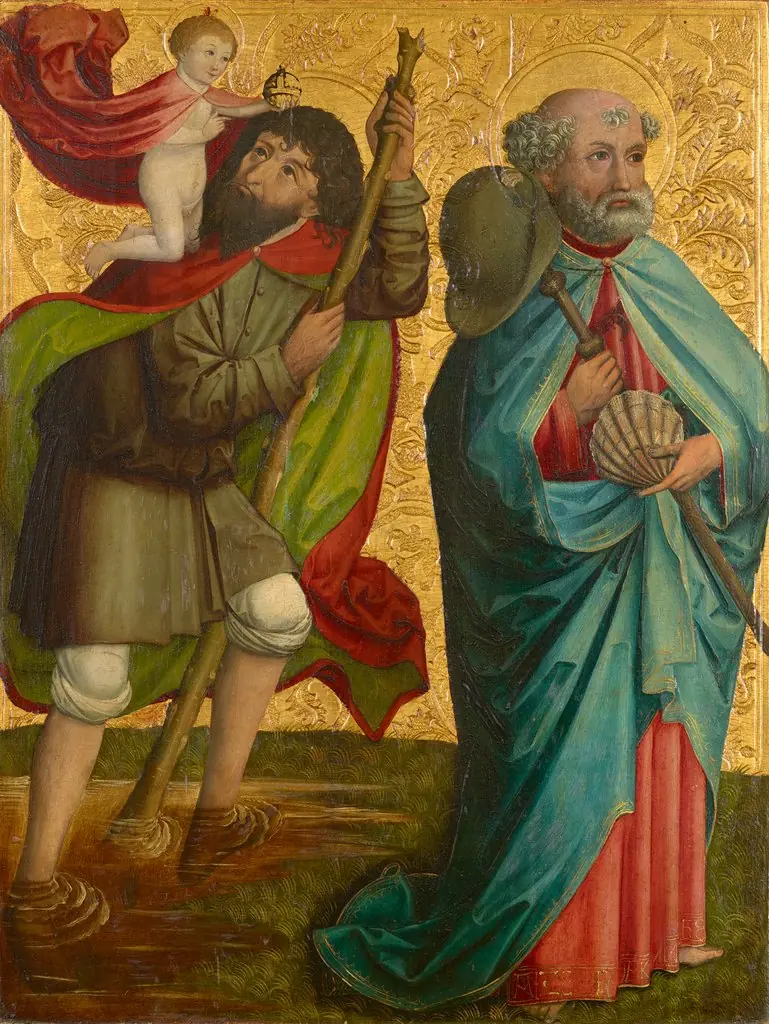 Linker Flügel des sog. Pretschlaipfer-Triptychons: Hll. Christophorus und Jakobus Major (Innenseite); Verkündigung an Maria (Außenseite)
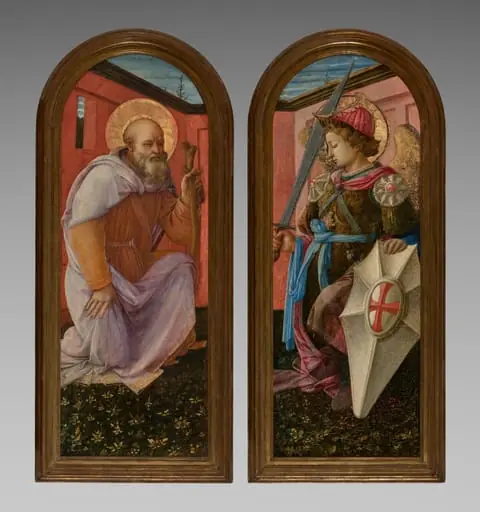 Pair of Panels from a Triptych: The Archangel Michael and St. Anthony Abbot
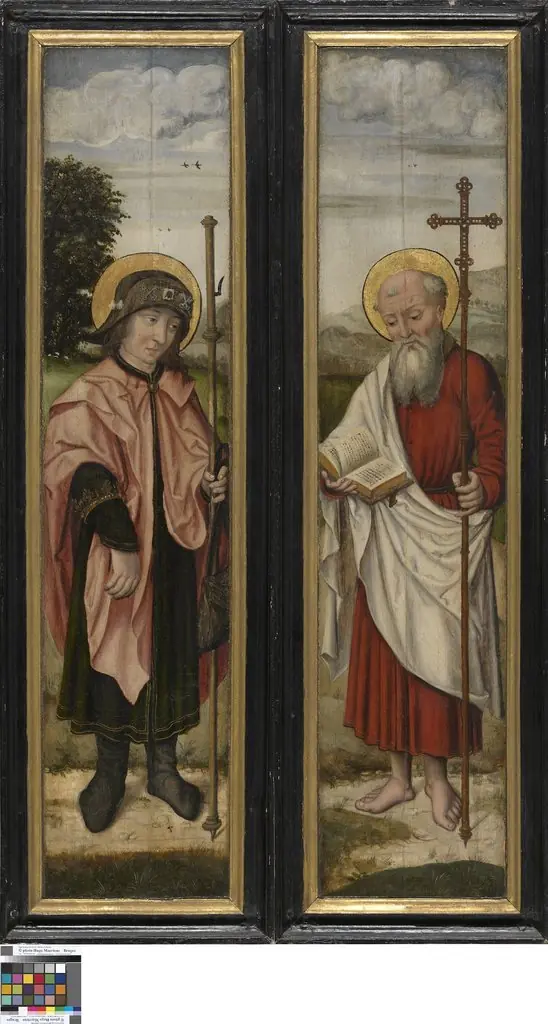 Saints Judoc and Peter
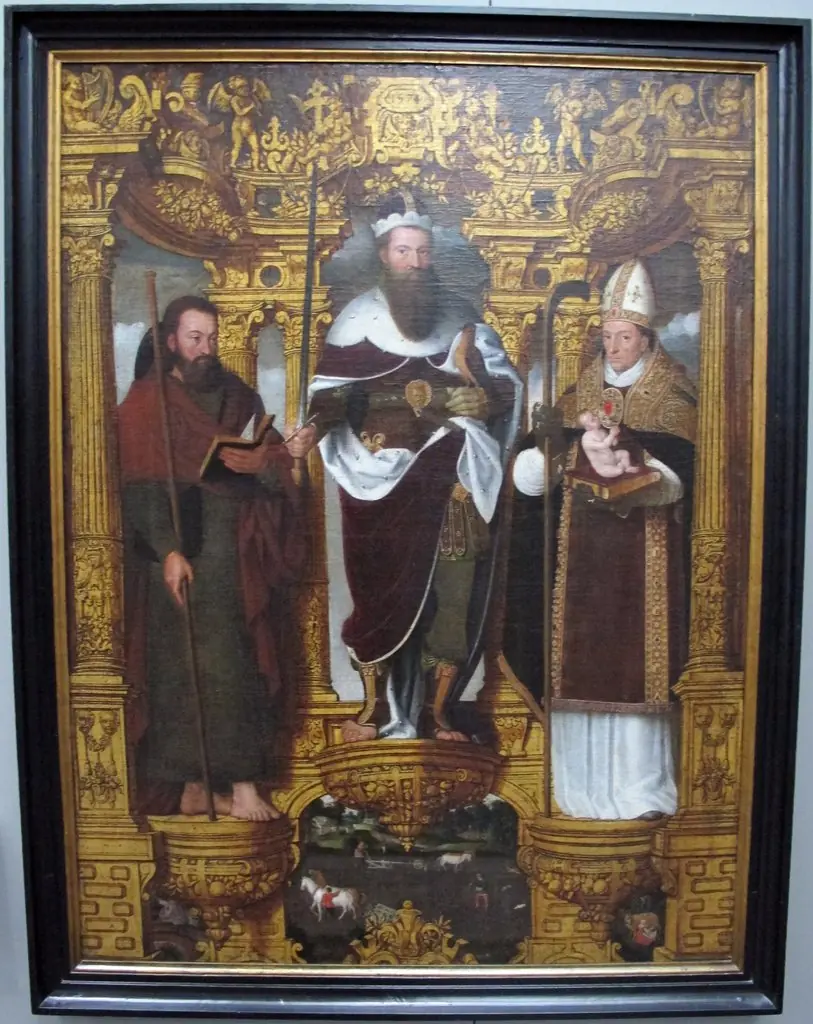 Saints Bavo, James the Great and Willibrord
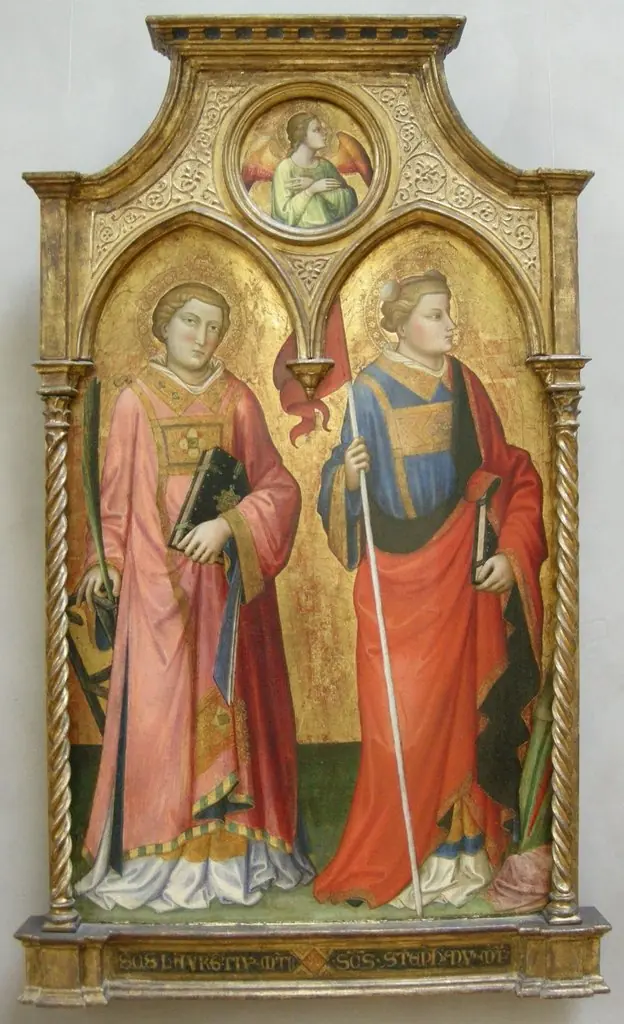 Saints Lawrence and Stephen
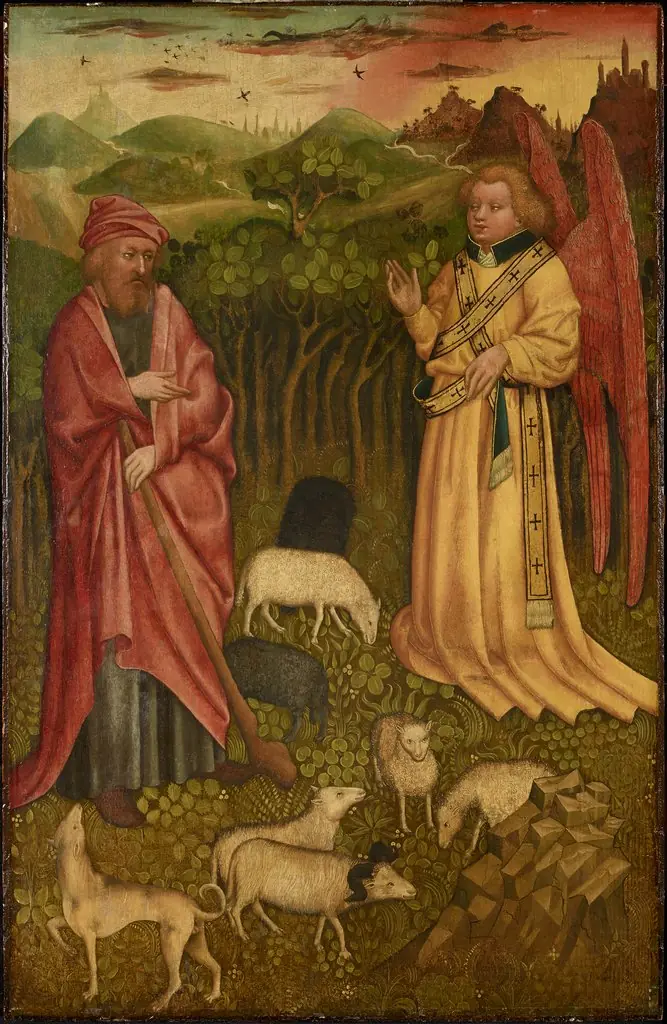 Botschaft des Engels an Joachim
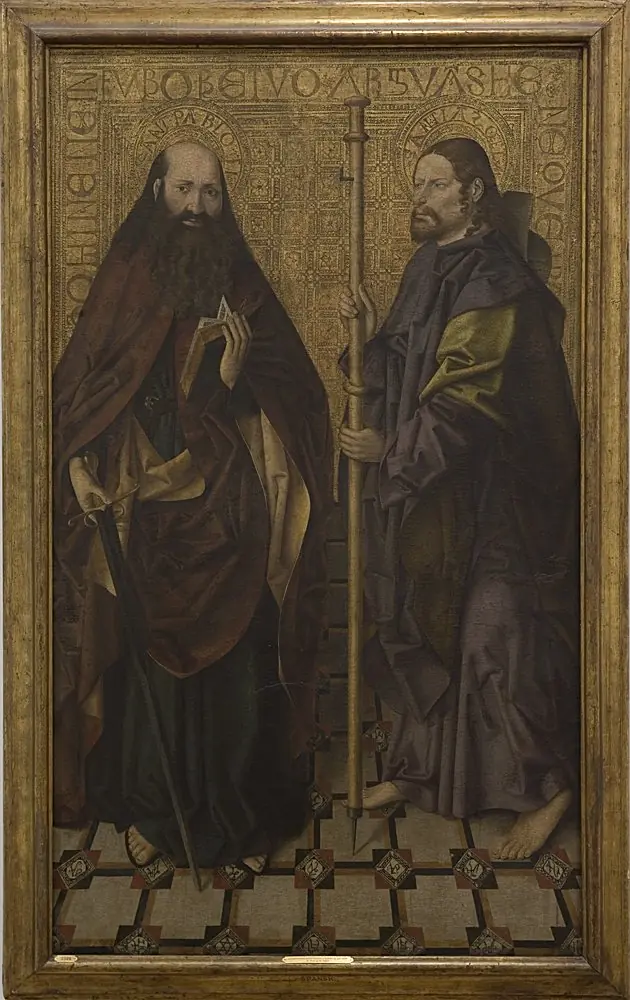 Saints Paul and James the Great (St James of Compostela)
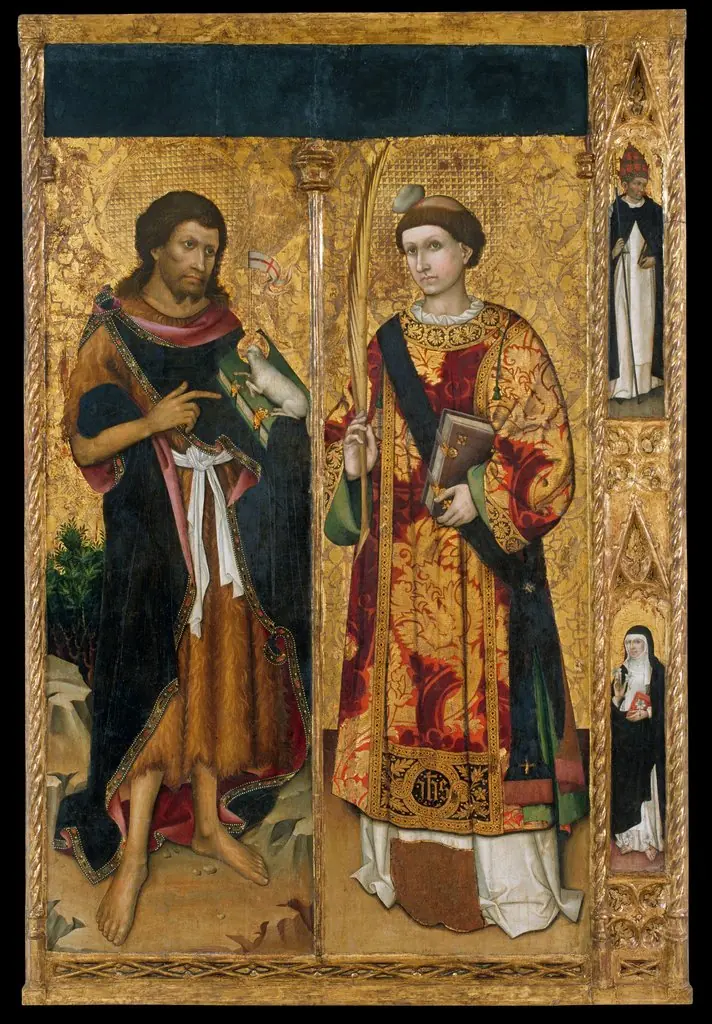 Saint John the Baptist and Saint Stephen
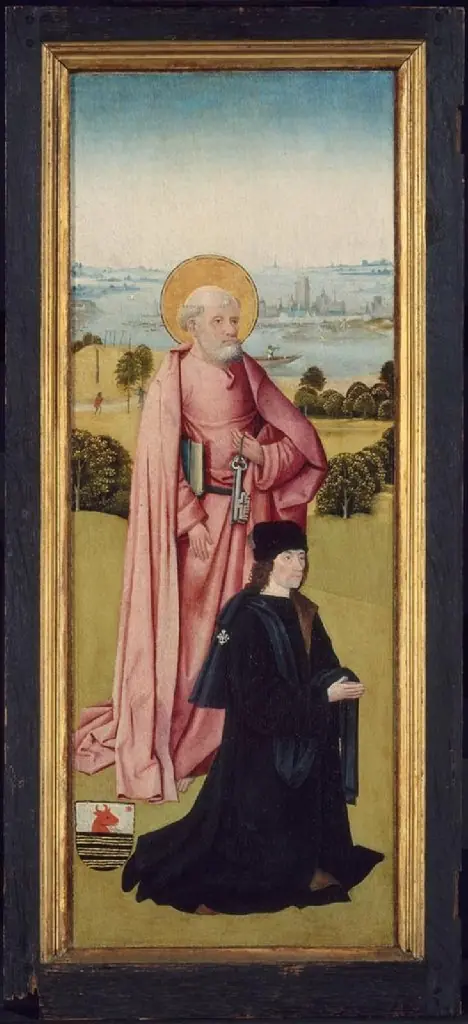 Franco van Langhel and His Sons with Saint John the Evangelist (outer face); Pieter van Os with Saint Peter (inner face)
 Die Heiligen Katharina