Artwork
Beweinung Christi und seine Grablegung
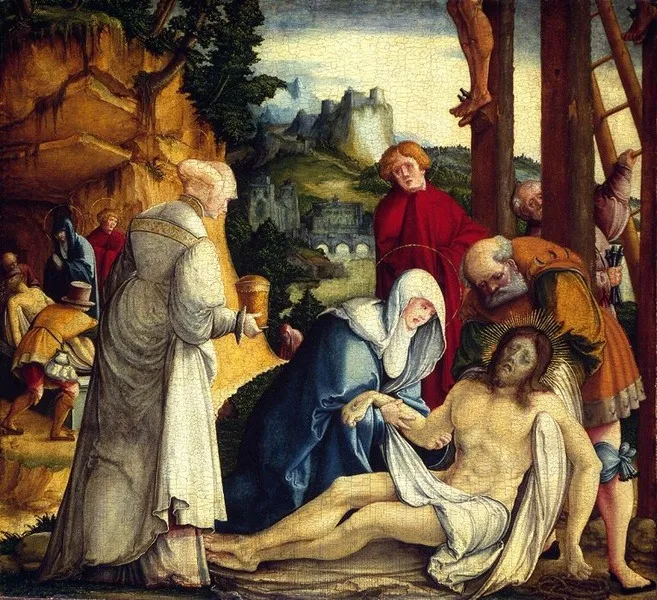
Beweinung Christi und seine Grablegung is a paint painting by the Mannerist artist Master of Messkirch. It dates from 1537 and is held in the collection of the Gemäldegalerie Berlin.
About this work
Overview
Beweinung Christi und seine Grablegung is a 1537 religious painting by Master of Messkirch, depicting two concurrent scenes from the Passion of Christ: the Lamentation and the Entombment. The work is part of the collection at the Gemäldegalerie Berlin.
Subject & Meaning
The painting simultaneously portrays the mournful gathering around Christ's body (Lamentation) and its preparation for burial (Entombment). Figures include Christ, a robed man with a jar (possibly Nicodemus with ointment), a red-clad figure, and a kneeling woman in blue touching Christ’s hand, evoking emotional depth and religious solemnity.
Technique & Style
The composition utilizes chiaroscuro, employing strong contrasts between light and dark to create volumetric form and emotional emphasis. Highlighted areas of figures’ faces and robes are set against deeper shadows, guiding the viewer’s attention and imbuing the scene with dramatic intensity.
History & Provenance
Created in 1537 by the Master of Messkirch, the painting’s historical ownership trail is not detailed here, but it is currently housed at the Gemäldegalerie Berlin as part of its permanent collection.
Context
Painted during the early 16th century, a time of religious upheaval in Europe, the work reflects traditional Catholic themes of devotion and mourning, potentially serving as a focal point for meditation on Christ’s sacrifice.
Legacy
While specific influences or direct artistic legacies of 'Beweinung Christi und seine Grablegung' are not highlighted in available information, its use of chiaroscuro contributes to the broader artistic tradition of employing light and shadow for narrative and emotional impact in religious art.
Artist & collection


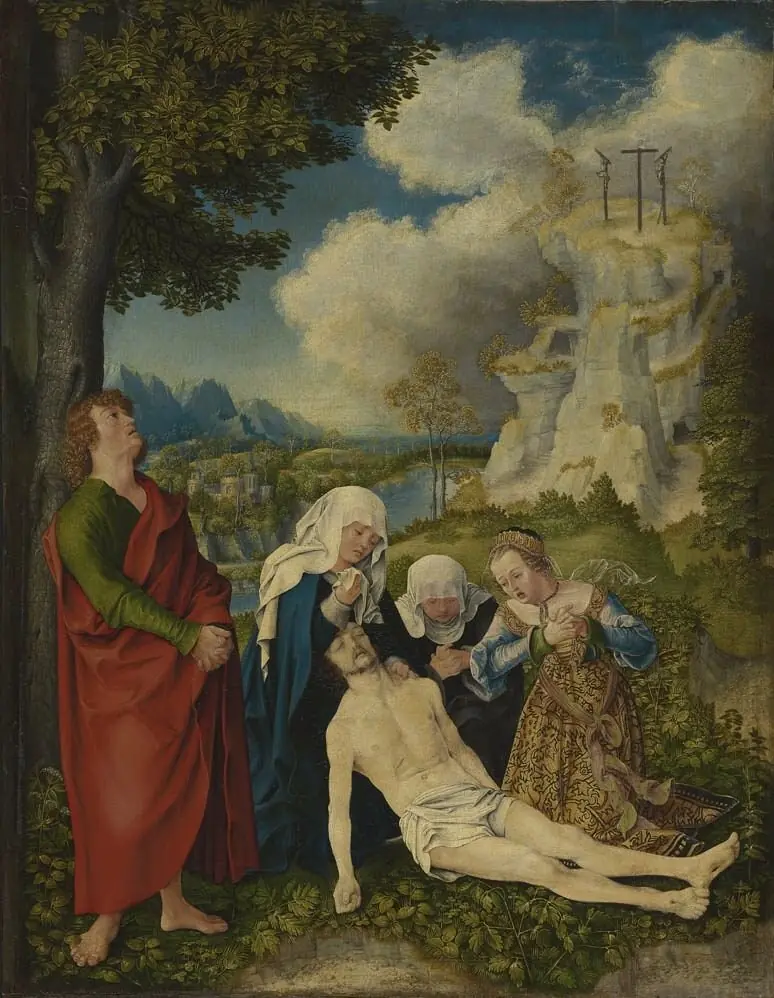 Lamentation of Christ
 Mourning over the Dead Body of Christ
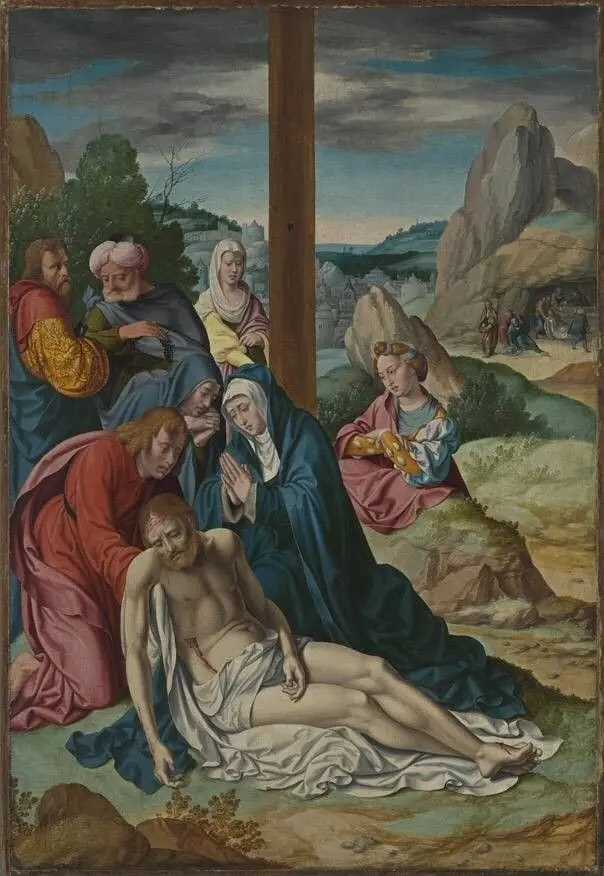 The lamentation of Christ
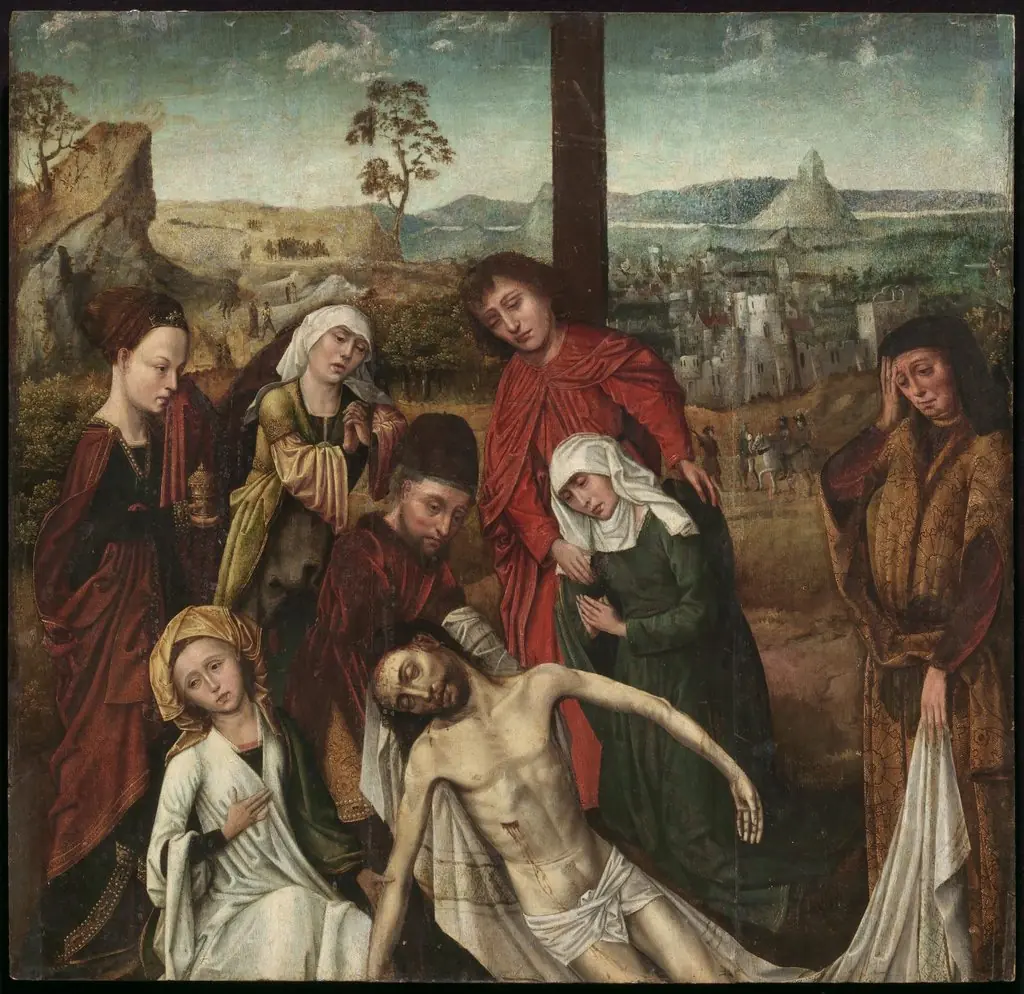 The Deposition of Christ
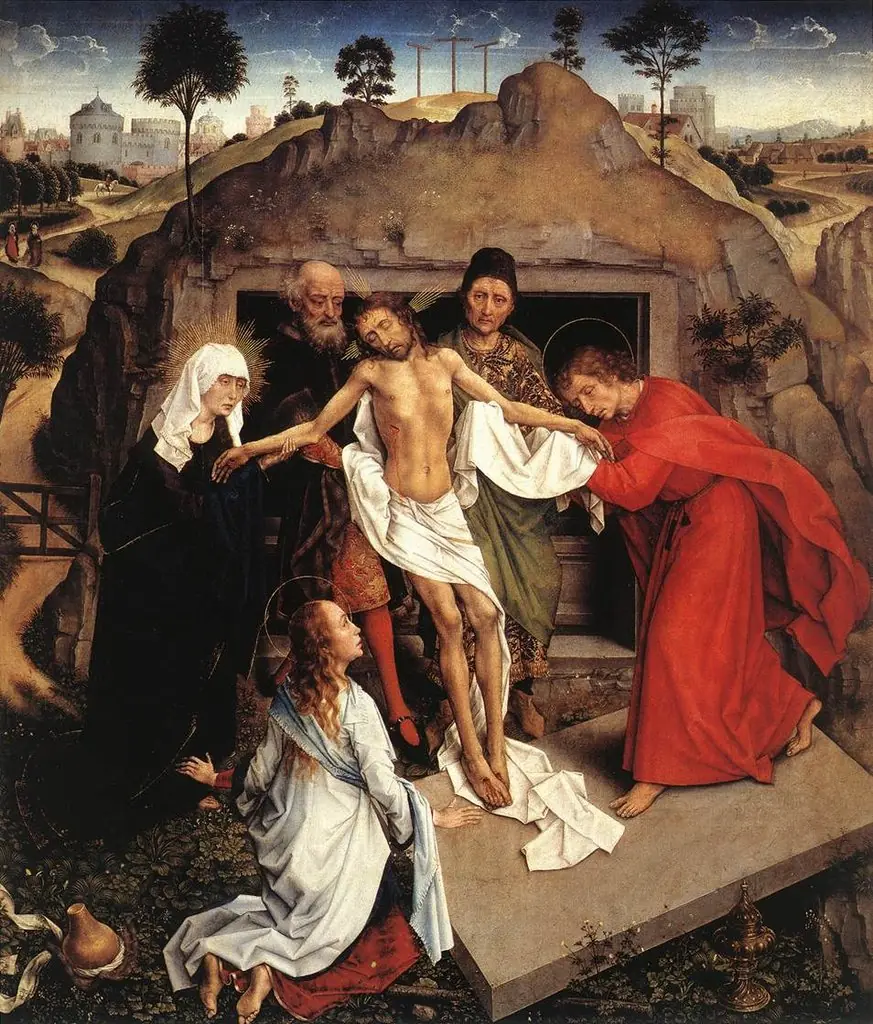 Lamentation of Christ
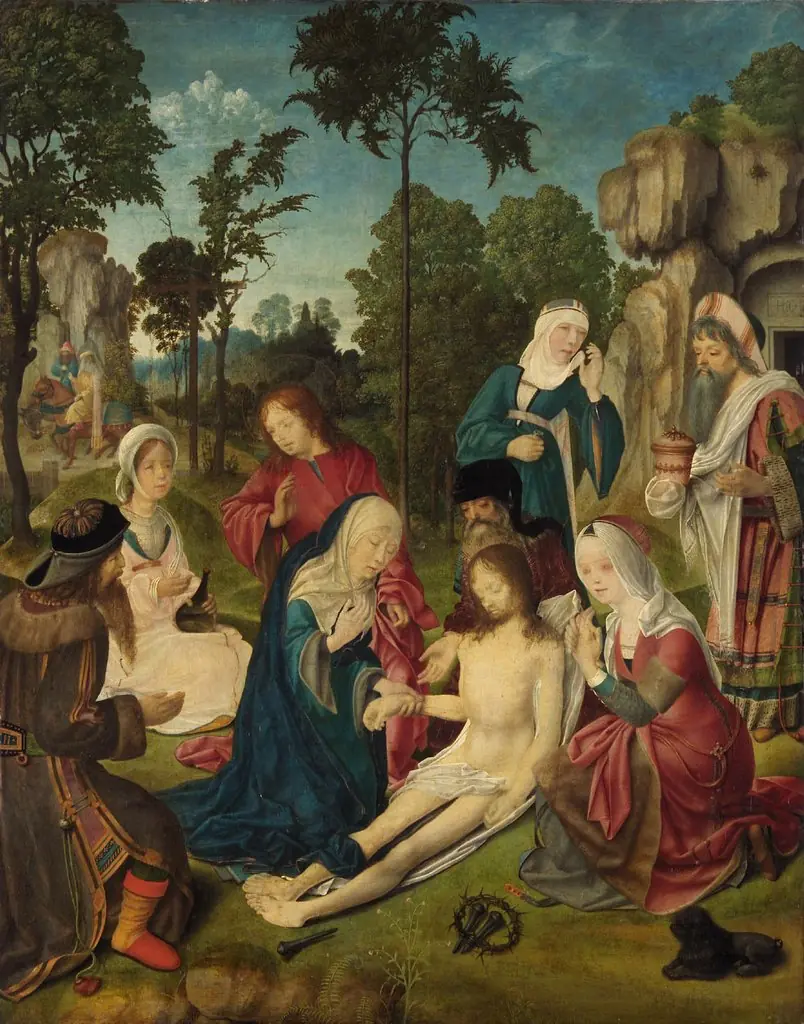 Lamentation of Christ
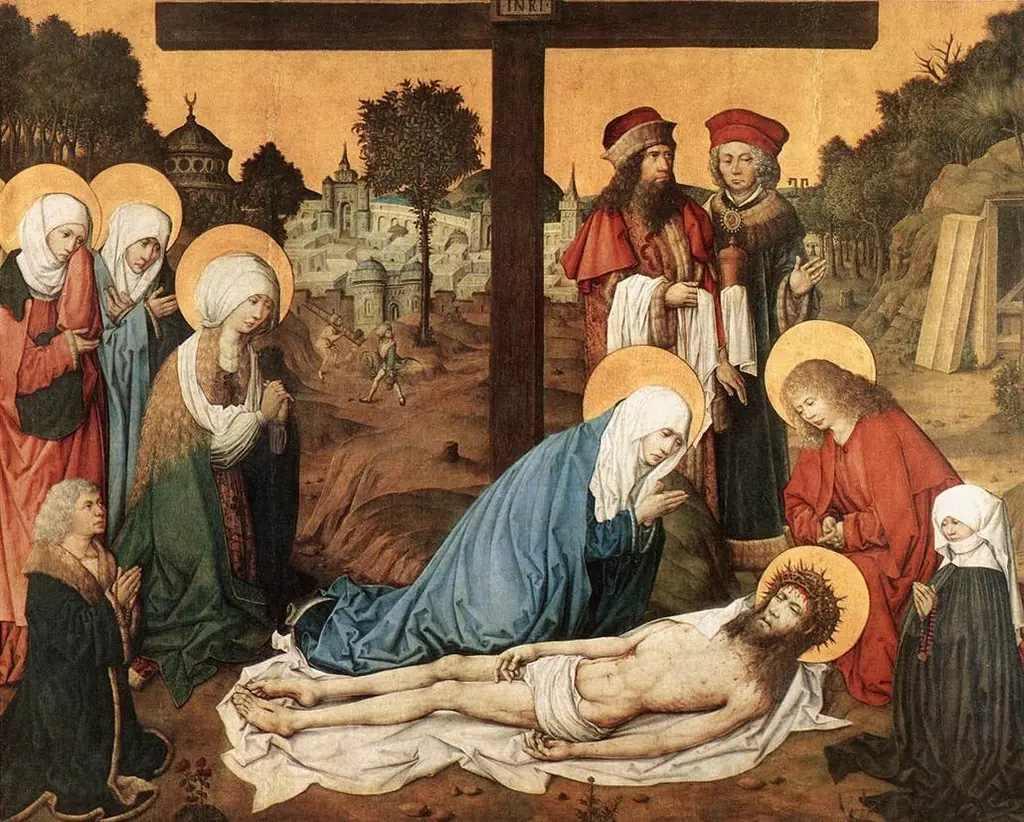 Lamentation of Christ
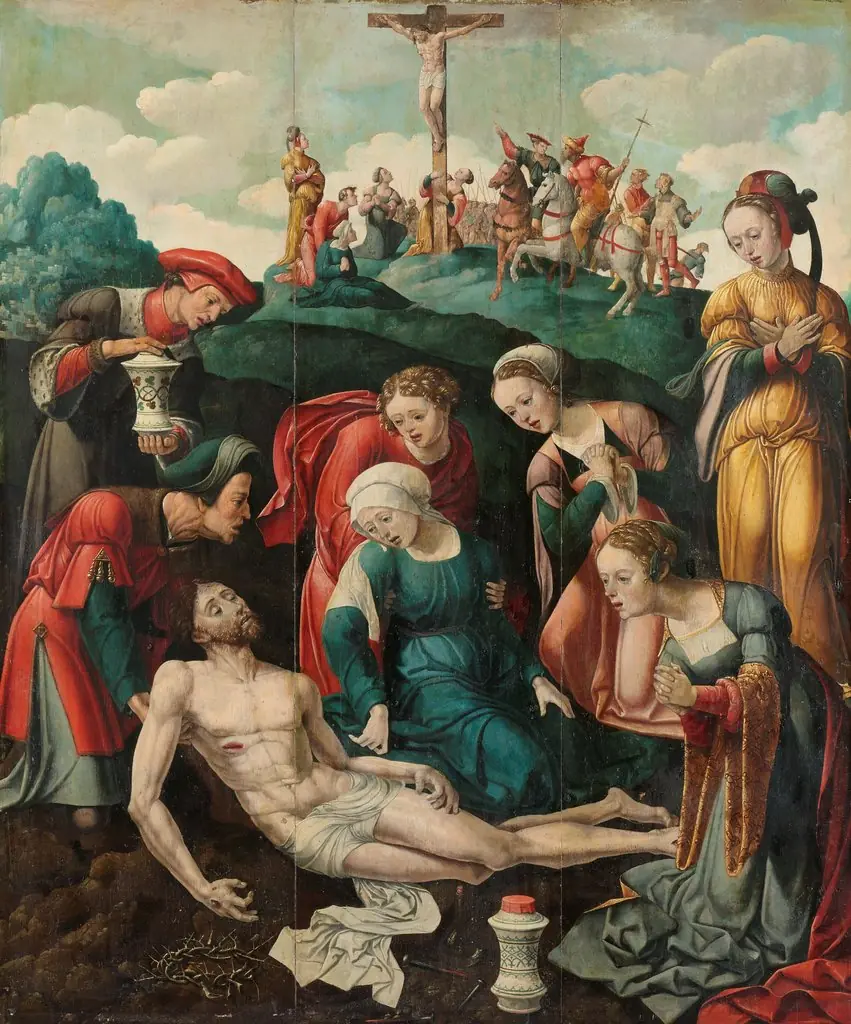 The Lamentation of Christ
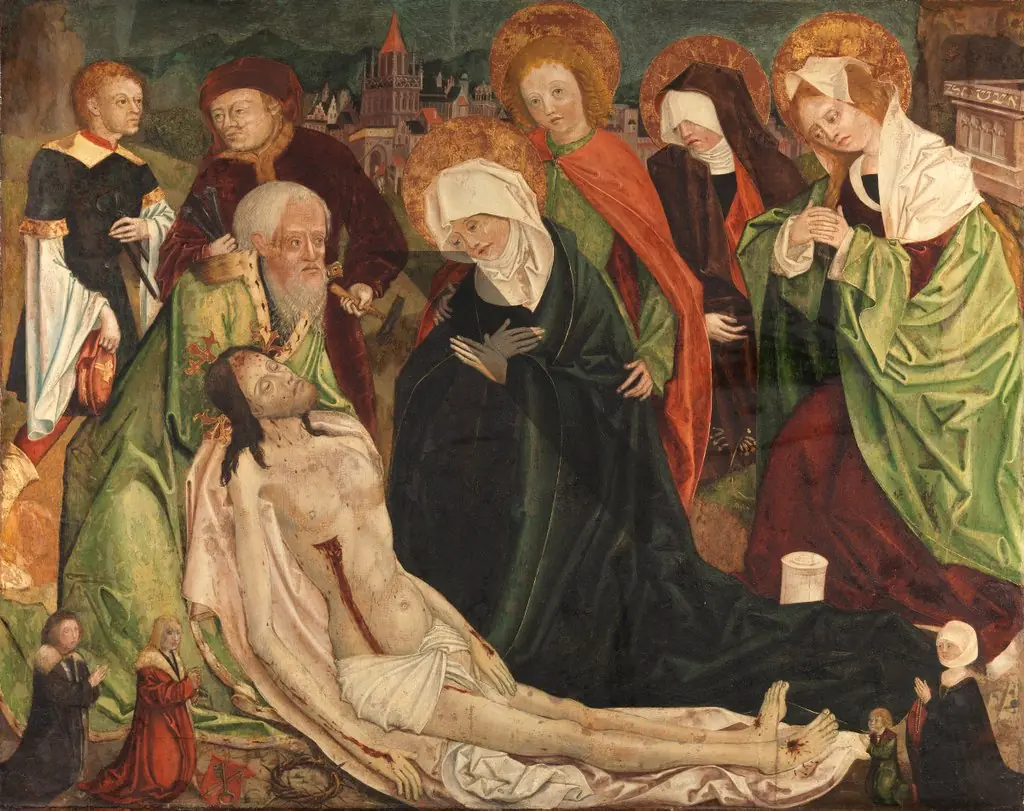 The Lamentation of Christ
 The Lamentation of Christ with a Donor
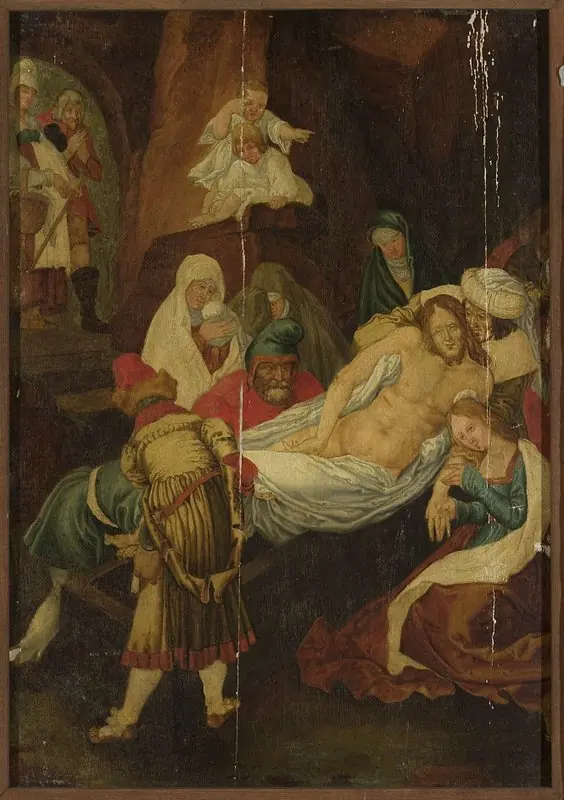 Entombment of Christ (Matthew 27:59–61; Mark 15:46–47; Luke 23:53–56; John 19:38–42)
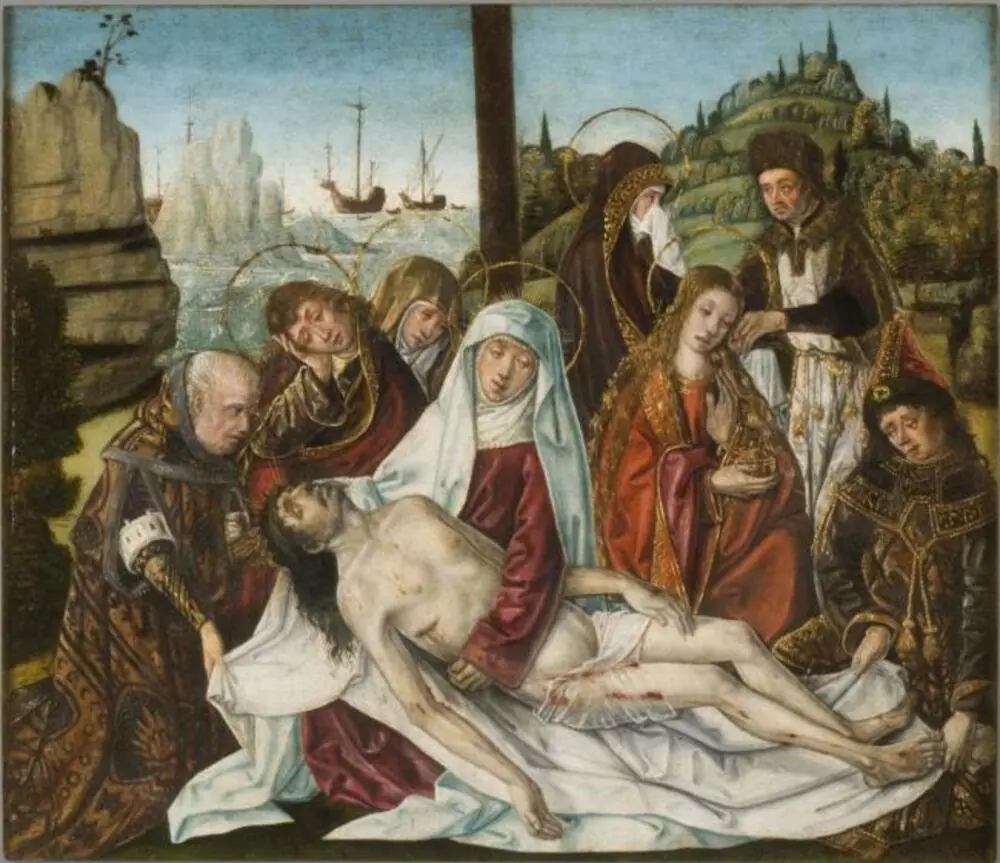 The Lamentation