Artwork
Tríptico de la Flagelación
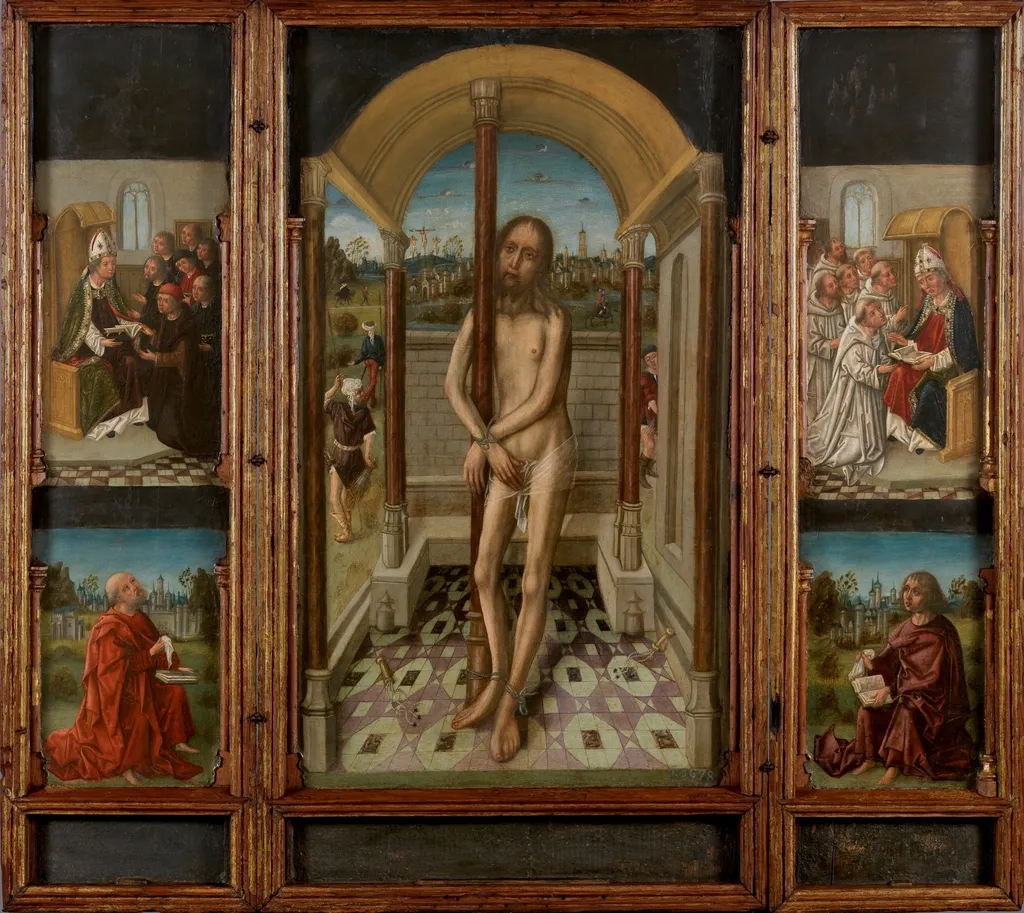
Tríptico de la Flagelación is an oil painting by the Early Renaissance artist Maestro de los Luna. It dates from 1498 and is held in the collection of the Museo del Prado.
About this work
Overview
Tríptico de la Flagelación is a 1498 oil painting by Maestro de los Luna, housed at the Museo del Prado. The work is structured into five panels, deviating from the traditional triptych format suggested by its title.
Subject & Meaning
This scene is flanked by panels depicting robed groups, while the lower panels show individual figures in red and brown robes.
The central panel focuses on a nude, chained figure with a groin cloth, set against a cityscape backdrop. This scene is flanked by panels depicting robed groups, while the lower panels show individual figures in red and brown robes. The subject appears to be a scene of flagellation, given the title and the figure's bindings, though the overall narrative is not explicitly described in available sources.
Technique & Style
The painting employs a thoughtful use of color and composition to achieve depth and evoke emotion. The central figure exhibits a contemplative expression, contrasting with the active postures of the surrounding figures. The artist utilizes chiaroscuro to enhance the dramatic effect, though specific details on its application in this work are not provided.
History & Provenance
Created in 1498 by Maestro de los Luna, the painting is currently part of the Museo del Prado's collection. Detailed provenance history prior to its acquisition by the museum is not specified.
Context
Given its religious theme and 15th-century origin, Tríptico de la Flagelación reflects the prevalent Christian artistic themes of its time. However, the unique five-panel structure sets it apart from conventional religious triptychs of the era.
Legacy
The painting's impact or influence on subsequent artistic works is not detailed in the provided information. Its significance appears to lie primarily in its representation of Maestro de los Luna's style and the religious art of its period.
Artist & collection
Artist
This anonymous Spanish painter worked in the late 1400s, making religious paintings filled with quiet emotion.

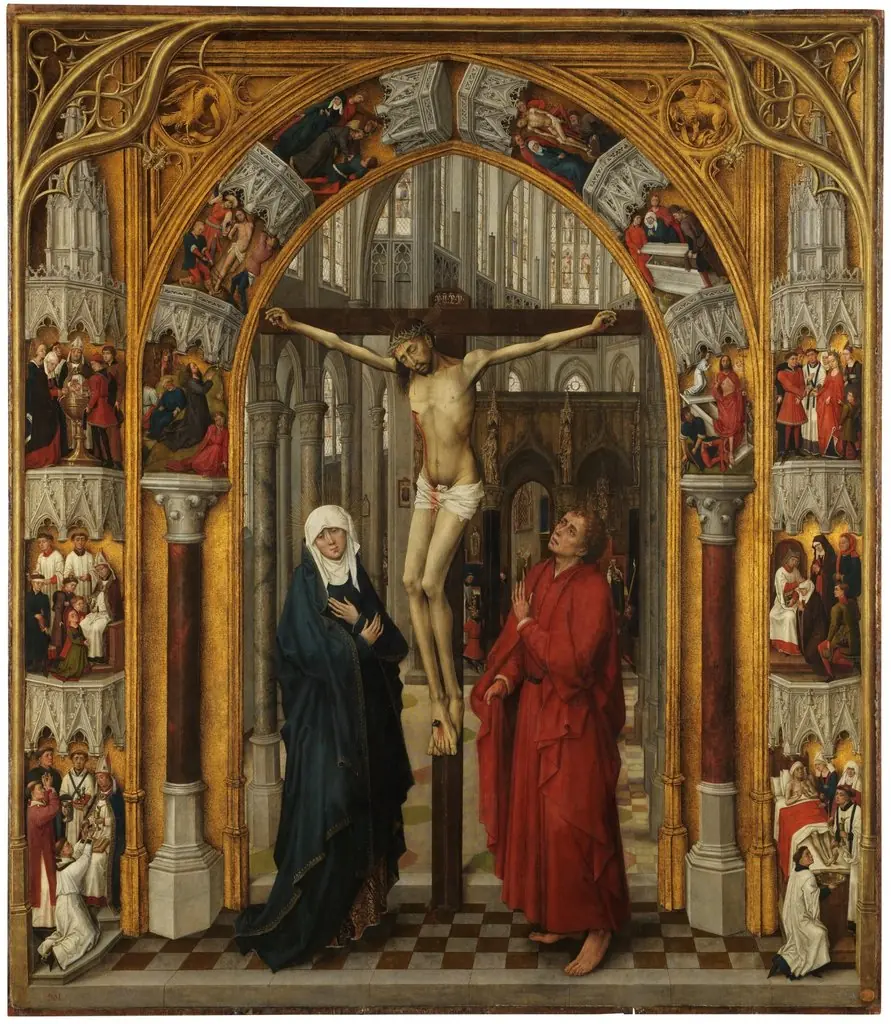 Redemption Triptych: The Crucifixion
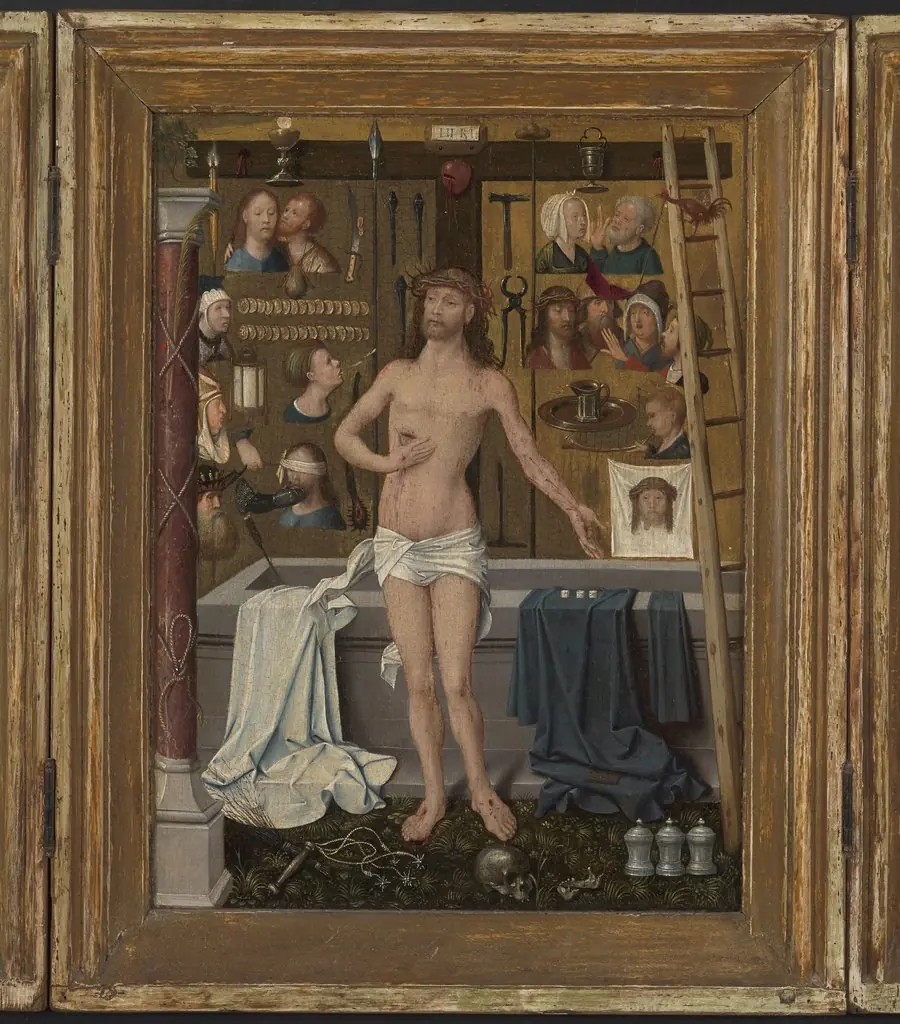 Christ with the Instruments of Passion
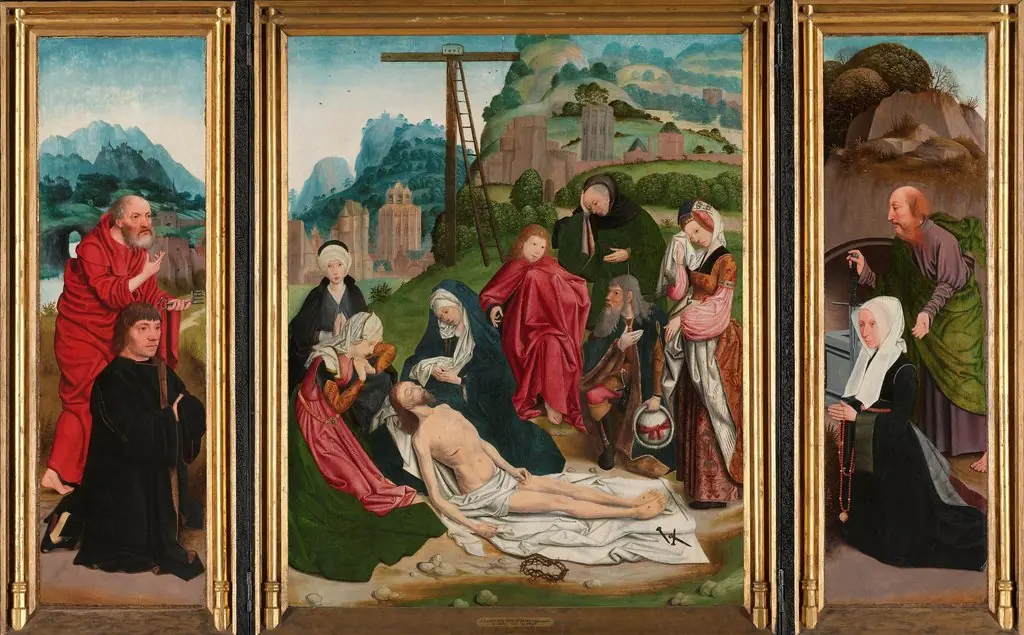 Triptych with the Lamentation (centre panel), the donor with St Peter (inner left wing), the donor’s wife with St Paul (inner right wing) and the donors’ coats of arms (outer wings)
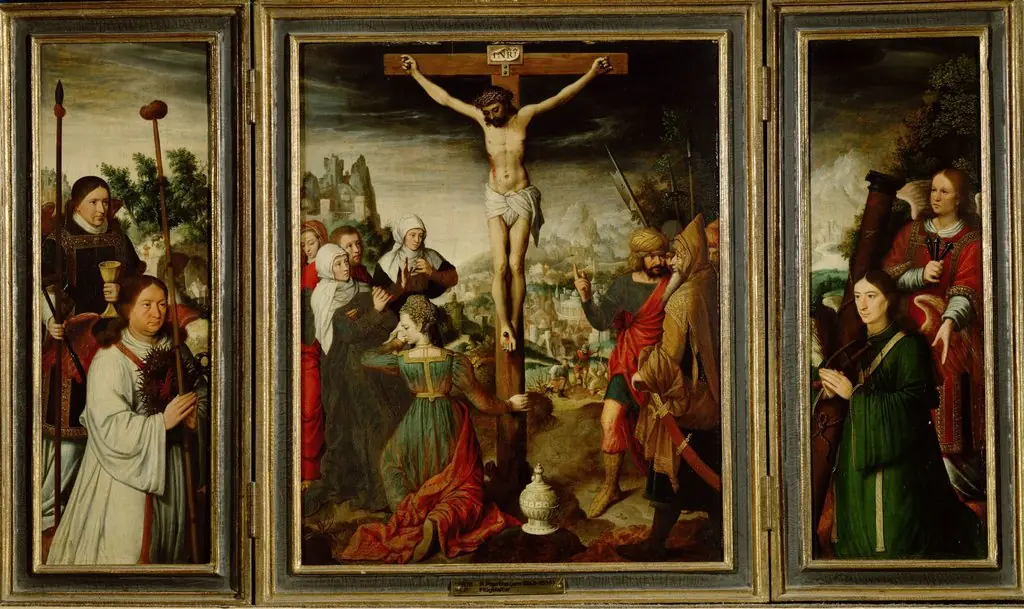 Kreuzigungstriptychon
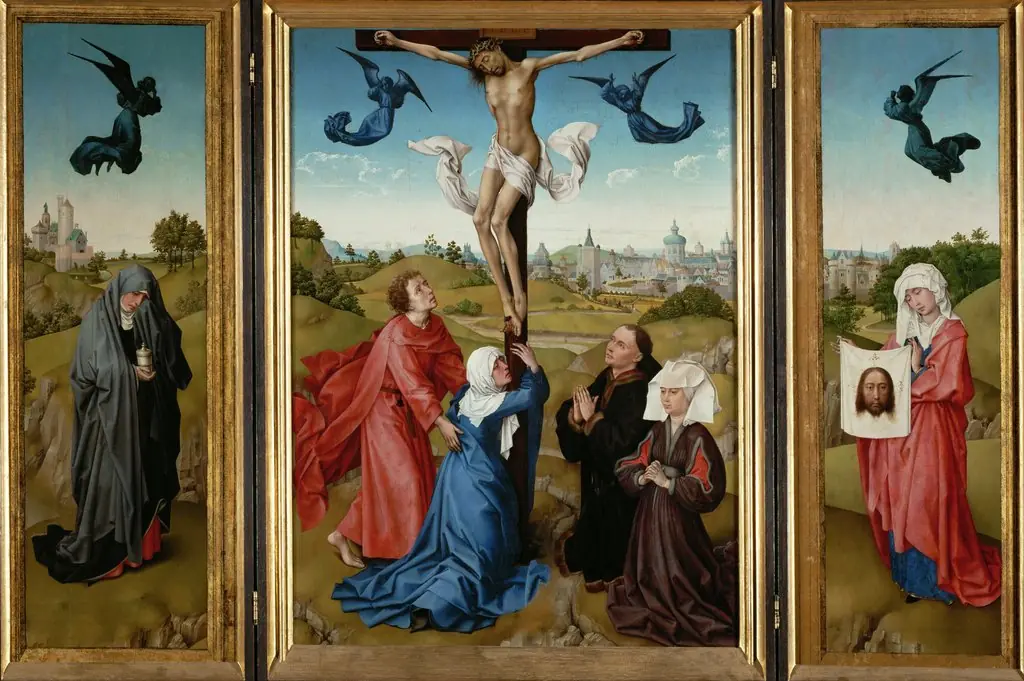 Crucifixion Triptych
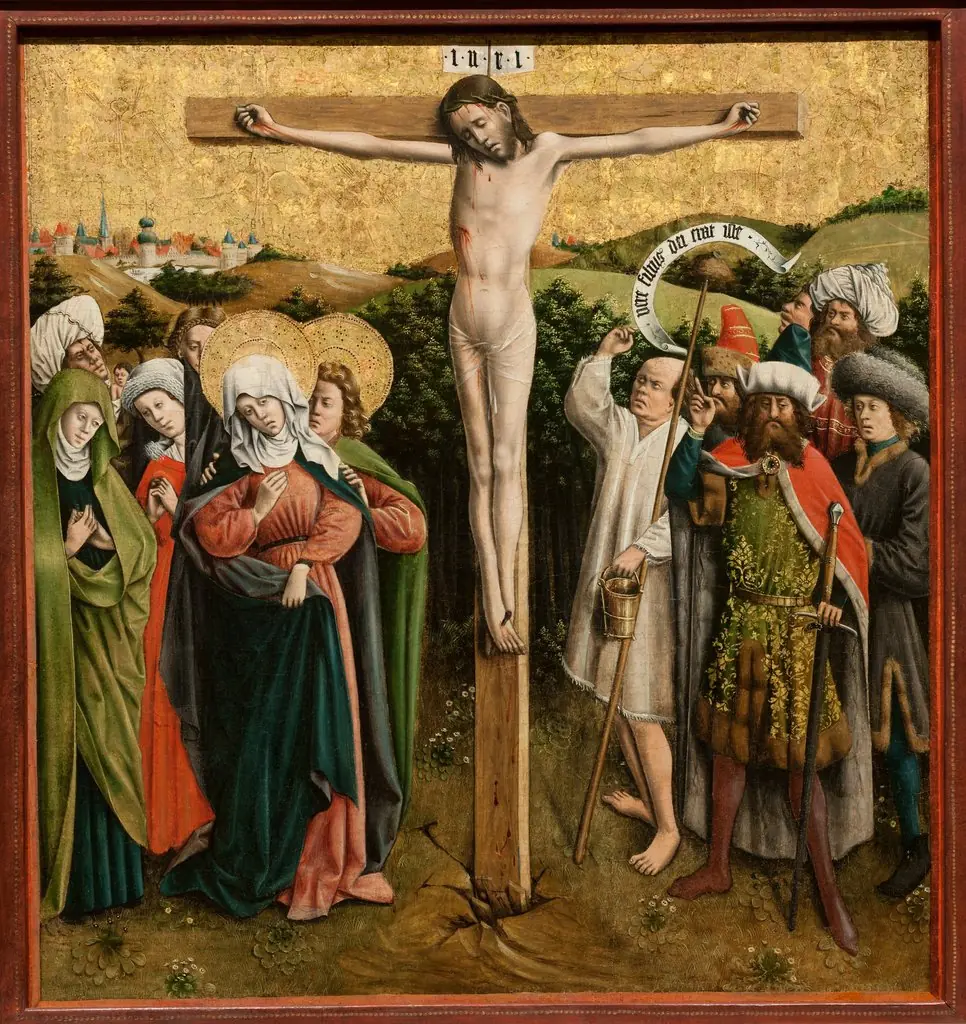 Altarpiece with The Passion of Christ
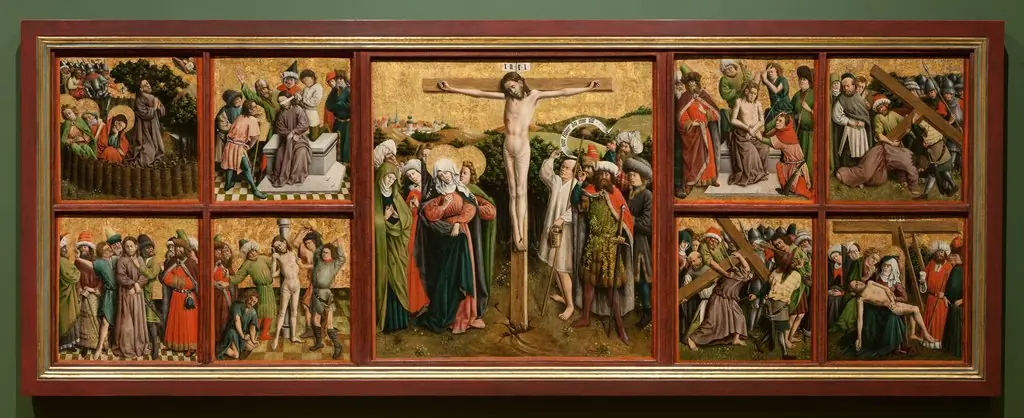 Altarpiece with The Passion of Christ
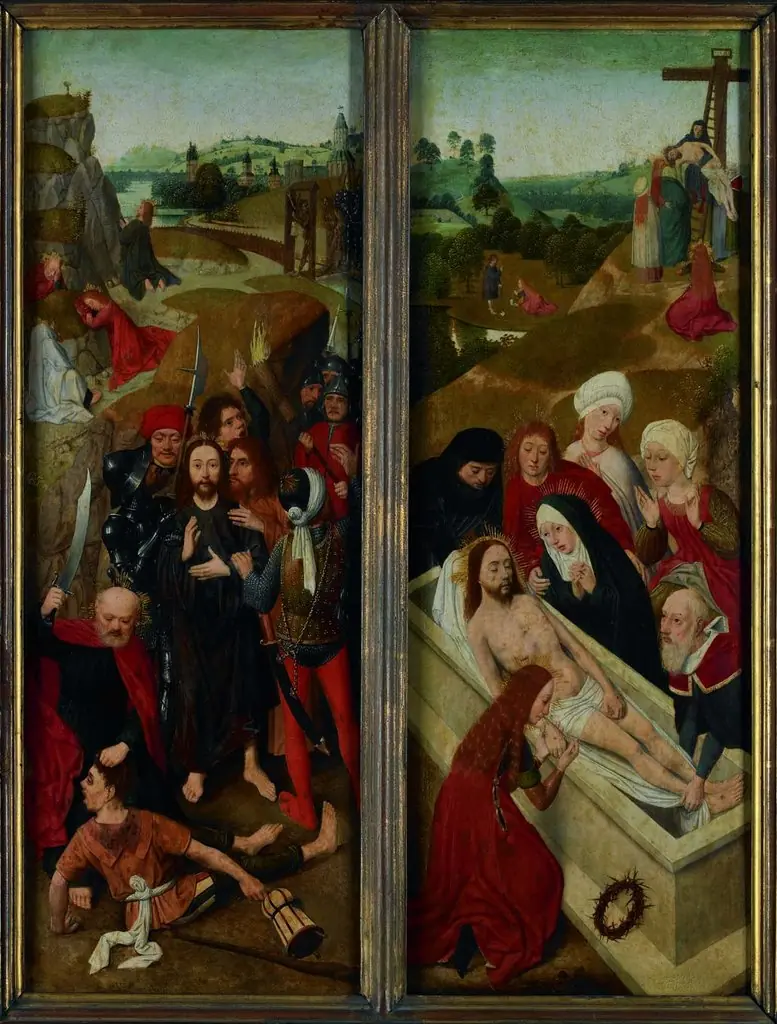 he taking of Christ and The entombment
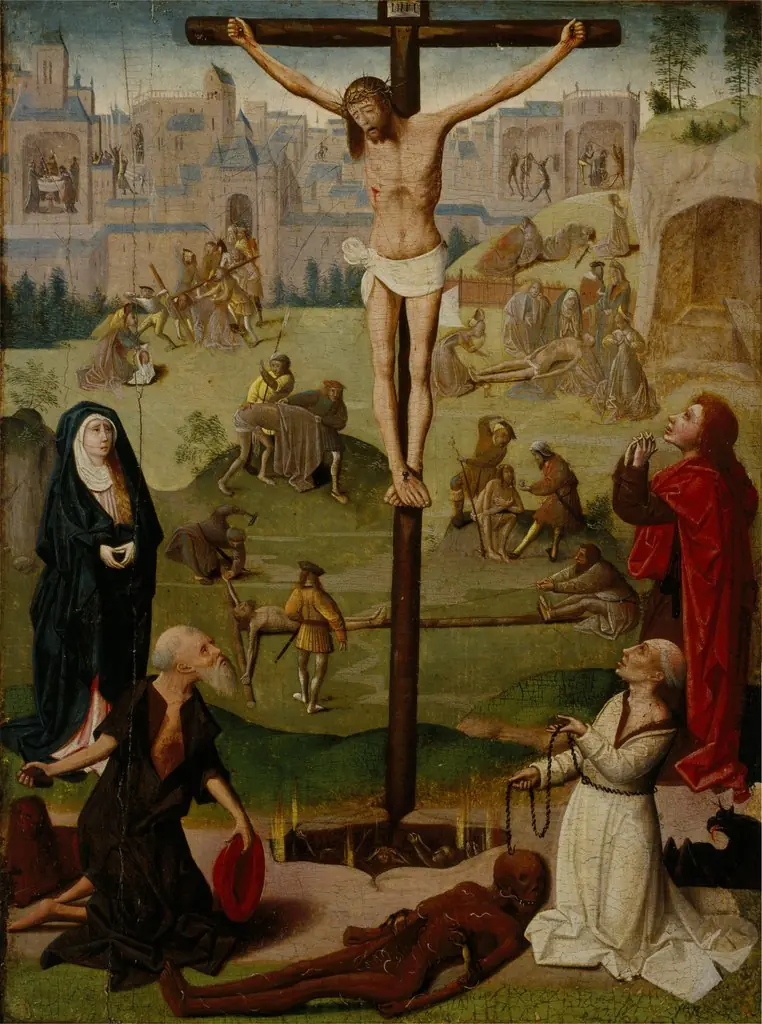 The Crucifixion with St Jerome and St Dominic and Scenes from the Passion
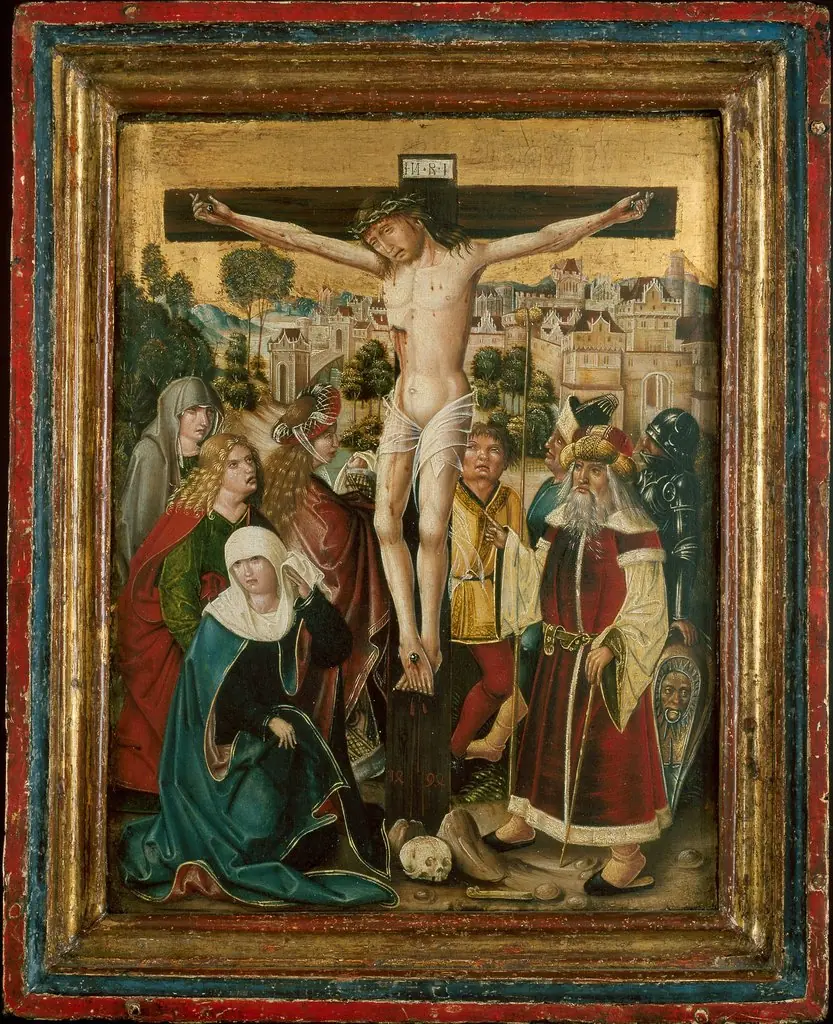 The Crucifixion
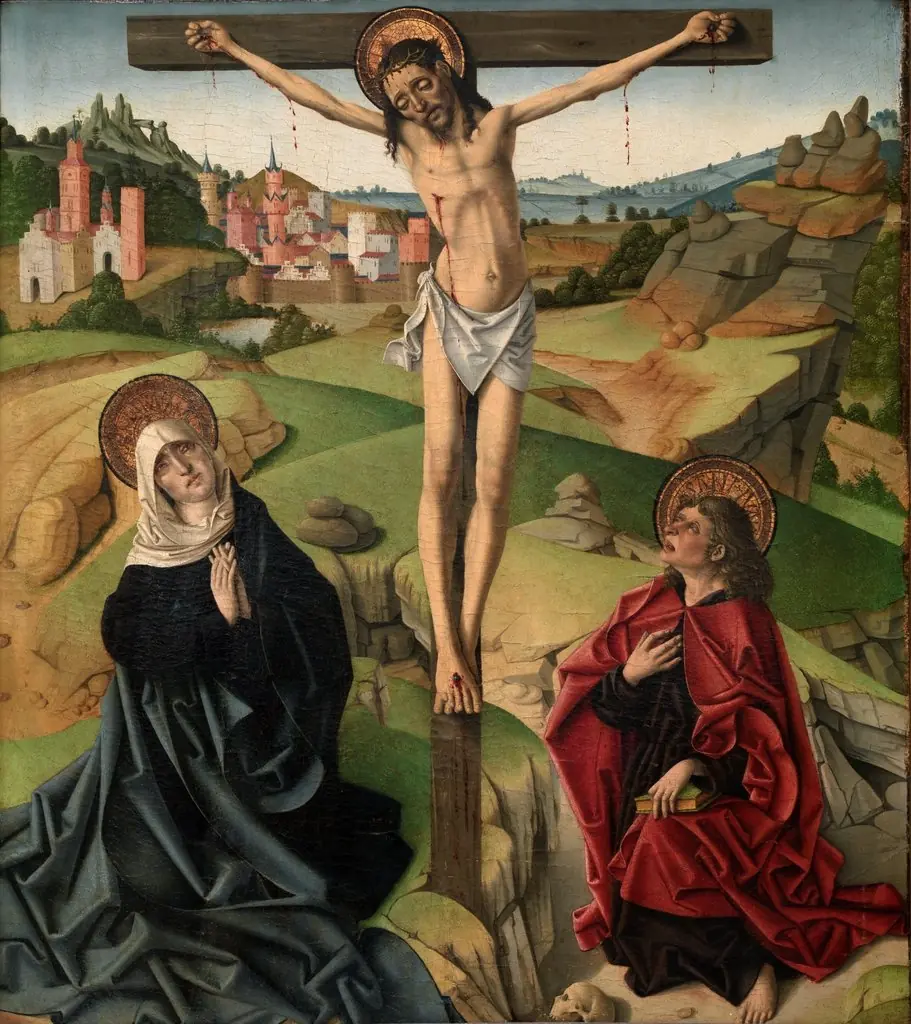 The Crucifixion
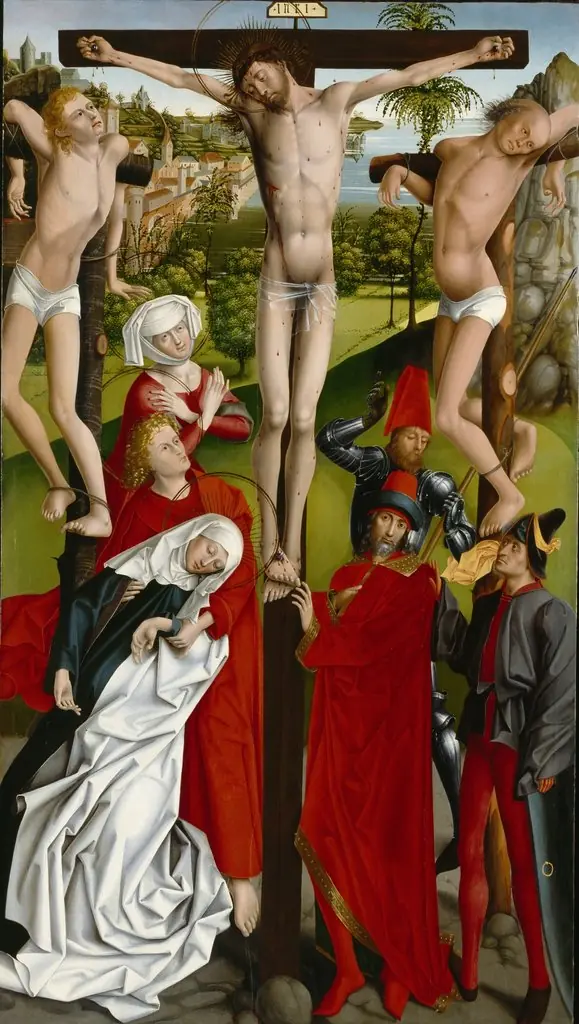 The Crucifixion