Artwork
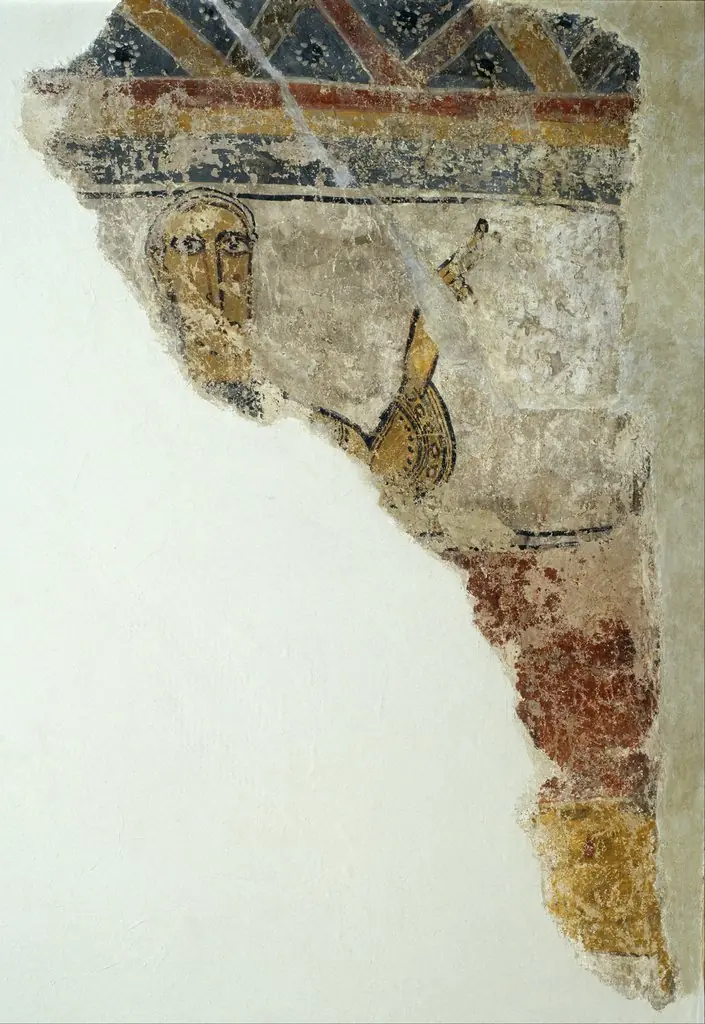
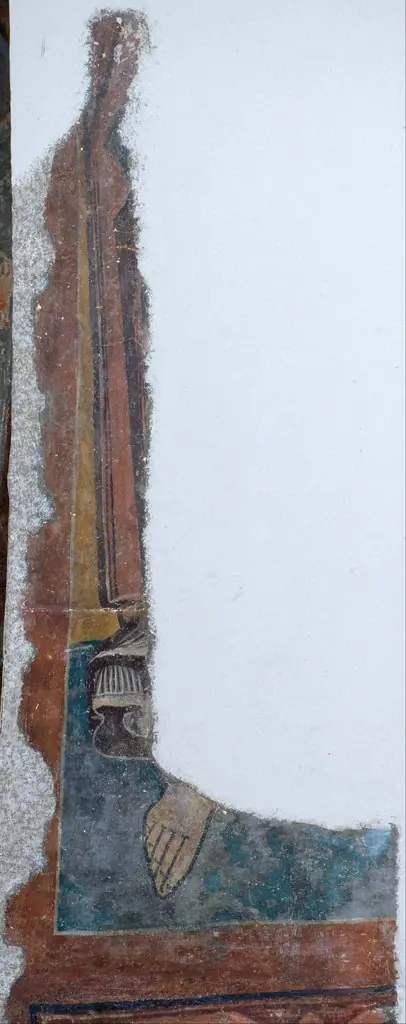
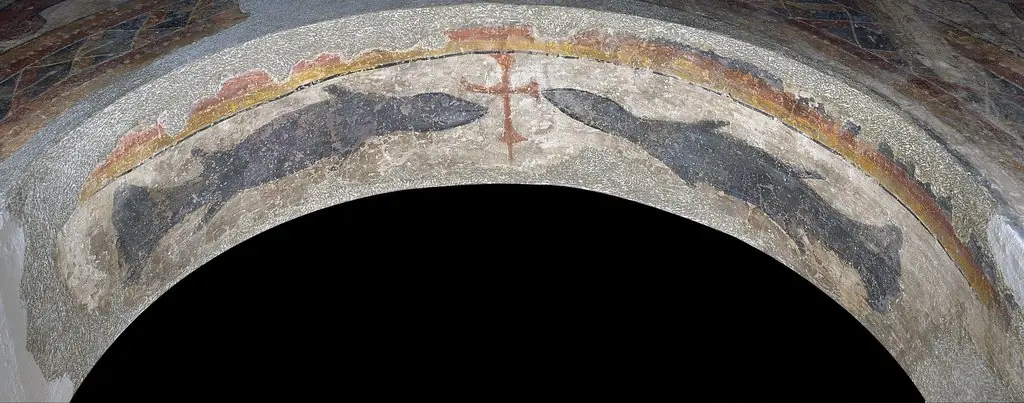
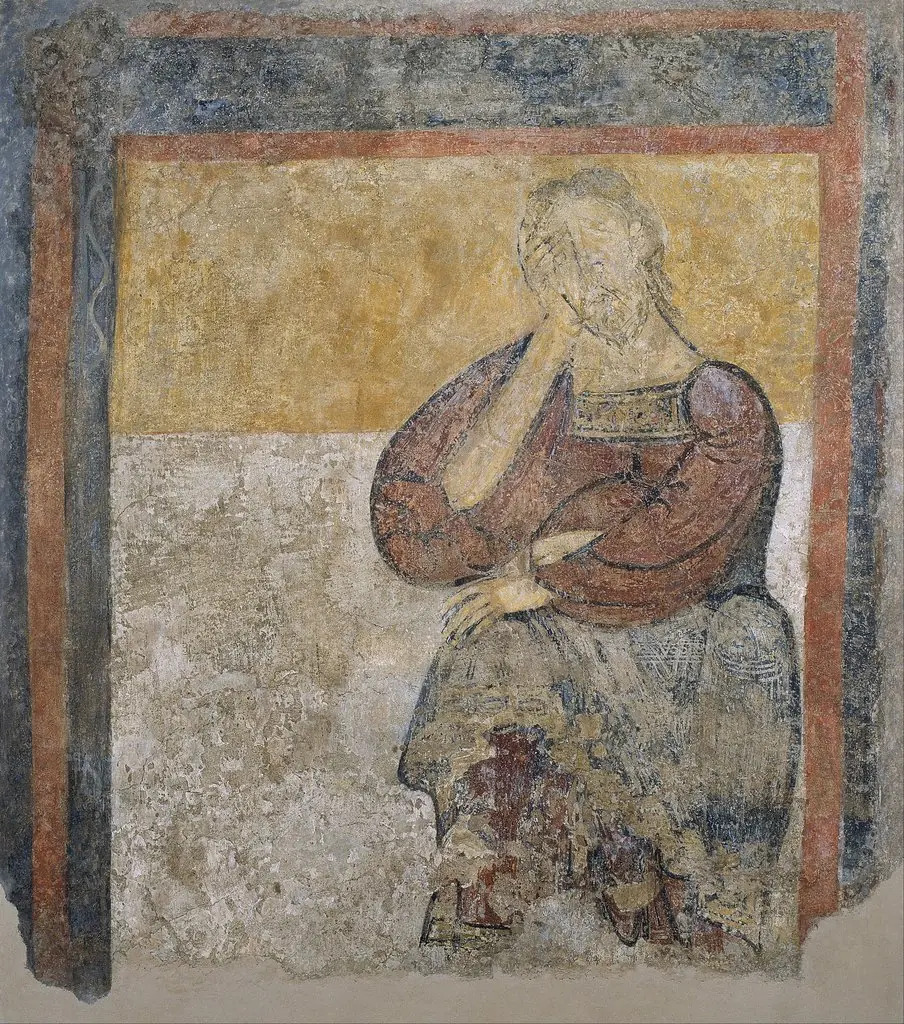
Man with two cups from Santa Maria de Taüll
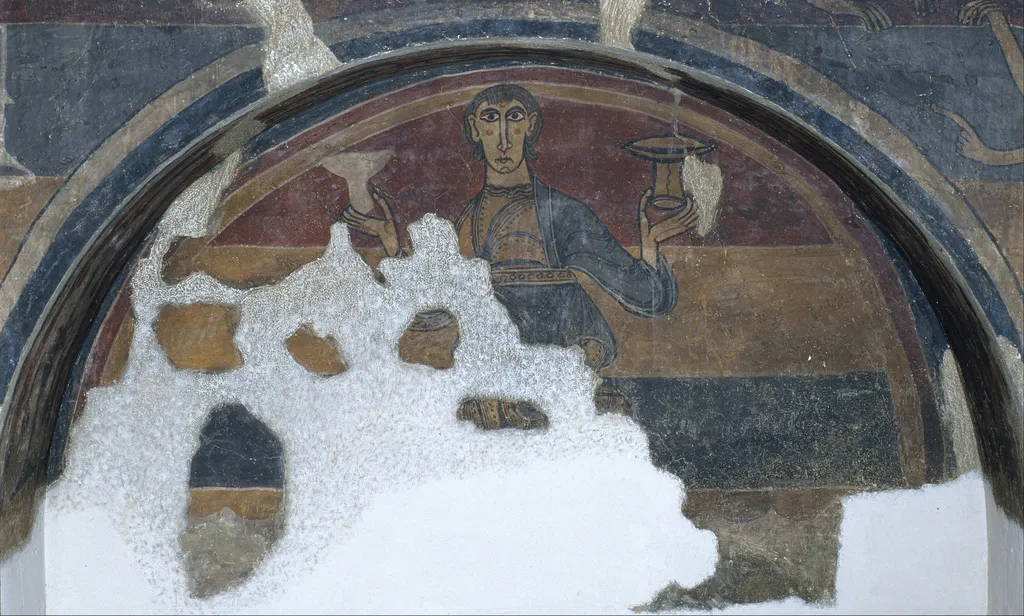
Man with two cups from Santa Maria de Taüll is an unspecified painting by Master of the Day of Judgement. It dates from 1123 and is held in the collection of the Museu Nacional d'Art de Catalunya. Created in 1123, this early‑12th‑century panel depicts a solitary figure holding a cup in each hand.
About this work
The painting is characteristic of the work of the Master of the Day of Judgement, who was active in the early 12th century.
This painting features a man holding two cups, one in each hand. The man is dressed in a long-sleeved shirt and has short hair. The background of the painting is a mix of red, blue, and brown colors.
The man's facial expression is neutral, and his posture is relaxed. The cups he holds are simple in design, with no visible handles or decorations. The overall atmosphere of the painting is calm and serene.
The painting is characteristic of the work of the Master of the Day of Judgement, who was active in the early 12th century. To learn more about the artist's techniques and style, look up the Master of the Day of Judgement.
Overview
Created in 1123, this early‑12th‑century panel depicts a solitary figure holding a cup in each hand. Executed by the anonymous artist known as the Master of the Day of Judgement, the work now belongs to the collection of the Museu Nacional d'Art de Catalunya. Its modest dimensions and restrained palette place it among the devotional images produced for the church of Santa Maria de Taüll.
Subject & Meaning
The central figure, a man with short hair and a plain long‑sleeved garment, presents two simple vessels, one per hand. The neutral expression and calm stance suggest a liturgical function, possibly representing a priest offering sacramental cups or an allegorical personification of the dual aspects of the Eucharist. The lack of ornamentation directs attention to the act of offering rather than personal identity.
Technique & Style
The painting employs a limited chromatic scheme of reds, blues, and earth tones, applied in flat, opaque layers typical of Romanesque panel work. The cups are rendered without handles or decorative motifs, emphasizing form over detail. Brushwork is economical, producing a smooth surface that reinforces the serene atmosphere and reflects the Master of the Day of Judgement’s characteristic simplicity.
History & Provenance
Originally part of the decorative program of Santa Maria de Taüll, the panel survived the dissolution of the monastic complex and entered the national museum’s holdings in the early 20th century. Its attribution to the Master of the Day of Judgement rests on stylistic parallels with other surviving frescoes and panels linked to that workshop, confirming its place within the broader corpus of Catalan Romanesque art.
Artist & collection
Artist
Master of the Day of Judgement
This anonymous painter from medieval Spain decorated the walls of Santa Maria de Taüll with bold, flat figures and patterned designs.

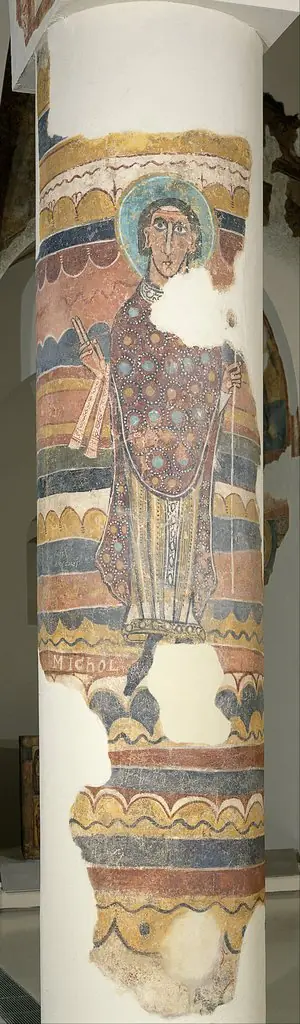 Saint Nicholas from Santa Maria de Taüll
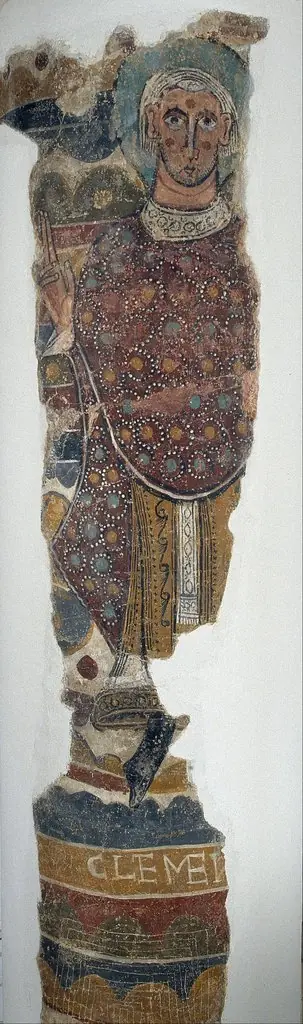 Saint Clement from Santa Maria de Taüll
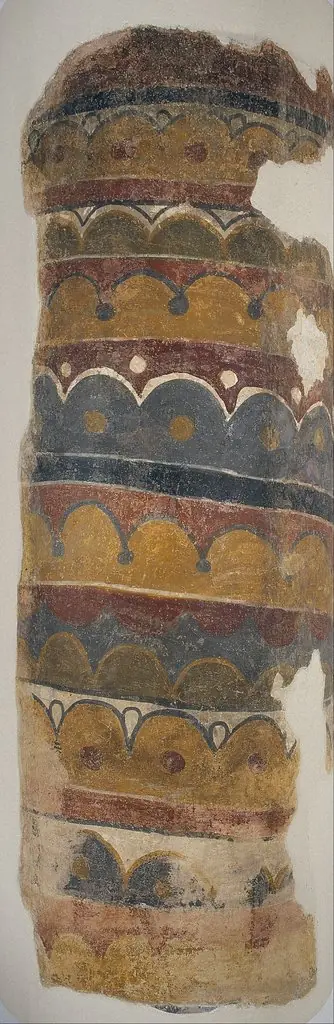 Decorated shaft from Santa Maria de Taüll
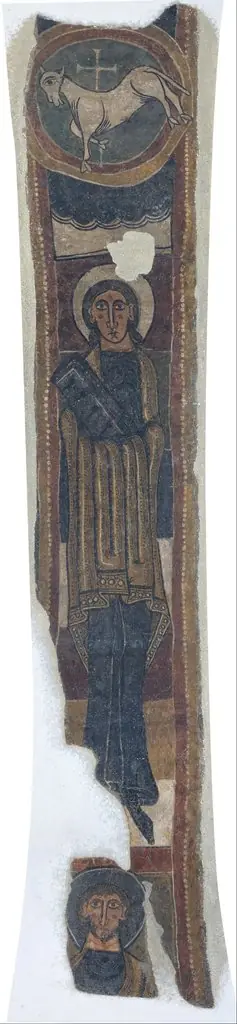 Lamb of God and saints from Santa Maria de Taüll
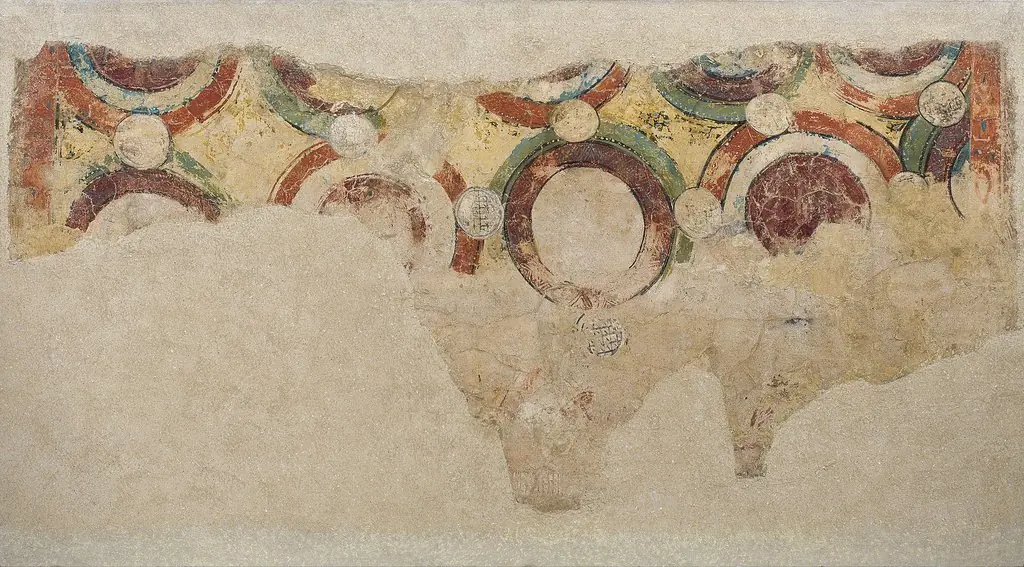 Altar of Santa Maria de Taüll
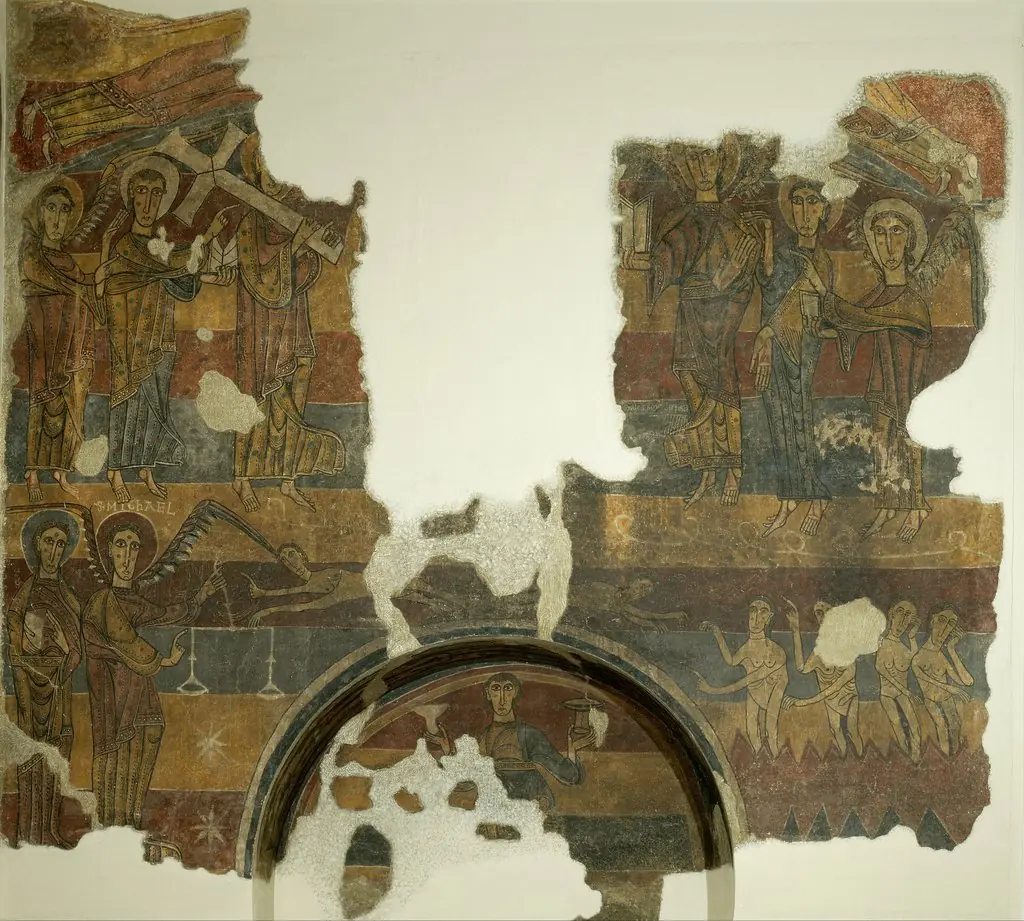 The Day of Judgement from Santa Maria de Taüll
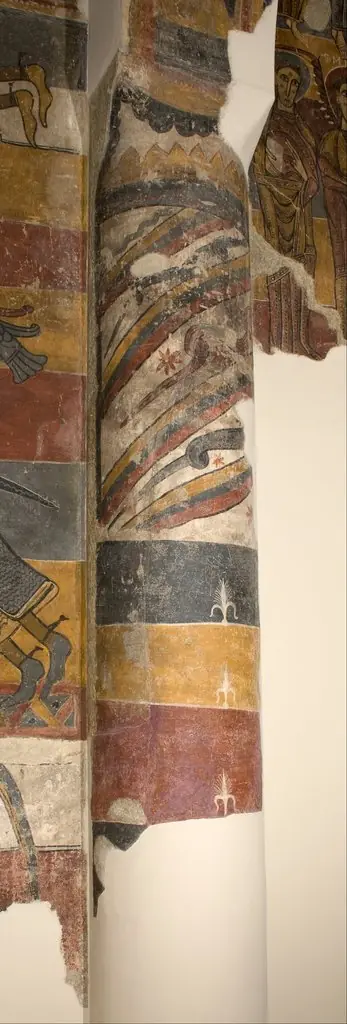 Decorated shaft and capital from Santa Maria de Taüll
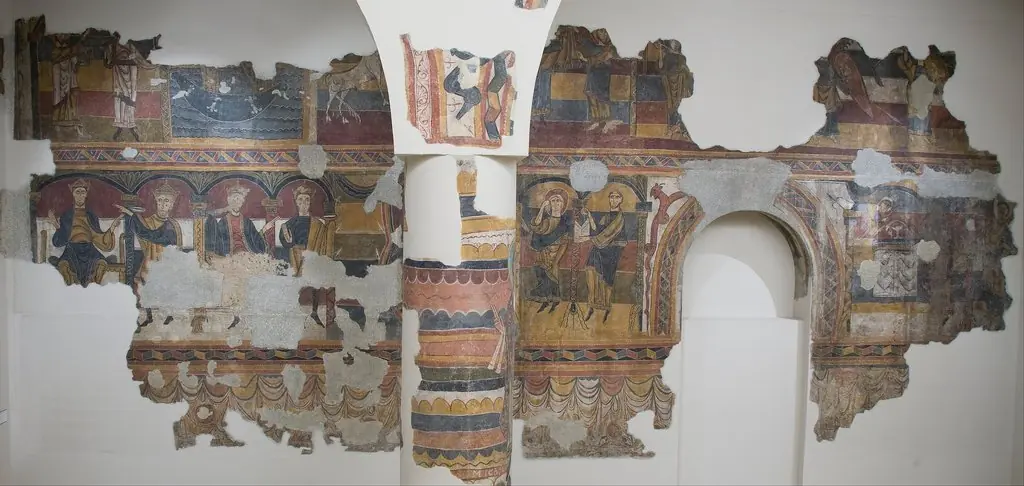 Biblical scenes from Santa Maria de Taüll