Artwork
Zintilomo (Gentleman)
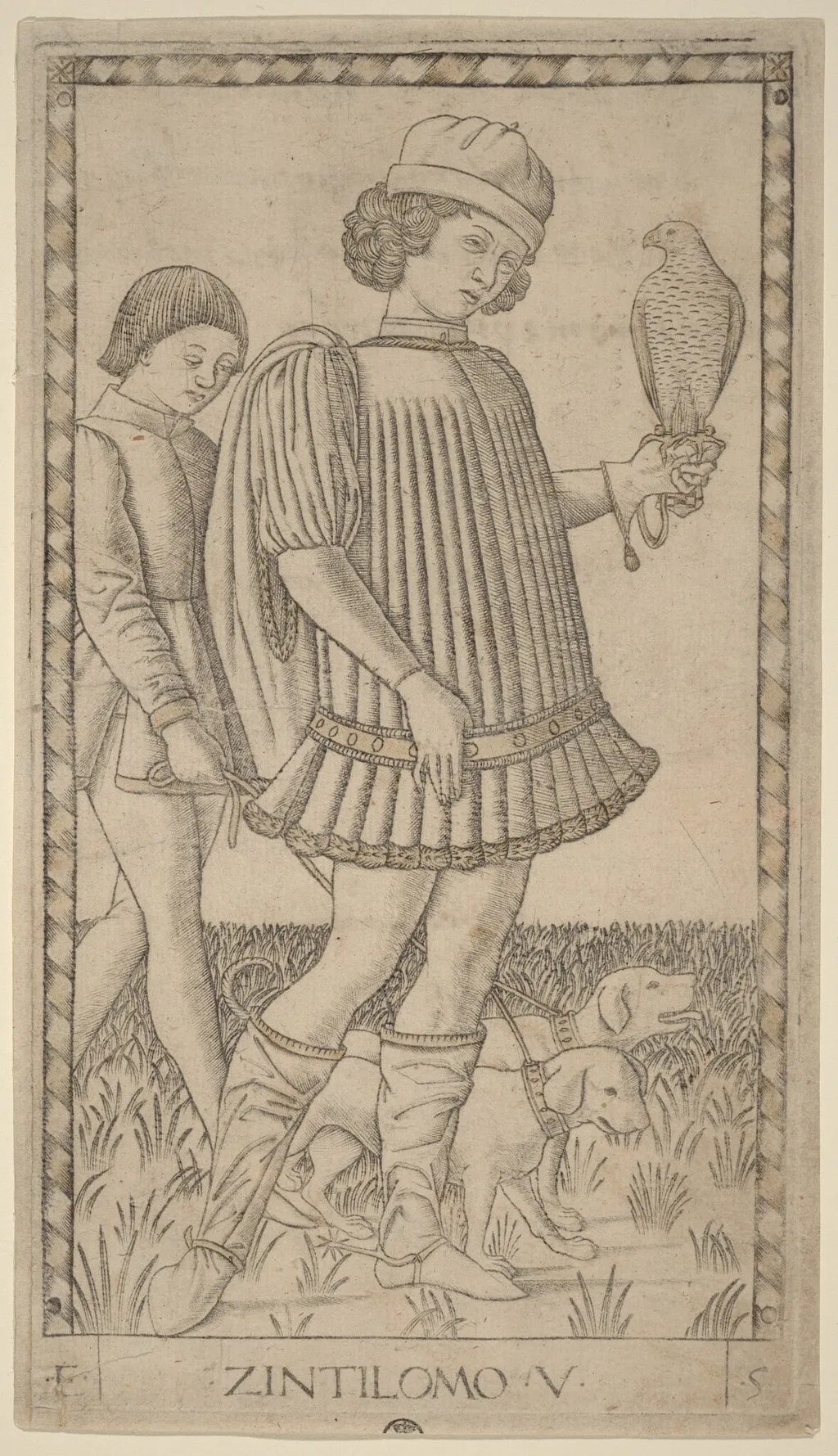
Zintilomo (Gentleman) is an ink print by the Renaissance artist Master of the E-Series Tarocchi. It dates from 1465 and is held in the collection of the National Gallery of Art.
About this work
Overview
Zintilomo, also known as Gentleman, is an early Renaissance engraving executed around 1465 by the anonymous artist identified as the Master of the E‑Series Tarocchi. The work is a small printed image that incorporates traces of gilding, a technique occasionally applied to enhance the visual impact of prints in the mid‑15th century.
Subject & Meaning
The composition presents a well‑dressed gentleman of the fifteenth century, his attire richly detailed with buttons and pleated folds, holding a trained hawk on a gloved hand. A modestly clad boy leans toward the figure, while two diminutive dogs rest in the grassy foreground, suggesting themes of status, leisure, and the courtly practice of falconry.
Technique & Style
The engraving is characterized by fine, closely spaced lines that model the textures of fabric, feather, and grass, creating a subtle sense of volume. Shading is achieved through cross‑hatching, a hallmark of early printmaking, while the occasional gilded accents highlight specific elements, underscoring the work’s luxurious intent.
History & Provenance
Attributed to the Master of the E‑Series Tarocchi, an anonymous workshop active in northern Italy during the 1460s, the print reflects the period’s growing interest in secular subjects. The piece survives in a limited number of impressions, most of which entered private collections before being acquired by museums in the twentieth century.
Context
Produced at a time when printmaking was emerging as a vehicle for disseminating both religious and secular imagery, Zintilomo illustrates the diffusion of courtly motifs beyond manuscript illumination. Its depiction of falconry aligns with contemporary aristocratic pursuits, while the inclusion of a servant figure hints at social hierarchies prevalent in Renaissance Italy.
Artist & collection
Artist
Master of the E-Series Tarocchi
Master of the E-Series Tarocchi (b. 1400) was an Italian artist.

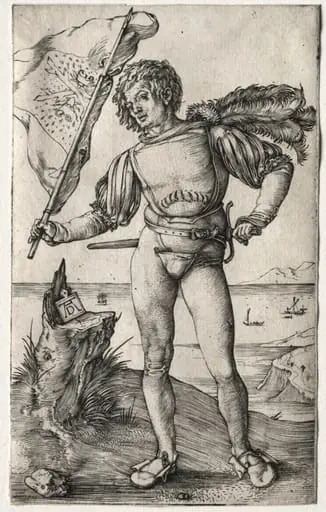 The Burgundian Standard Bearer
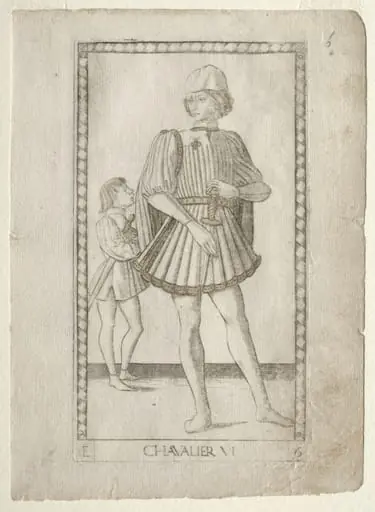 The Knight (from the Tarocchi, series E: Conditions of Man, #6)
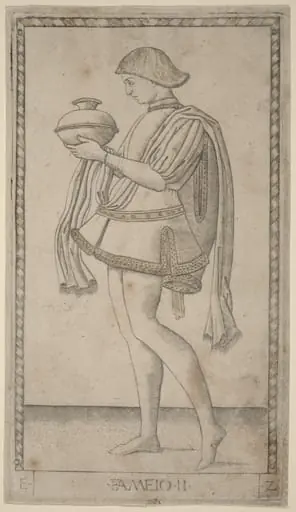 Fameio (Servant)
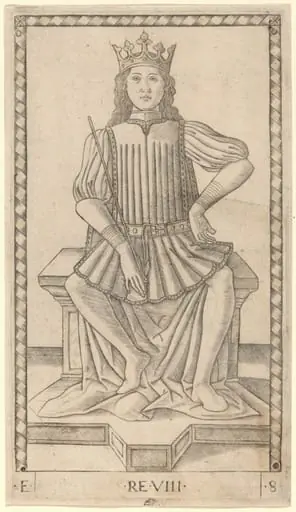 Re (King)
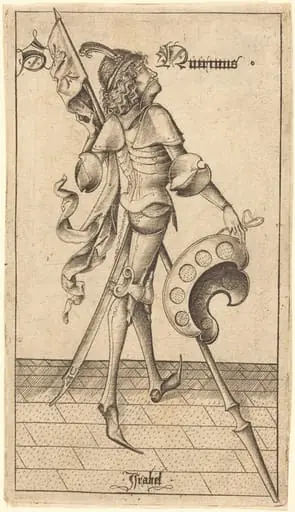 Saint Quirinus of Neuss
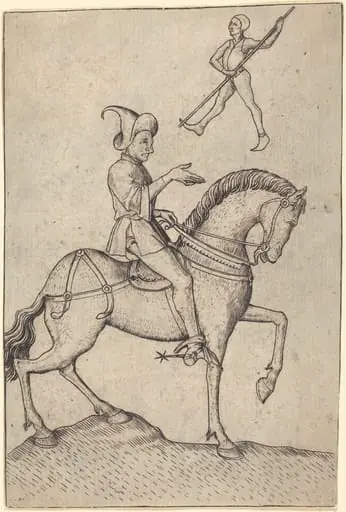 The Knight of Men
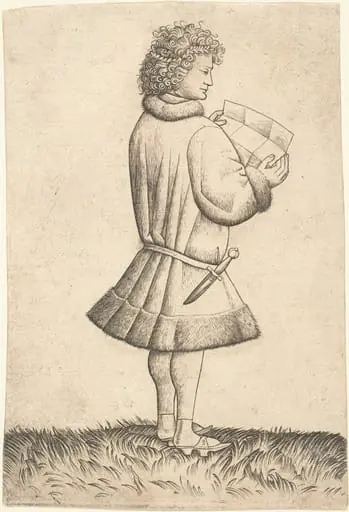 A Poet Reading
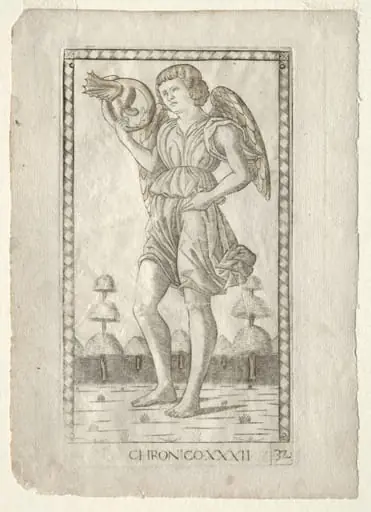 Genius of Time (from the Tarocchi, series B: Cosmic Principles & Virtues, #32)
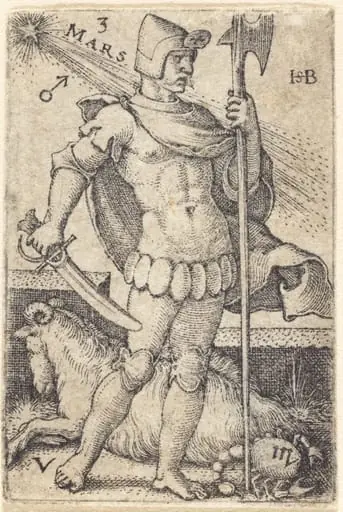 Mars
Mars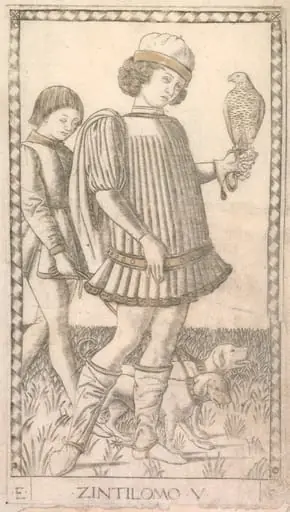 Gentleman (from the Tarocchi series E: Conditions of Man, #5)