Artwork
Triptych with the Life Story of Solomon
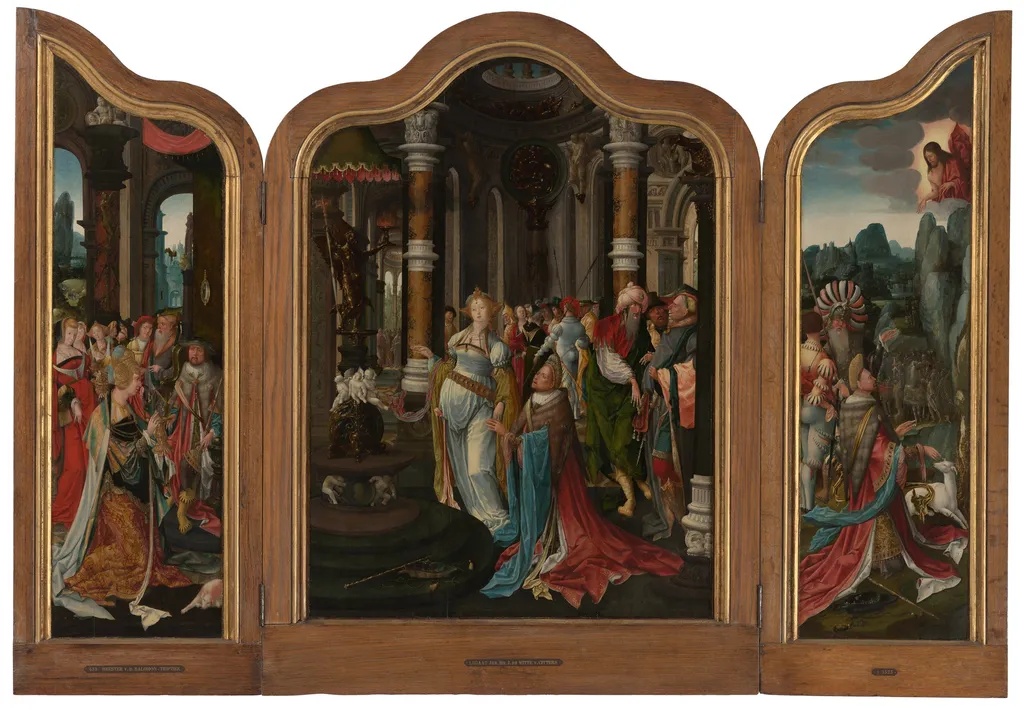
Triptych with the Life Story of Solomon is an oil painting by the Early Baroque Italian artist Master of the King Solomon Triptych. It dates from 1521 and is held in the collection of the Mauritshuis.
About this work
Overview
Triptych with the Life Story of Solomon is an oil painting executed in 1521 by the anonymous artist known as the Master of the King Solomon Triptych. The work is composed of three hinged panels and is part of the collection of the Mauritshuis in The Hague.
Subject & Meaning
The central panel presents a woman in a blue dress surrounded by a varied group of figures, including a man in a red robe and another woman in white, suggesting a narrative moment from the biblical account of King Solomon. The flanking panels continue the story, with the left showing a gathering around a female figure and the right depicting a woman in red accompanied by a man in a white robe, together illustrating episodes from Solomon’s life.
Technique & Style
Rendered in oil on panel, the triptych displays the meticulous detail and rich coloration characteristic of the Northern Renaissance. The artist’s handling of light and layered pigments creates depth and texture, especially in the fabrics and facial expressions, guiding the viewer’s attention toward the central figure.
History & Provenance
Created in the early sixteenth century, the work has remained in the Netherlands and is now housed in the Mauritshuis. Its attribution to the Master of the King Solomon Triptych reflects a scholarly consensus based on stylistic parallels with other works of the same hand.
Context
The painting belongs to a period when biblical narratives were frequently commissioned for private devotion or ecclesiastical settings. Its triptych format allowed for a sequential visual retelling of Solomon’s story, aligning with contemporary devotional practices that emphasized contemplation of scriptural episodes.
Artist & collection
Artist
Master of the King Solomon Triptych
A Dutch painter active around the early 1500s, this anonymous artist made vivid, multi-panel religious scenes.

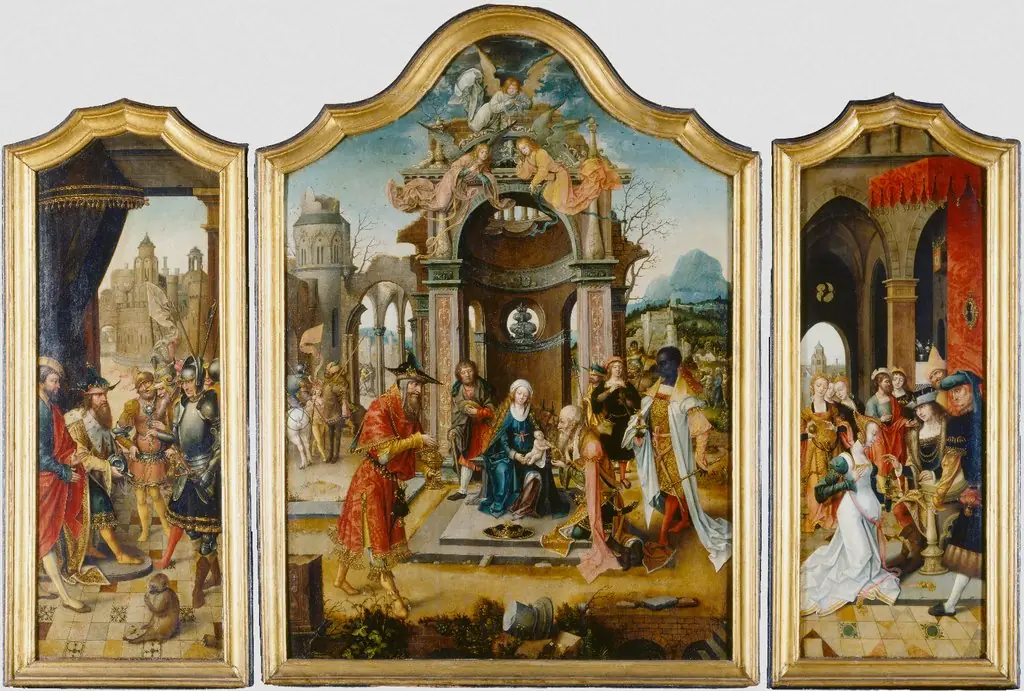 Triptych of the Adoration of the Magi
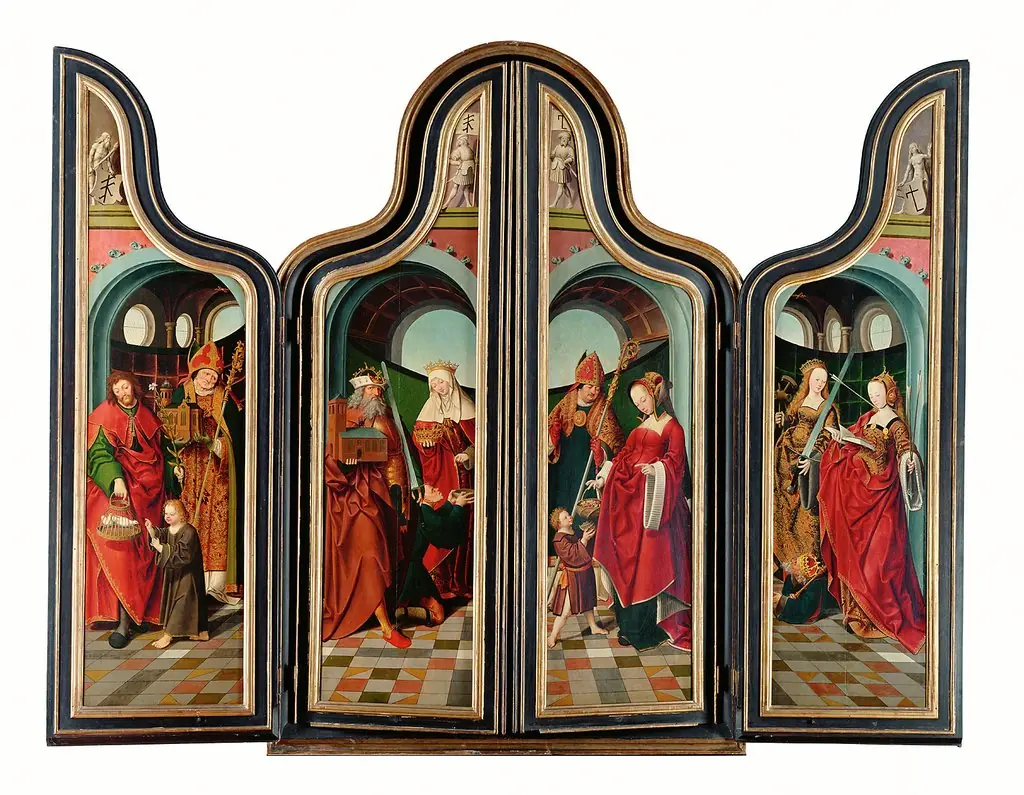 Hieronymus altarpiece
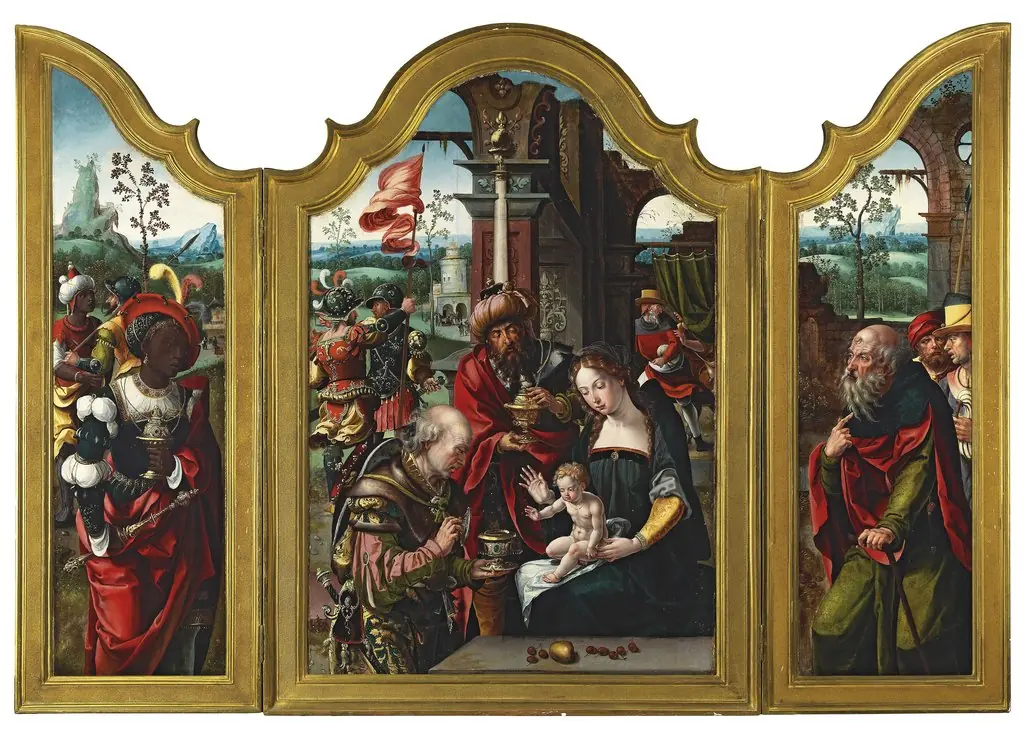 Adoration of the Magi
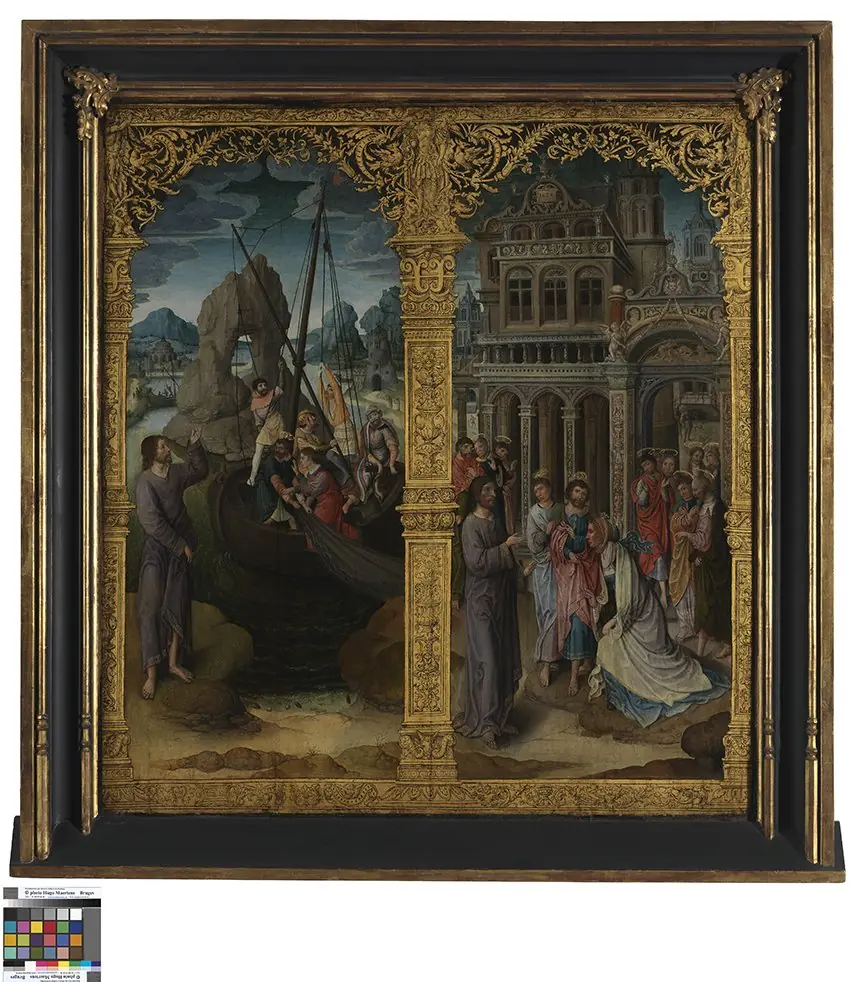 The Calling of James and John
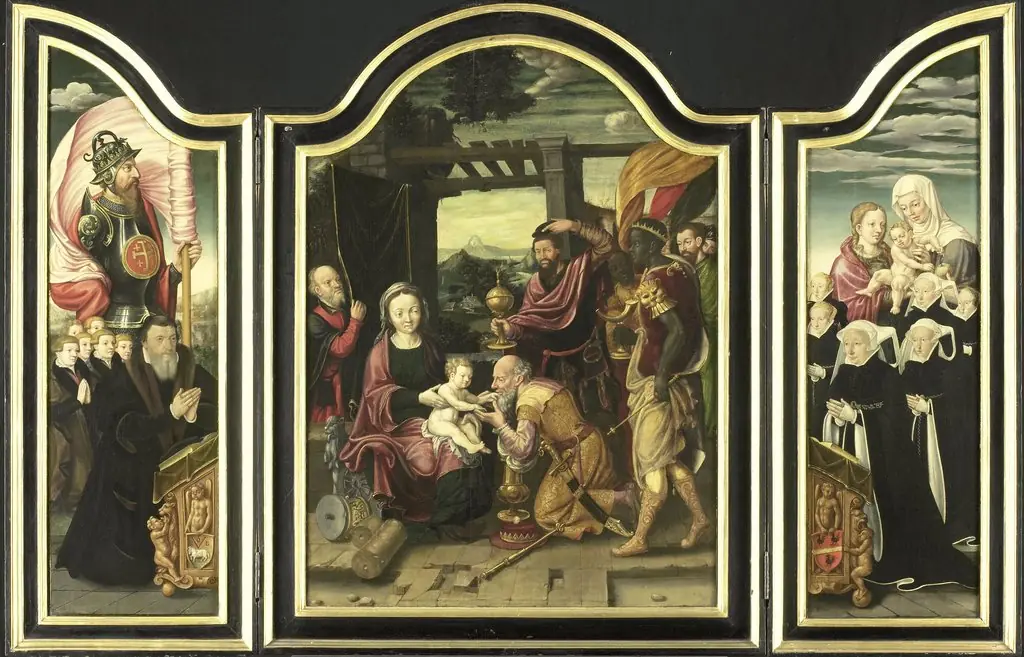 Triptych with the Adoration of the Magi
 Triptych with adoration by the Magi
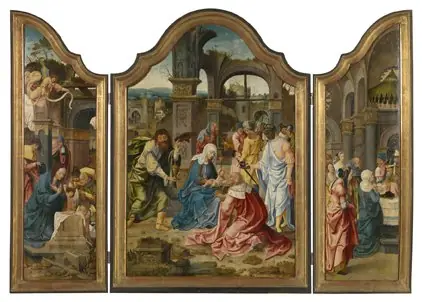 Triptych with the adoration of the magi
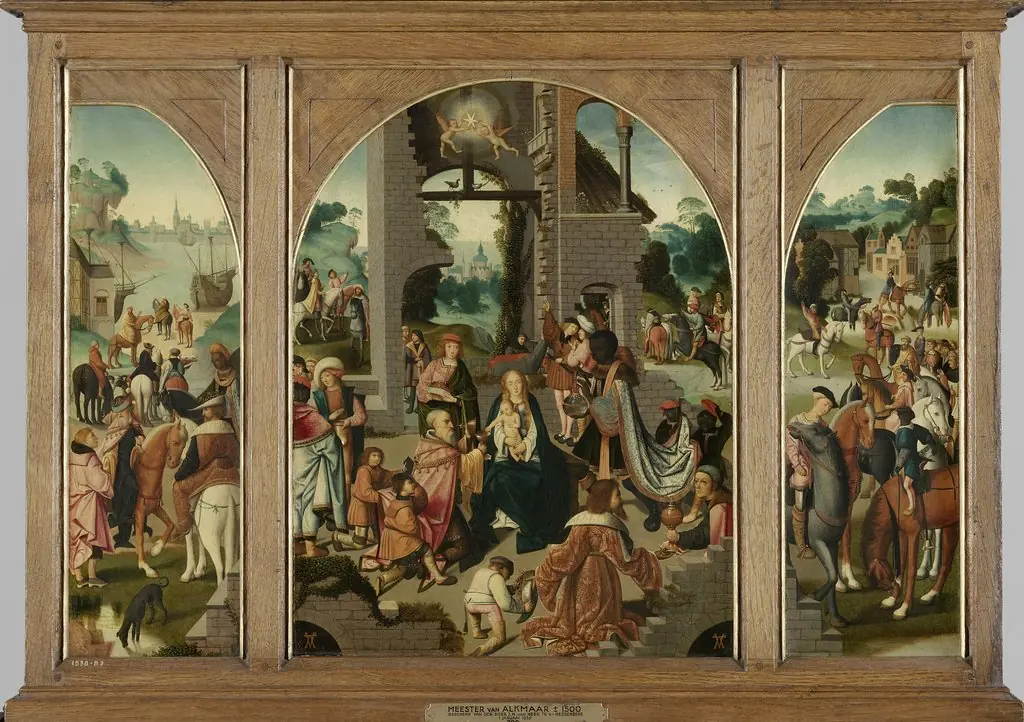 Triptych with the adoration of the Magi (centre panel and inner wings), St Antony Abbot (outer left wing) and St Adrian (outer right wing)
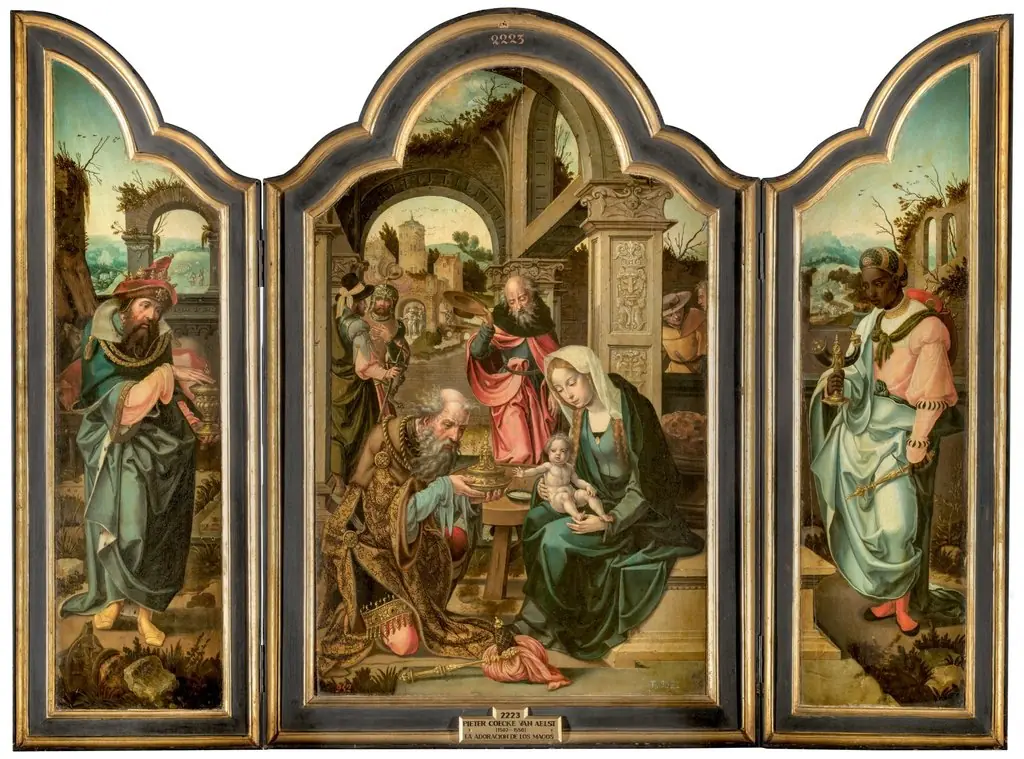 The Adoration of the Magi
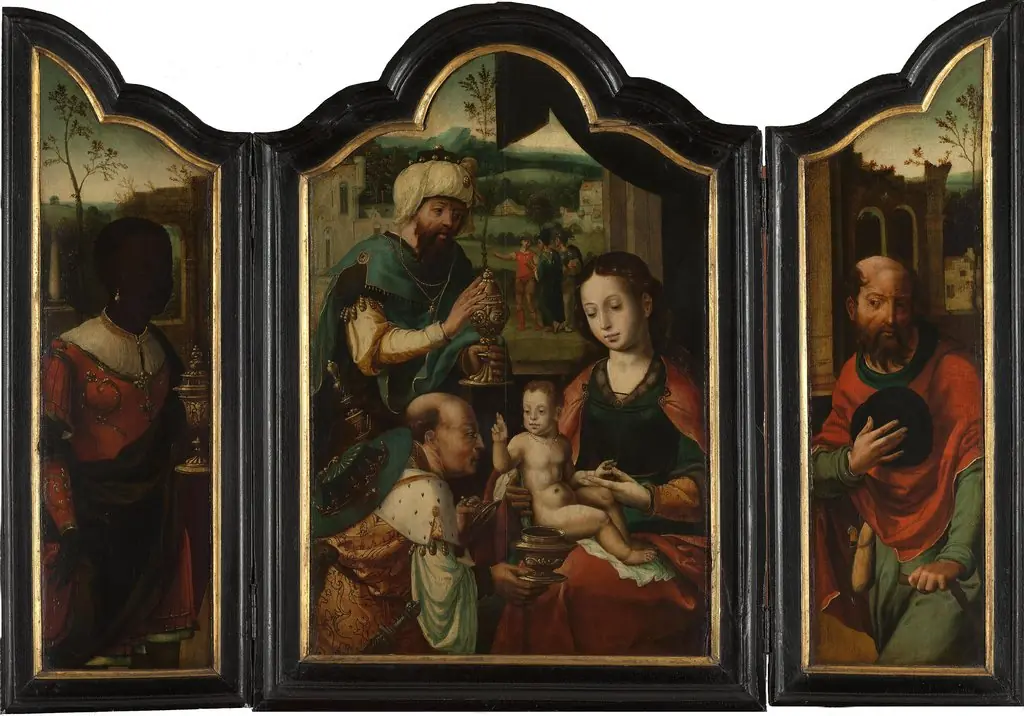 Triptych with Adoration of the Magi
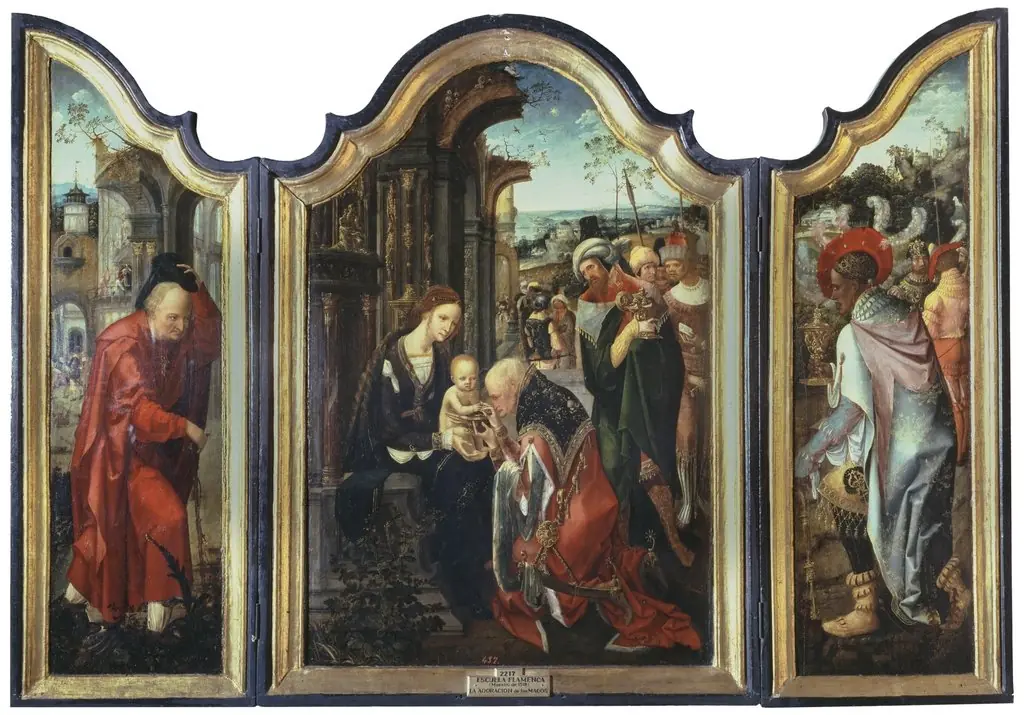 Adoration of the Magi
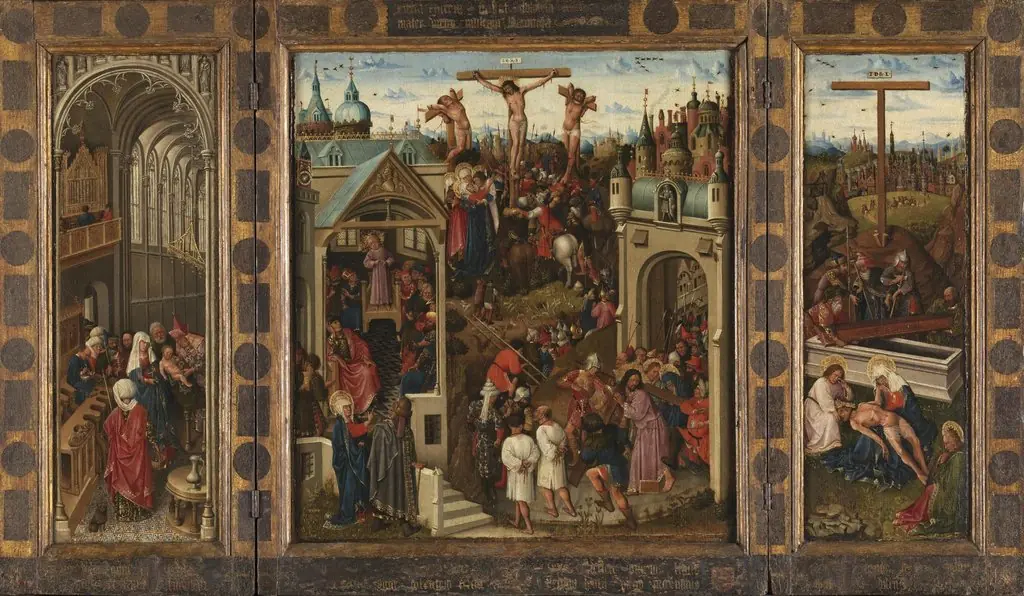 Triptych with Scenes from the Life of Christ