Artwork
Landslide (Opus IV, 6)
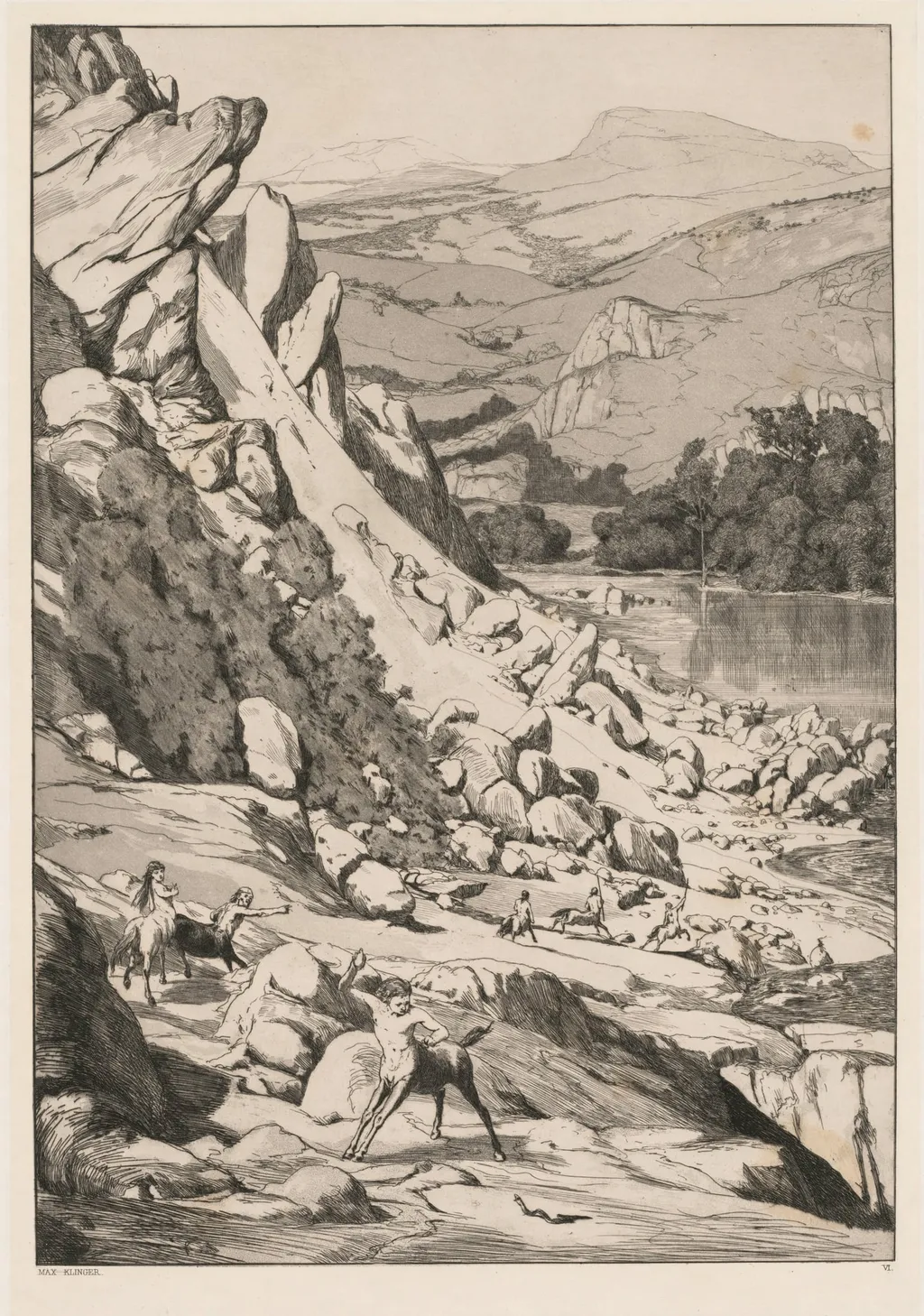
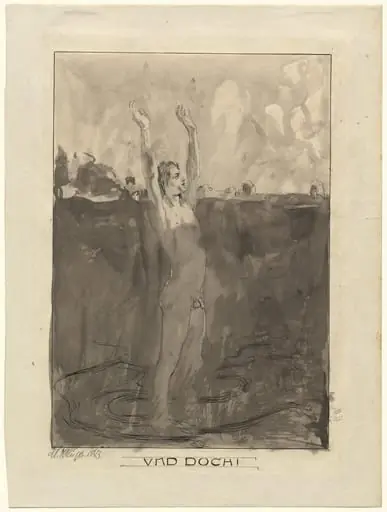
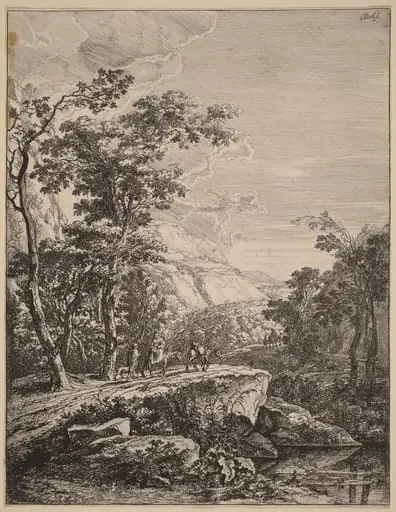
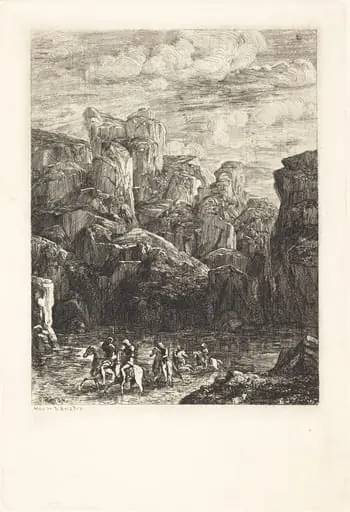
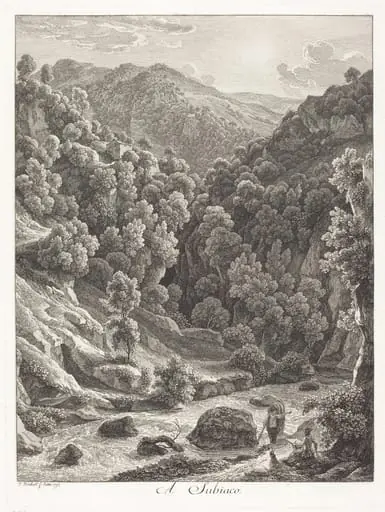
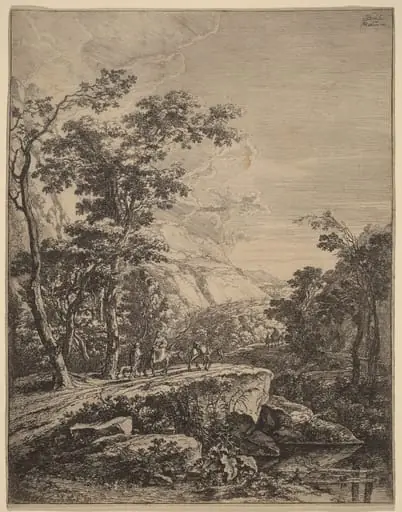
Landslide (Opus IV, 6) is a print by the Impressionist artist Max Klinger. It dates from 1881 and is held in the collection of the Cleveland Museum of Art.
About this work
Overview
Though known for sculpture and painting, Klinger gained particular recognition for his graphic works, where he merged narrative depth with technical precision.
Created in 1881, *Landslide (Opus IV, 6)* is a print by German artist Max Klinger, part of a larger series exploring psychological and natural forces. Though known for sculpture and painting, Klinger gained particular recognition for his graphic works, where he merged narrative depth with technical precision. This piece belongs to his print cycle Opus IV, reflecting his interest in the sublime and the unstable.
Subject & Meaning
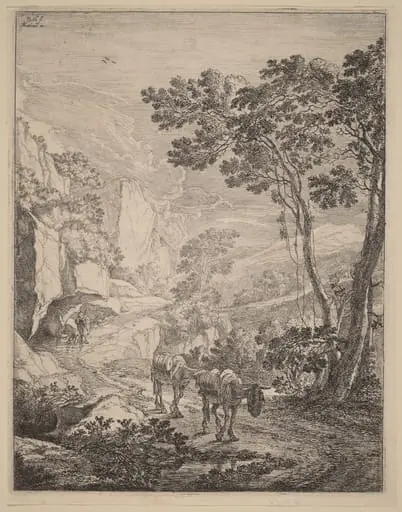
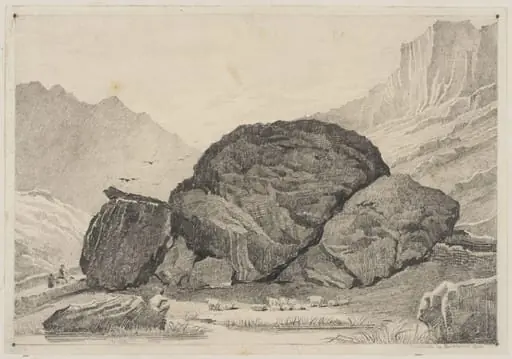
The print portrays a volatile landscape of towering rocks and steep slopes, with distant human figures rendered small against the scale of nature. The scene suggests imminent geological collapse, evoking themes of fate, impermanence, and human vulnerability. Klinger avoids literal storytelling, instead using the landslide as a metaphor for uncontrollable forces—both natural and inner—that disrupt order.
Technique & Style
Klinger employed etching and aquatint to achieve rich tonal gradations and textured surfaces. His use of chiaroscuro intensifies the sense of depth and impending motion, with dark, heavy masses contrasting against lighter, fractured areas. The style blends detailed realism with symbolic abstraction, characteristic of his alignment with Symbolist aesthetics and the decorative lines of Jugendstil.
History & Provenance
The print was produced during Klinger’s most prolific period in graphic arts, shortly after his return from Italy. It was included in the original edition of Opus IV, a portfolio circulated among collectors and artists in Germany and Austria. While specific early ownership records are sparse, the work entered major institutional collections by the early 20th century, reflecting its standing in print circles.
Context
In the 1880s, German and Austrian artists were redefining printmaking as a vehicle for complex ideas, moving beyond illustration. Klinger’s work responded to broader cultural anxieties about modernity, science, and the subconscious. *Landslide* aligns with contemporaneous explorations of nature’s power in Symbolist circles, contrasting with the optimism of industrial progress.
Legacy
Klinger’s graphic works, including *Landslide*, influenced later Expressionist and Surrealist printmakers through their psychological intensity and technical innovation. The piece remains a key example of how 19th-century printmaking could convey existential themes without narrative clarity. It is studied today for its synthesis of craftsmanship and symbolic resonance in the transition from realism to modern abstraction.
Artist & collection
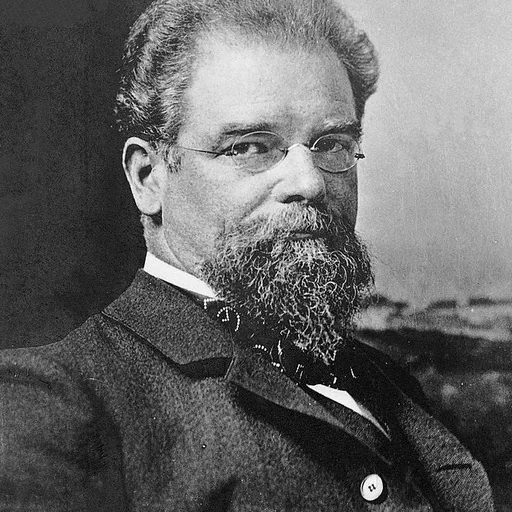
Artist
Max Klinger (18 February 1857 – 5 July 1920) was a German artist who produced significant work in painting, sculpture, prints and graphics, as well as writing a treatise articulating his ideas on art and the role of…