Artwork
Virgin and Child in a Courtyard
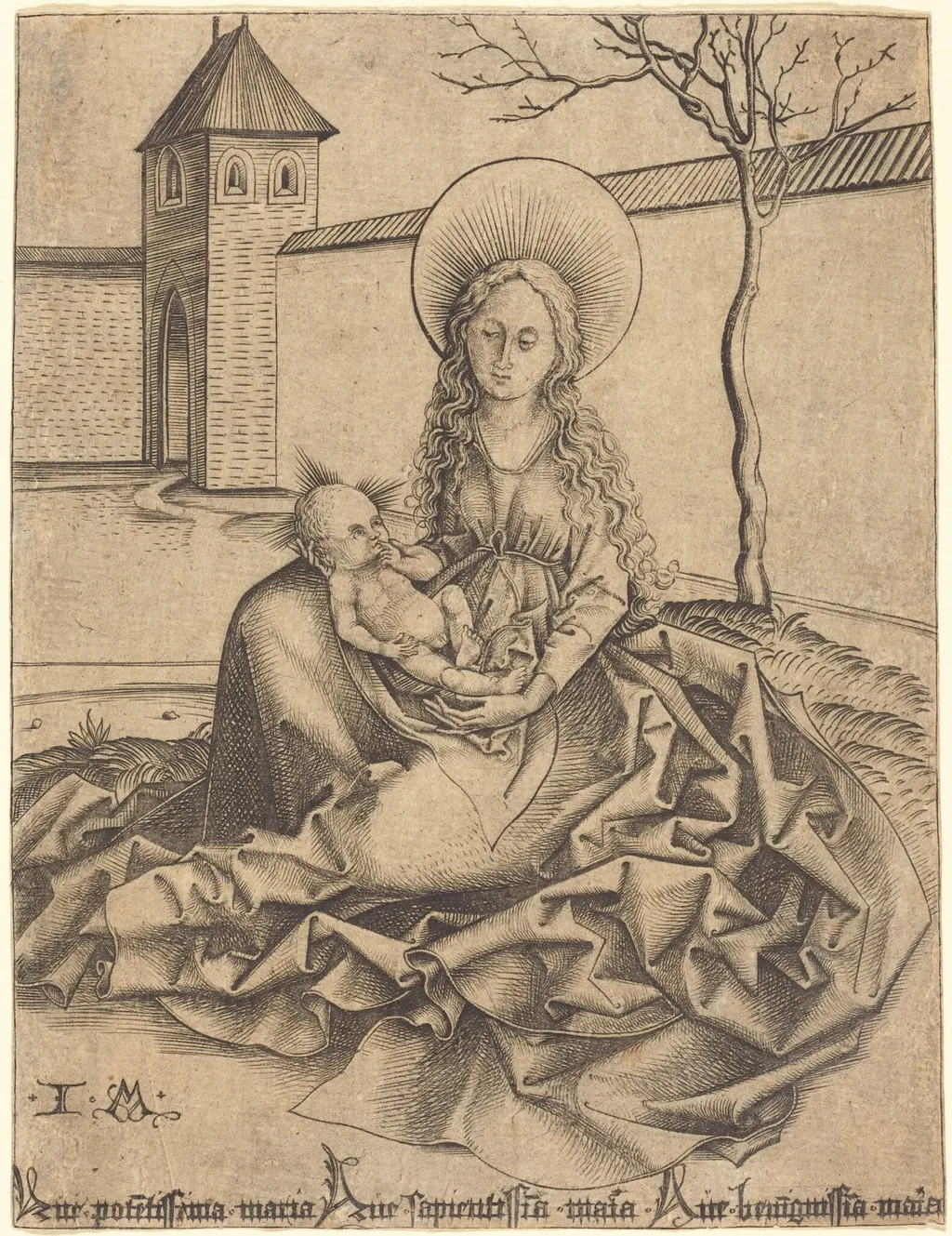
Virgin and Child in a Courtyard is an ink print by the Renaissance artist Israhel van Meckenem. It dates from 1474 and is held in the collection of the National Gallery of Art.
About this work
Overview
Working as both a goldsmith and engraver, van Meckenem specialized in detailed reproductive works, often reinterpreting compositions by contemporaries.
Created in 1474 by Israhel van Meckenem, this engraving is one of over six hundred prints produced by the German artist, who was among the most active printmakers of the late 15th century. Working as both a goldsmith and engraver, van Meckenem specialized in detailed reproductive works, often reinterpreting compositions by contemporaries. This piece exemplifies his technical precision and engagement with devotional imagery popular in Northern Europe at the time.
Subject & Meaning
The image presents the Virgin Mary seated with the Christ Child on a natural stone ledge within a walled courtyard. Mary’s halo and the child’s gesture toward her suggest a moment of intimate spiritual connection. The enclosed setting, framed by a modest stone structure with a tower, evokes a contemplative space, aligning with devotional traditions that emphasized Mary’s role as both mother and sacred figure. The bare tree and sparse vegetation hint at the season or the transient nature of earthly life.
Technique & Style
Van Meckenem employed fine, controlled lines to model form and texture, particularly in the folds of Mary’s robe and the roughness of the stone. The engraving’s delicate shading, achieved through cross-hatching and fine parallel lines, creates subtle tonal variations without relying on wash or tone. The composition is tightly framed, focusing attention on the figures against a minimal background, a hallmark of early Netherlandish engraving that prioritized clarity and detail over expansive space.
History & Provenance
The print was made during the height of van Meckenem’s career in the Rhineland, a region known for its thriving print culture. While the exact early ownership of this specific impression is undocumented, similar engravings by the artist circulated widely across Europe, often collected by clergy and wealthy laypeople for private devotion. Its survival in multiple states suggests it was reworked and reprinted, reflecting its popularity and the commercial nature of print production in the period.
Context
In the decades before the Reformation, devotional images of the Virgin and Child were central to personal piety in Northern Europe. Engravings like this one offered accessible, portable alternatives to painted altarpieces, allowing individuals to engage with sacred subjects in domestic settings. Van Meckenem’s adaptations of earlier compositions reflect a broader trend of artists reworking established iconography to meet growing demand for religious imagery in print form.
Legacy
Van Meckenem’s prolific output helped standardize the technical possibilities of engraving and expanded the reach of religious imagery beyond elite patrons. Though less celebrated than later printmakers, his work laid groundwork for the dissemination of visual narratives in print. This engraving, like many of his, survives in multiple copies, testifying to its role in shaping devotional practices and the early modern print market.
Artist & collection
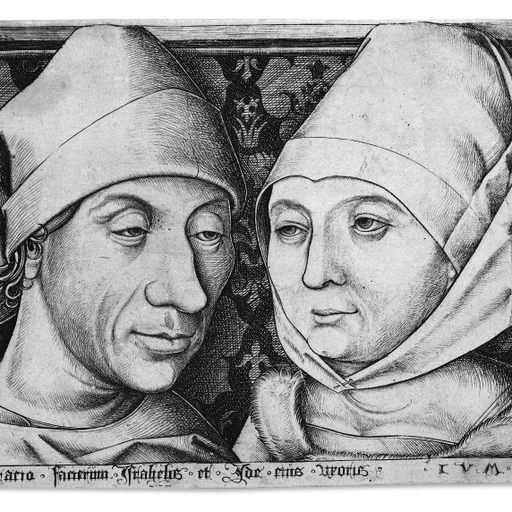
Artist
Israhel van Meckenem (c. 1445 – 10 November 1503), also known as Israhel van Meckenem the Younger, was a German printmaker and goldsmith, perhaps of a Dutch family origin. He was the most prolific engraver of the…

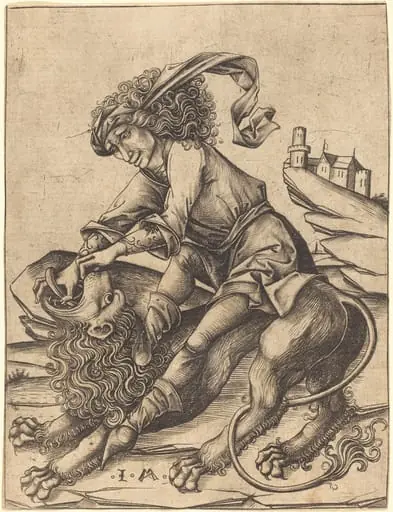
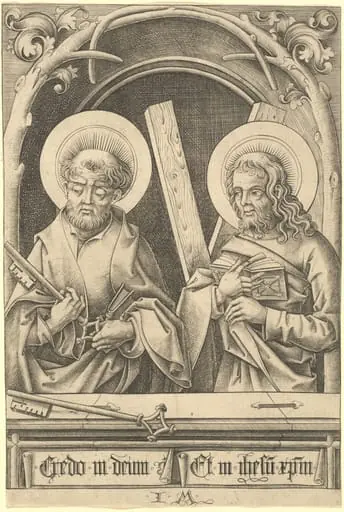
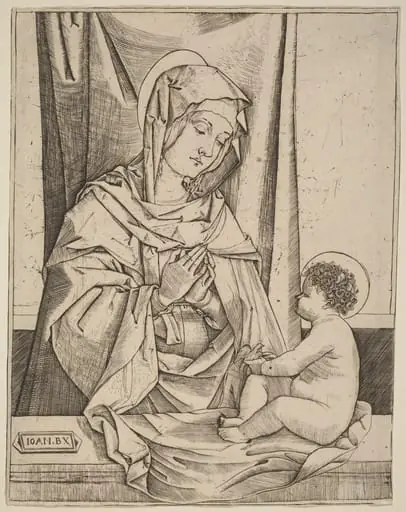 The Virgin and Child
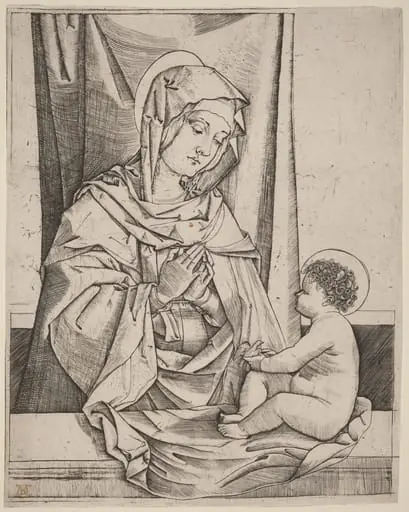 The Virgin and Child
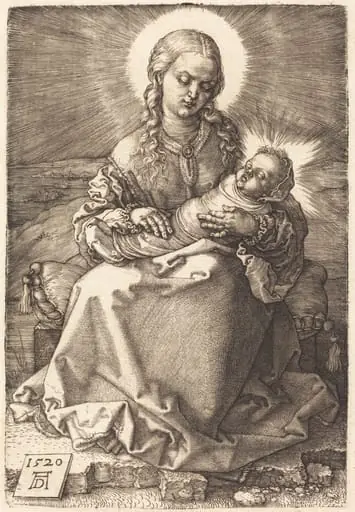 The Virgin with the Swaddled Child
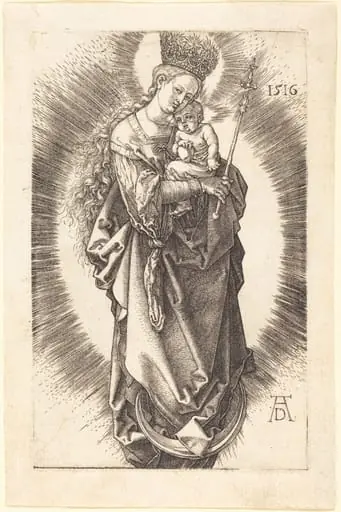 The Virgin and Child on a Crescent with a Sceptre and a Starry Crown
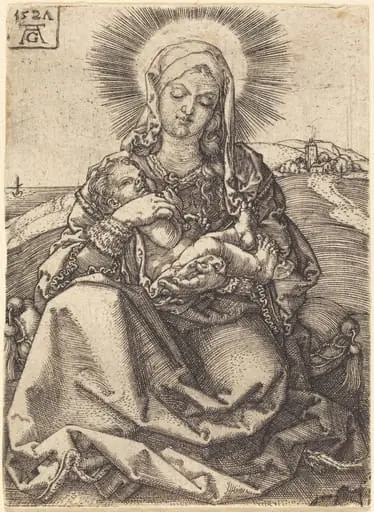 Madonna in a Landscape Sitting on a Cushion
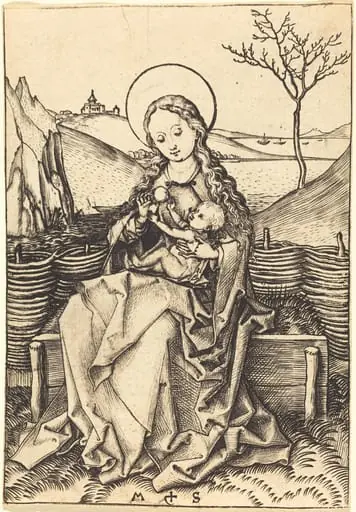 Virgin and Child on a Grassy Bench
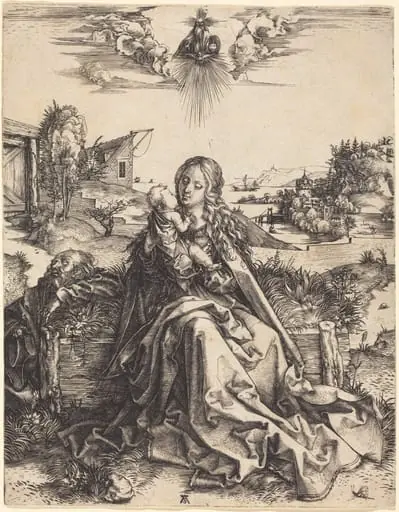 The Holy Family with the Mayfly
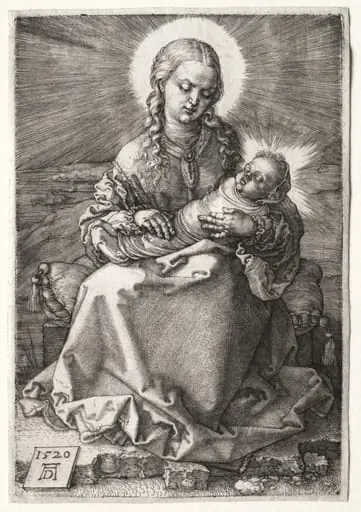 The Virgin with the Swaddled Child
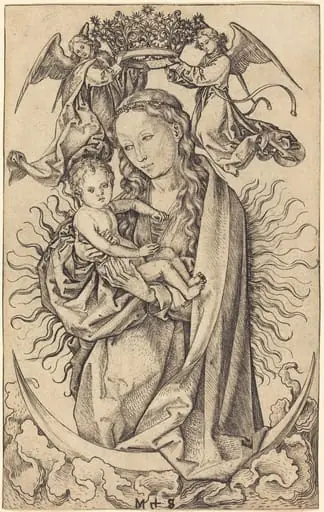 Madonna on the Crescent
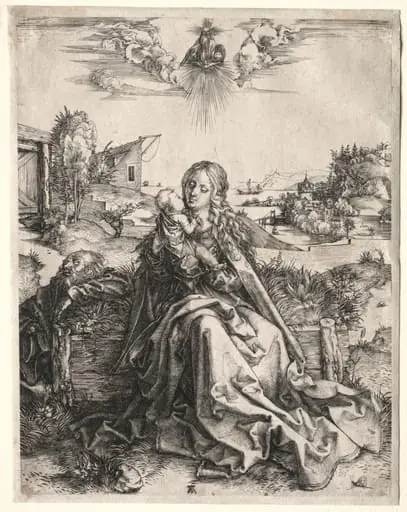 Holy Family with the Butterfly
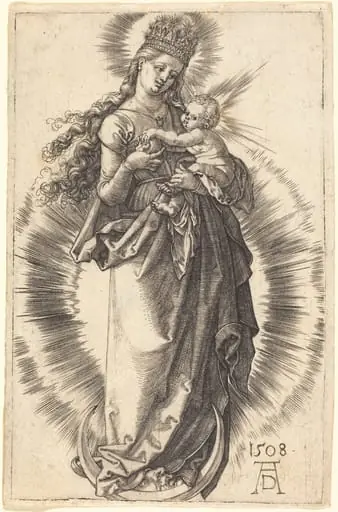 The Virgin and Child on a Crescent with a Starry Crown
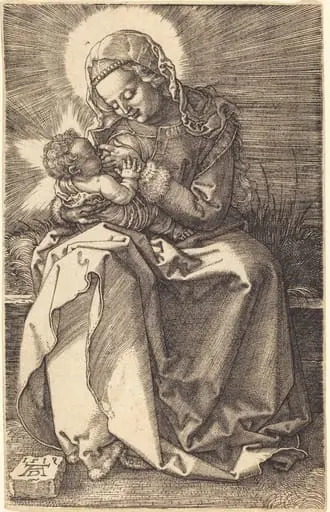 The Virgin Nursing the Child