Artwork
Saint Mary Magdalene
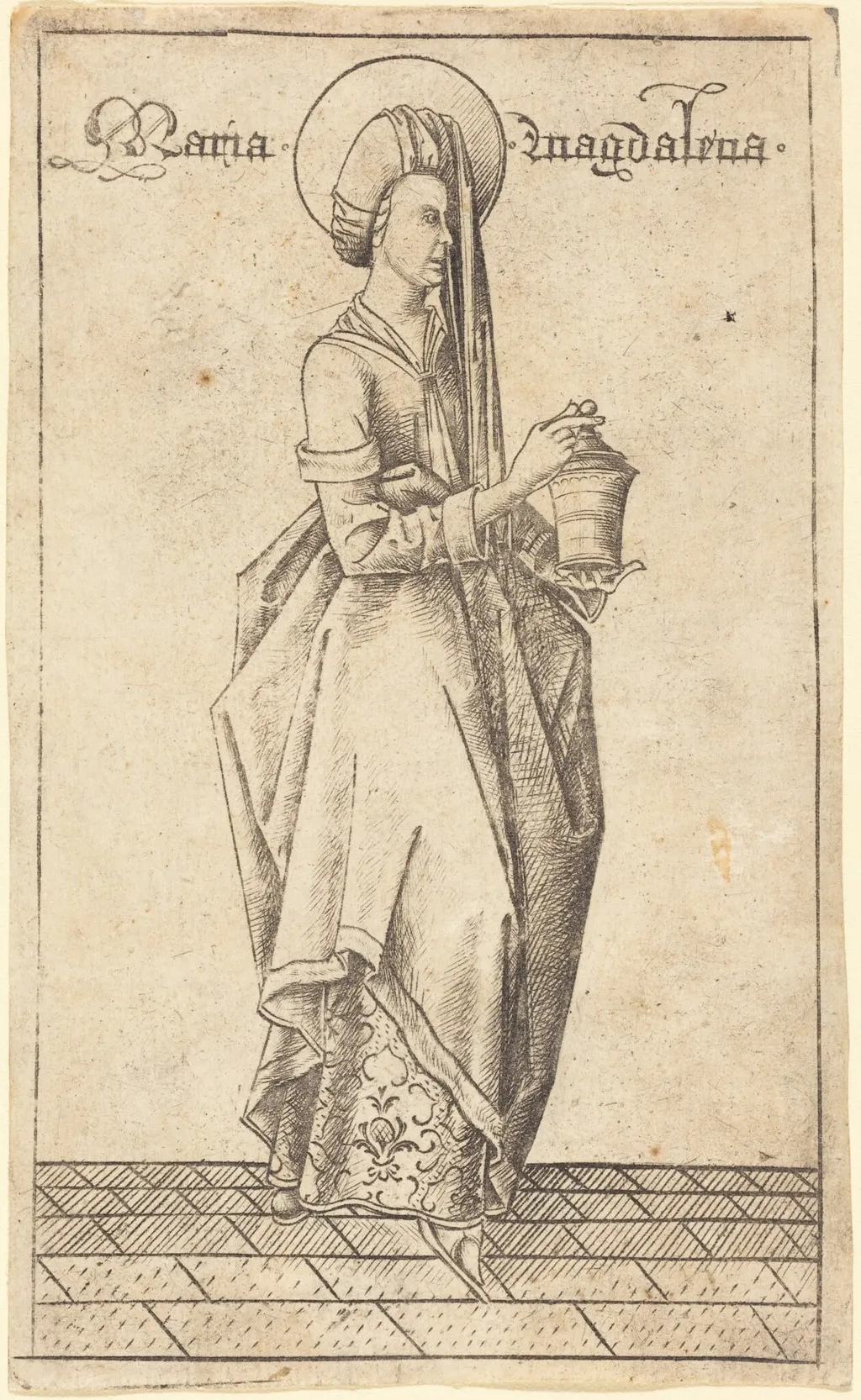
Saint Mary Magdalene is an ink print by the Renaissance artist Israhel van Meckenem. It dates from 1470 and is held in the collection of the National Gallery of Art.
About this work
Overview
Israhel van Meckenem, a German engraver and goldsmith active between 1465 and 1503, produced this religious print around 1470. One of the most prolific printmakers of the 15th century, he created over 620 engravings, often reinterpreting existing compositions. This work exemplifies his role in expanding the reach of devotional imagery through reproductive printmaking in Northern Europe.
Subject & Meaning
The figure is identified as Saint Mary Magdalene by the inscription above her head. She is depicted standing with a small jar, a traditional attribute referencing her anointing of Christ. Her calm expression and halo signify sanctity, while her modest, hooded robe reflects monastic devotion. The plain background focuses attention on her as a model of penitence and spiritual contemplation.
Technique & Style
The image is rendered in fine, precise lines characteristic of early engraving. Van Meckenem used controlled incisions to model the folds of the robe and suggest texture, particularly in the fabric’s weight and drapery. The patterned floor adds subtle spatial depth, while the minimal background isolates the figure, emphasizing clarity and devotional focus.
History & Provenance
Created during the height of van Meckenem’s career, this engraving likely circulated among private collectors and religious communities. Few original impressions survive, but its existence in multiple copies suggests it was reproduced for personal devotion. Its attribution to van Meckenem is supported by stylistic parallels with his other signed works from the 1470s.
Context
In late 15th-century Germany, religious prints served as affordable tools for private piety. Van Meckenem’s output responded to growing demand for images of saints, especially Mary Magdalene, whose story of repentance resonated with contemporary spiritual ideals. His engravings bridged the gap between manuscript illumination and mass-produced imagery.
Legacy
Van Meckenem’s technical precision and prolific output helped standardize engraving as a medium for religious dissemination. Though his works were often derivative, their widespread circulation influenced later printmakers and contributed to the visual literacy of lay audiences in Northern Europe.
Artist & collection
Artist
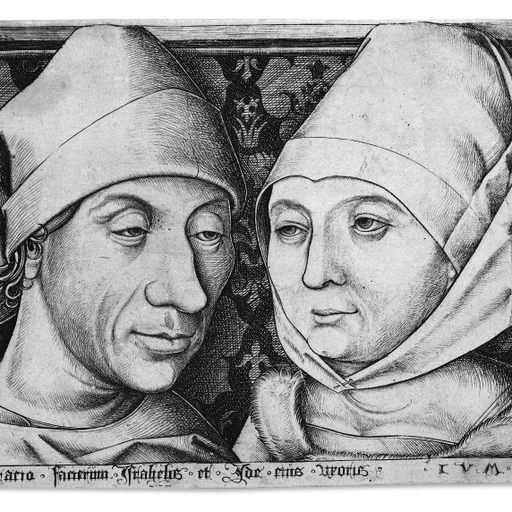
Israhel van Meckenem (c. 1445 – 10 November 1503), also known as Israhel van Meckenem the Younger, was a German printmaker and goldsmith, perhaps of a Dutch family origin. He was the most prolific engraver of the…

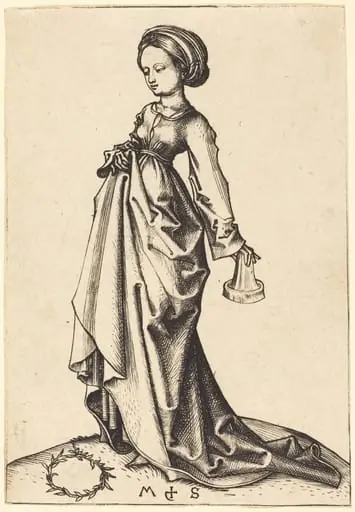 Second Foolish Virgin
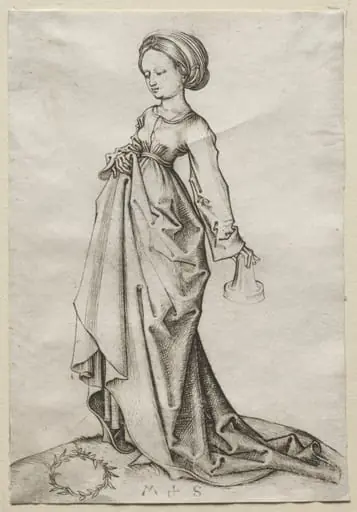 The Second of the Foolish Virgins
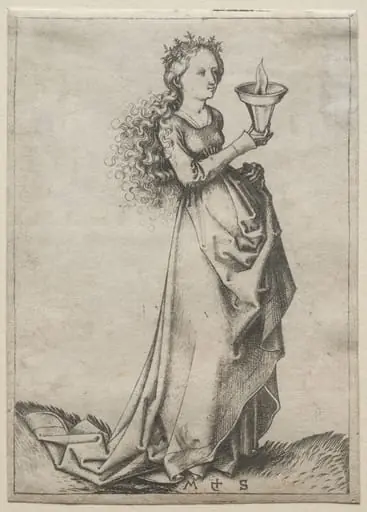 The First Wise Virgin
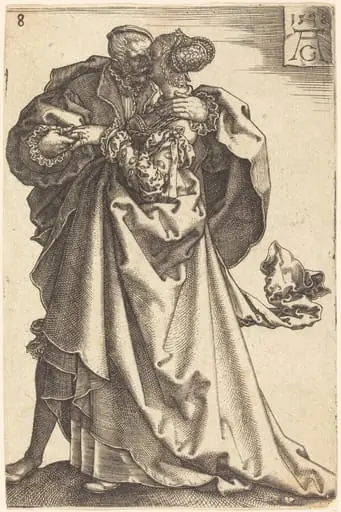 Large Wedding Dancers
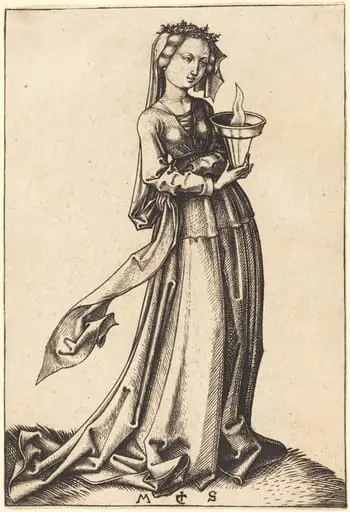 Fourth Wise Virgin
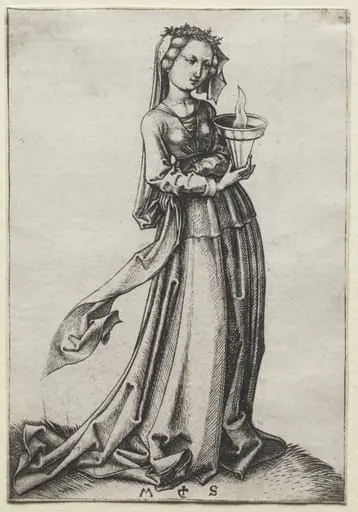 The Fourth Wise Virgin
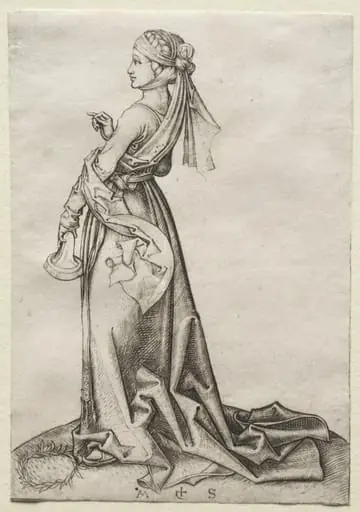 The First of the Foolish Virgins
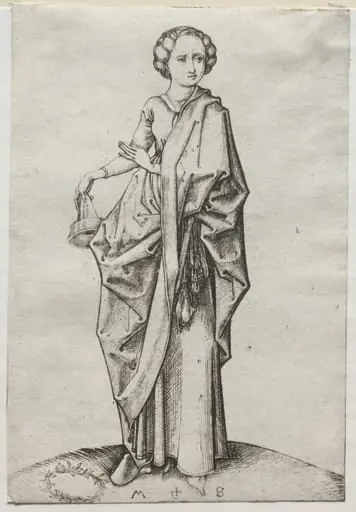 The Fourth of the Foolish Virgins
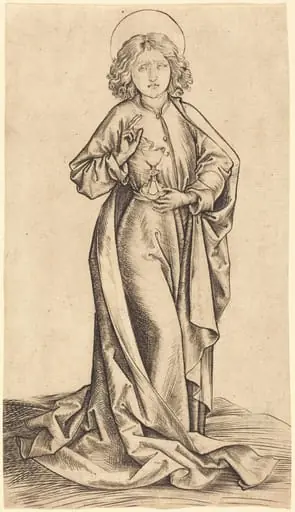 Saint John the Evangelist
 Peasant Woman with Basket, in Profile, Facing Left
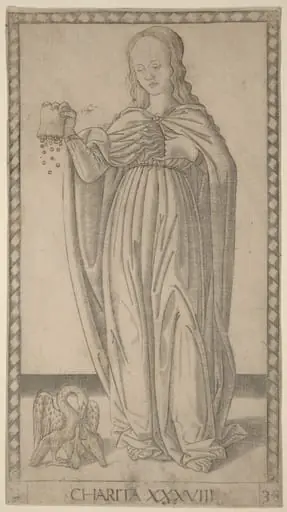 Charita (Charity)
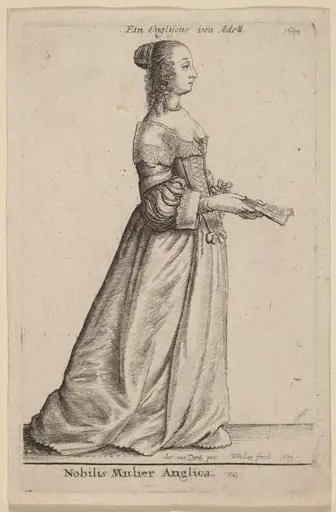 Nobilis Mulier Anglica