Artwork
Chateau de Chenonceau, 1re planche (The Chateau of Chenonceau, 1st plate)
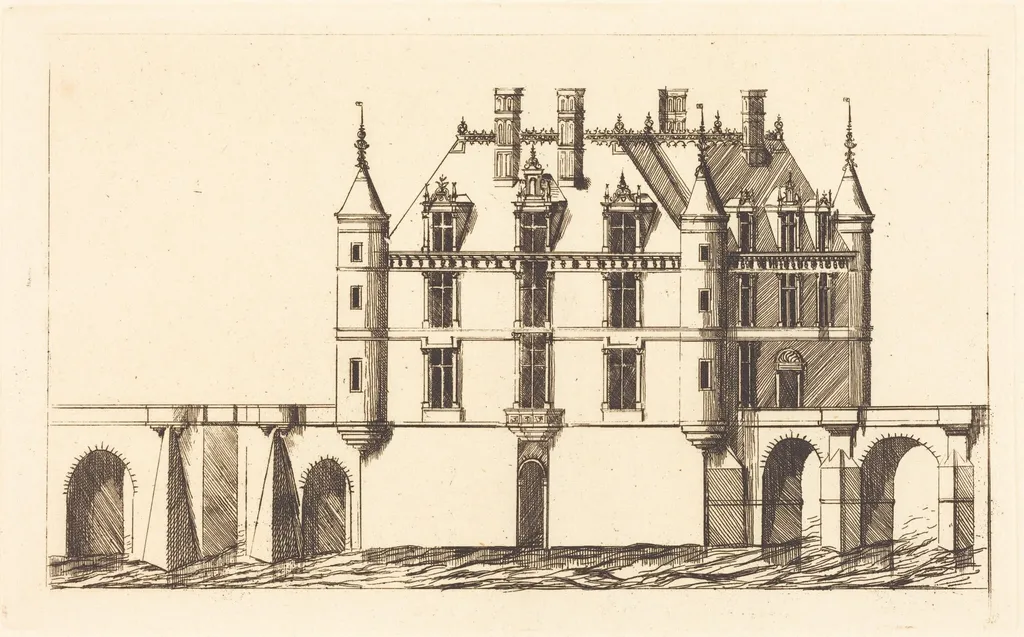
Chateau de Chenonceau, 1re planche (The Chateau of Chenonceau, 1st plate) is an ink print by the Impressionist artist Charles Meryon. It dates from 1856 and is held in the collection of the National Gallery of Art.
About this work
Overview
Created in 1856, this etching on laid paper presents the Château de Chenonceau, the Renaissance‑era residence that arches across the River Cher. The image captures the building’s distinctive arches, towers and stone façade, rendered through a dense network of lines that convey texture and depth.
Subject & Meaning
The work focuses on the château’s architectural grandeur, emphasizing its sweeping arches and the rhythmic repetition of windows and rooflines. By isolating the structure from its surrounding landscape, the artist draws attention to the monument’s historic presence and its role as a symbol of French heritage.
Technique & Style
Executed entirely in etching, the piece relies on fine incised lines and varying tonal washes to model light and shadow. The artist’s use of dense hatching creates a sense of solidity in the stonework, while the contrast between illuminated areas and deep shadows gives the composition a dramatic, almost Gothic atmosphere.
History & Provenance
The print was produced by Charles Meryon, a leading French etcher of the mid‑nineteenth century whose career was shaped by his colour‑blindness, leading him to specialize in monochrome media. Meryon’s later years were marked by mental‑health difficulties, culminating in his death in an asylum in 1868.
Context
Meryon’s interest in architectural subjects placed him among artists who documented historic monuments during a period of growing French nationalism. His depictions of sites such as Chenilleau reflect a broader 19th‑century fascination with medieval and Renaissance architecture, often rendered in a stark, expressive manner.
Artist & collection
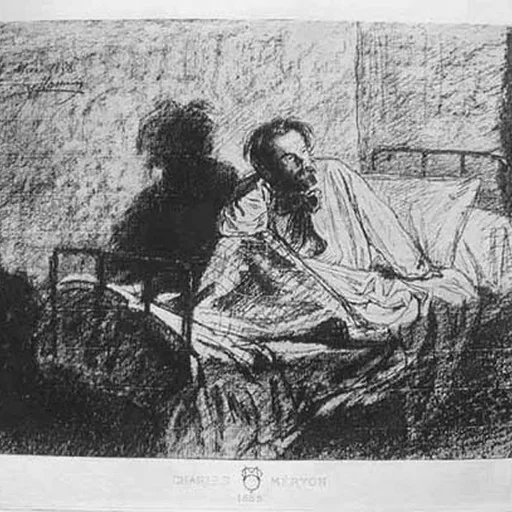
Artist
Charles Meryon (sometimes Méryon, 23 November 1821 – 14 February 1868) was a French artist who worked almost entirely in etching, as he had colour blindness.

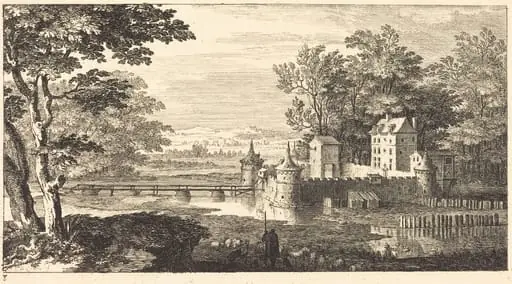 Landscape with Chateau
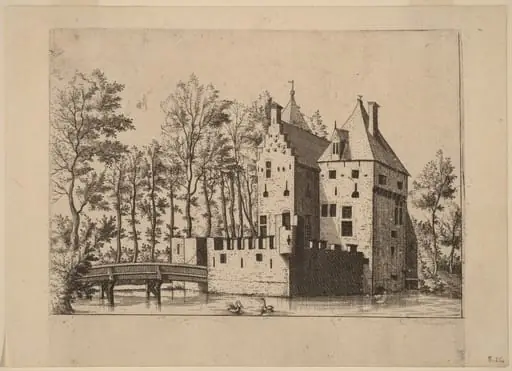 Castle with Lift-Bridge
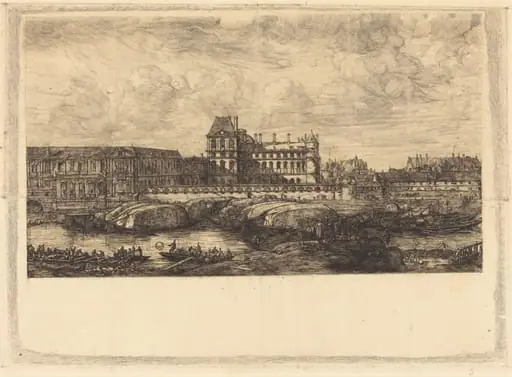 L'ancien Louvre d'après une peinture de Zeeman, 1651 (The Old Louvre, from a Painting by Zeeman, l651)
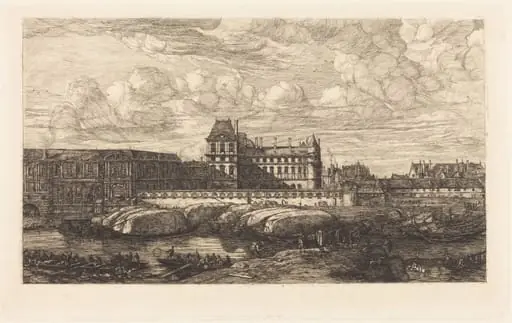 L'ancien Louvre d'après une peinture de Zeeman, 1651 (The Old Louvre, from a Painting by Zeeman, 1651)
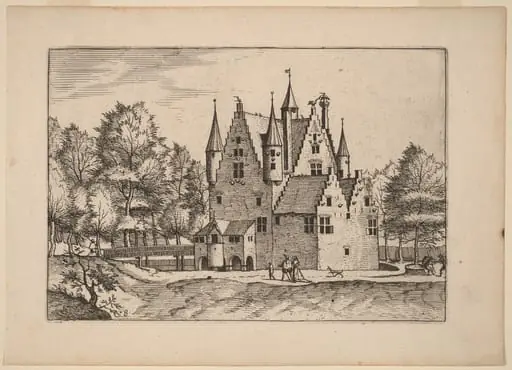 Castle
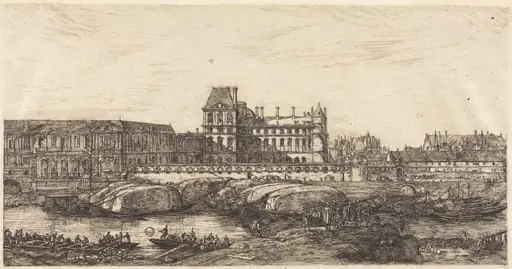 L'ancien Louvre d'après une peinture de Zeeman, 1651 (The Old Louvre, from a Painting by Zeeman, 1651)
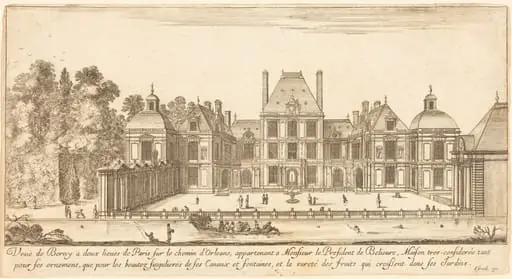 Veue de Berny a deux lieues de Paris sur le chemin d'Orléans
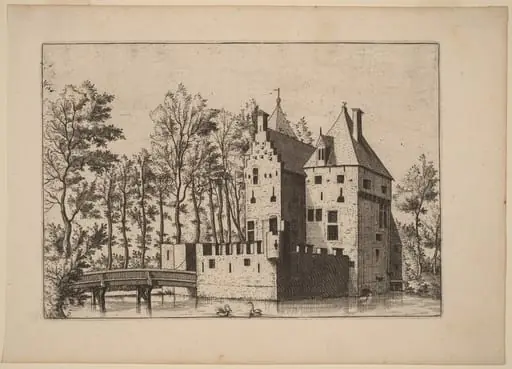 Castle with Lift-Bridge
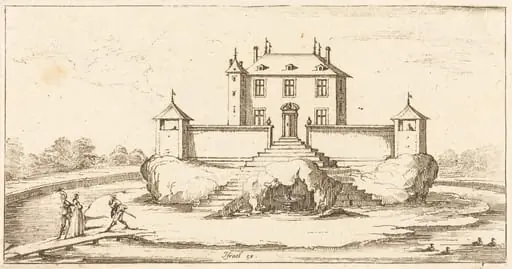 Landscape