Artwork
L'ancien Louvre d'après une peinture de Zeeman, 1651 (The Old Louvre, from a Painting by Zeeman, 1651)
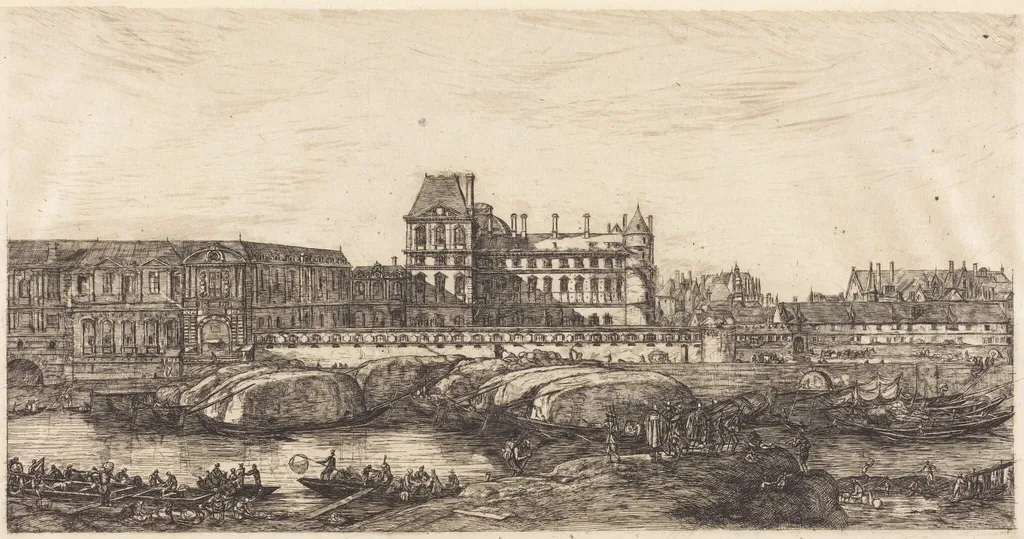
L'ancien Louvre d'après une peinture de Zeeman, 1651 (The Old Louvre, from a Painting by Zeeman, 1651) is an ink print by the Impressionist artist Charles Meryon. It dates from 1866 and is held in the collection of the National Gallery of Art.
About this work
Overview
L'ancien Louvre d'après une peinture de Zeeman, 1651 is a print created by Charles Meryon in 1866 using etching and drypoint techniques on laid paper. It is one of his works that showcases his skill in capturing detailed urban scenes.
Subject & Meaning
The print depicts the old Louvre as interpreted from a painting by Reinier Zeeman, showing a grand building with a steep roof along a busy river crowded with boats and people. The scene conveys a sense of activity and detail.
Technique & Style
Meryon used fine lines achieved through etching and drypoint to capture the intricate details of the scene, including waves and clothing. His technique reflects his atmospheric and detailed approach to urban landscapes.
History & Provenance
Created in 1866 by Charles Meryon, a prominent French etcher, the print is based on a 1651 painting by Dutch artist Reinier Zeeman. Meryon worked primarily in etching due to colour blindness.
Artist & collection
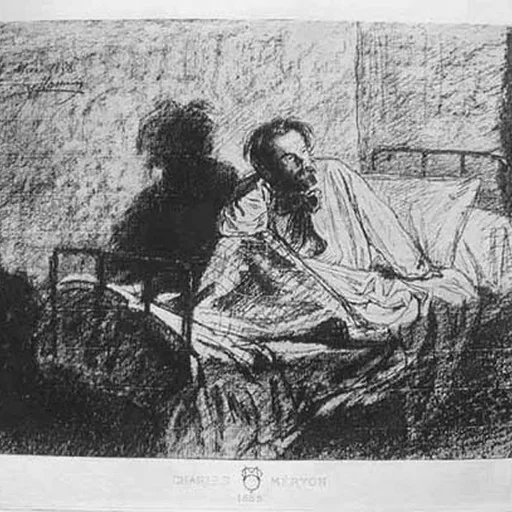
Artist
Charles Meryon (sometimes Méryon, 23 November 1821 – 14 February 1868) was a French artist who worked almost entirely in etching, as he had colour blindness.

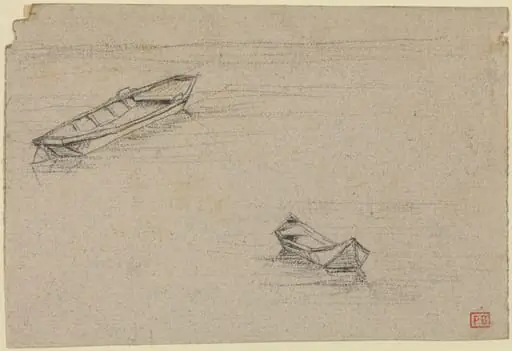
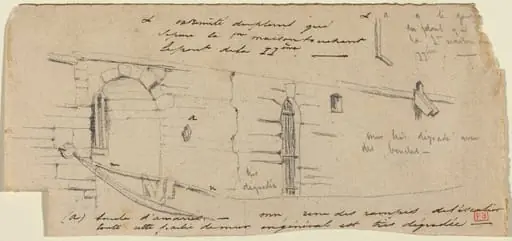
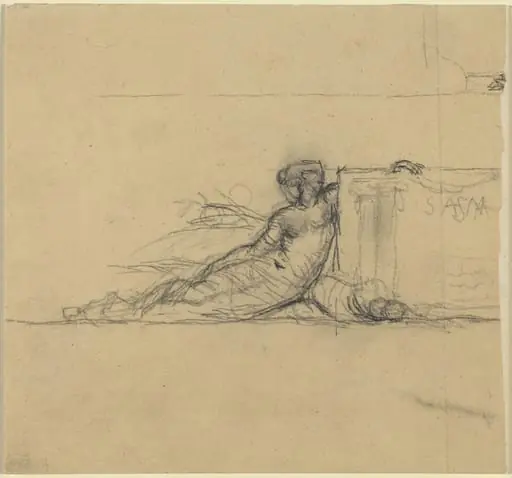
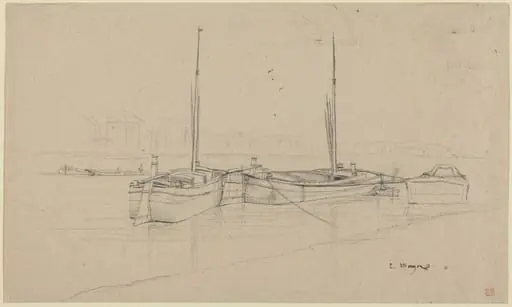
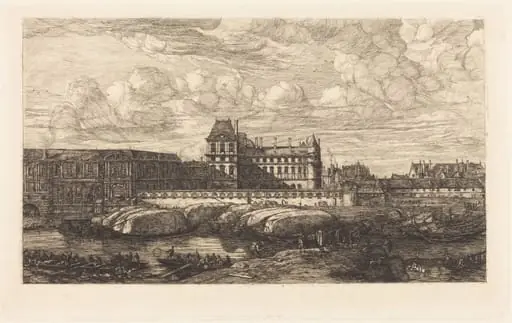 L'ancien Louvre d'après une peinture de Zeeman, 1651 (The Old Louvre, from a Painting by Zeeman, 1651)
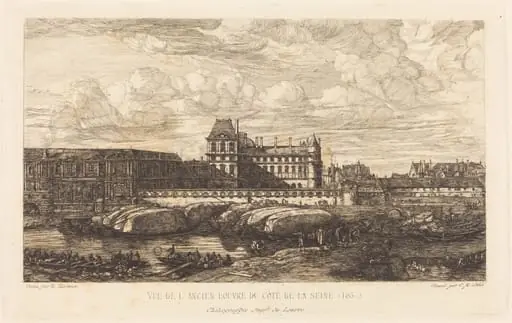 L'ancien Louvre d'après une peinture de Zeeman, 1651 (The Old Louvre, from a Painting by Zeeman, 1651)
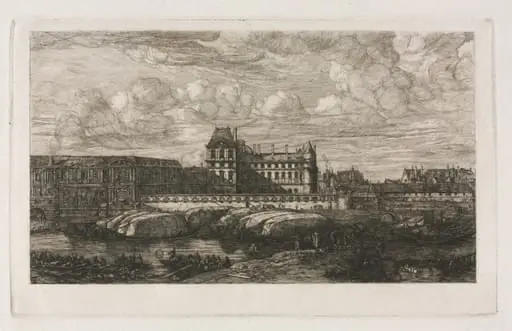 The Old Louvre from a Painting by Zeeman, 1651
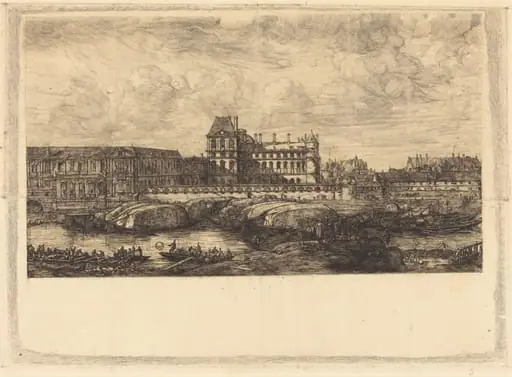 L'ancien Louvre d'après une peinture de Zeeman, 1651 (The Old Louvre, from a Painting by Zeeman, l651)
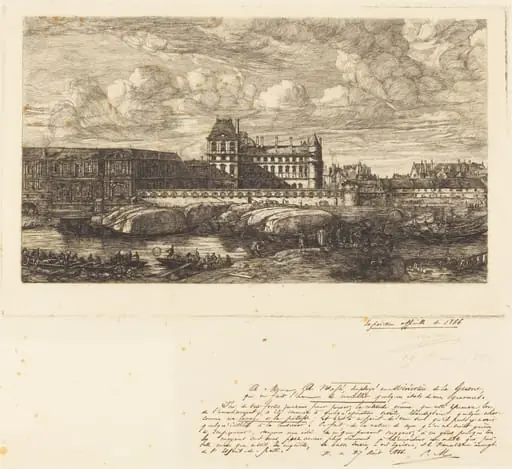 L'ancien Louvre d'après une peinture de Zeeman, 1651 (The Old Louvre, from a Painting by Zeeman, 1651)
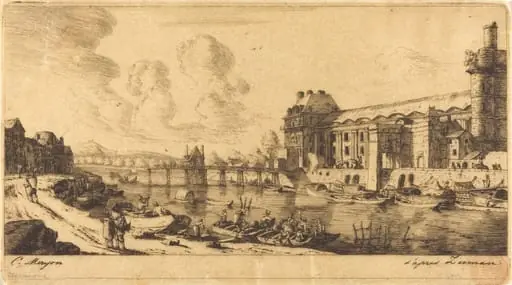 Le Pavillion de Mlle. et une partie du Louvre
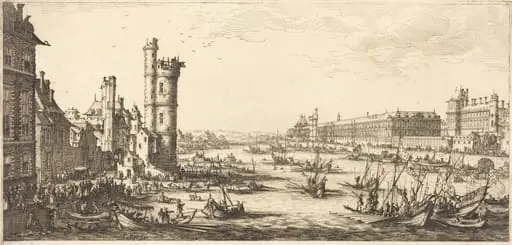 View of the Louvre
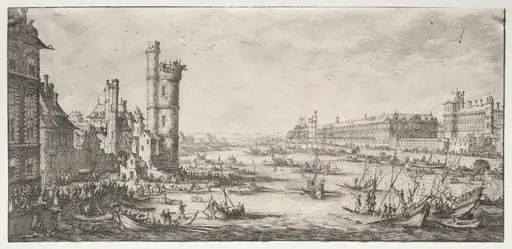 Les deux grandes vues de Paris: Vue du Louvre