Artwork
Chateau de Chenonceau, 2e planche (The Chateau of Chenonceau, 2nd plate)
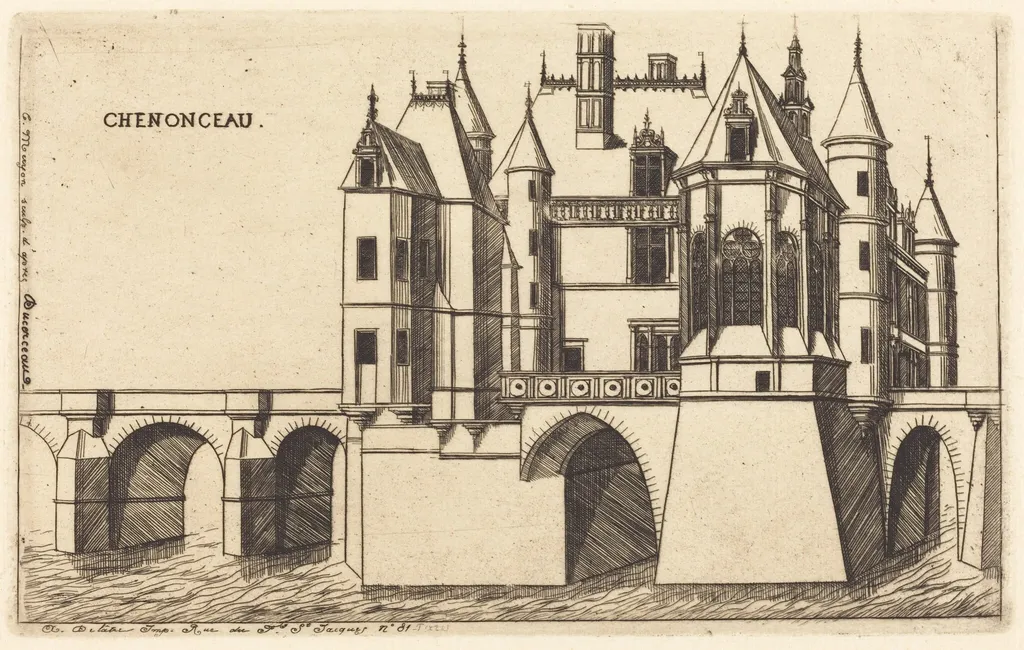
Chateau de Chenonceau, 2e planche (The Chateau of Chenonceau, 2nd plate) is an ink print by the Impressionist artist Charles Meryon. It dates from 1856 and is held in the collection of the National Gallery of Art.
About this work
Overview
Chateau de Chenonceau, 2e planche is an 1856 etching on laid paper by Charles Meryon, a prominent French etcher of the 19th century. The print captures the historic Château de Chenonceau, situated over the River Cher in France, emphasizing architectural details and light effects.
Subject & Meaning
The subject is the renowned Château de Chenonceau, portrayed with its distinctive bridge and towers. The etching highlights the structure's grandeur and the interplay of light and shadow on its facade, reflecting Meryon's Gothic aesthetic.
Technique & Style
Executed in etching, a medium Meryon relied on due to his colour blindness, the work showcases his mastery of the technique. Intricate details, textures, and nuanced depth are achieved through the etching process, characteristic of Meryon's distinctive style.
History & Provenance
Created in 1856, this etching is part of Meryon's oeuvre as the most significant etcher of 19th-century France. Specific provenance details are not provided.
Context
While Meryon's work predates Impressionism, the attention to light and shadow in *Chateau de Chenonceau, 2e planche* shares a thematic affinity with the movement, though stylistically rooted in Meryon's Gothic vision.
Legacy
As a work by Charles Meryon, *Chateau de Chenonceau, 2e planche* contributes to his legacy as a leading etcher of his time, notable for his ability to evoke atmosphere and architectural presence through the etching medium.
Artist & collection
Artist
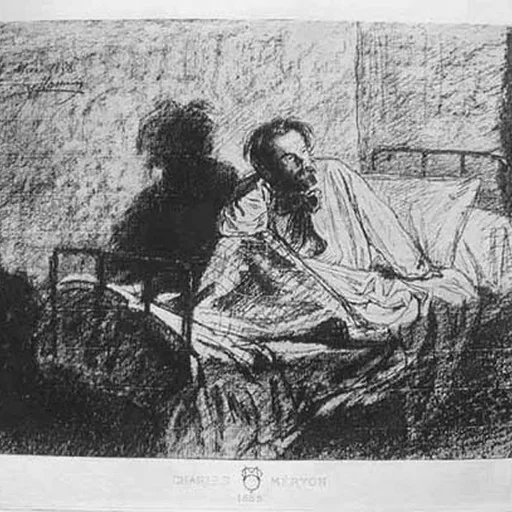
Charles Meryon (sometimes Méryon, 23 November 1821 – 14 February 1868) was a French artist who worked almost entirely in etching, as he had colour blindness.

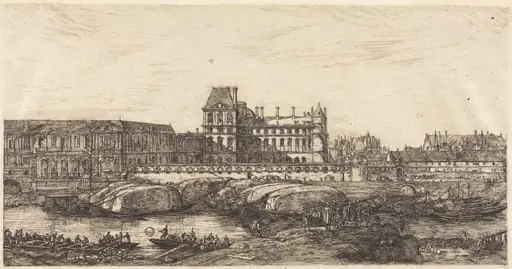 L'ancien Louvre d'après une peinture de Zeeman, 1651 (The Old Louvre, from a Painting by Zeeman, 1651)
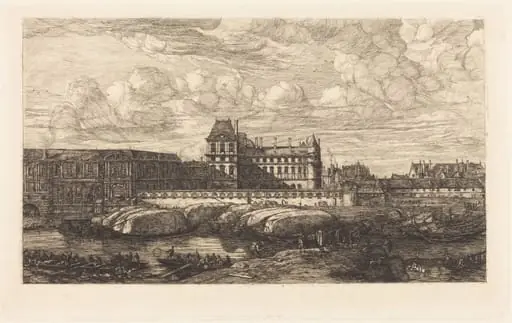 L'ancien Louvre d'après une peinture de Zeeman, 1651 (The Old Louvre, from a Painting by Zeeman, 1651)
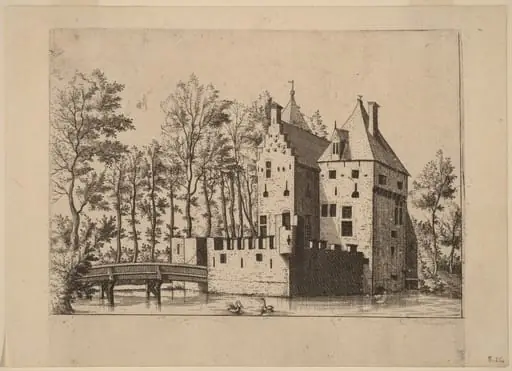 Castle with Lift-Bridge
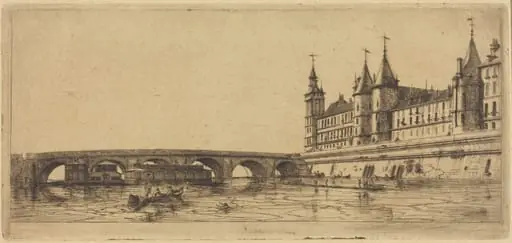 Le Pont-au-Change, Paris
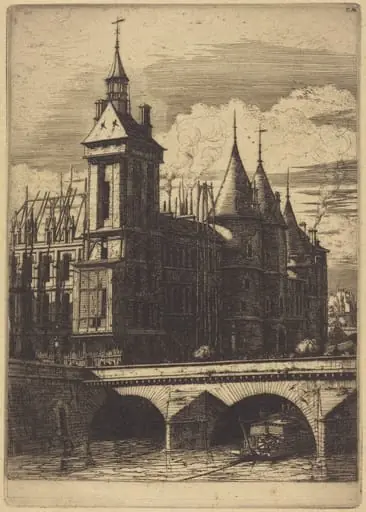 La Tour de l'Horloge, Paris (The Clock Tower, Paris)
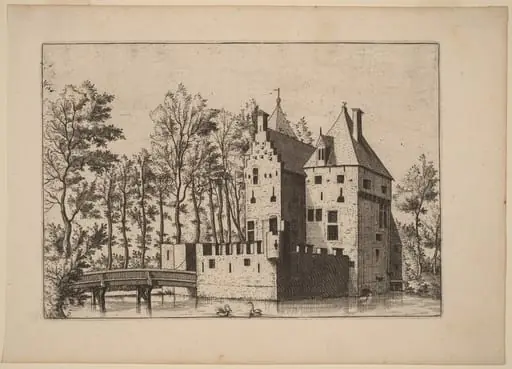 Castle with Lift-Bridge
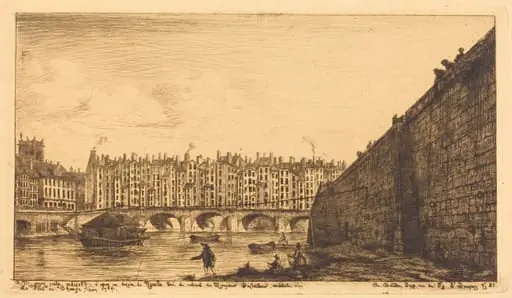 Le Pont-au-Change, Paris, vers 1784
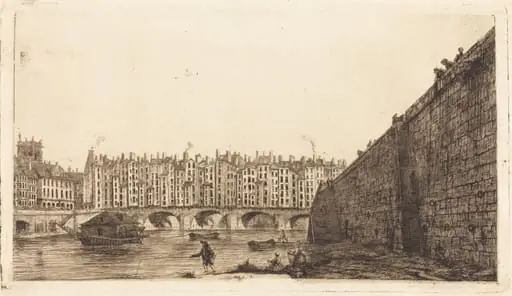 Le Pont-au-Change, Paris, vers 1784
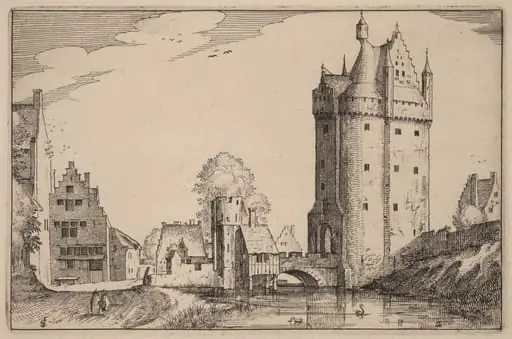 Town Gate