Artwork
L'abside de Notre-Dame de Paris (The Apse of the Cathedral of Notre Dame, Paris)
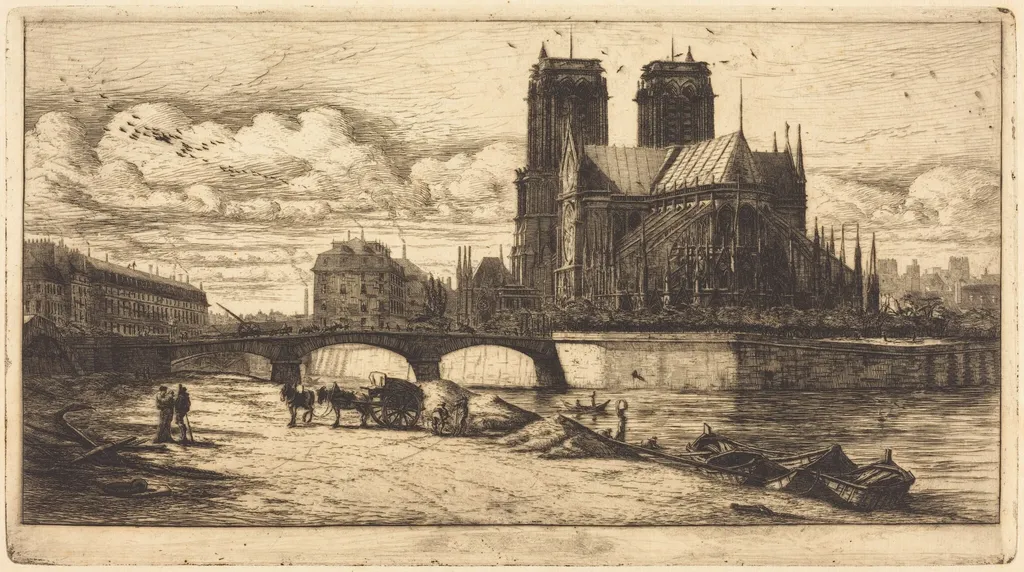
L'abside de Notre-Dame de Paris (The Apse of the Cathedral of Notre Dame, Paris) is an ink print by the Impressionist artist Charles Meryon. It dates from 1854 and is held in the collection of the National Gallery of Art.
About this work
Overview
L'abside de Notre-Dame de Paris is a 1854 print by Charles Meryon, combining etching, drypoint, and engraving techniques on laid paper. The work captures a detailed view of Notre-Dame Cathedral's apse, set amidst the everyday activity of 19th-century Paris.
Subject & Meaning
The print focuses on the Gothic apse of Notre-Dame, juxtaposed with mundane city life: pedestrians, horses, and boats on the river. This contrast highlights Meryon's unique Gothic interpretation of Parisian architecture within its lived context.
Technique & Style
Characterized by sharp, detailed lines, the print showcases Meryon's mastery of etching (his primary medium due to colour blindness). The precise rendering of architectural and natural elements reflects a shift towards realism in depiction.
History & Provenance
Created in 1854, this etching is part of Meryon's series of Parisian views. Despite Meryon's significance in 19th-century French etching, his work remains less recognized in English-speaking regions.
Context
Emerging in a period valuing imaginative themes, Meryon's work was innovative for its time due to its realistic, observational approach to depicting urban life and architecture.
Artist & collection
Artist
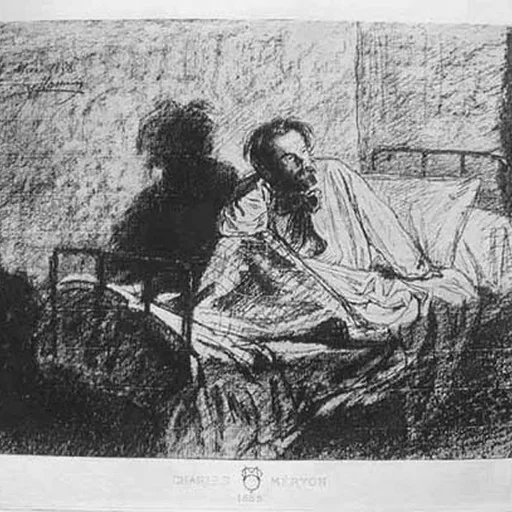
Charles Meryon (sometimes Méryon, 23 November 1821 – 14 February 1868) was a French artist who worked almost entirely in etching, as he had colour blindness.

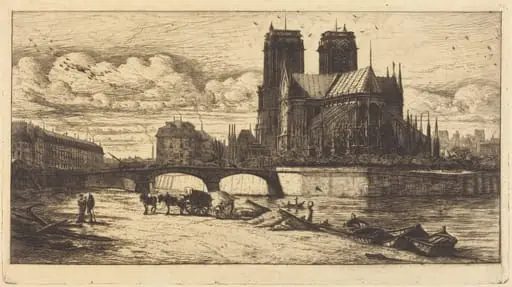 L'abside de Notre-Dame de Paris (The Apse of the Cathedral of Notre-Dame, Paris)
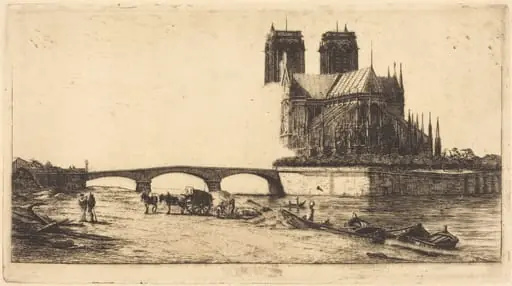 L'abside de Notre-Dame de Paris (The Apse ofthe Cathedral of Notre-Dame, Paris)
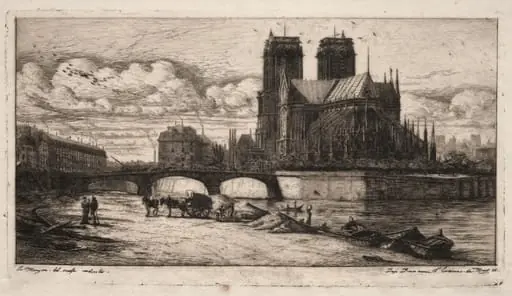 Etchings of Paris: The Apse of the Cathedral of Notre Dame
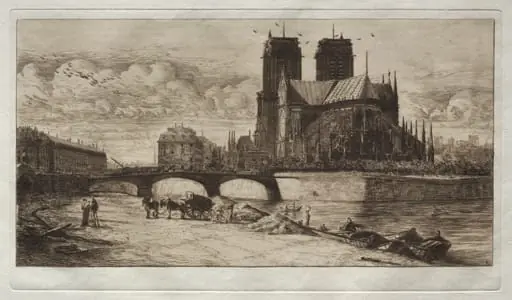 L'Abside de Notre Dame de Paris
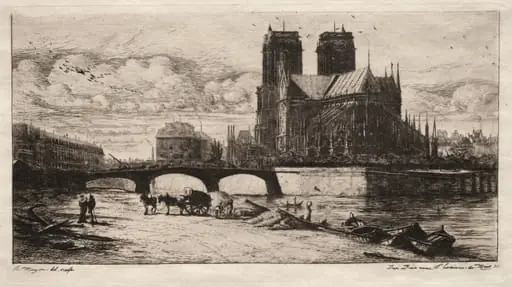 Etchings of Paris: The Apsis of the Cathedral of Notre Dame
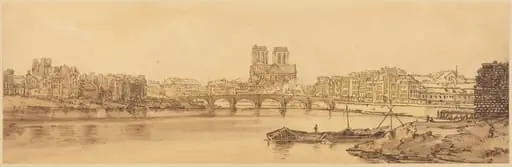 View of Pont de la Tournelle and Notre Dame Taken from the Arsnel: pl.11
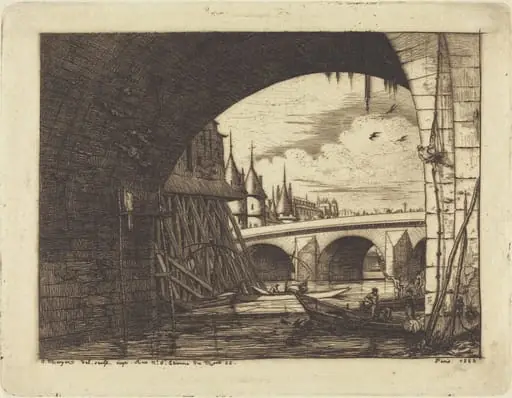 L'arche du Pont Notre-Dame, Paris (An Arch of the Notre-Dame Bridge, Paris)
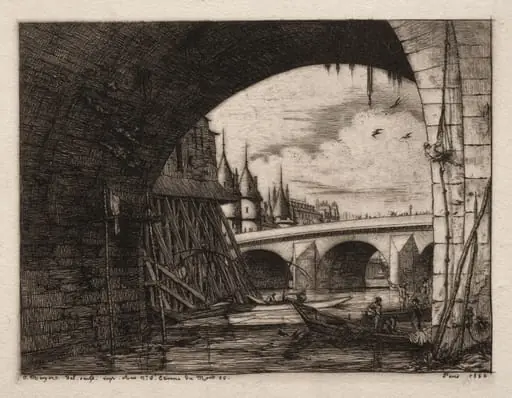 L'arch du Pont Notre Dame, Paris
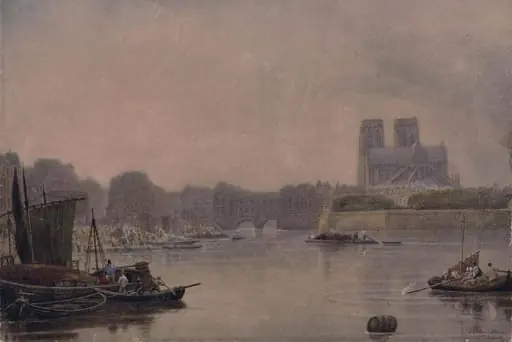 Notre Dame, Paris
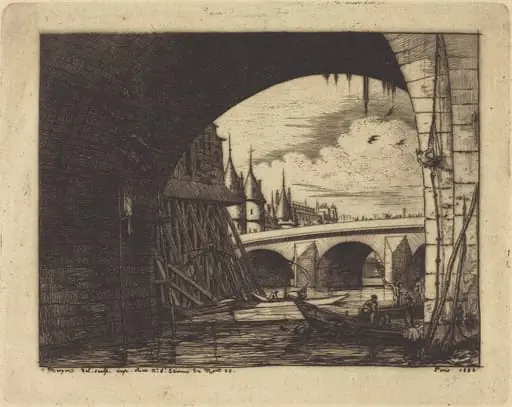 L'arche du Pont Notre-Dame, Paris (An Arch of the Notre-Dame Bridge, Paris)
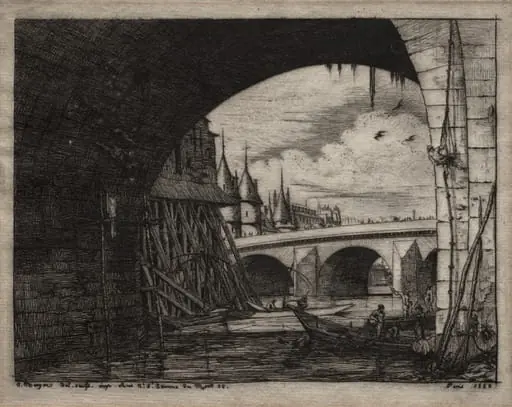 Etchings of Paris: An Arch of the Notre Dame Bridge
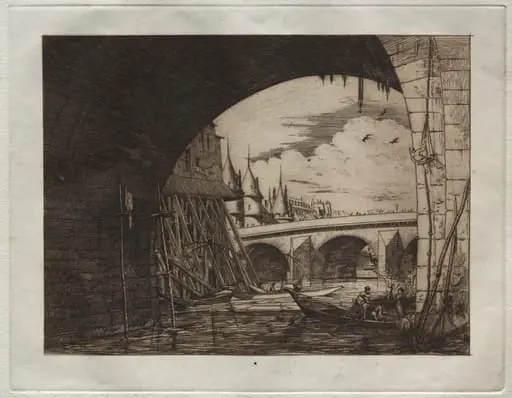 L'Arch du Pont Notre Dame