Artwork
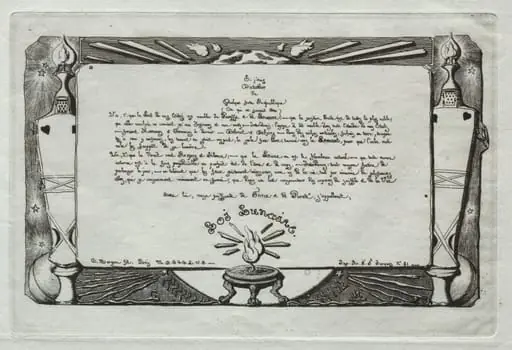
La Loi lunaire, 1er planche ("Lunar" Law, 1st plate)
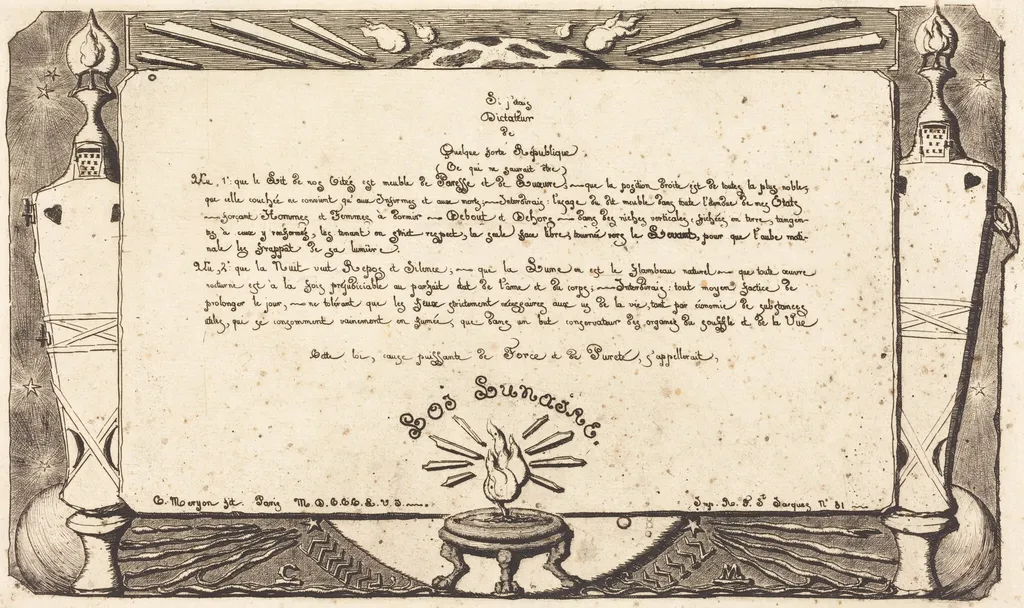
La Loi lunaire, 1er planche ("Lunar" Law, 1st plate) is an ink print by the Impressionist artist Charles Meryon. It dates from 1856 and is held in the collection of the National Gallery of Art.
About this work
This etching shows two women in dark dresses standing on a rooftop at night. Moonlight shines on them while below, Paris glows with streetlights. The women look small against the huge sky.
Meryon etched this in 1856. He used drypoint to scratch fine lines into the plate. That lets light play across the women’s dresses in a soft way.
Look up etching.
Overview
La Loi lunaire, 1er planche is an etching on laid paper created by Charles Meryon in 1856. It is part of a series of works depicting Paris.
Subject & Meaning
The etching shows two women in dark dresses on a rooftop at night, illuminated by moonlight, with the city of Paris glowing below. The women's small stature contrasts with the vast sky.
Technique & Style
Meryon used etching and drypoint techniques to achieve a range of tonal effects, including soft textures on the women's dresses. Drypoint allowed for fine lines that capture subtle light and shadow.
History & Provenance
Meryon, a French etcher, worked primarily in etching due to colour blindness. He created this work in 1856, a period marked by personal struggles, including mental illness.
Artist & collection
Artist
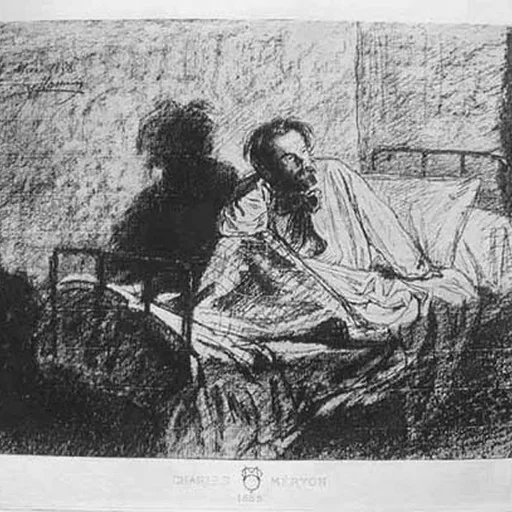
Charles Meryon (sometimes Méryon, 23 November 1821 – 14 February 1868) was a French artist who worked almost entirely in etching, as he had colour blindness.

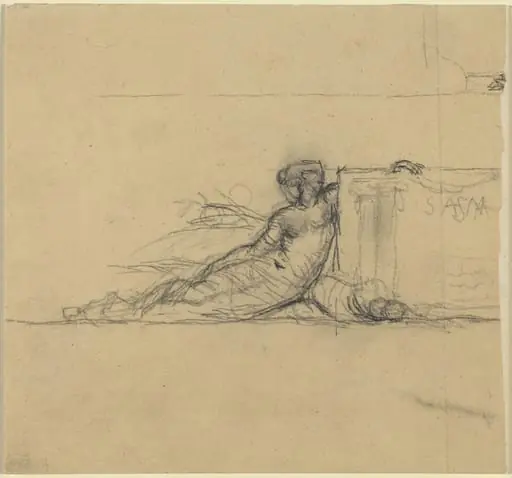
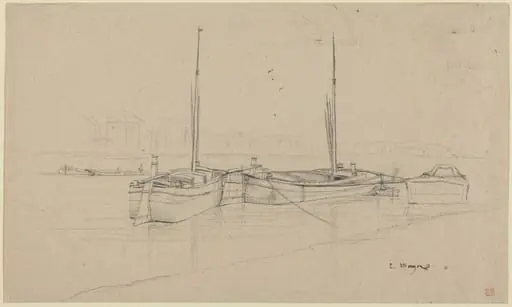
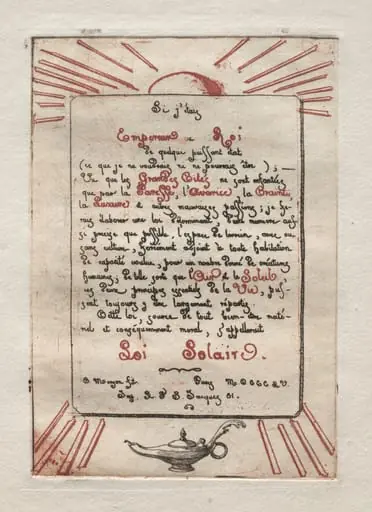 Solar Law
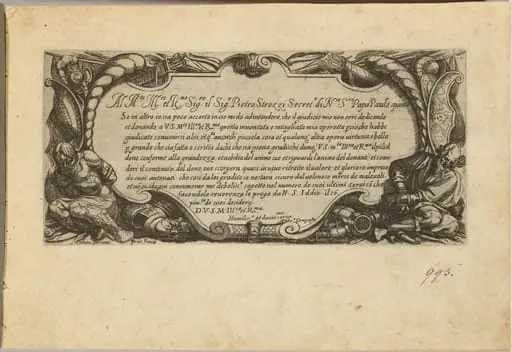 Frontispiece: Dedication to Pietro Strozzi
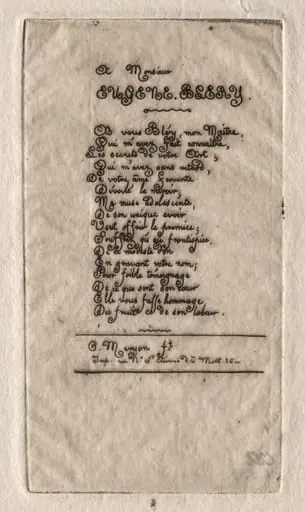 Verses to Eugène Bléry
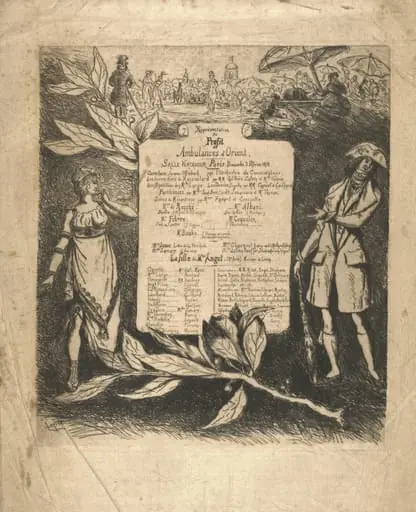 Programme de la représentation du 3 février 1878, salle Ventadour
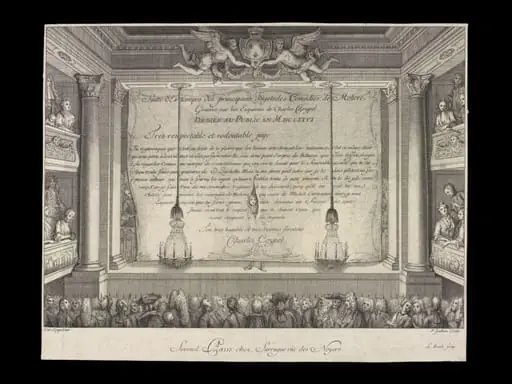 H Beard Print Collection
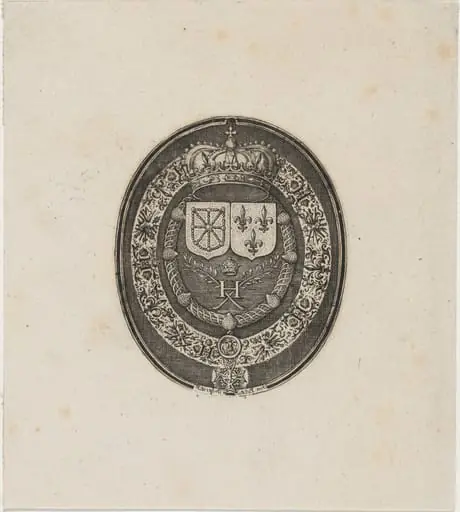 Shields of Henry IV and Maria de Medici
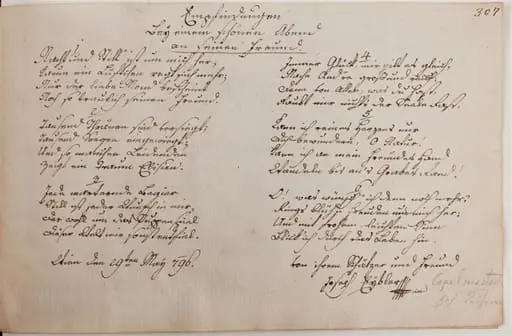 Tekst
Tekst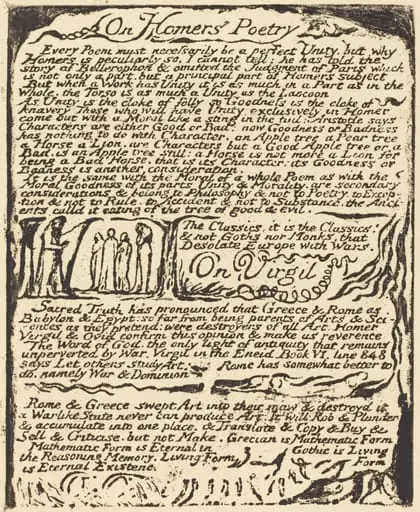 On Homer's Poetry (and) On Virgil
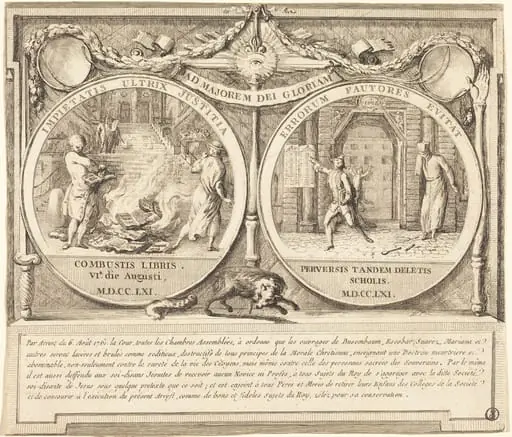 Expulsion of the Jesuits (Expulsion des Jesuites)
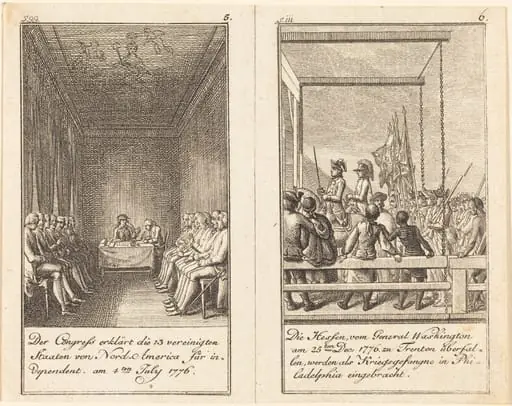 The History of the United States
 H Beard Print Collection
 La Loi Lunaire