Artwork
On Homer's Poetry (and) On Virgil
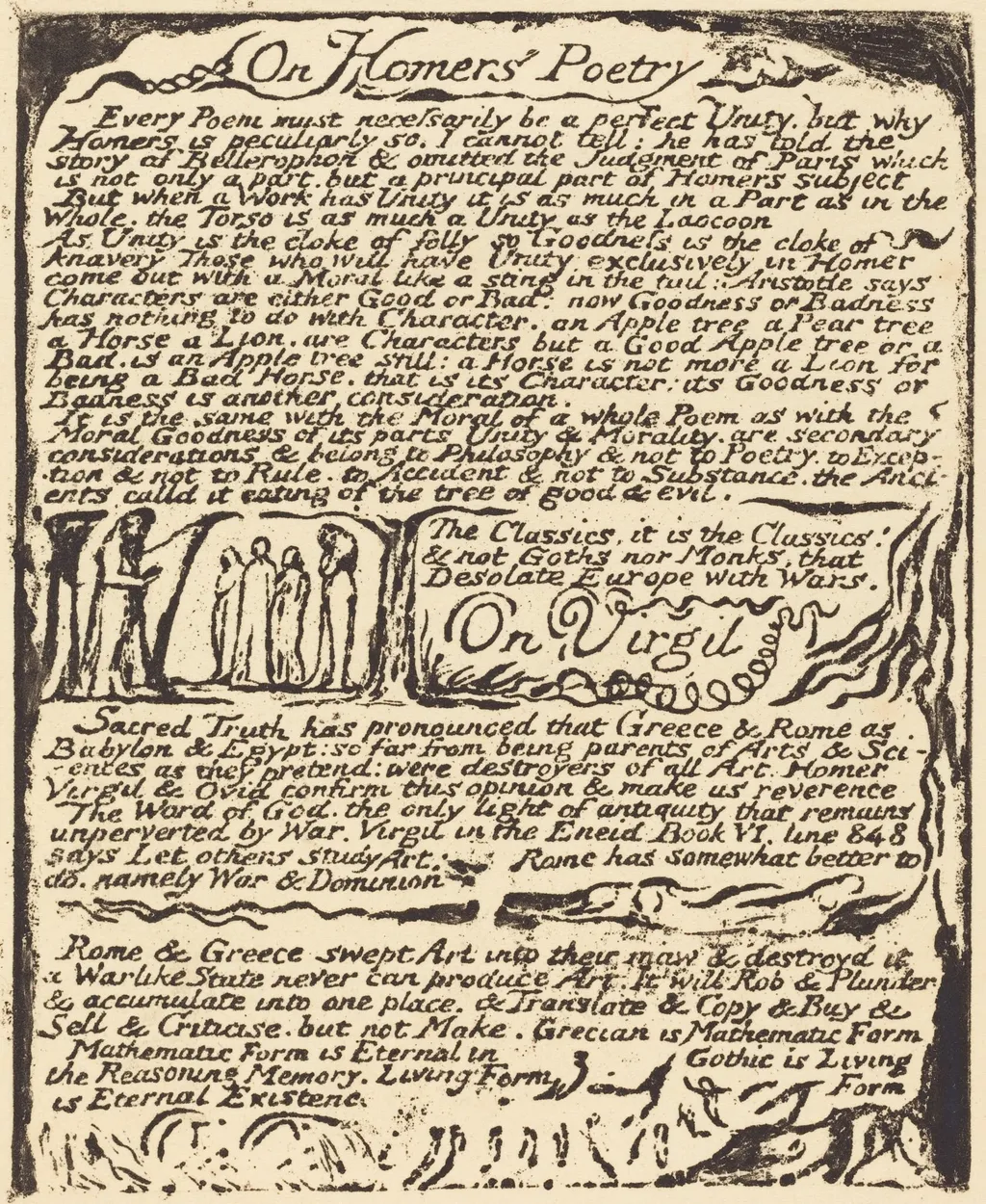
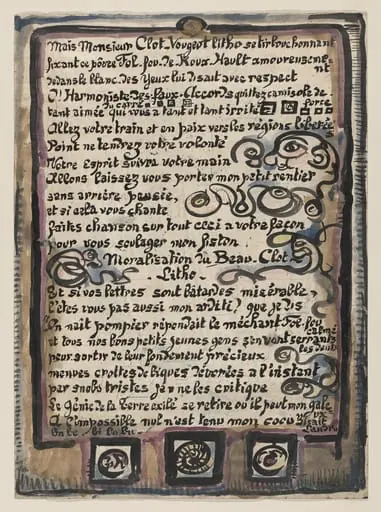
On Homer's Poetry (and) On Virgil is an ink print by the Romanticist artist William Blake. It dates from 1822 and is held in the collection of the National Gallery of Art.
About this work
Overview
On Homer's Poetry (and) On Virgil is a relief etching created by William Blake in 1822. This print combines handwritten text with shadowy figures, conveying a sense of urgency and intimacy. Its dark, sketchy aesthetic features cramped yet legible writing, alongside small, ghostly figures positioned at the bottom.
Subject & Meaning
The piece engages with the themes of poetry, war, and ancient Greece, positing that Homer and Virgil's works conveyed truth more effectively than subsequent conflicts. Blake's argument is visually reinforced by the juxtaposition of textual debate and silent, observing figures.
Technique & Style
Executed as a relief etching, the work showcases Blake's characteristic symbolic richness and imaginative depth, typical of his Romantic-era contributions. The medium's expressive potential is harnessed through messy lines and faded ink, enhancing the overall sense of immediacy.
History & Provenance
Created in 1822 by William Blake in London, this etching reflects his lifelong artistic and poetic endeavors, largely unrecognized during his lifetime despite their eventual influence.
Context
Within Blake's oeuvre, this piece aligns with his exploration of the interplay between art and literature, highlighting the enduring impact of classical authors on his Romantic vision.
Legacy
Though Blake's work went largely unappreciated in his time, *On Homer's Poetry (and) On Virgil* now stands as a testament to his innovative printmaking techniques and profound philosophical engagement with literary heritage.
Artist & collection
Artist
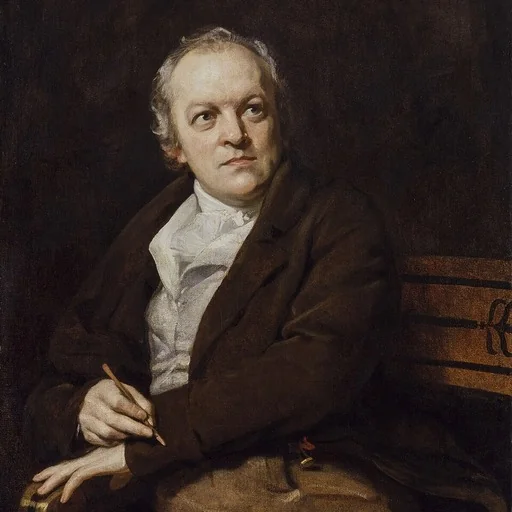
William Blake (28 November 1757 – 12 August 1827) was an English poet, painter and printmaker.

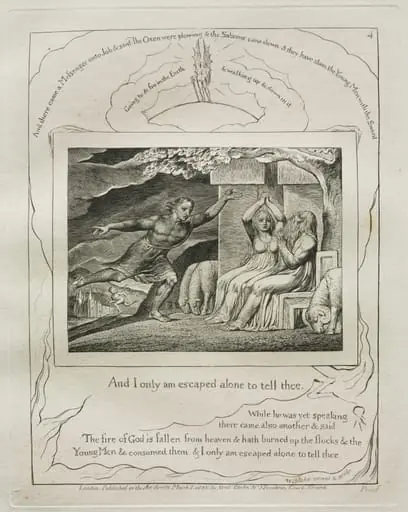 The Book of Job: Pl. 4, And I only am escaped alone to tell thee
 Untitled
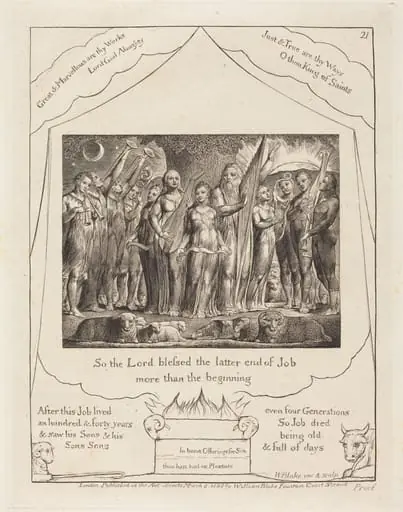 Job and His Wife Restored to Prosperity
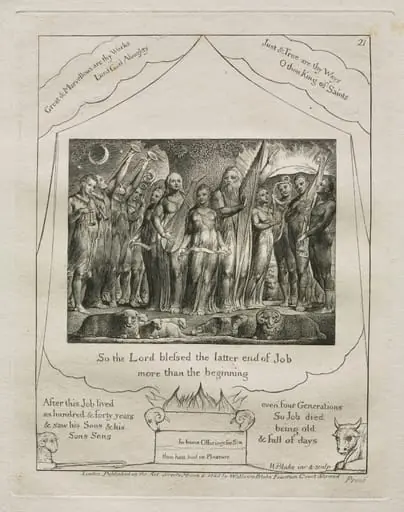 The Book of Job: Pl. 21, So the Lord blessed the latter end of Job
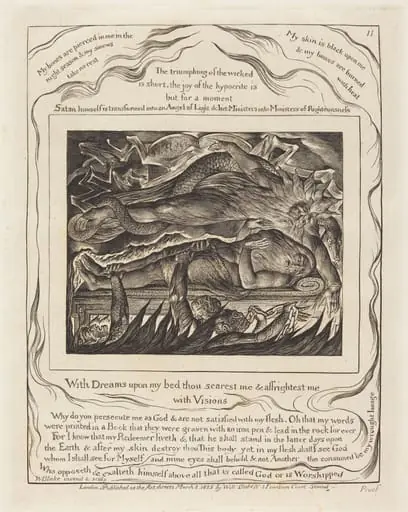 Job's Evil Dreams
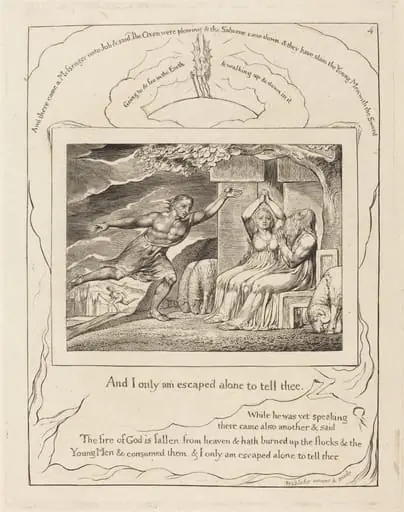 The Messengers Tell Job of His Misfortunes
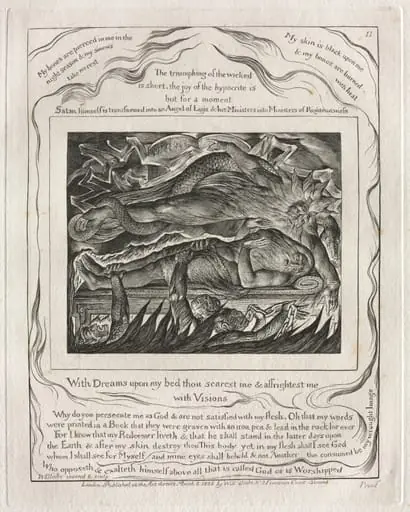 The Book of Job: Pl. 11, With Dreams upon my bed thou scarest me and affrightest me
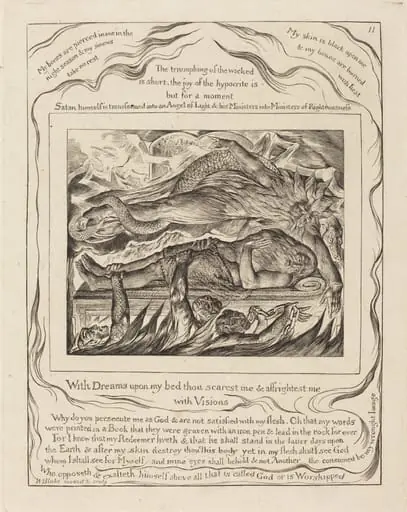 Job's Evil Dreams
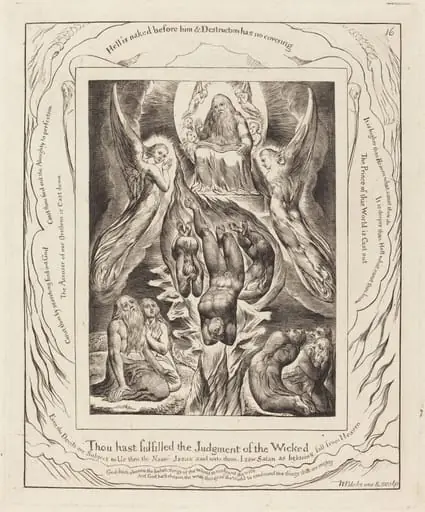 The Fall of Satan
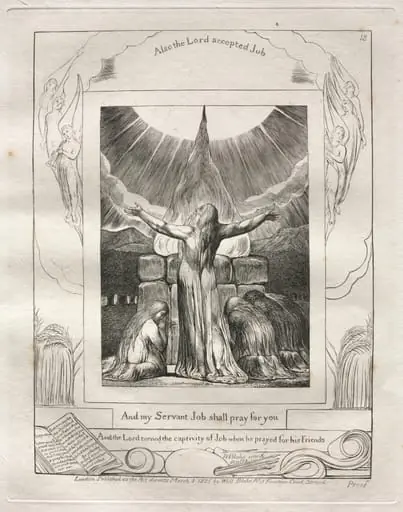 The Book of Job: Pl. 18, And my Servant Job shall pray for you
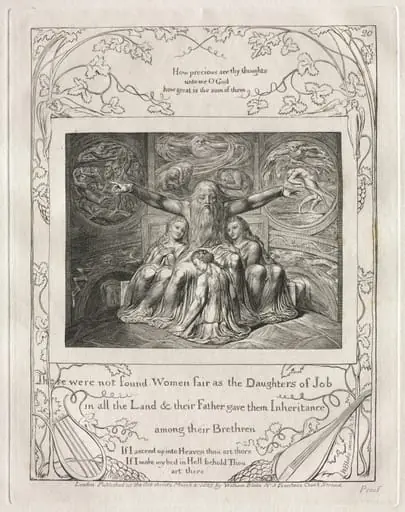 The Book of Job: Pl. 20, There were not found Women fair as the Daughters of Job
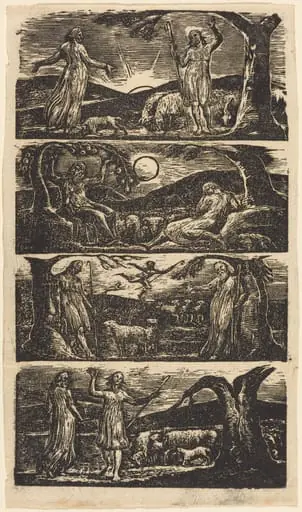 The Pastorals of Virgil