Artwork
Moliere's Tomb
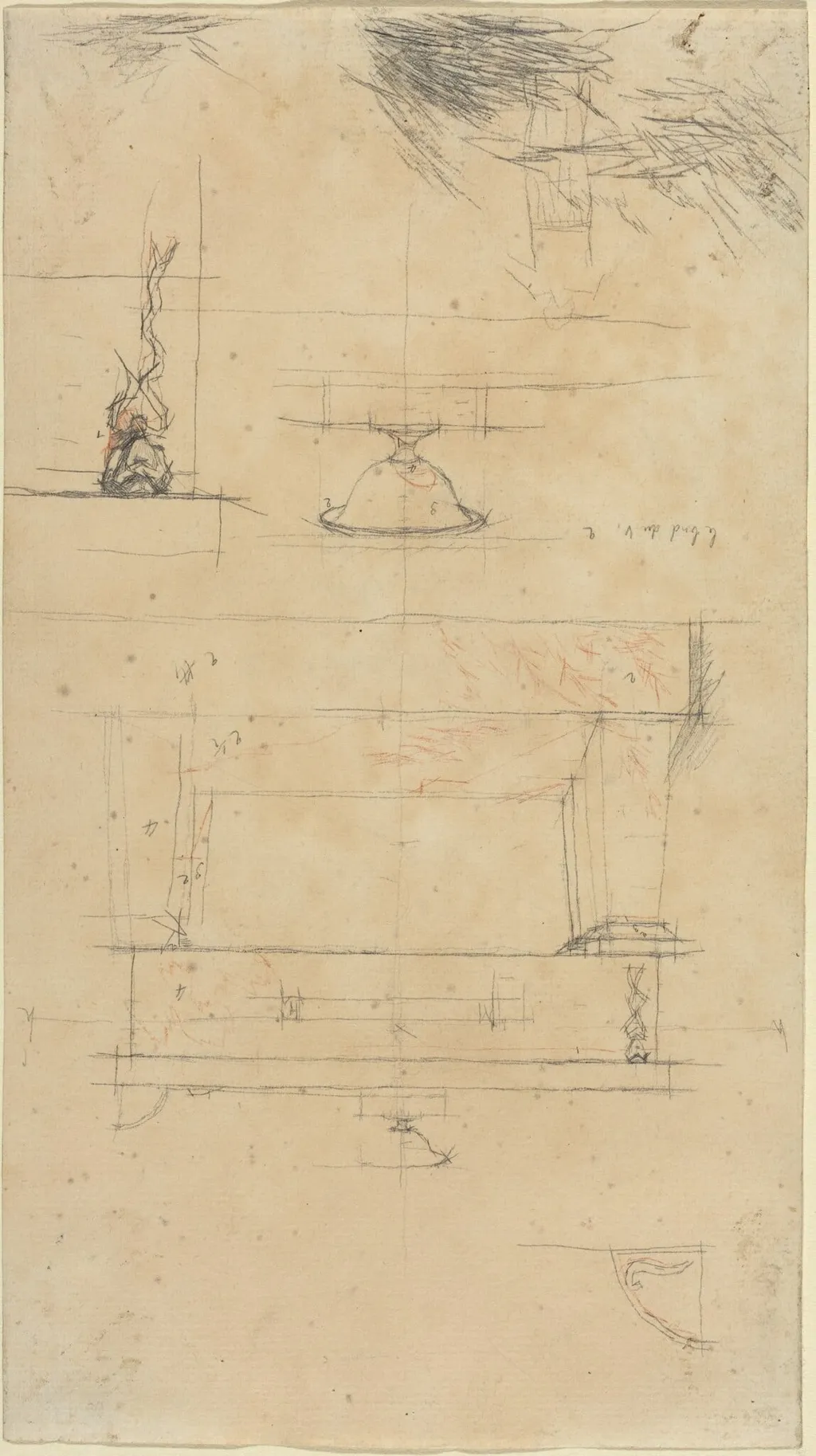
Moliere's Tomb is a graphite drawing by the Impressionist artist Charles Meryon. It dates from 1854 and is held in the collection of the National Gallery of Art.
About this work
Overview
Created circa 1854, *Molière’s Tomb* is a graphite drawing on laid paper by French artist Charles Meryon. The work records the modest stone monument marking the burial place of the 17th‑century playwright Molière, rendered in a restrained, monochrome manner.
Subject & Meaning
The image focuses on a simple tomb slab bearing the inscription “MOLIÈRE.” Meryon’s treatment emphasizes the quiet, almost neglected setting of the grave, suggesting a contemplative reflection on the playwright’s legacy within the Parisian landscape.
Technique & Style
Executed with graphite on laid paper, the drawing relies on crisp, deliberate lines rather than tonal shading. The medium accommodates Meryon’s colour‑blindness, while the stark rendering aligns with his broader Gothic sensibility evident in his depictions of Parisian architecture and monuments.
History & Provenance
Meryon produced the drawing during a visit to a Paris cemetery, sketching the tomb quickly to avoid disturbing the site. The work remains part of his oeuvre, which is chiefly known for etchings, highlighting his occasional forays into drawing.
Context
Meryon, active in mid‑19th‑century France, often turned to historic and urban subjects, especially the darker, atmospheric corners of Paris. This drawing fits within his interest in memorials and the city's layered past, echoing the somber tone of his more famous etchings of the Seine and its bridges.
Artist & collection
Artist
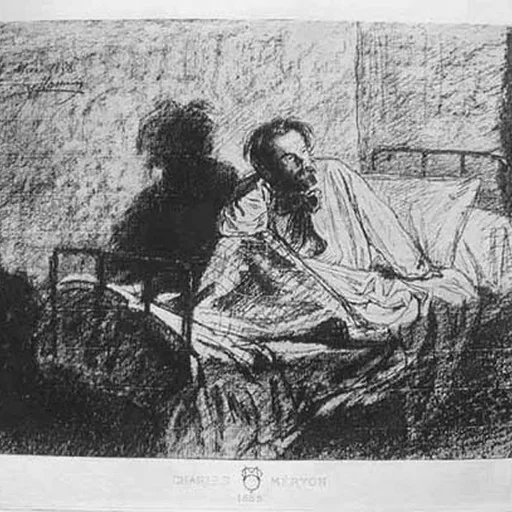
Charles Meryon (sometimes Méryon, 23 November 1821 – 14 February 1868) was a French artist who worked almost entirely in etching, as he had colour blindness.

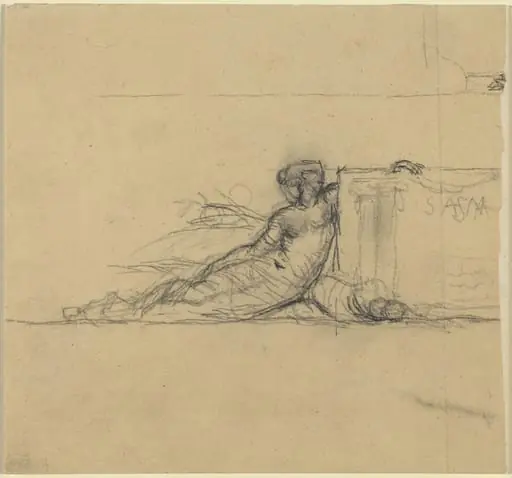
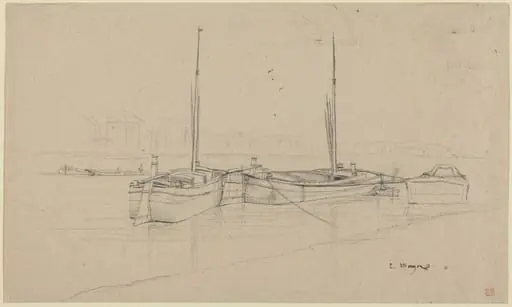
![Sheet of Studies [recto and verso], by John Flaxman](https://artifactworldgallery.com/img/john-flaxman--sheet-of-studies-recto-and-verso--624ac0ec758f08e5-w320.webp) Sheet of Studies [recto and verso]
Sheet of Studies [recto and verso]![Designs for Monuments [recto and verso], by John Flaxman](https://artifactworldgallery.com/img/john-flaxman--designs-for-monuments-recto-and-verso--d8870bd37cddf1cb-w320.webp) Designs for Monuments [recto and verso]
Designs for Monuments [recto and verso]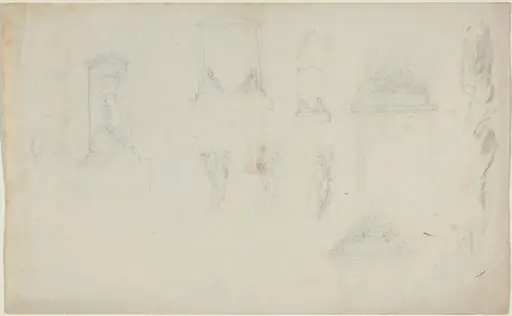 Studies for a Monument
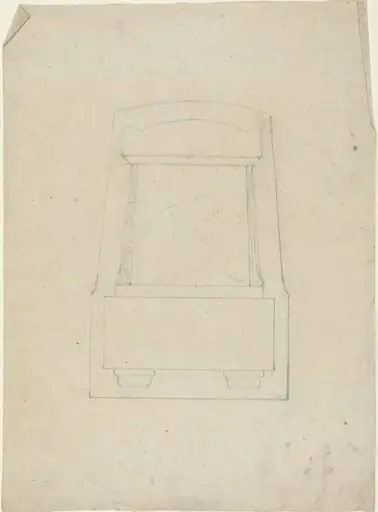 Design for a Monument
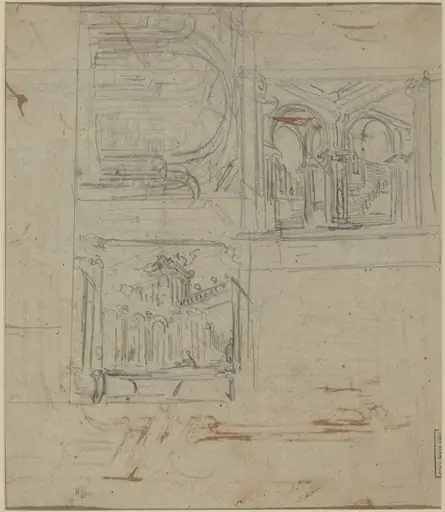 Fantastic Architectural Studies
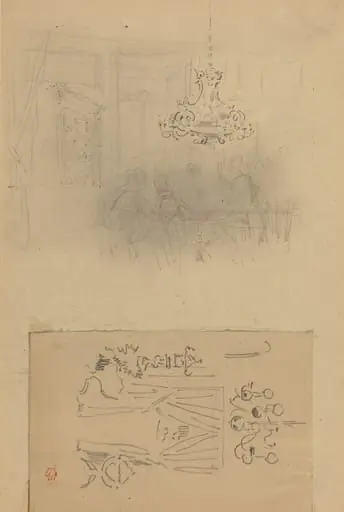 A Gathering in an Interior; A Curtained Doorway
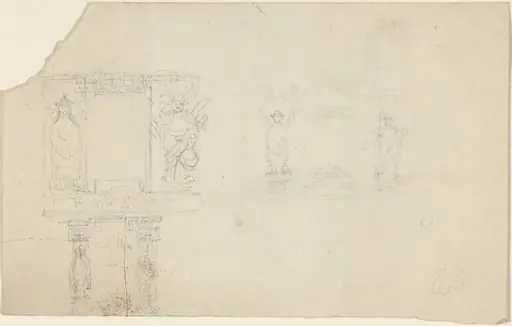 Structure with Figures in Asian Dress (Illustration for “The Casket”?)
![Studies of a Sickbed and Decorations for the Façade of Buckingham Palace [recto and verso], by John Flaxman](https://artifactworldgallery.com/img/john-flaxman--studies-of-a-sickbed-and-decorations-for-the-facade-of-bucki--e2786e1fa5e61ef8-w320.webp) Studies of a Sickbed and Decorations for the Façade of Buckingham Palace [recto and verso]
Studies of a Sickbed and Decorations for the Façade of Buckingham Palace [recto and verso]![Sheet of Studies [recto and verso], by John Flaxman](https://artifactworldgallery.com/img/john-flaxman--sheet-of-studies-recto-and-verso--37ffe1e79b52e688-w320.webp) Sheet of Studies [recto and verso]
Sheet of Studies [recto and verso]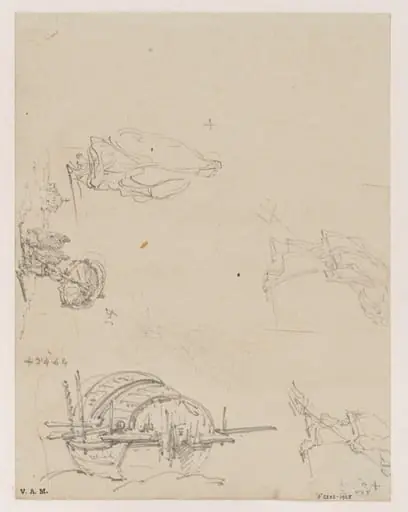 Chinese figures and a Tanka boat
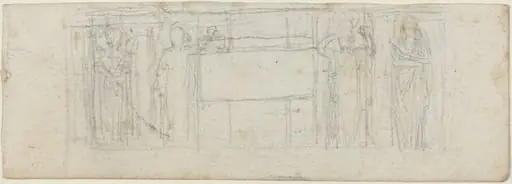 Design for a Monument