Artwork
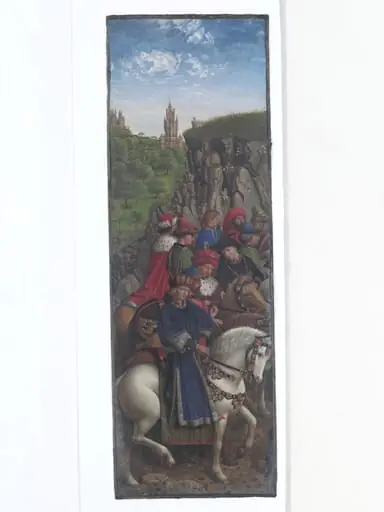
Knights (after The Ghent Altarpiece)
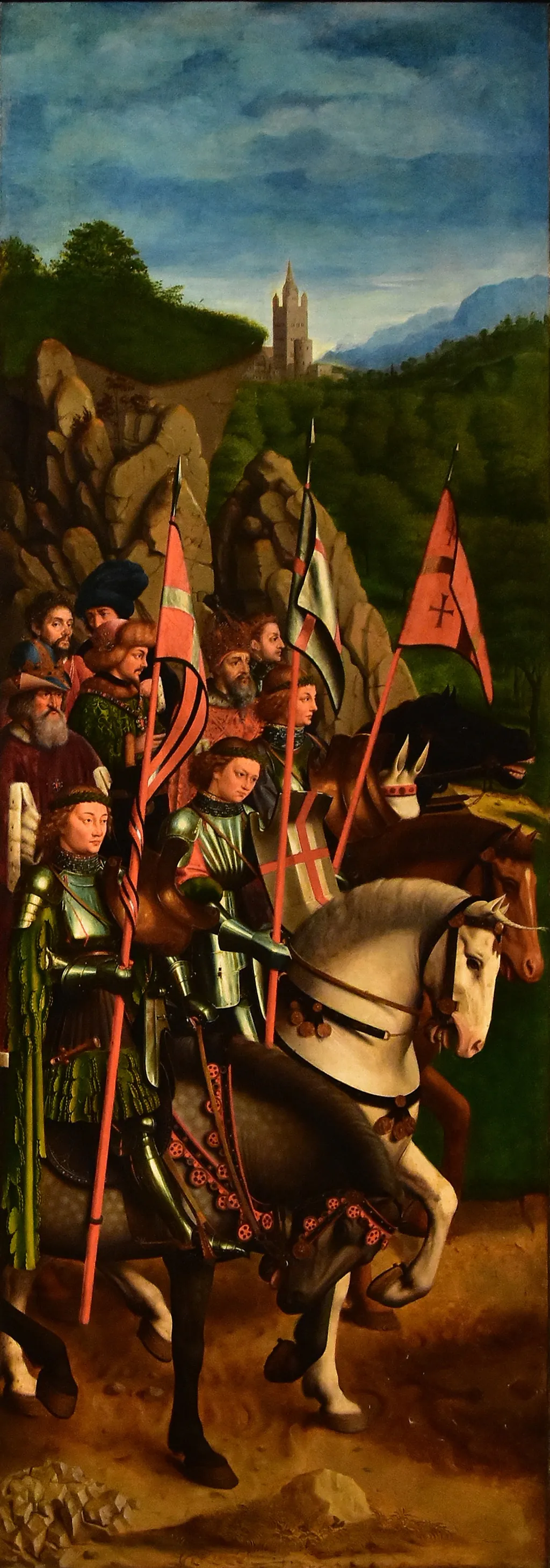
Knights (after The Ghent Altarpiece) is an oil painting by the Northern Renaissance artist Michiel Coxie. It dates from 1557 and is held in the collection of the Royal Museums of Fine Arts of Belgium.
About this work
Overview
A Flemish artist active across the Low Countries and Spain, Coxie was known for his religious compositions and courtly portraiture.
Michiel Coxie the Elder painted *Knights (after The Ghent Altarpiece)* in 1557 using oil on panel. A Flemish artist active across the Low Countries and Spain, Coxie was known for his religious compositions and courtly portraiture. This work, though inspired by the Ghent Altarpiece, reimagines its spiritual themes through a secular lens of chivalric imagery, reflecting the cultural currents of mid-16th-century Europe.
Subject & Meaning
The painting portrays a procession of armored knights on horseback, banners fluttering, moving through a hilly landscape toward a distant castle. Rather than depicting saints or biblical figures, Coxie channels the idealized nobility of chivalry, possibly alluding to the martial virtues upheld by Habsburg rulers. The scene evokes order and discipline, aligning with the political ethos of Charles V’s empire without direct religious narrative.
Technique & Style
Coxie employed bold, fluid brushwork to animate the movement of horses and flags, contrasting with the more static, detailed rendering of armor and landscape. Rich greens, earthy browns, and cool blues establish atmospheric depth, while the sky’s pale hue enhances spatial recession. The style merges Northern Renaissance precision with a dynamic energy uncommon in traditional altarpiece-derived works of the period.
History & Provenance
Commissioned during Coxie’s tenure as court painter to Emperor Charles V and later Philip II, the painting likely served a private or ceremonial function within Habsburg circles. It entered the collection of the Royal Museums of Fine Arts of Belgium in the 19th century, where it remains today as part of a broader archive of Flemish Renaissance art shaped by imperial patronage.
Context
Created during the height of Habsburg power, the work reflects a period when chivalric imagery was repurposed to reinforce political authority. While rooted in the devotional tradition of the Ghent Altarpiece, Coxie’s adaptation shifts focus from sacred narrative to secular heroism, mirroring the era’s blending of religious symbolism with state ideology under imperial rule.
Legacy
Coxie’s reinterpretation of a sacred composition into a chivalric scene illustrates the evolving role of religious art in secular contexts. Though less celebrated than his contemporaries, his work exemplifies how Flemish artists adapted established iconography to serve new political and cultural agendas, influencing later developments in narrative painting across Europe.
Own this work as a print
Artist & collection
Artist
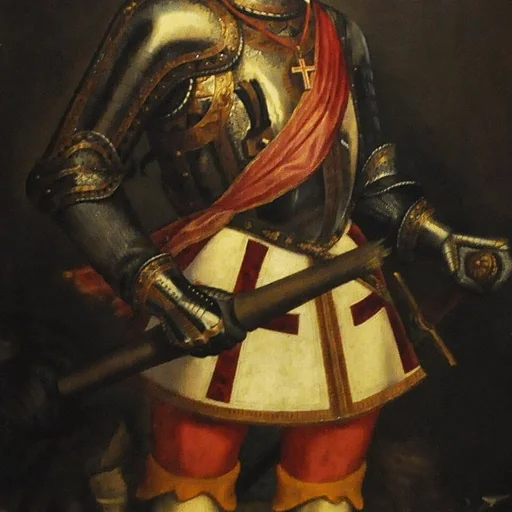
Michiel Coxie the Elder, Michiel Coxcie the Elder or Michiel van Coxcie, Latinised name Coxius (1499 – 3 March 1592), was a Flemish painter of altarpieces and portraits, a draughtsman and a designer of stained-glass windows, tapestries and…

Museum
Royal Museums of Fine Arts of Belgium
Continue through works from the same source collection.
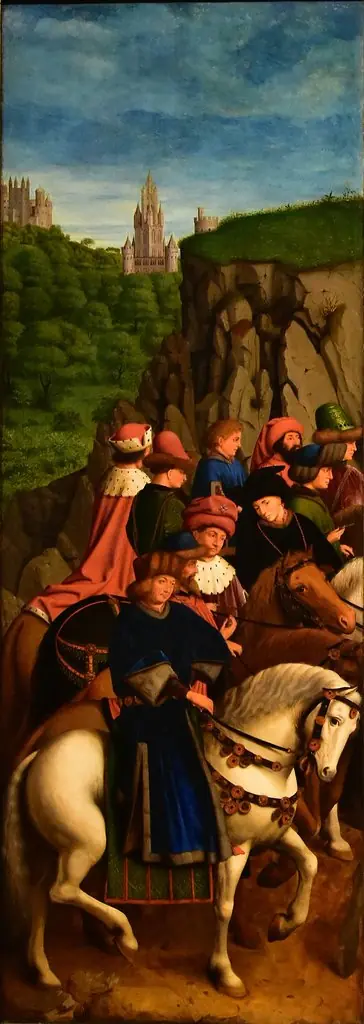 Just Judges
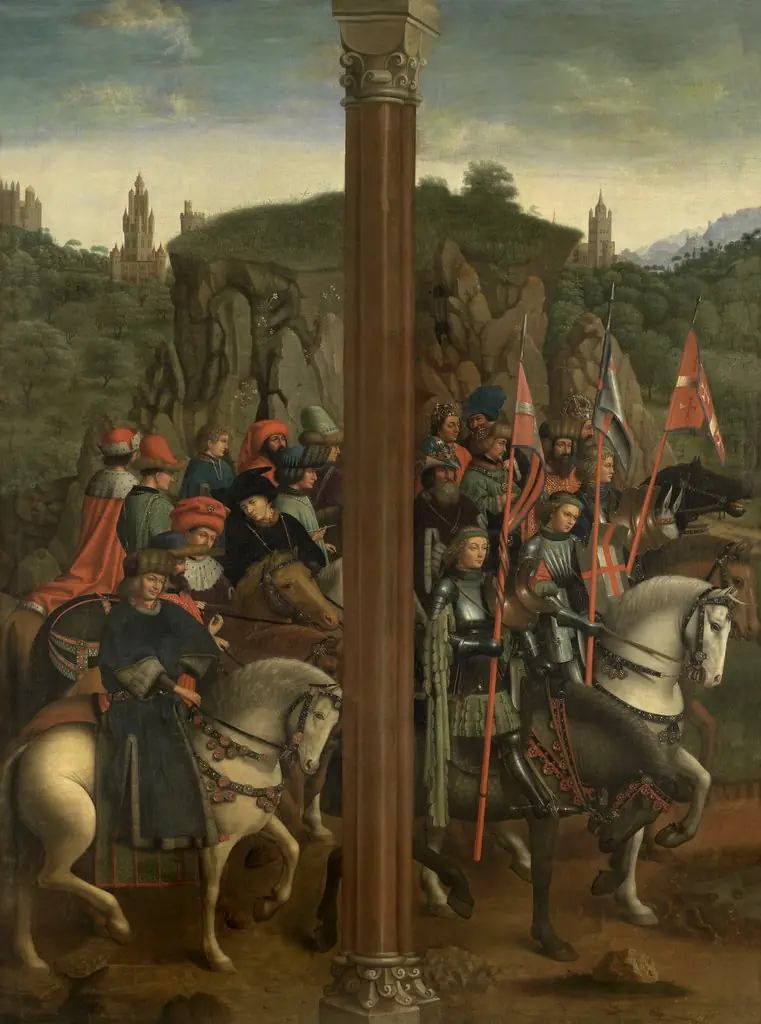 The Knights of Christ and The Just Judges
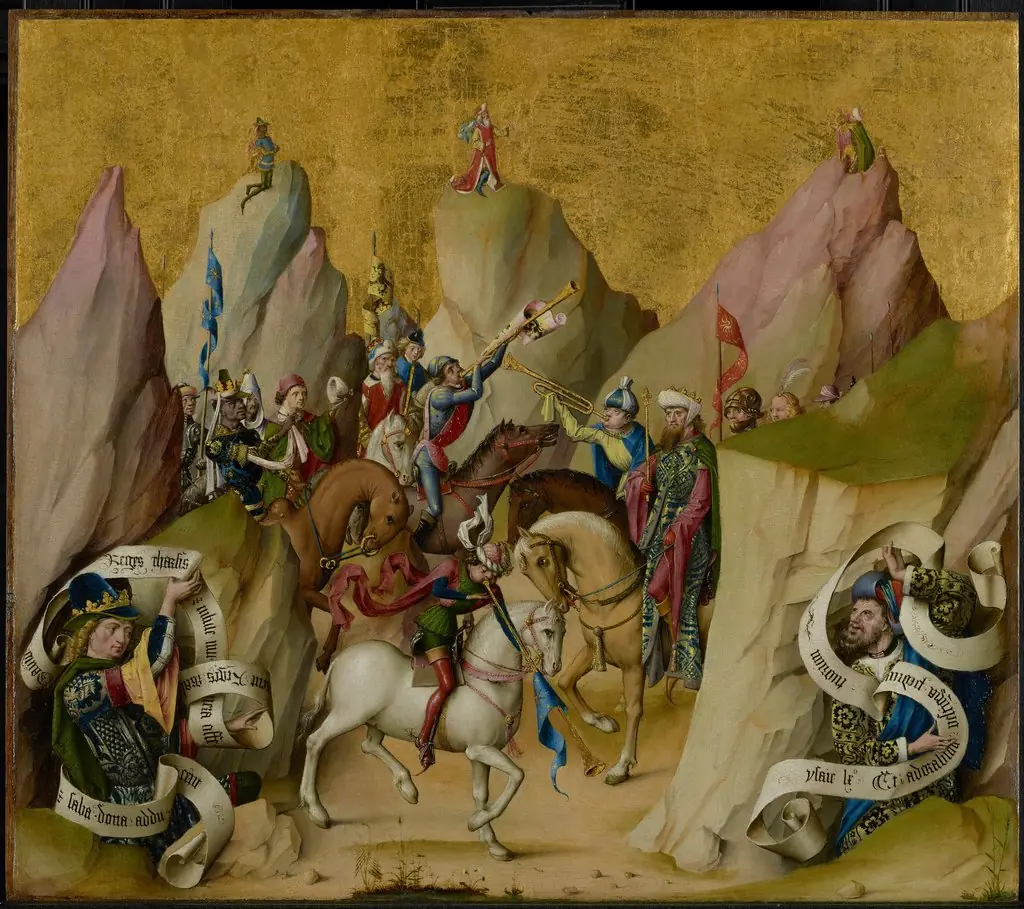 The Meeting of the Three Kings, with David and Isaiah (recto); The Assumption of the Virgin (verso)
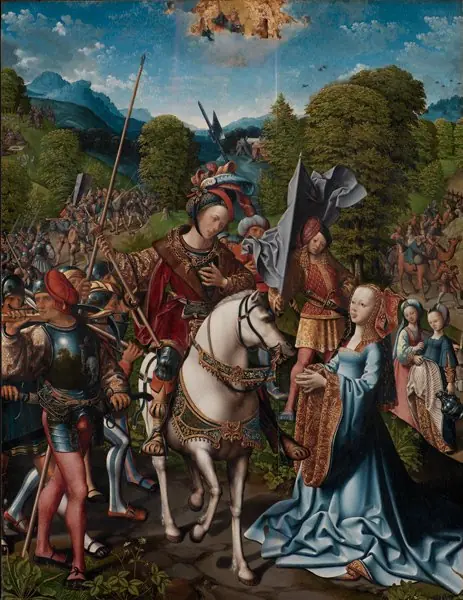 David and Abigail
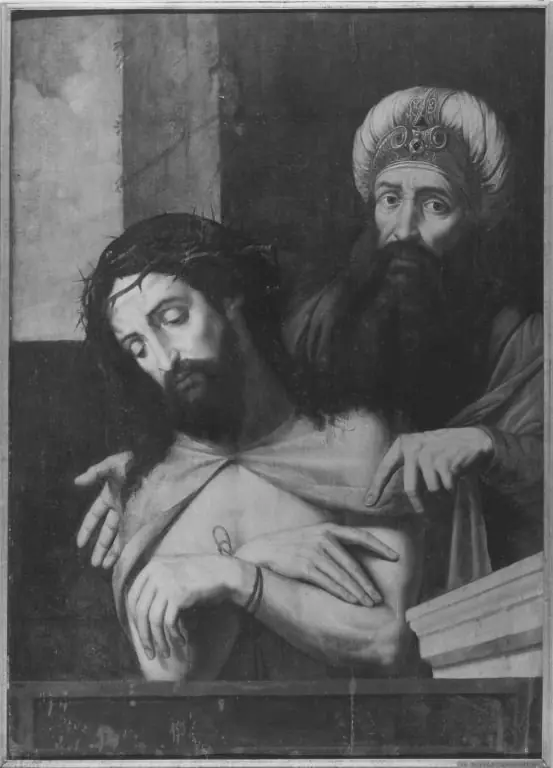
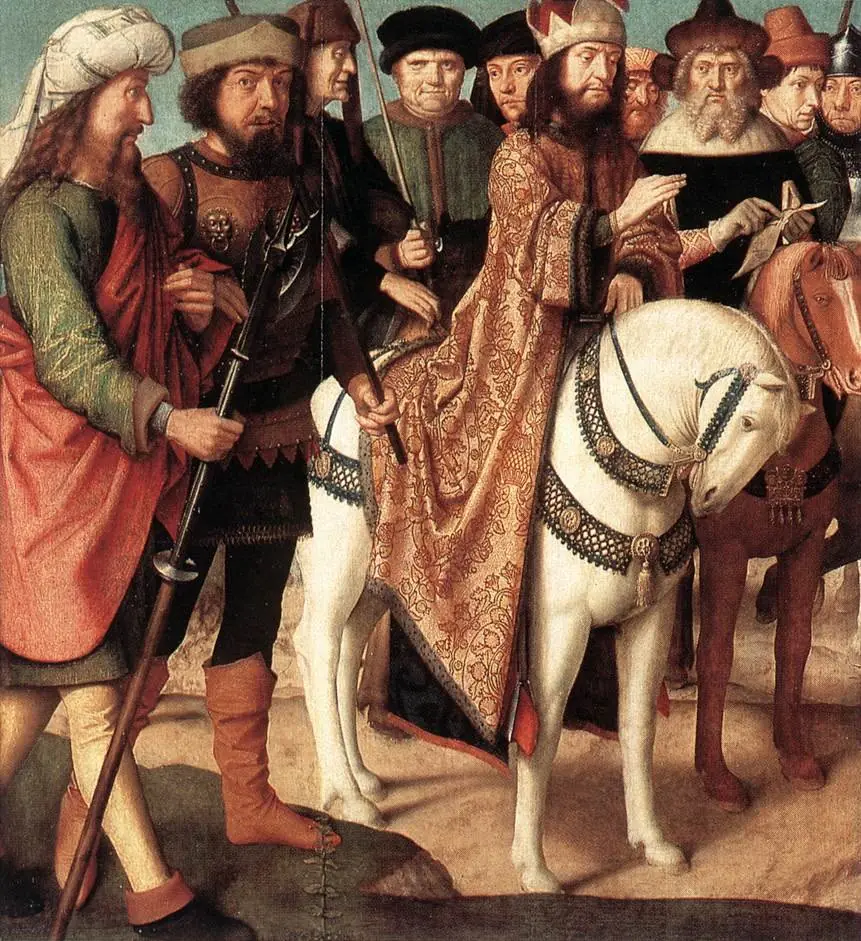 Pilate's Dispute with the High Priest
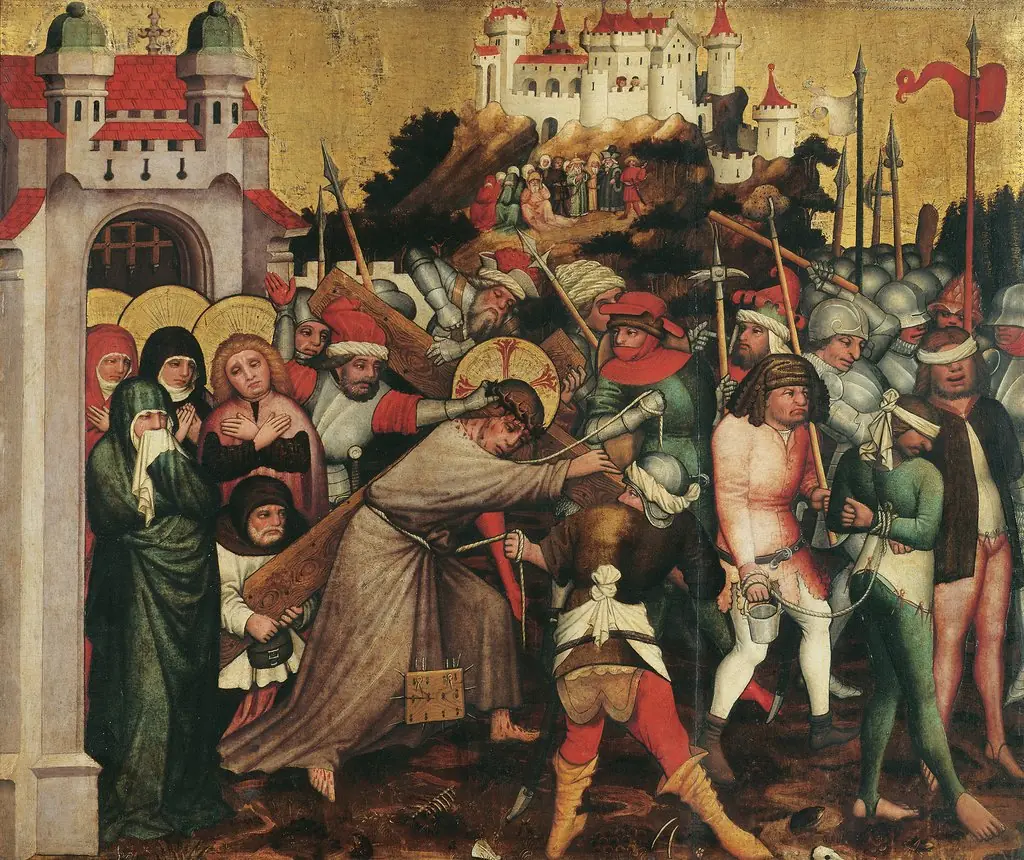 Christ carrying the cross
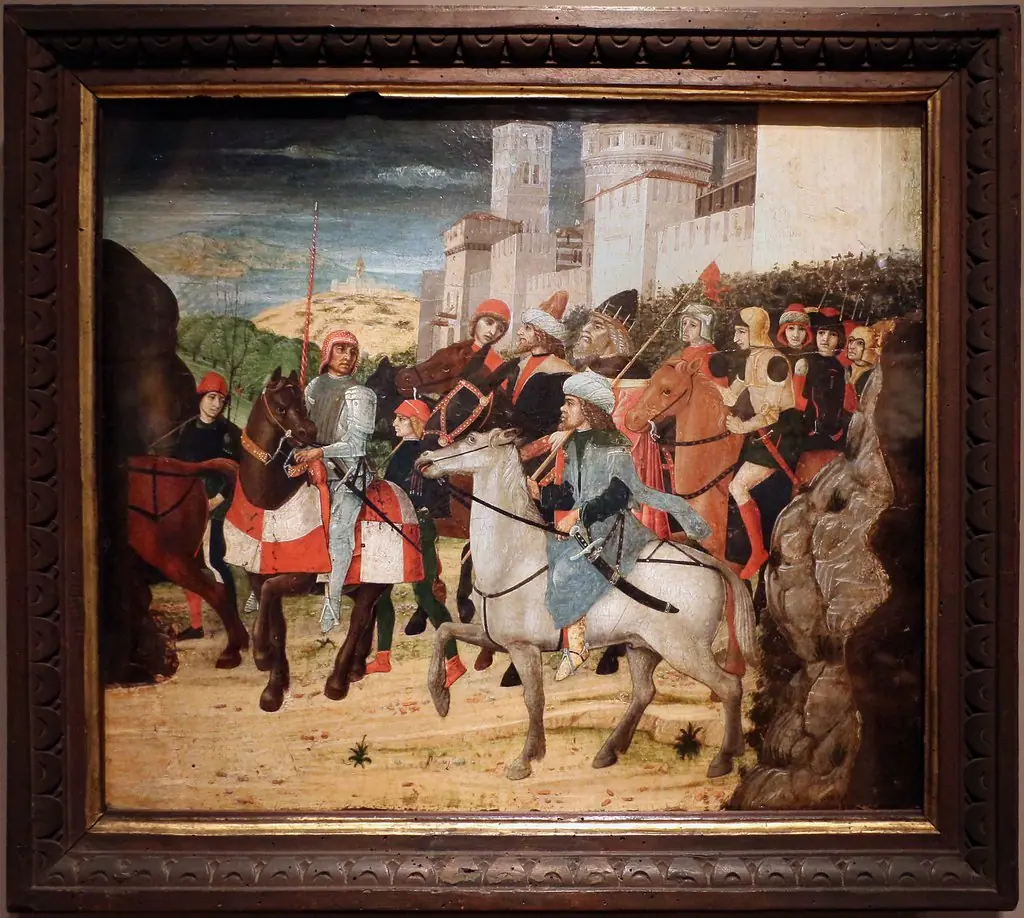 processione dei magi
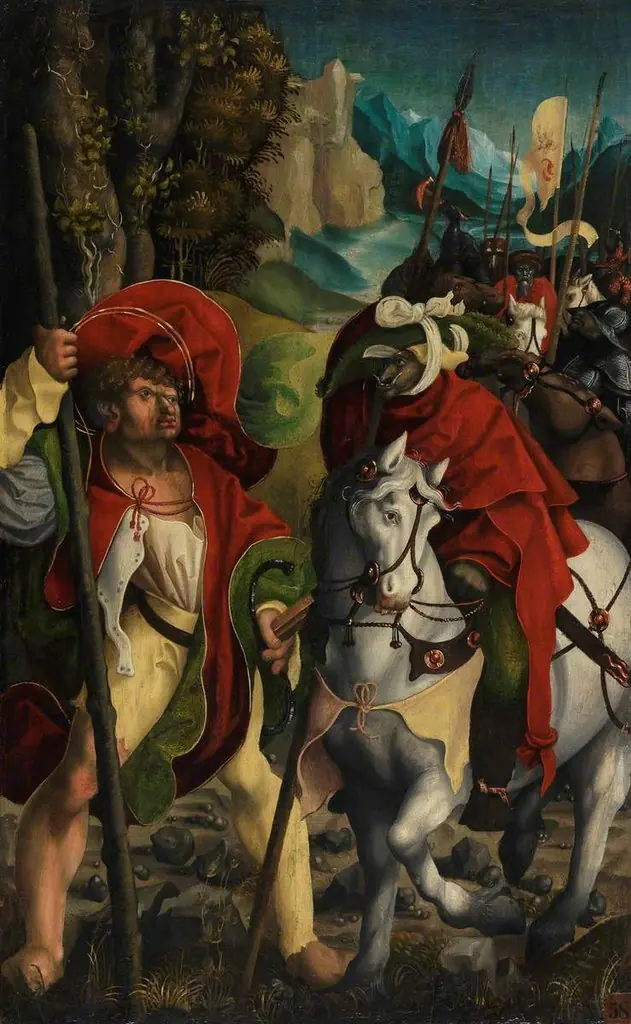 St Christopher meeting the devil
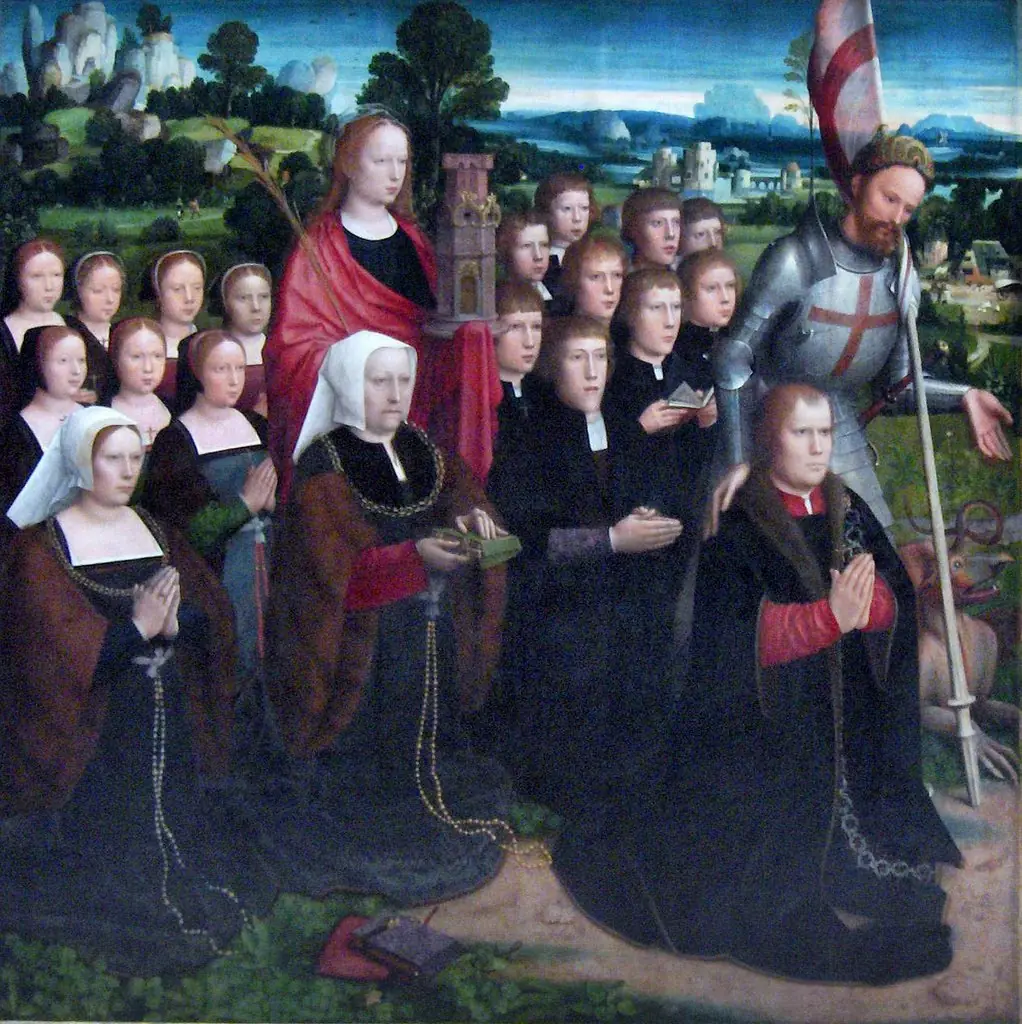 Our Lady of the Seven Sorrows (left wing of diptych: Joris van de Velde, his wife Barbara Le Maire and their children with Saints George and Barbara)
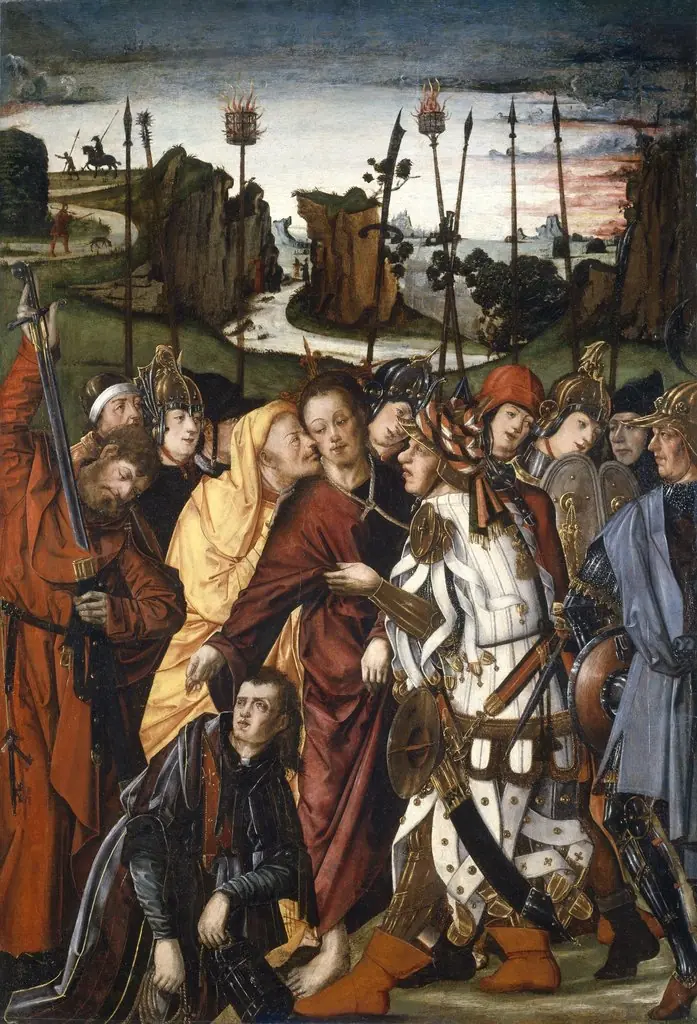 The Taking of Christ
 Flucht der hll. Cantius, Cantianus und Cantianilla (Innenseite); Christus am Ölberg (Außenseite)
 Copy of a detail of the Ghent Altarpiece, The Just Judges, by Hubert and Jan van Eyck in St Bavon, Ghent.