Artwork
The Burial of the Count of Orgaz
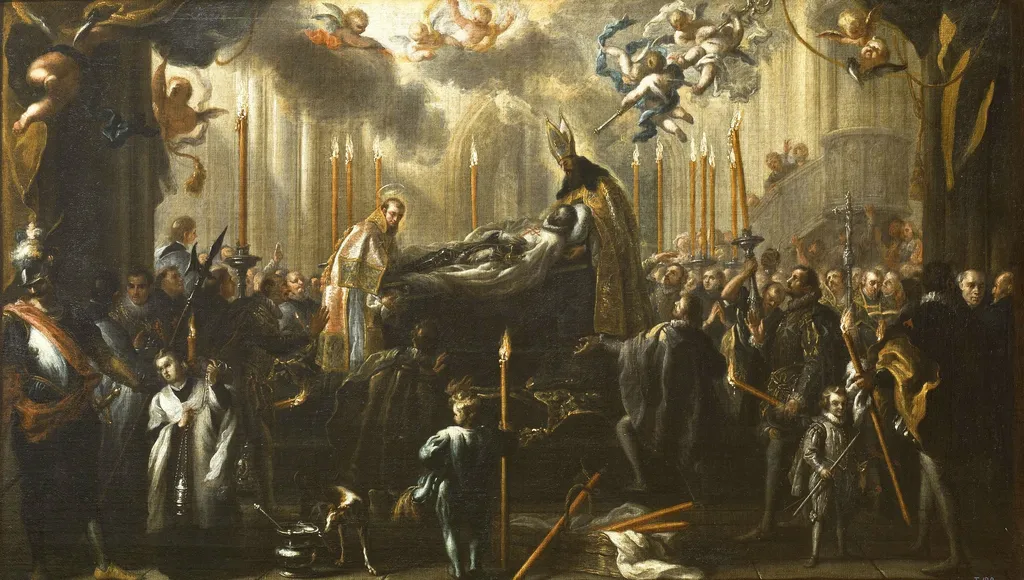
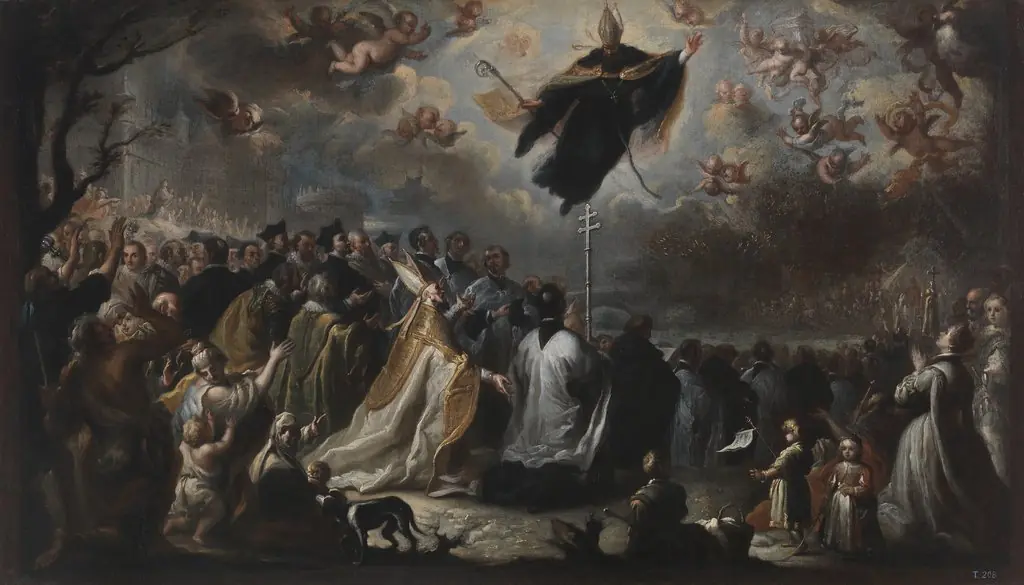
The Burial of the Count of Orgaz is an oil painting by the Rococo painting artist Miguel Jacinto Meléndez. It dates from 1734 and is held in the collection of the Museo del Prado.
About this work
Overview
The Burial of the Count of Orgaz, executed in oil in 1734 by Spanish painter Miguel Jacinto Meléndez, presents a solemn funeral procession. The composition centers on a coffin being lowered into the earth, surrounded by figures in period attire, while celestial beings hover above a luminous sky. The work is part of the Prado Museum’s collection in Madrid.
Subject & Meaning
The scene portrays the interment of a nobleman, likely the historical Count of Orgaz, attended by clergy, aristocracy, and common participants. The juxtaposition of earthly mourners with angels suggests a bridge between the temporal world and the divine, emphasizing the sanctity of the deceased’s status and the hope of heavenly reward.
Technique & Style
Meléndez employs a pronounced chiaroscuro, with strong contrasts between illuminated faces and deep shadows that model the figures and accentuate the drapery.
Meléndez employs a pronounced chiaroscuro, with strong contrasts between illuminated faces and deep shadows that model the figures and accentuate the drapery. The bright, cloud‑filled sky above the crowd creates a celestial backdrop, while the careful rendering of armor, candles, and tools demonstrates a meticulous attention to material detail typical of mid‑18th‑century Spanish academic painting.
History & Provenance
Created in 1734, the canvas entered the royal collection before being transferred to the Museo del Prado, where it remains on display. Documentation traces its ownership through the Spanish court, confirming its attribution to Meléndez and its continuous presence in state holdings since the eighteenth century.
Context
The work belongs to a tradition of Spanish funerary commissions that blend religious symbolism with secular commemoration. While the title recalls the famous 15th‑century painting by El Greco, Meléndez’s version reflects the Baroque‑influenced aesthetic of his era, focusing on dramatic lighting and a structured, narrative arrangement of figures.
Own this work as a print
Artist & collection

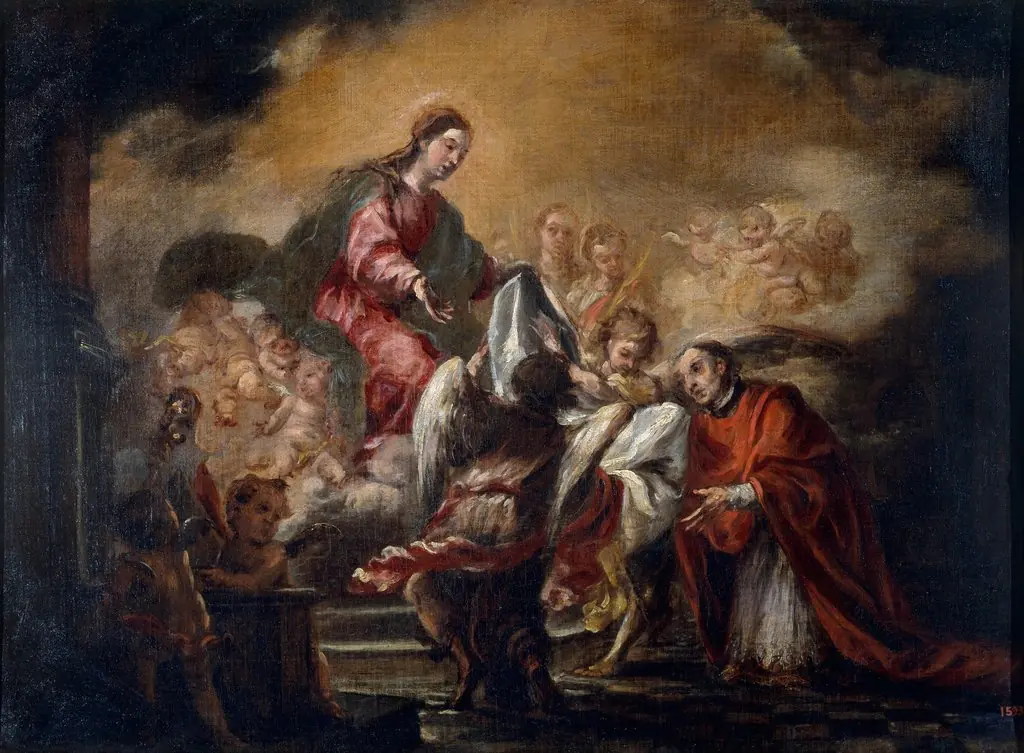 Imposition of the Chasuble on Saint Ildephonsus
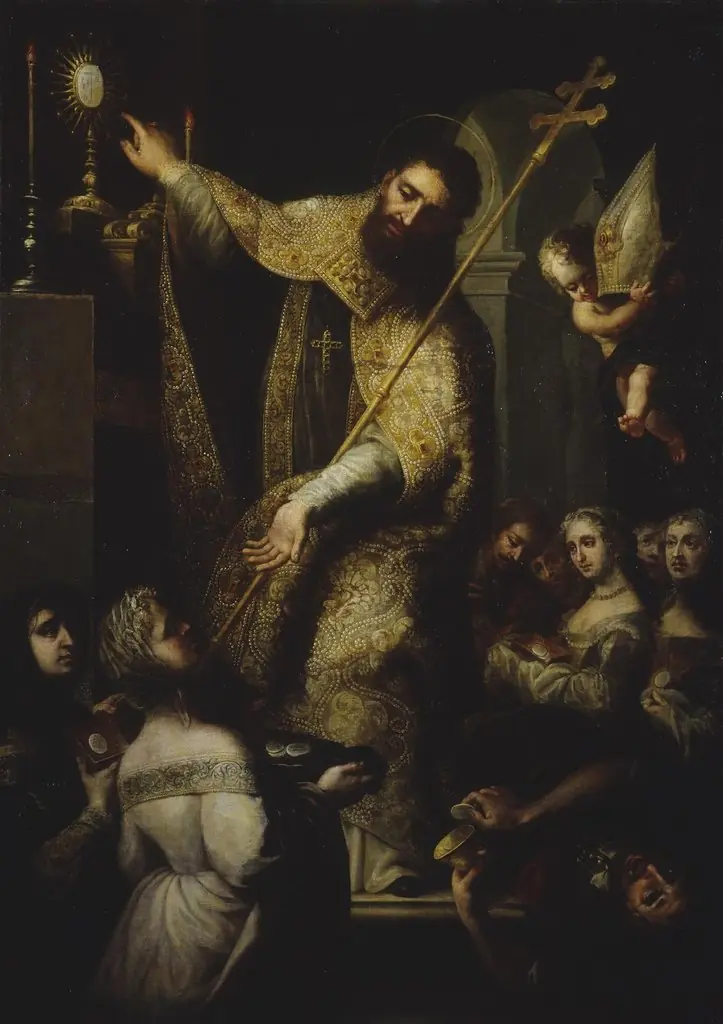 Triumph of St Norbert
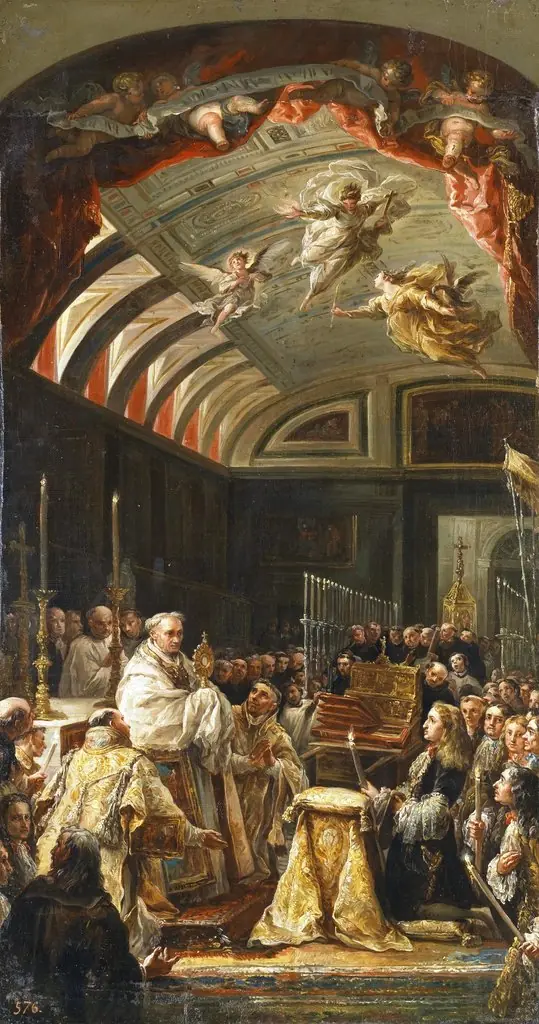 La adoración de la Sagrada Forma
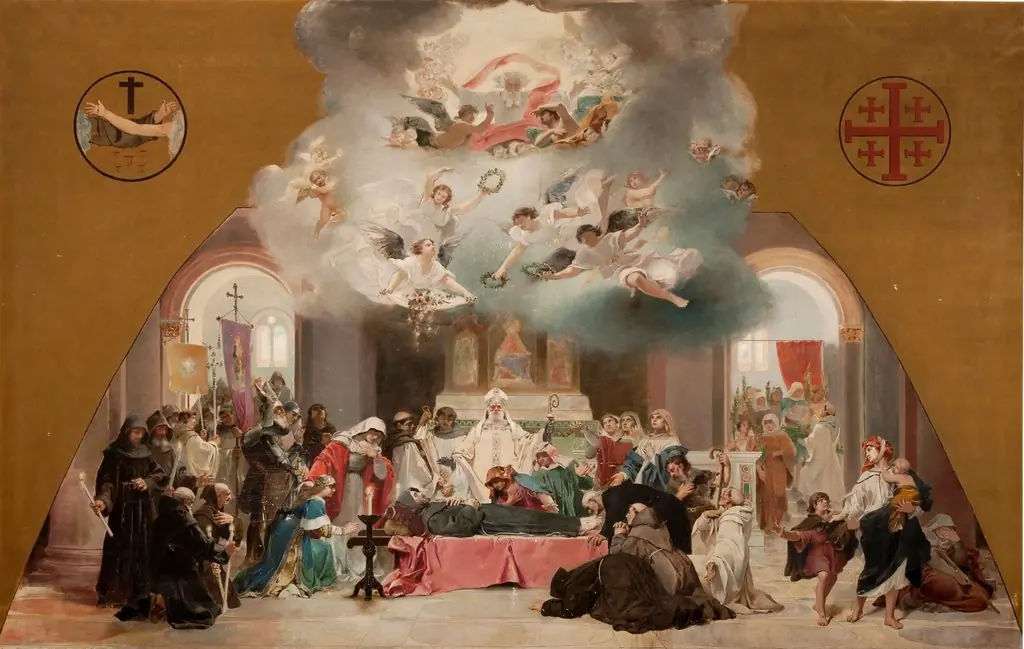 La muerte de San Francisco
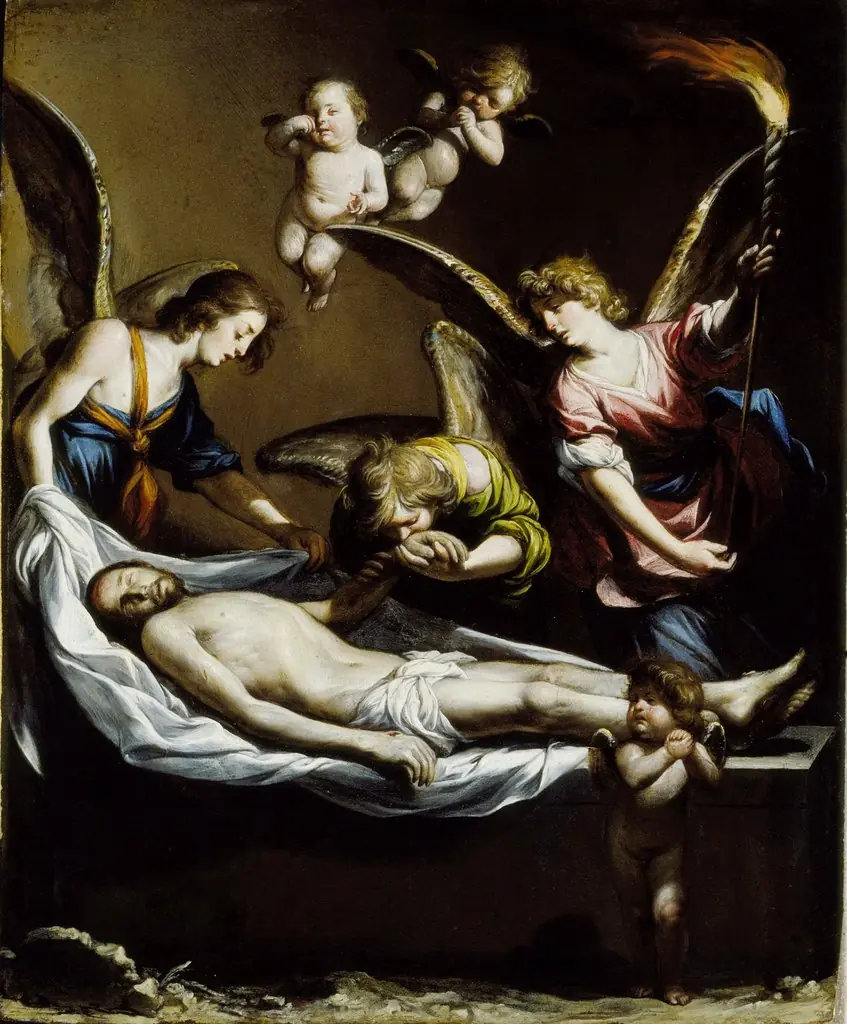 Dead Christ with Lamenting Angels
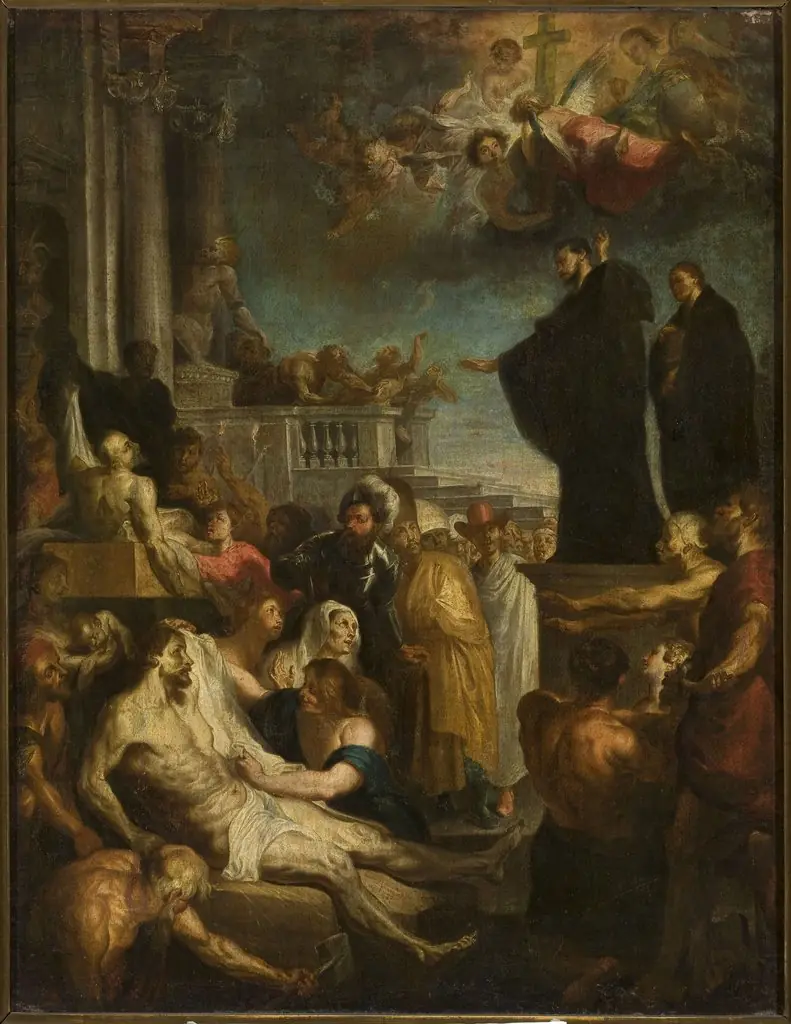 Two saints preaching
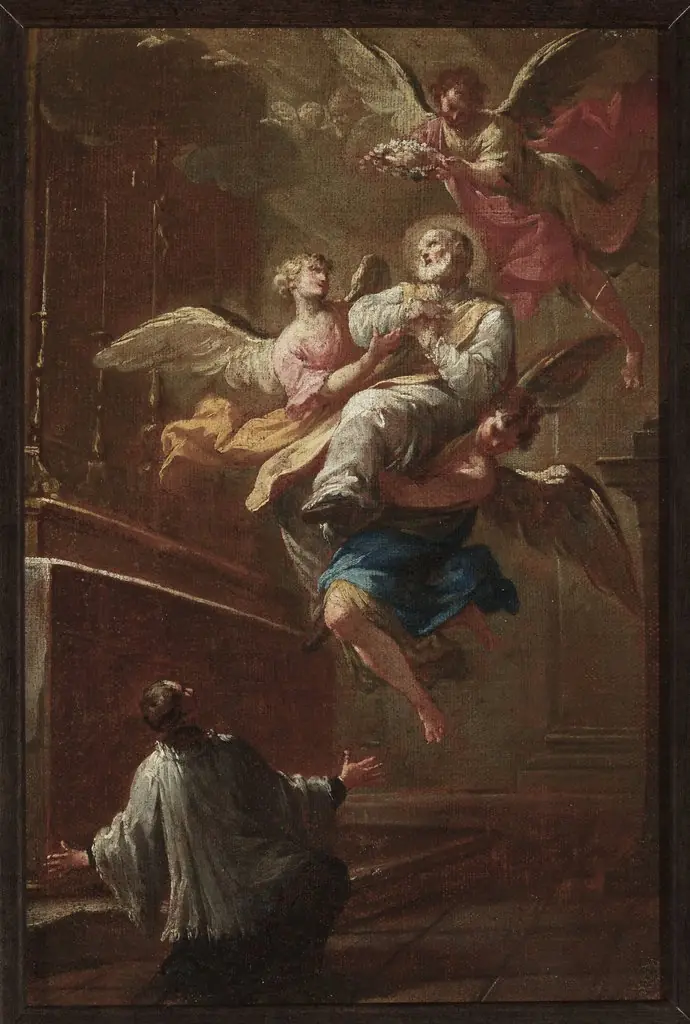 Saint elevated to heaven
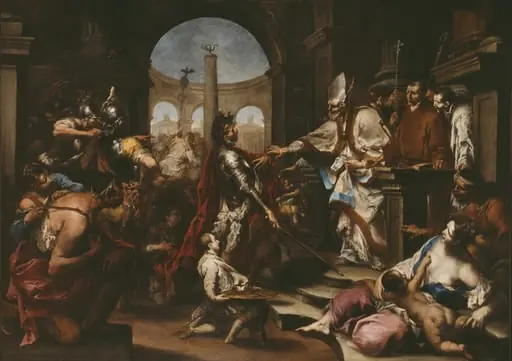 Theodosius Repulsed from the Church by Saint Ambrose
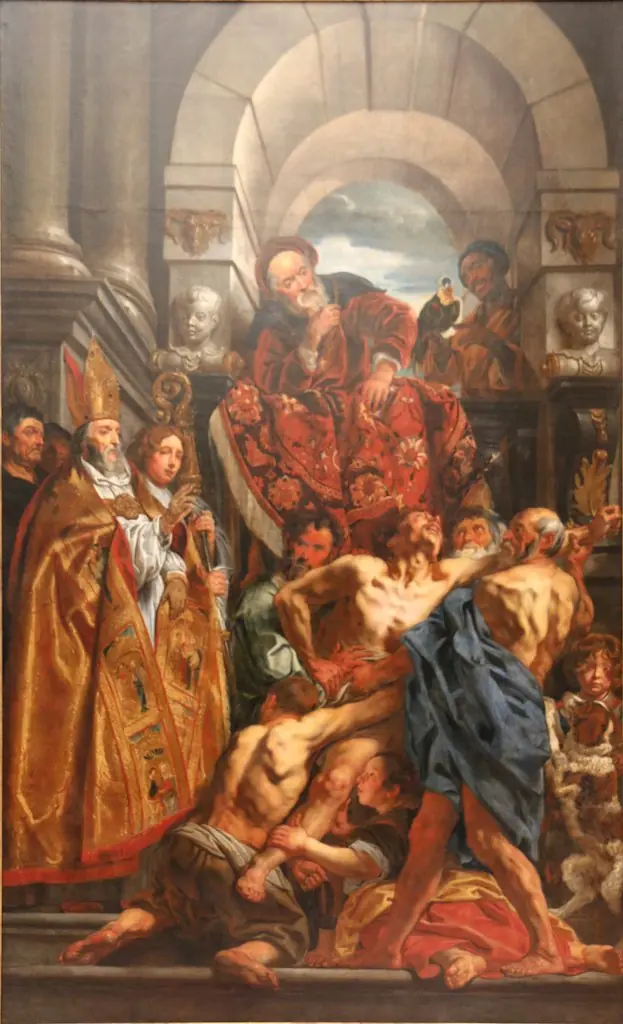 De heilige Martinus geneest een bezetene
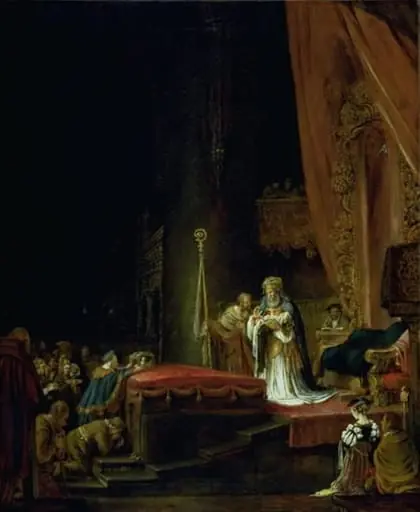 The Presentation in the Temple
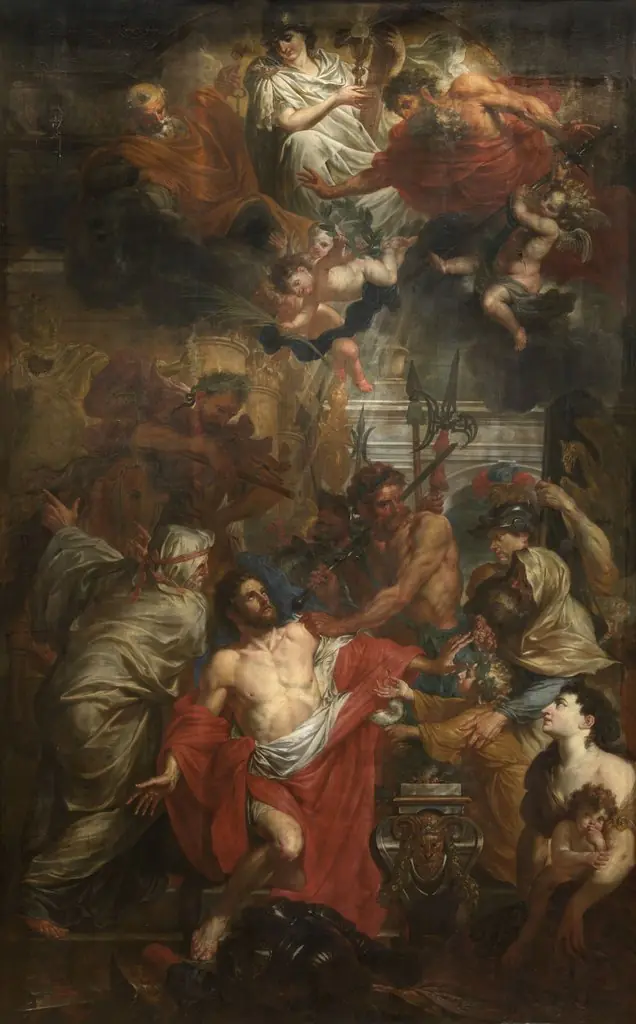 The Martyrdom of Saint George