Artwork
Anne of Austria
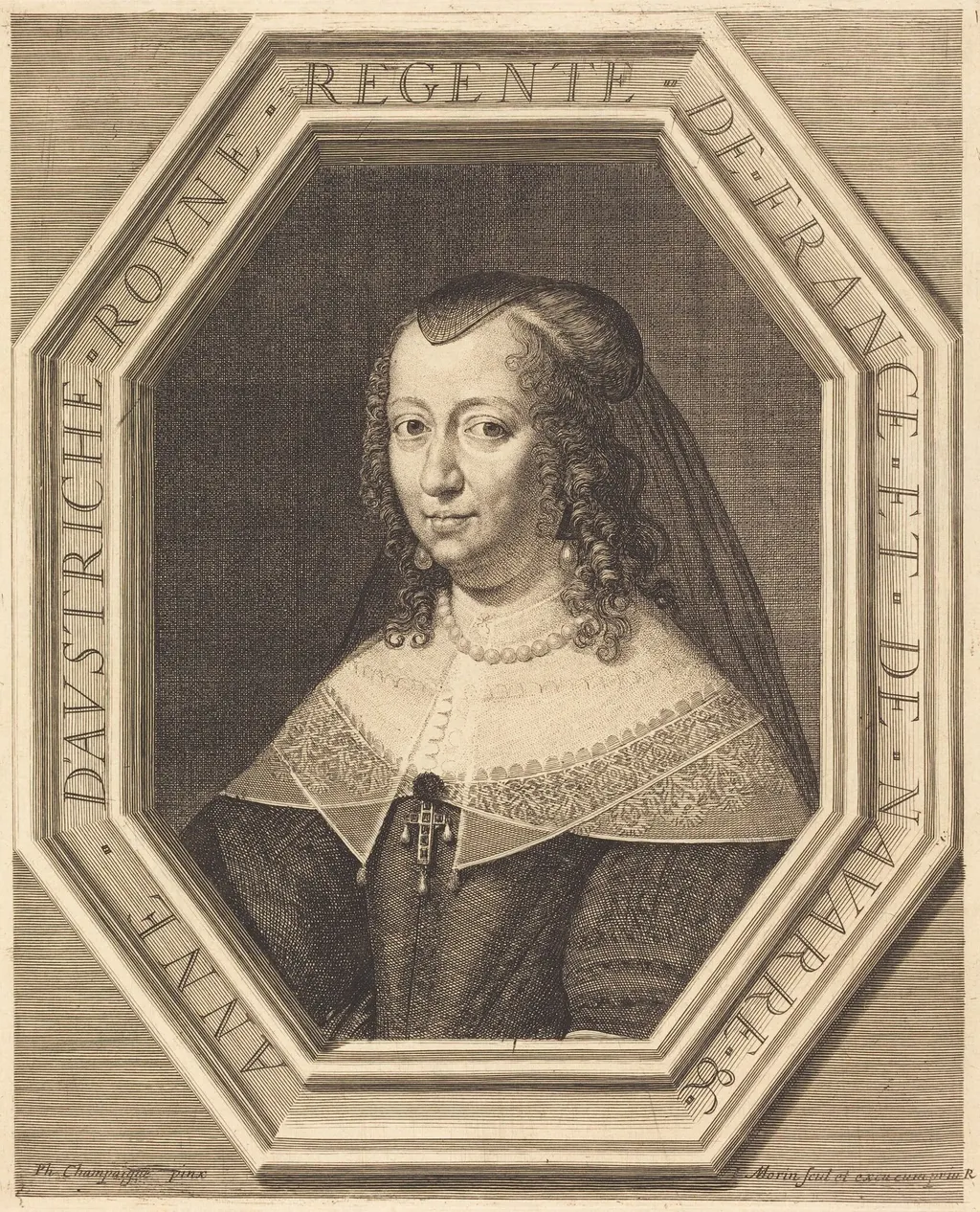
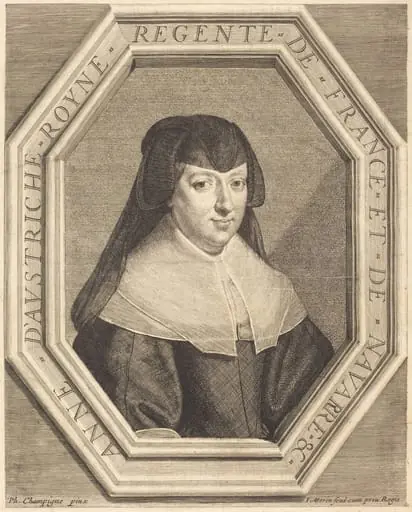
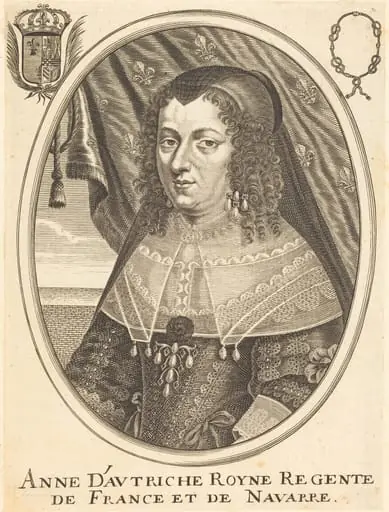
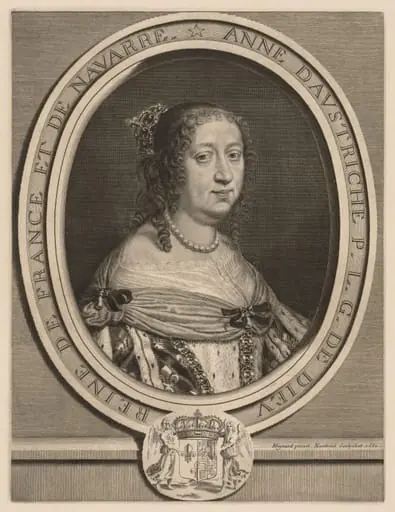
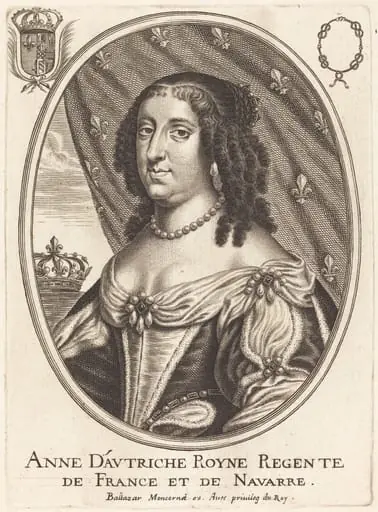
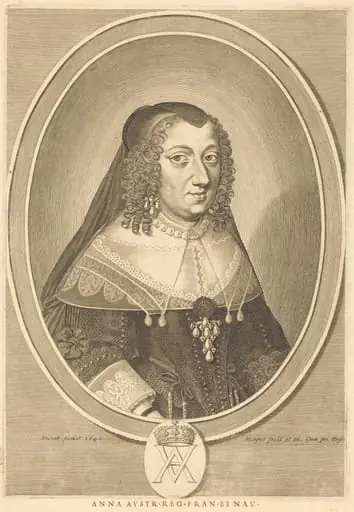
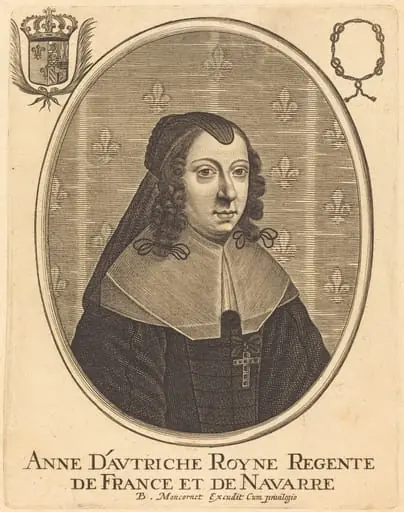
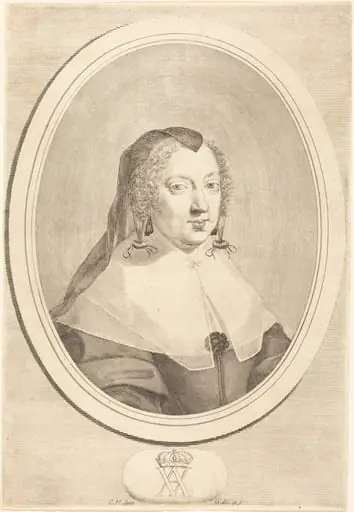
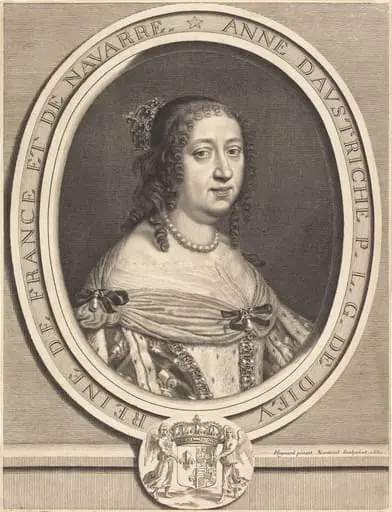
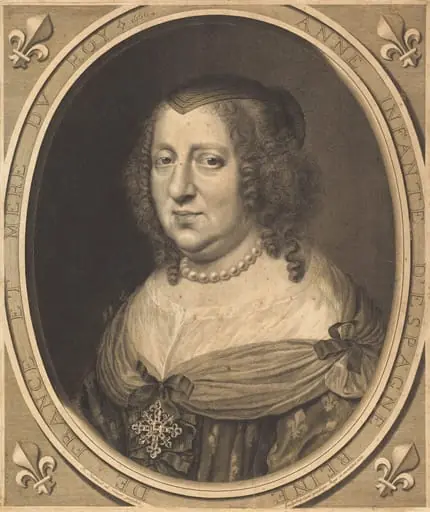
Anne of Austria is an ink print by the Baroque artist Jean Morin. It dates from 1625 and is held in the collection of the National Gallery of Art.
About this work
Overview
This work exemplifies his skill in merging distinct methods on a single plate to achieve nuanced tonal effects, a practice that influenced later printmakers.
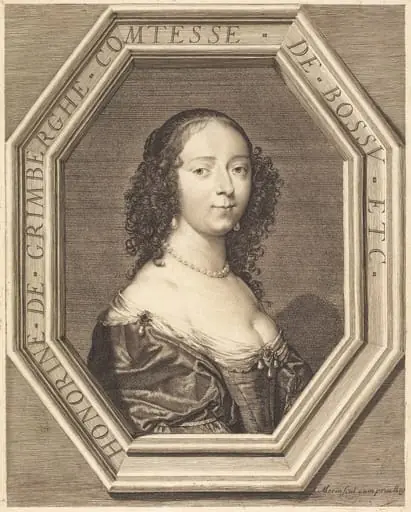
Jean Morin created a portrait of Anne of Austria in 1625 using a combination of etching, engraving, and stippling on laid paper. As a French printmaker active in the early Baroque period, Morin was known for refining multi-technique printmaking. This work exemplifies his skill in merging distinct methods on a single plate to achieve nuanced tonal effects, a practice that influenced later printmakers.
Subject & Meaning
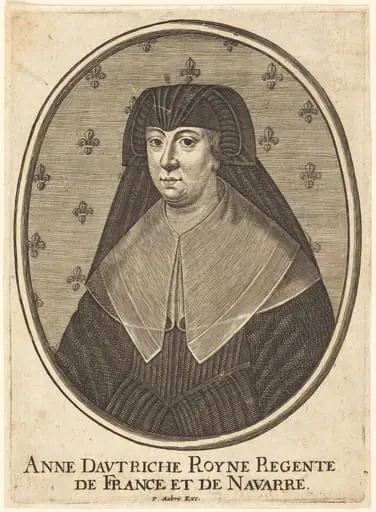
The portrait depicts Anne of Austria, Queen of France, rendered with formal dignity. She wears a high collar, a pearl necklace, and holds a small cross, symbols of her royal status and devout Catholic faith. The plain background focuses attention on her composed expression, reinforcing her role as a figure of political and religious authority during a turbulent era in French history.
Technique & Style
Morin employed stippling—fine dots—to model light and shadow, enhancing the three-dimensionality of the face and fabric without color. Etching provided fluid lines for contours, while engraving added precision to details like the lace and jewelry. The use of laid paper, with its subtle texture, complemented the delicate ink work, allowing for subtle gradations that elevated the portrait’s realism.
History & Provenance
The print was made during Anne’s early years as queen consort, shortly after her marriage to Louis XIII. Morin, though also a painter, gained recognition primarily through his prints. This portrait likely circulated among courtiers and collectors, serving as both a political image and a demonstration of technical mastery in printmaking during the 1620s.
Context
In early 17th-century France, portraiture in print was a tool for projecting royal presence beyond the court. Morin’s integration of multiple techniques reflected broader trends in printmaking, where artists sought to rival the detail of painted portraits. The use of religious symbols aligned with Counter-Reformation ideals, emphasizing piety as a virtue of monarchy.
Legacy
Morin’s technical innovations in combining etching, engraving, and stippling helped expand the expressive range of black-and-white printmaking. Though less known today than his contemporaries, his work contributed to the evolution of portrait prints in Europe, influencing how subtle shading and texture could convey presence and status without color.
Artist & collection
Artist
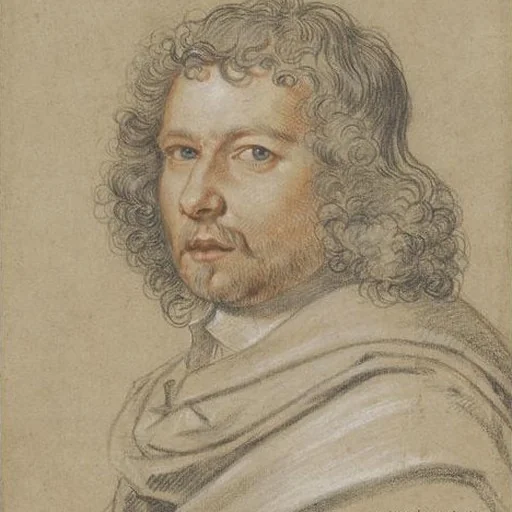
Jean Morin (c.1595 or 1605 – 1650) was a French baroque painter, printmaker, painter, etcher, engraver and publisher.