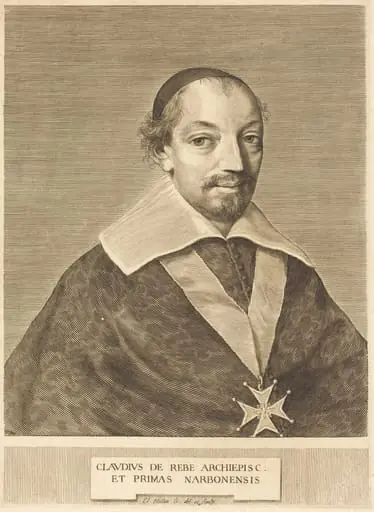
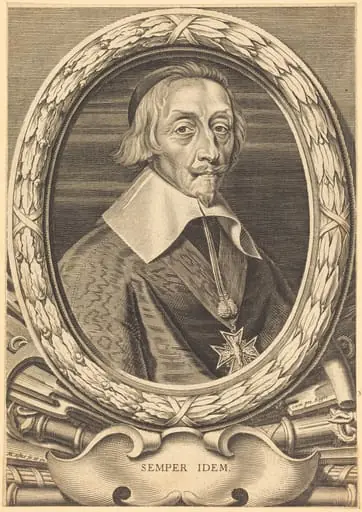
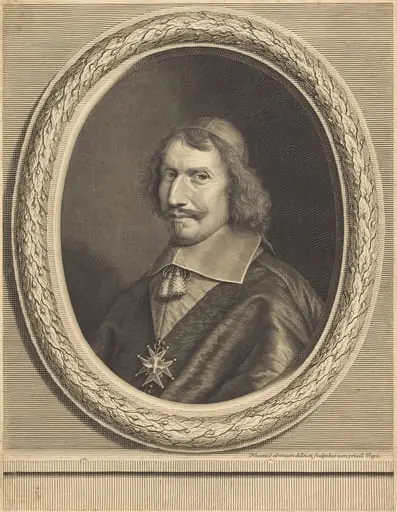
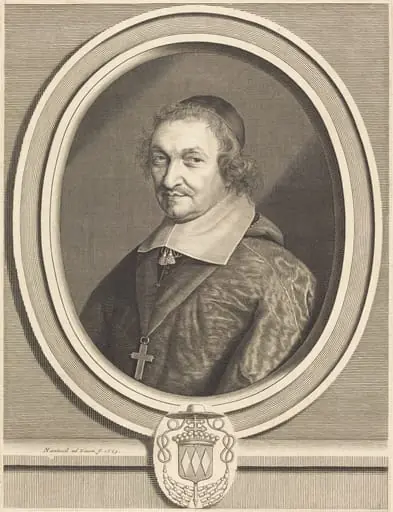
Artwork
Jean IV, Duke of Bragance
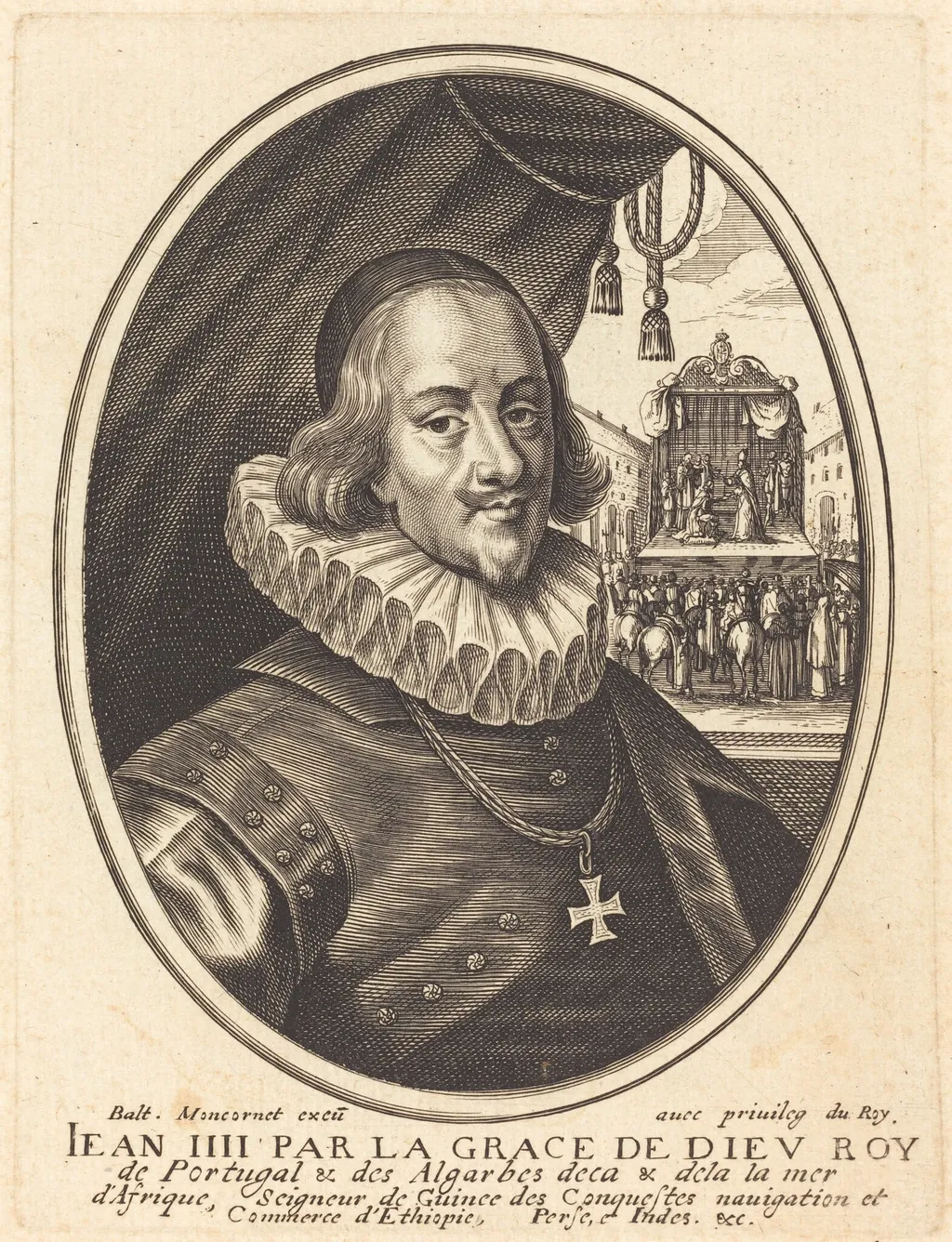
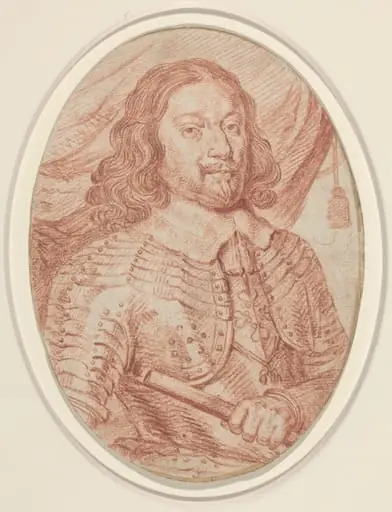
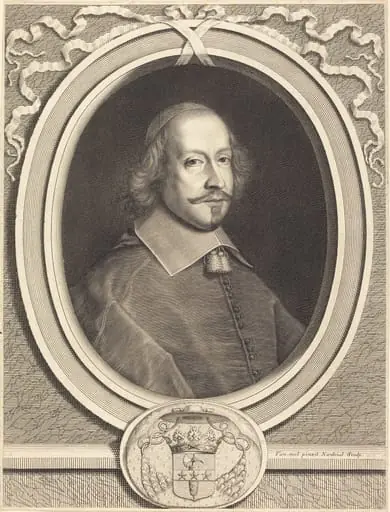
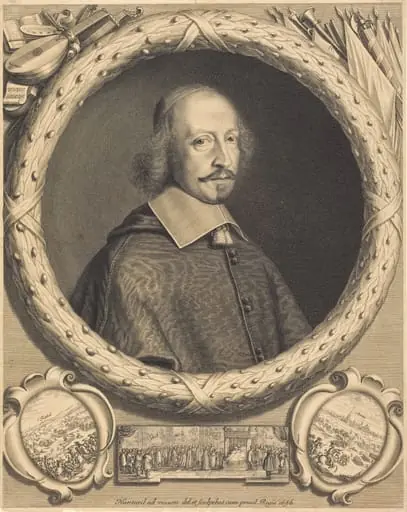
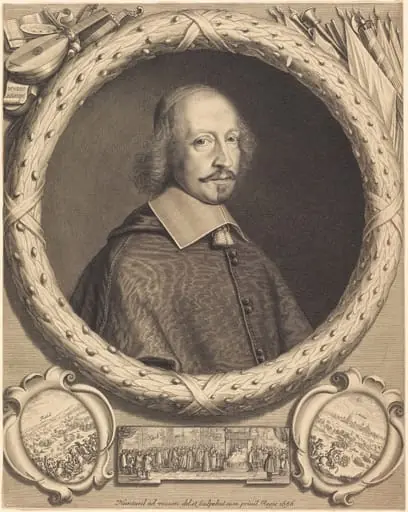
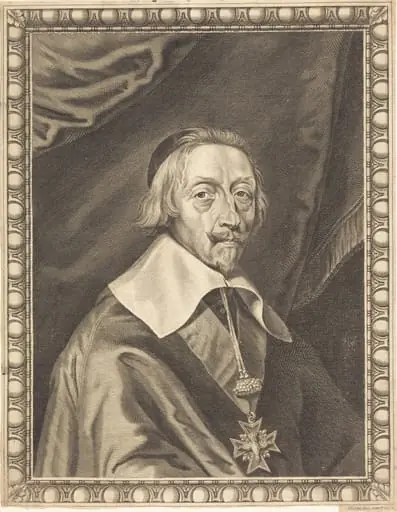
Jean IV, Duke of Bragance is an ink print by the Baroque artist Balthasar Moncornet. It dates from 1634 and is held in the collection of the National Gallery of Art.
About this work
Overview
The work belongs to the printmaking tradition of early 17th-century France, where engraved portraits served both as records and symbols of status.
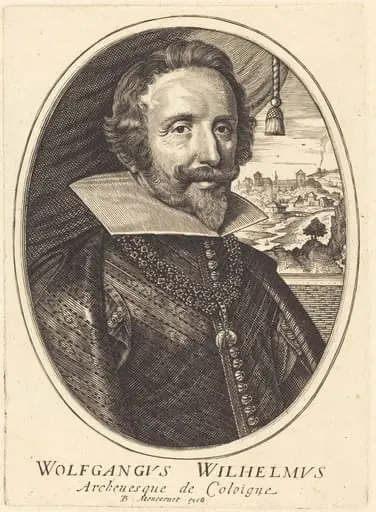
This 1634 engraving by Balthasar Moncornet portrays Jean IV, Duke of Braganza, rendered in fine lines on laid paper. Moncornet, a French artist known for his series of contemporary portraits, captured the duke as part of a broader effort to document influential European figures. The work belongs to the printmaking tradition of early 17th-century France, where engraved portraits served both as records and symbols of status.
Subject & Meaning
Jean IV, Duke of Braganza, was a Portuguese nobleman whose lineage would soon ascend to the Portuguese throne. The portrait emphasizes his dignity through formal attire and a visible religious cross, suggesting piety and legitimacy. The inclusion of a distant cityscape may allude to his territorial influence or the broader political landscape of Iberia, reinforcing his role as a figure of regional authority.
Technique & Style
Moncornet employed fine cross-hatching to model the duke’s ruffled collar and facial features, creating subtle tonal gradations. The oval composition frames the subject with deliberate restraint, while the background cityscape—populated with tiny figures and horses—is rendered with meticulous line work. A decorative tassel at the top of the frame adds a tactile element, typical of period print presentation.
History & Provenance
Created in 1634, the engraving was likely produced for circulation among aristocratic and intellectual circles in France and Portugal. Moncornet’s series of portraits was widely distributed, and this piece may have been part of a collected album. Its survival in good condition suggests it was preserved as a historical document rather than a decorative item.
Context
In the early 1630s, Portugal was under Spanish Habsburg rule, and the Braganza family was quietly consolidating power. Moncornet’s depiction of Jean IV, though made in France, reflects the transnational interest in Portuguese nobility. The portrait aligns with broader European trends in engraved portraiture, where realism and symbolic detail were used to convey political and social standing.
Legacy
Moncornet’s engraving of Jean IV remains a valuable record of early modern noble imagery. It exemplifies the role of print in disseminating visual identities across borders. While not widely exhibited today, it contributes to scholarly understanding of how aristocratic personas were constructed and circulated in print culture during the 17th century.
Artist & collection
Artist
Balthasar Moncornet (1600, Rouen – 1668, Paris) was a French painter, engraver, and tapissier revered for his depictions of around 45 different prominent figures of the 17th century.