Artwork
Saint George and the Dragon
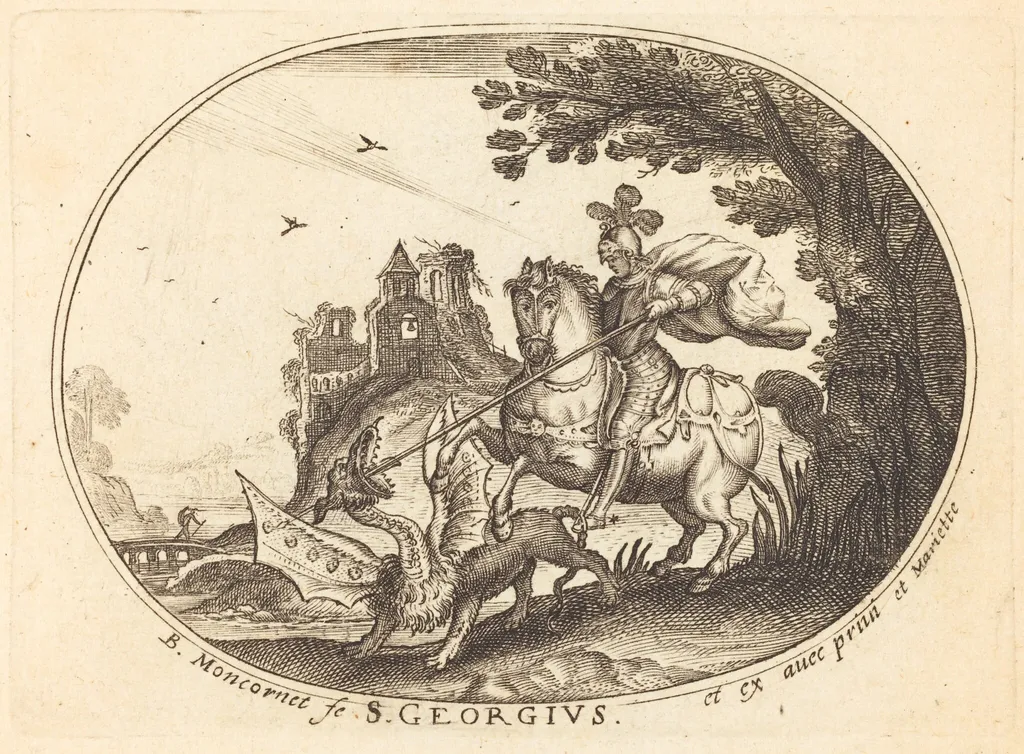
Saint George and the Dragon is an ink print by the Baroque artist Balthasar Moncornet. It dates from 1634 and is held in the collection of the National Gallery of Art.
About this work
Overview
Though primarily known for portraiture, he also engaged with religious narratives, as seen in this depiction of Saint George.
Balthasar Moncornet, a French artist active in the early 17th century, produced this engraving in 1634. Though primarily known for portraiture, he also engaged with religious narratives, as seen in this depiction of Saint George. The work belongs to a tradition of printmaking that made such imagery accessible beyond painted altarpieces, serving both devotional and decorative purposes in domestic and institutional settings.
Subject & Meaning
The scene illustrates the legend of Saint George, a Christian martyr and soldier, defeating a dragon to rescue a princess. The narrative symbolizes the triumph of faith over chaos, a common theme in medieval and early modern religious art. The dragon’s coiled form around a structure suggests destruction overcome, while the distant ship and castle imply a broader world beyond the immediate struggle, reinforcing the saint’s role as a protector.
Technique & Style
Moncornet employed fine, controlled lines typical of engraving, using incised grooves on a metal plate to create tonal variation and texture. Shading is achieved through hatching and cross-hatching, giving the armor, dragon scales, and foliage a sense of volume. The circular border frames the action like a medallion, a compositional choice that echoes Renaissance prints and emphasizes the legendary nature of the subject.
History & Provenance
Created in Paris during the reign of Louis XIII, the print likely circulated among the French elite and clergy. Moncornet’s workshop produced multiple versions of religious and historical subjects for collectors and institutions. While specific early ownership records are sparse, the engraving’s survival in museum collections indicates its continued relevance in 17th- and 18th-century artistic circles.
Context
In early 17th-century France, religious imagery remained central to visual culture despite growing secular trends. Engravings like this one bridged the gap between ecclesiastical art and private devotion, often used in homes or as teaching tools. Moncornet’s work reflects the period’s interest in combining classical heroism with Christian virtue, aligning with broader Counter-Reformation ideals promoted by the Church.
Legacy
Moncornet’s engraving contributed to the enduring visual language of Saint George in European print culture. Though less celebrated than his portraits, this work exemplifies the technical precision and narrative clarity valued in French printmaking of the era. It remains a reference point for understanding how religious legends were adapted for mass reproduction and sustained cultural memory through the medium of engraving.
Artist & collection
Artist
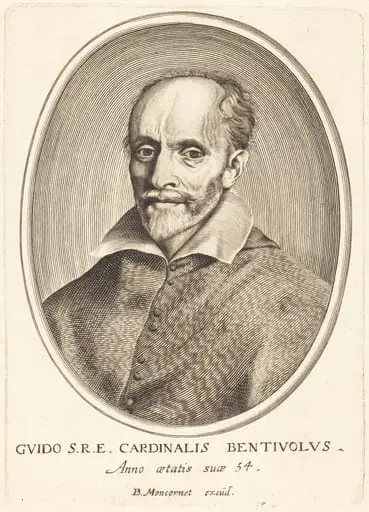
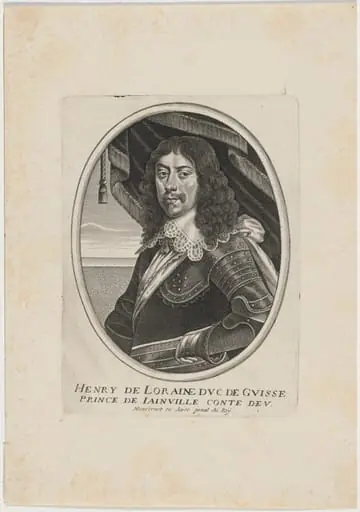
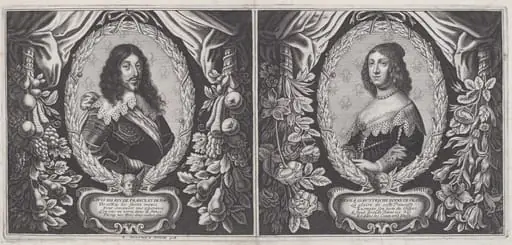
Balthasar Moncornet (1600, Rouen – 1668, Paris) was a French painter, engraver, and tapissier revered for his depictions of around 45 different prominent figures of the 17th century.