Artwork
The Empty Cradle
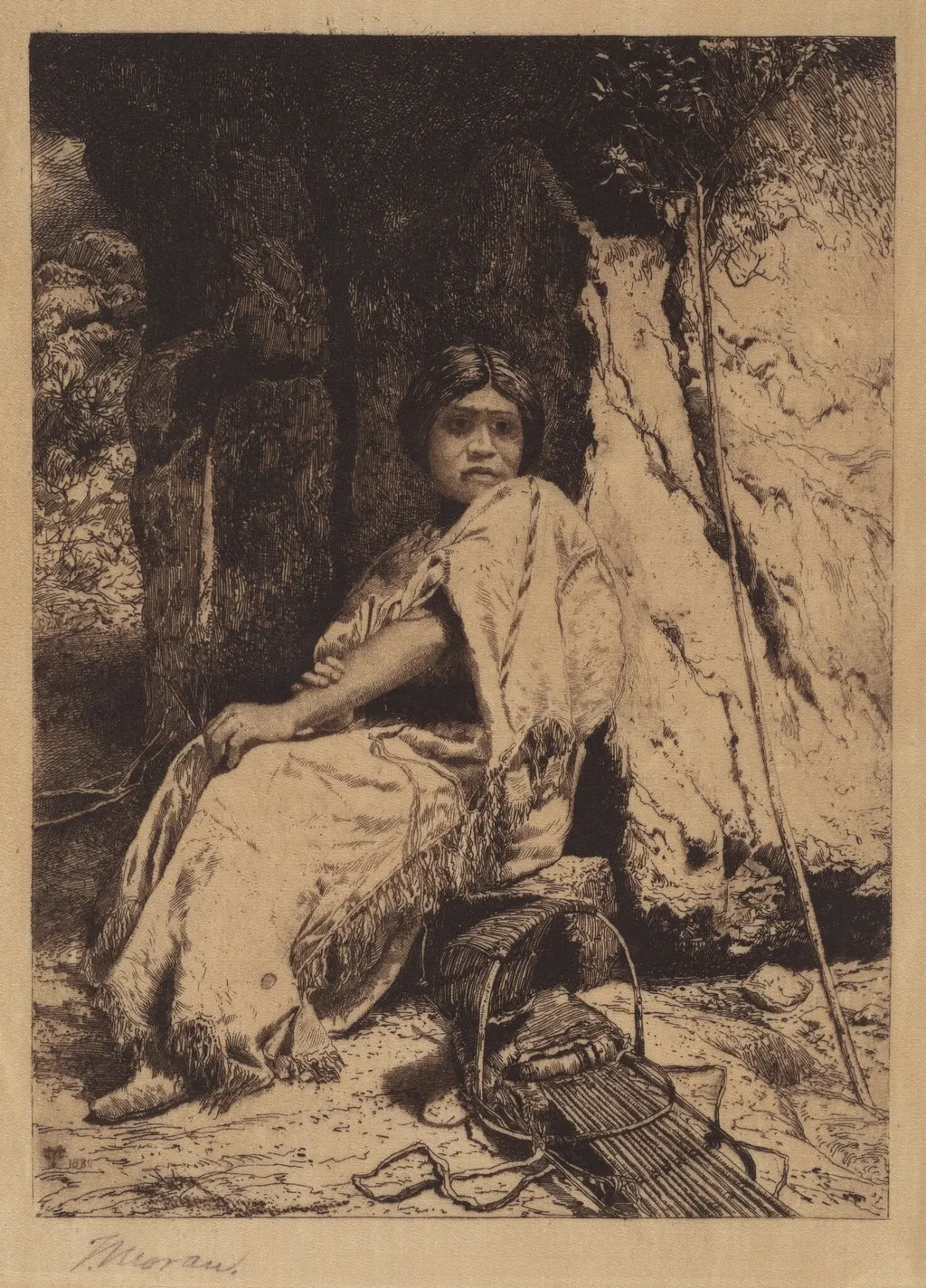
The Empty Cradle is an ink print by the Impressionist artist Thomas Moran. It dates from 1878 and is held in the collection of the National Gallery of Art.
About this work
Overview
The Empty Cradle, an etching in black on silk, was created by Thomas Moran in 1878. Unlike his typical depictions of the Rocky Mountains, this work features a contemplative indoor scene.
Subject & Meaning
A somber woman, dressed in a intricately detailed white gown with a shawl, sits in a dark, shadowy cave. Her gaze to the right and the presence of a nearby empty woven basket imply a narrative of loss or solitude.
Technique & Style
Moran's use of etching on silk achieves a sense of depth through stark contrasts of light and shadow, emphasizing the woman's contemplative state. The detailed rendering of her dress contrasts with the cave's rough, dark backdrop.
History & Provenance
Created in 1878 while Moran worked in New York with his family, The Empty Cradle is now part of the National Gallery of Art's collection in Washington.
Context
Though associated with the Hudson River School, Moran's work here diverges from the school's typical landscapes, instead exploring interior, figurative themes, possibly influenced by his collaborative family environment.
Legacy
The Empty Cradle remains a notable example of Moran's versatility beyond landscape painting, highlighting his ability to evoke emotion through composition and contrast in a less common subject for the artist.
Artist & collection
Artist
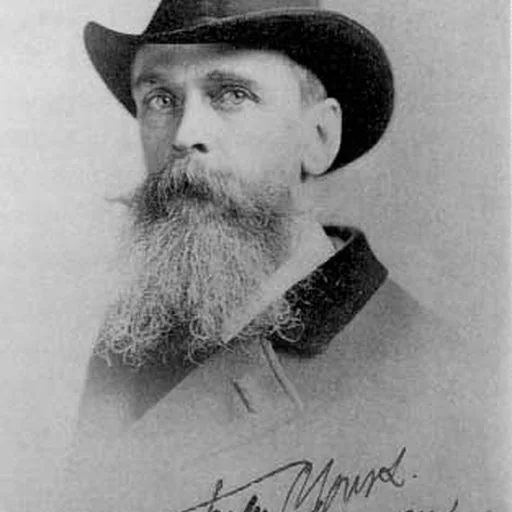
Thomas Moran (February 12, 1837 – August 25, 1926) was an American painter and printmaker of the Hudson River School in New York whose work often featured the Rocky Mountains.


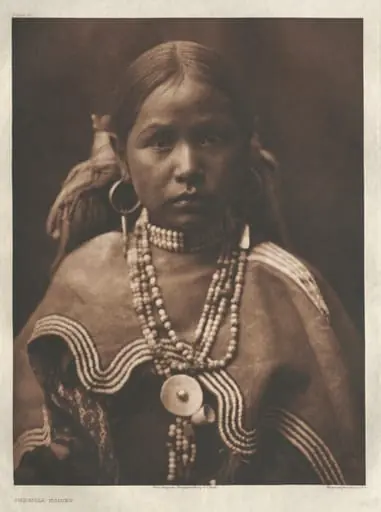 Portfolio I, Plate 22: Jicarilla Maiden
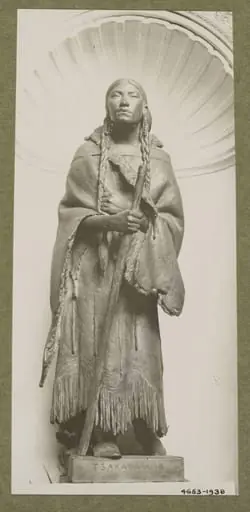 Untitled
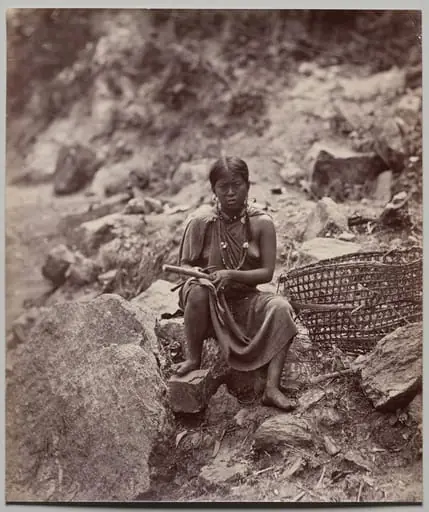 Lepcha Woman (number 1908)
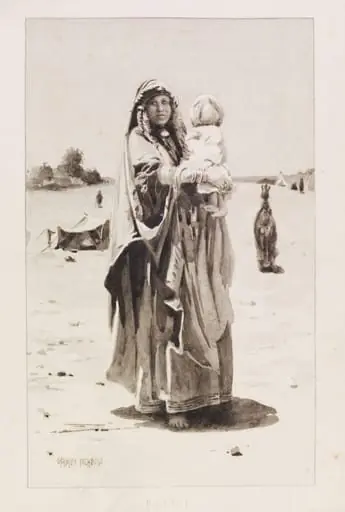 Fatme
Fatme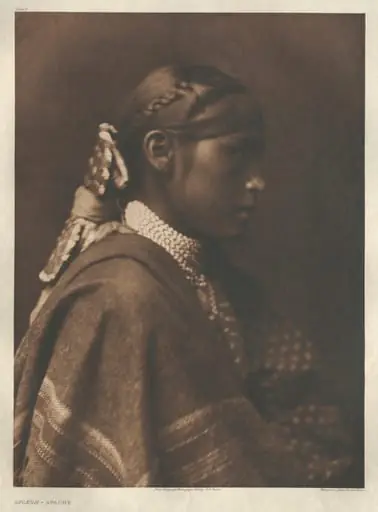 Portfolio I, Plate 6: Sígesh-Apache
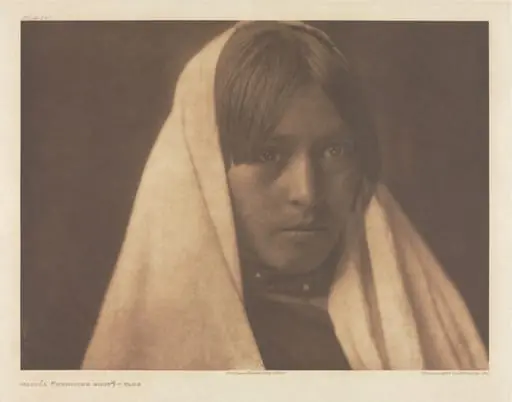 Portfolio XVI, Plate 547: Walvía ("Medicine Root") - Taos
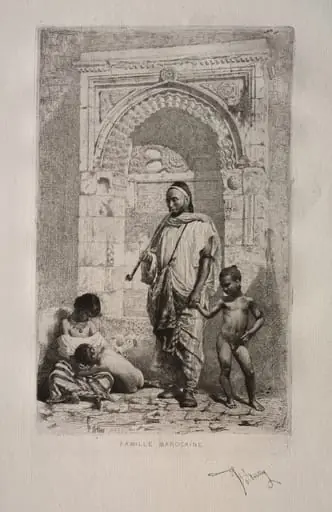 Moroccan Family
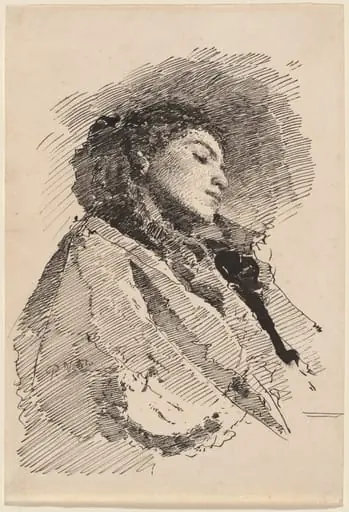 Young Woman Asleep
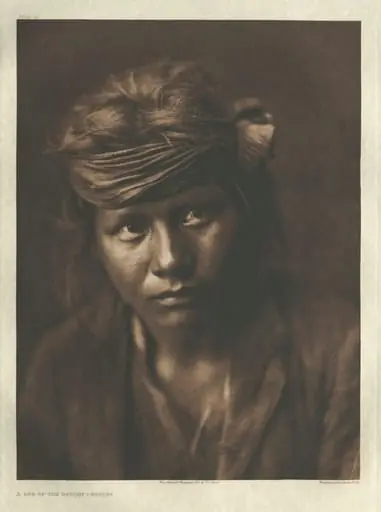 Portfolio I, Plate 32: A Son of the Desert - Navaho
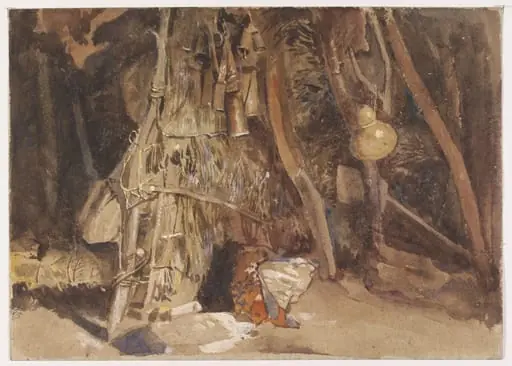 Interior of a Turkish shepherd's hut
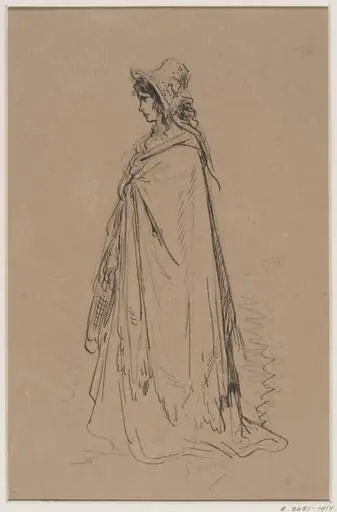 Original sketch of a female figure
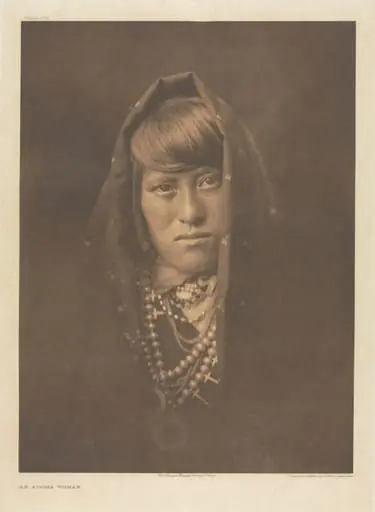 Portfolio XVI, Plate 572: An Acoma Woman