Artwork
Lepcha Woman (number 1908)
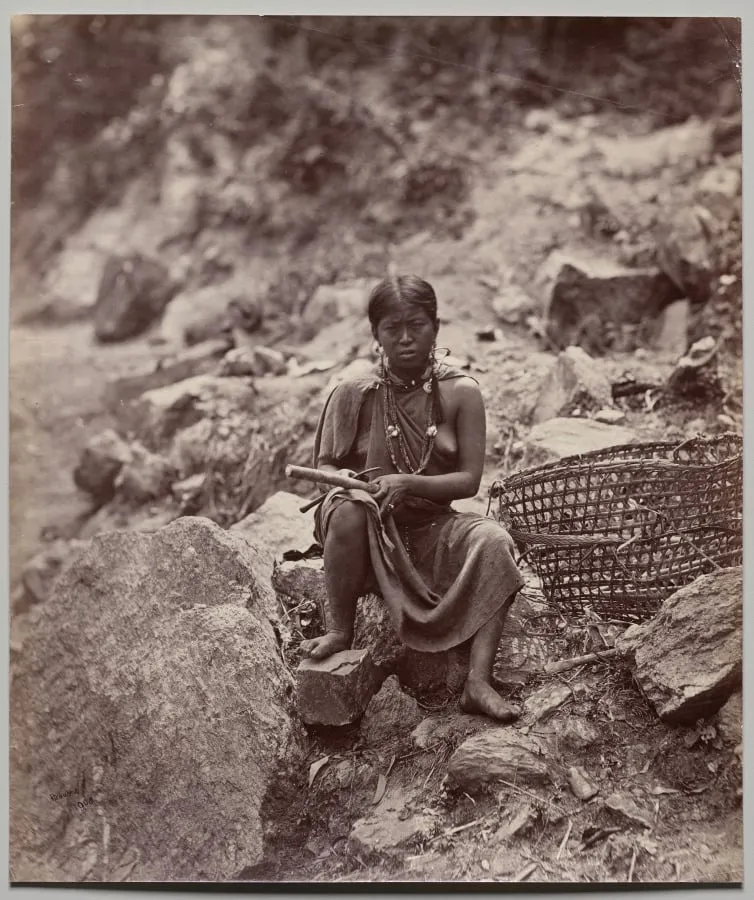
Lepcha Woman (number 1908) is a photography by the Impressionist artist Samuel Bourne. It dates from 1866 and is held in the collection of the Cleveland Museum of Art.
About this work
Overview
Samuel Bourne, a 19th-century British photographer active in India, captured a range of subjects during his extensive travels.
Samuel Bourne, a 19th-century British photographer active in India, captured a range of subjects during his extensive travels. Though best known for landscapes and architecture, he also documented individuals he encountered. This photograph, dated to the 1860s, is one of his lesser-known but more intimate studies, made with the cumbersome equipment of the era, requiring long exposures and careful composition.
Subject & Meaning
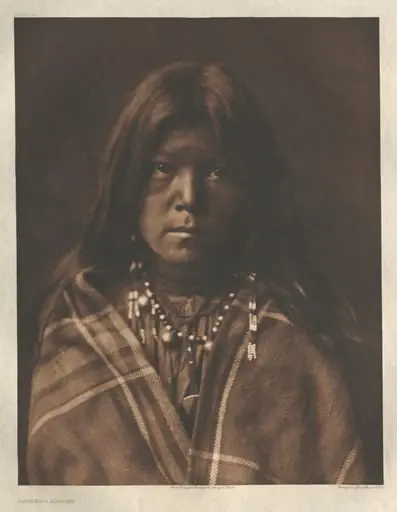
The subject is a Lepcha woman, identified by her traditional striped skirt and embroidered shawl. She faces the camera directly, hands folded calmly before her, conveying quiet dignity. Unlike many contemporary portraits that framed subjects as ethnographic specimens, her gaze suggests agency and presence, resisting the passive role often assigned in colonial imagery.
Technique & Style
The photograph was taken using wet-plate collodion technology, which demanded precision and patience due to long exposure times and portable darkrooms. Bourne’s composition is restrained, with a plain background isolating the figure. The sharp focus and tonal clarity reflect his technical mastery, while the stillness of the pose underscores the limitations and demands of early photographic processes.
History & Provenance
This image, cataloged as number 1908, originates from Bourne’s extensive photographic archive made during his time in northern India, particularly in regions inhabited by the Lepcha people of Sikkim and Darjeeling. It was likely produced during one of his expeditions between 1863 and 1870. The photograph survives in institutional collections, preserved as part of his broader documentation of Indian life.
Context
In the 1860s, photography in India was often used to classify and document populations under colonial administration. Bourne’s approach, while still shaped by his cultural position, occasionally departed from rigid typology. His choice to portray this woman with directness and without overt exoticism reflects a subtle shift toward individualized representation amid prevailing ethnographic norms.
Legacy
Bourne’s photographs of individuals like this Lepcha woman contribute to a more nuanced record of 19th-century India, countering purely imperial narratives. Though not widely exhibited in his lifetime, such images have gained renewed attention for their humanizing perspective. They remain valuable as both historical documents and early examples of photographic portraiture that prioritize presence over performance.
Artist & collection

Artist
Samuel Bourne was a British photographer known for his prolific seven years' work in India, from 1863 to 1870.

 Ceylon Views to Adam's Tooth
 Shimla
 The Upper Himmalayahs. View on the New Road between India and China. Mt. Pangi with the Snowy Peaks of China in the Distance
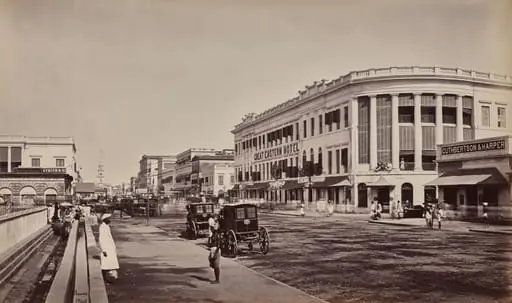 Calcutta. Old Court House Street
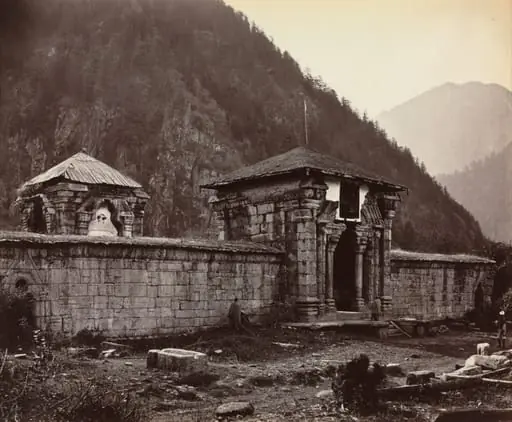 Temple at Naveshera, Kashmir, India
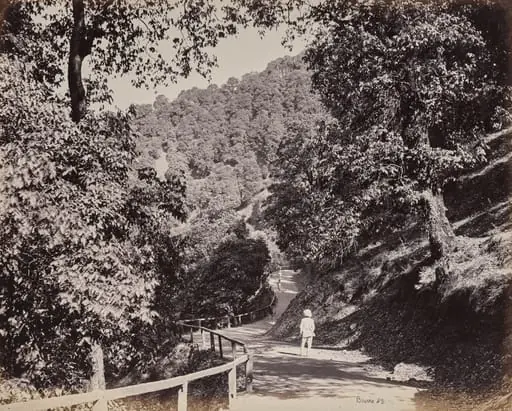 Shimla. The Mall near Rabq Lodge
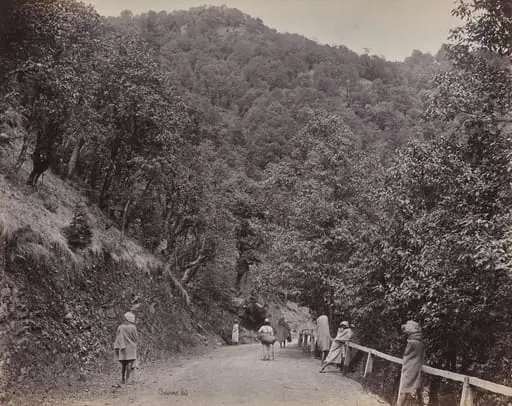 Shimla. The Mall or Principal
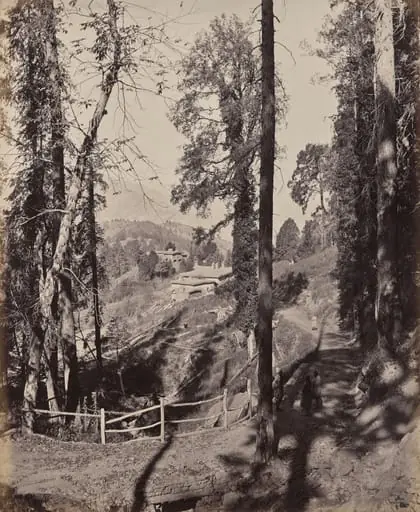 Murree. A Hill Station in the Himmalayahs, View Through the Forest
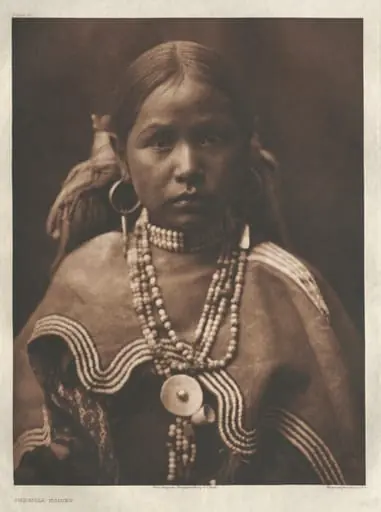 Portfolio I, Plate 22: Jicarilla Maiden
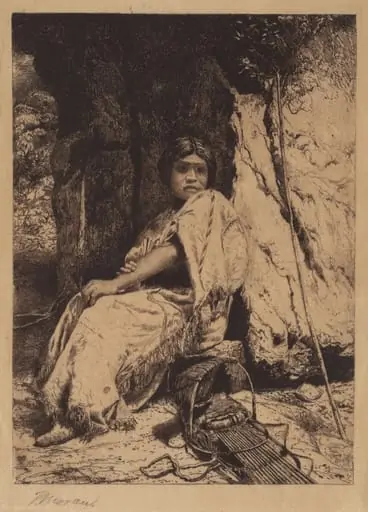 The Empty Cradle
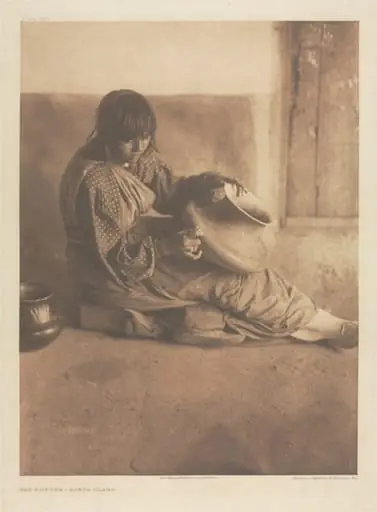 Portfolio XVII, Plate 602: The Potter - Santa Clara
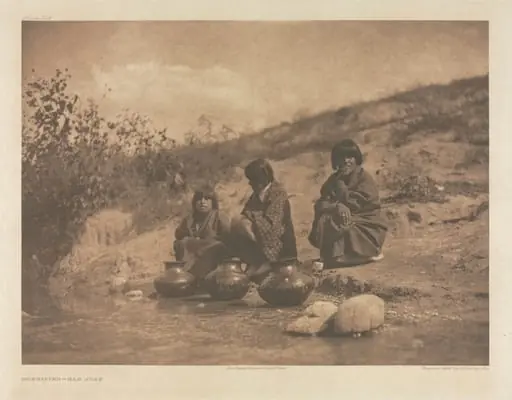 Portfolio XVII, Plate 598: Gossiping - San Juan
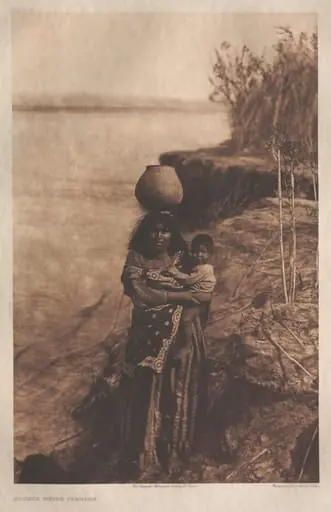 Portfolio II, Plate 58: Mohave Water Carrier
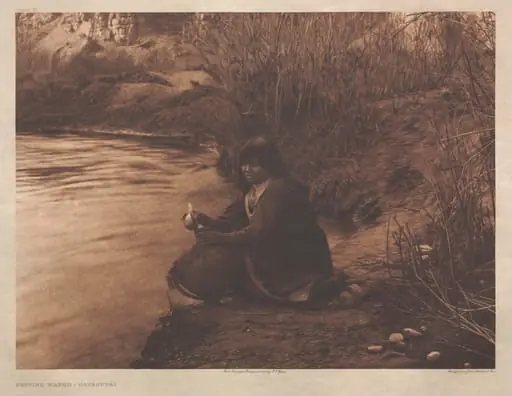 Portfolio II, Plate 75: Getting Water-Havasupai
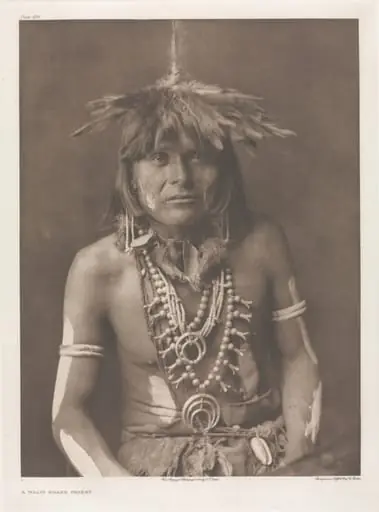 Portfolio XII, Plate 429: A Walpi Snake Priest
 Portfolio I, Plate 18: Chideh-Apache
 Portfolio XII, Plate 430: Snake Dancer in Costume
 Fruitsellers
 Portfolio XII, Plate 400(b)- 435
 Hoa Nghiem Cave, Grotto of the August Transformation