Artwork
H Beard Print Collection
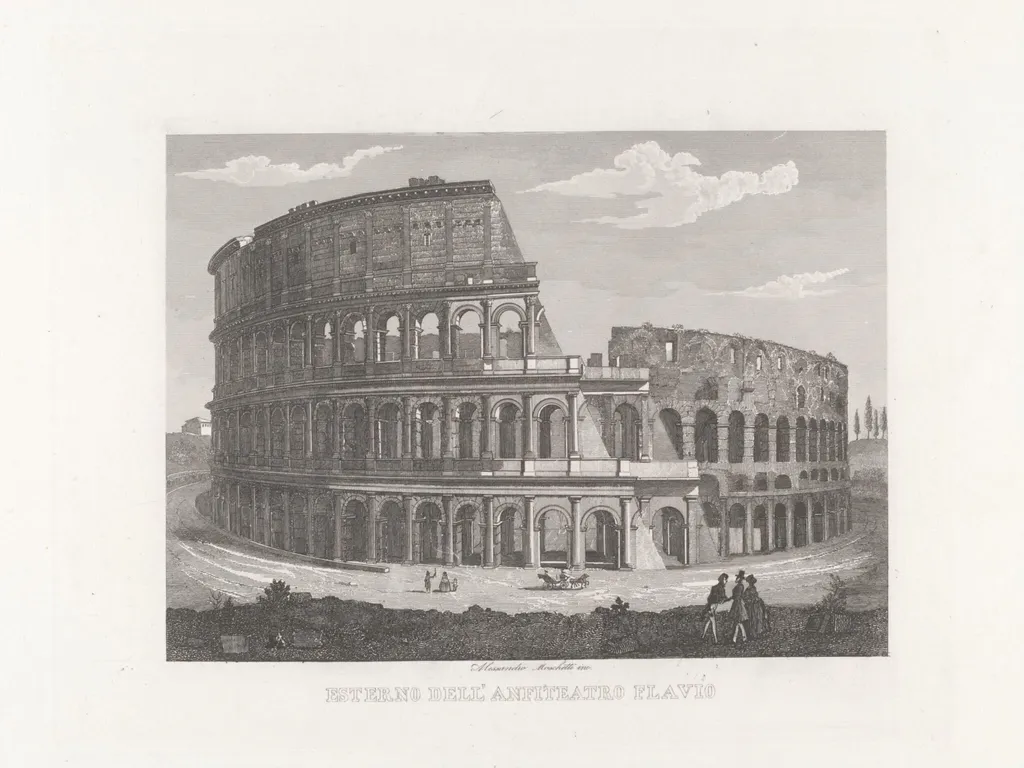
H Beard Print Collection is a print by Alessandro Moschetti. It dates from 1850 and is held in the collection of the Victoria and Albert Museum.
About this work
Overview
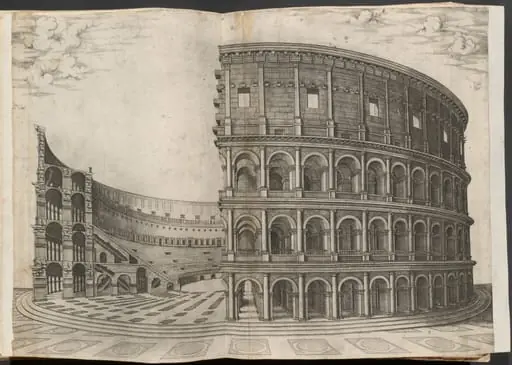
One print captures the exterior façade, while the other presents an interior view.
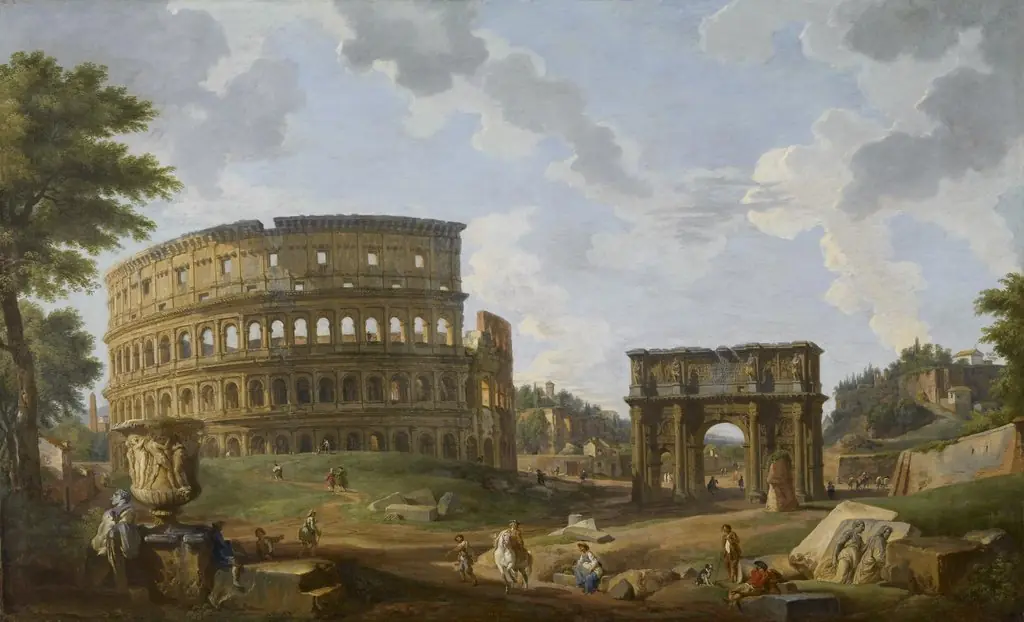
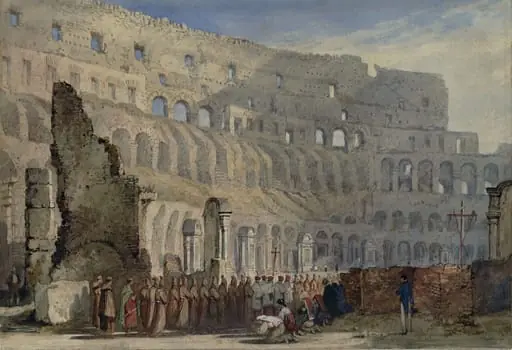
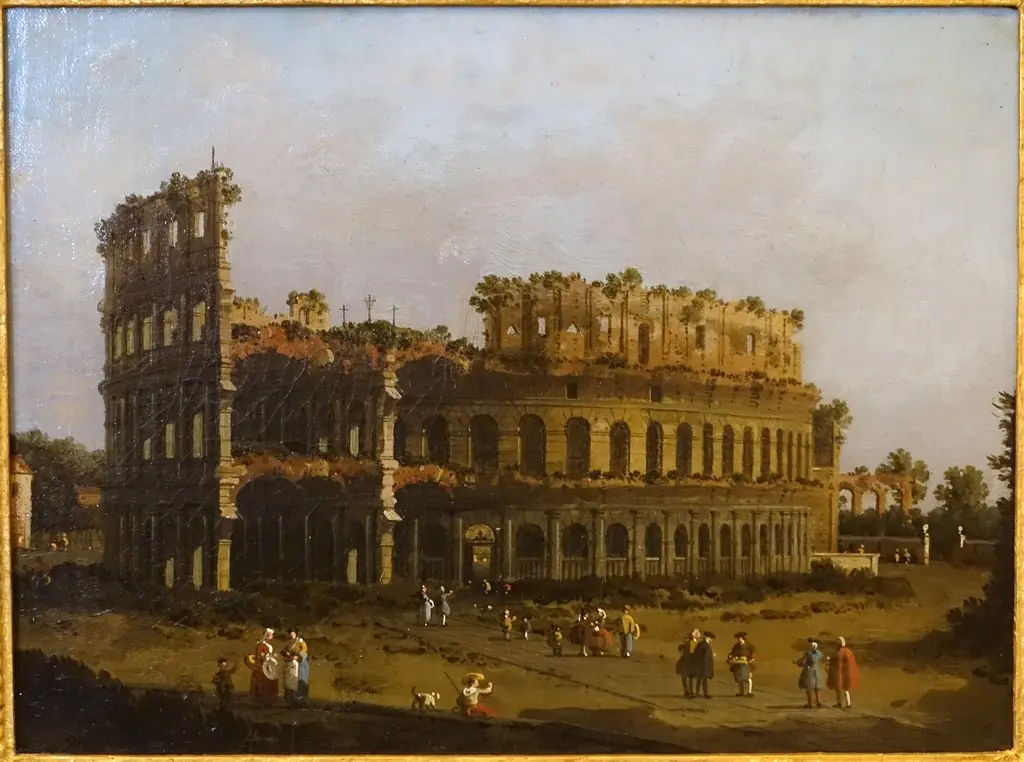
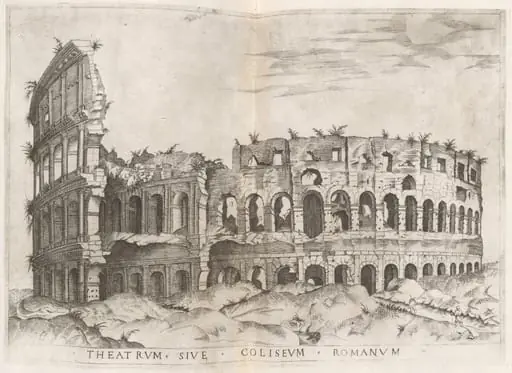
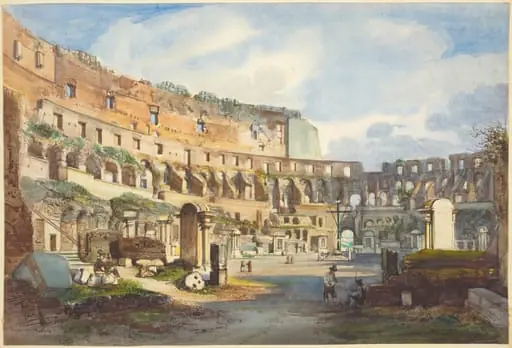
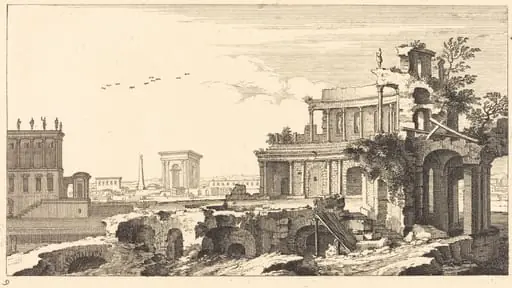
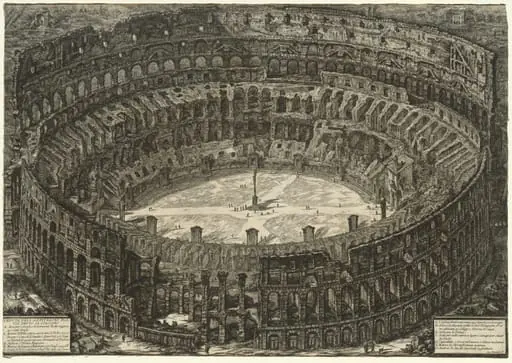
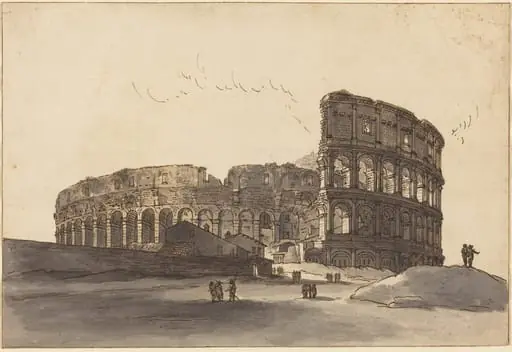
The H Beard Print Collection holds two lithographs by Alessandro Moschetti, dated 1850, both portraying the Flavian Amphitheatre, commonly known as the Colosseum. One print captures the exterior façade, while the other presents an interior view. Rendered in monochrome with careful shading, the images reflect a 19th-century topographical interest in Roman antiquities, emphasizing architectural form over dramatic narrative.
Subject & Meaning
The prints focus on the Colosseum as a monumental relic of imperial Rome. The exterior view highlights its layered arcades and weathered stonework, while the interior reveals the elliptical seating and central arena. Figures scattered around the structure suggest contemporary visitors, subtly framing the ruin as a site of historical contemplation rather than active use, aligning with mid-19th-century antiquarian sensibilities.
Technique & Style
Moschetti employed lithography to achieve fine linear detail and tonal gradation. The black-and-white medium enhances the architectural clarity, with hatching and cross-contour lines modeling the arches and columns. The compositions are balanced and observational, avoiding romantic embellishment. The precision suggests a documentary intent, typical of architectural surveys produced during Italy’s early unification period.
History & Provenance
These prints were likely produced as part of a broader effort to document Rome’s ancient monuments during the 1840s–1850s, a time when archaeological interest surged among European scholars and travelers. Moschetti, an Italian artist and engraver, contributed to such projects through commercial print runs. Their inclusion in the H Beard Collection indicates they were acquired by a British collector with an interest in classical architecture.
Context
In the mid-19th century, Rome was a focal point for artists and antiquarians drawn to its layered history. The Colosseum, though in partial ruin, remained a potent symbol of Rome’s past grandeur. Moschetti’s prints reflect this era’s shift from idealized classical revival to more accurate, measured representations, influenced by emerging archaeological methods and the rise of photographic documentation.
Legacy
Moschetti’s prints serve as historical records of the Colosseum’s condition in the 1850s, before extensive modern restoration. They contribute to a visual archive of Roman ruins as they appeared to Victorian-era observers. While not widely known today, such works formed part of the visual literacy of 19th-century audiences engaging with classical heritage through printed media.
Artist & collection
Artist
Alessandro Moschetti was the kind of guy who doodled on café napkins between espressos.