Artwork
Ruins of Ancient Rome
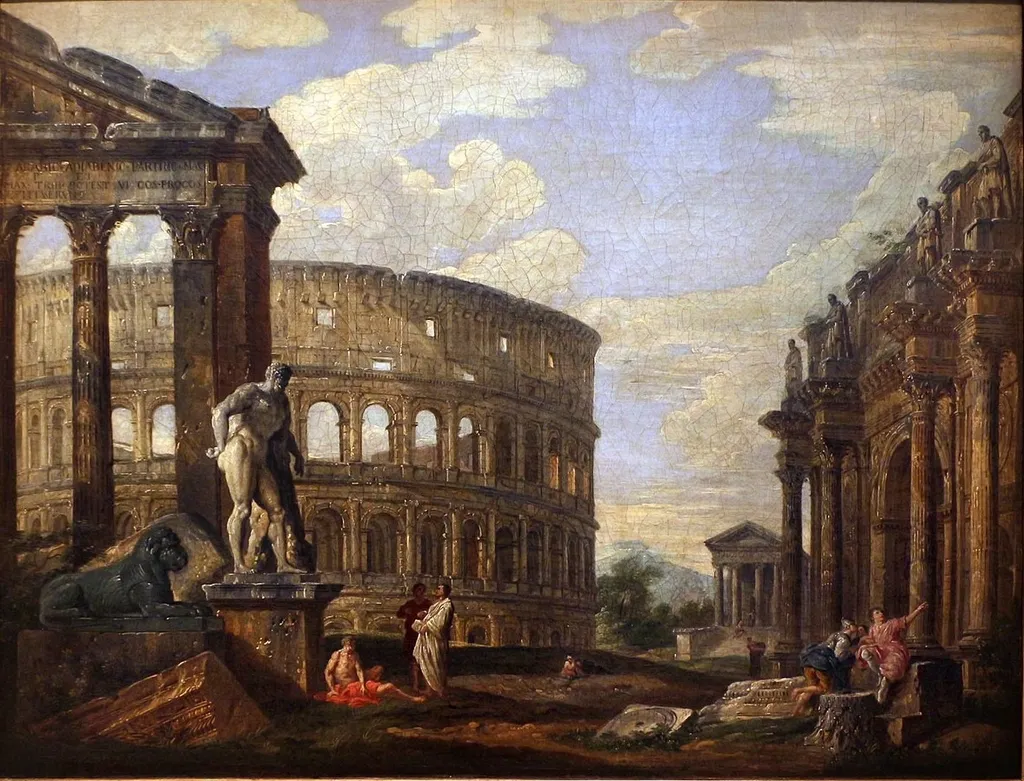
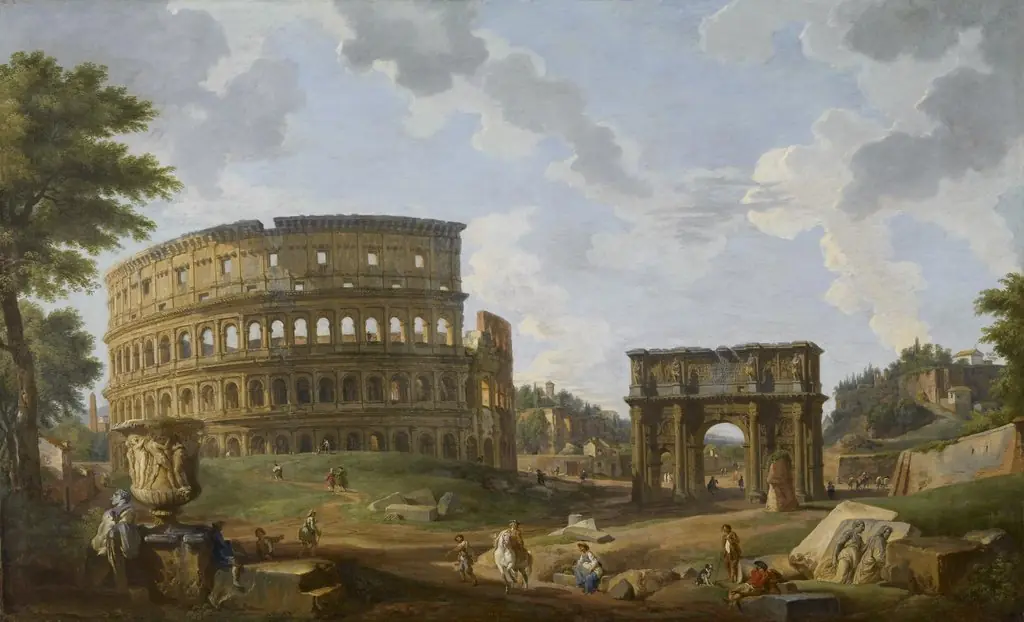
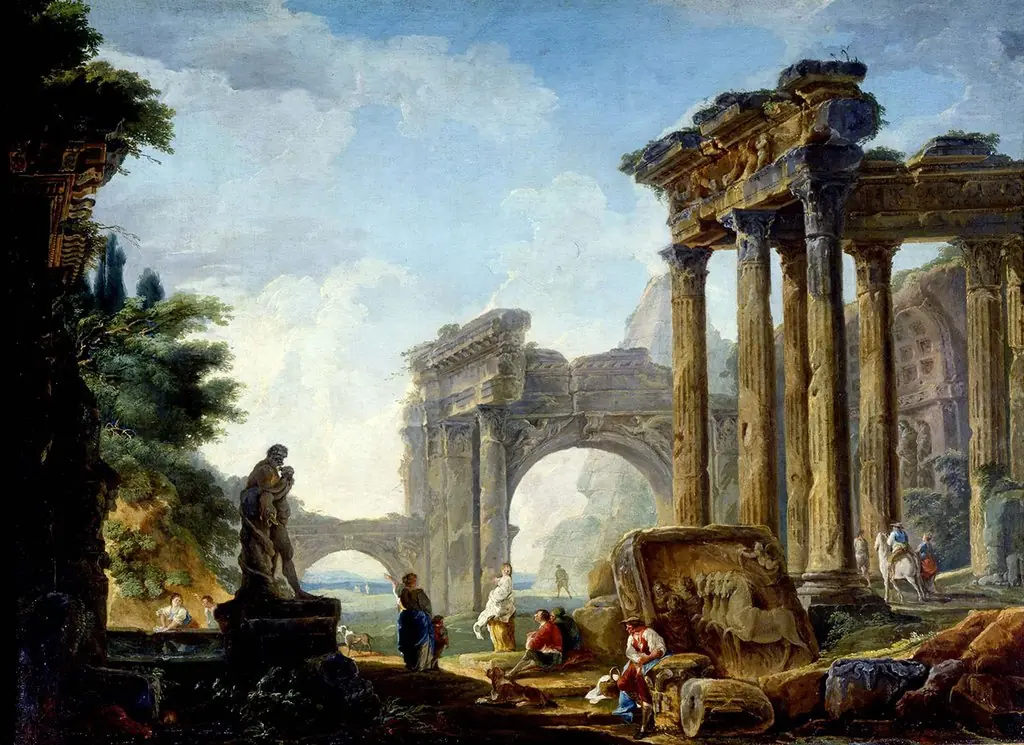
Ruins of Ancient Rome is an unspecified painting by the Rococo painting artist Giovanni Paolo Panini. It dates from 1725 and is held in the collection of the National Museum of Ancient Art.
About this work
Overview
Warm, golden illumination and pronounced shadows give the scene depth, while figures in contemporary dress observe the ruins, linking past and present.
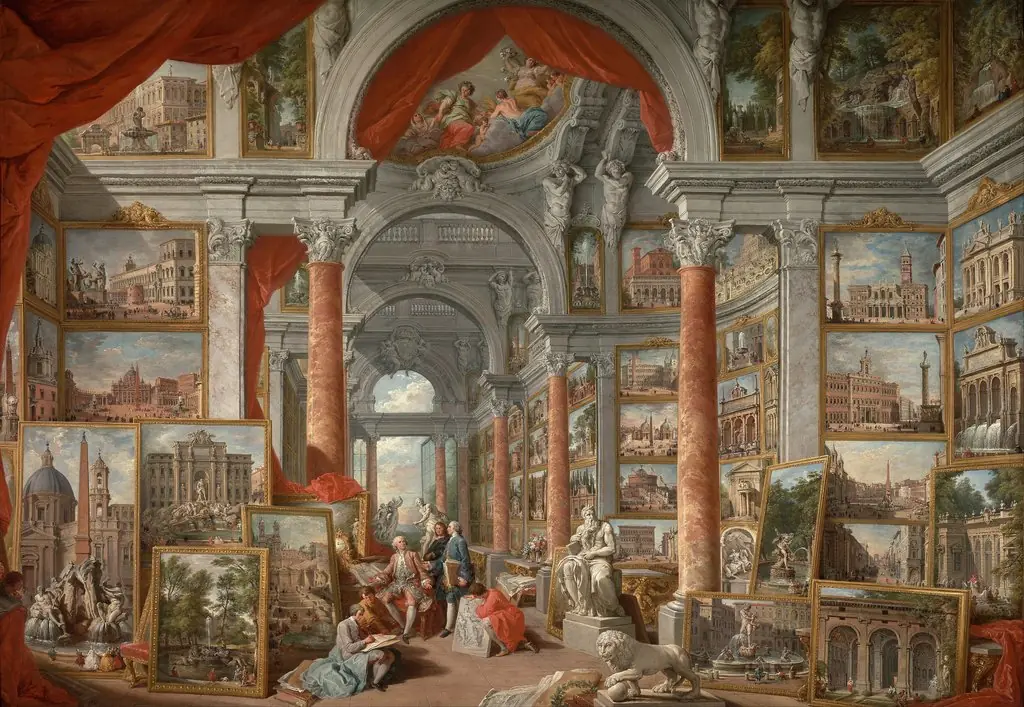
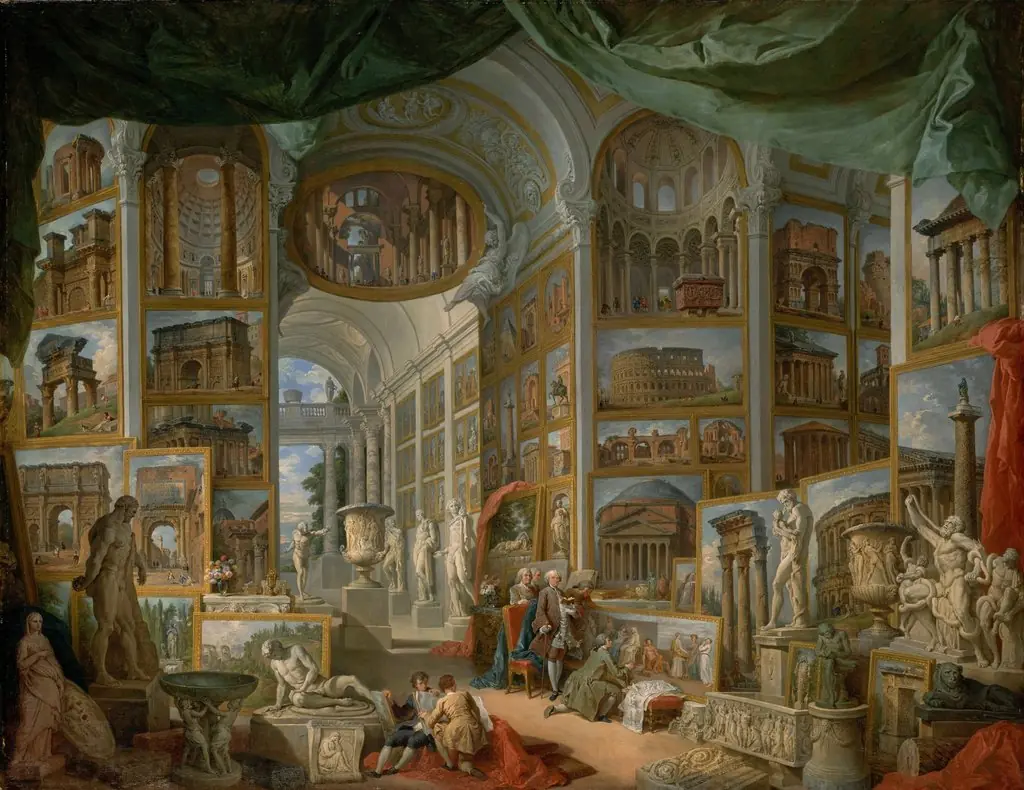
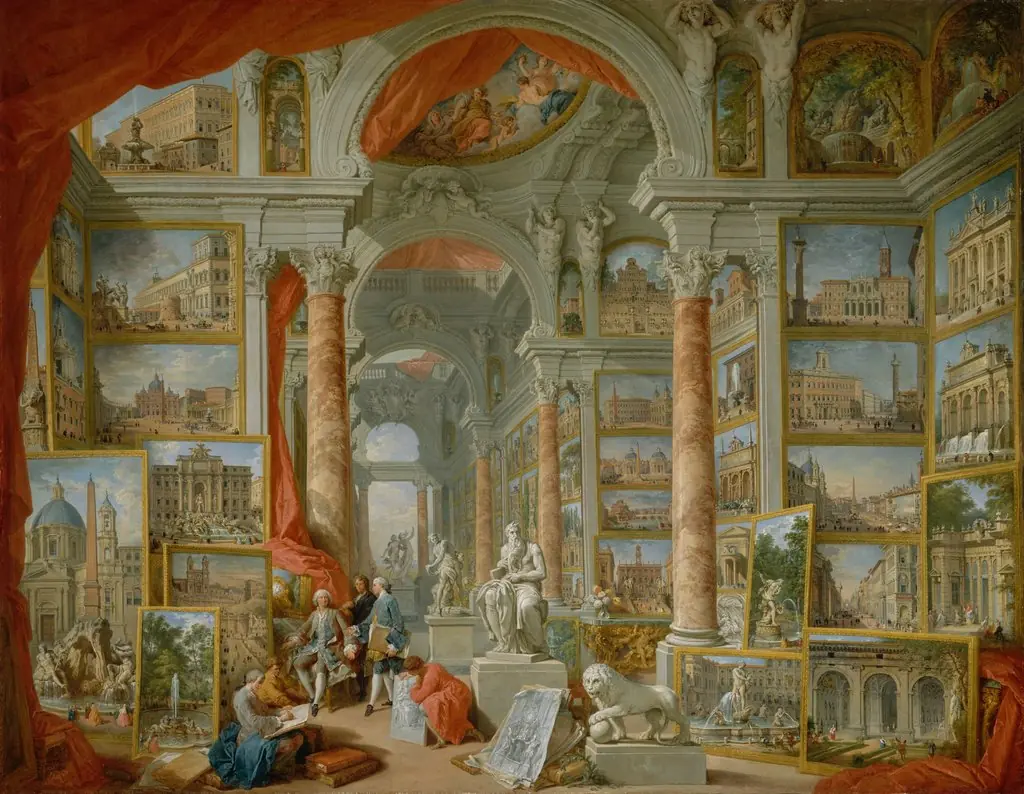
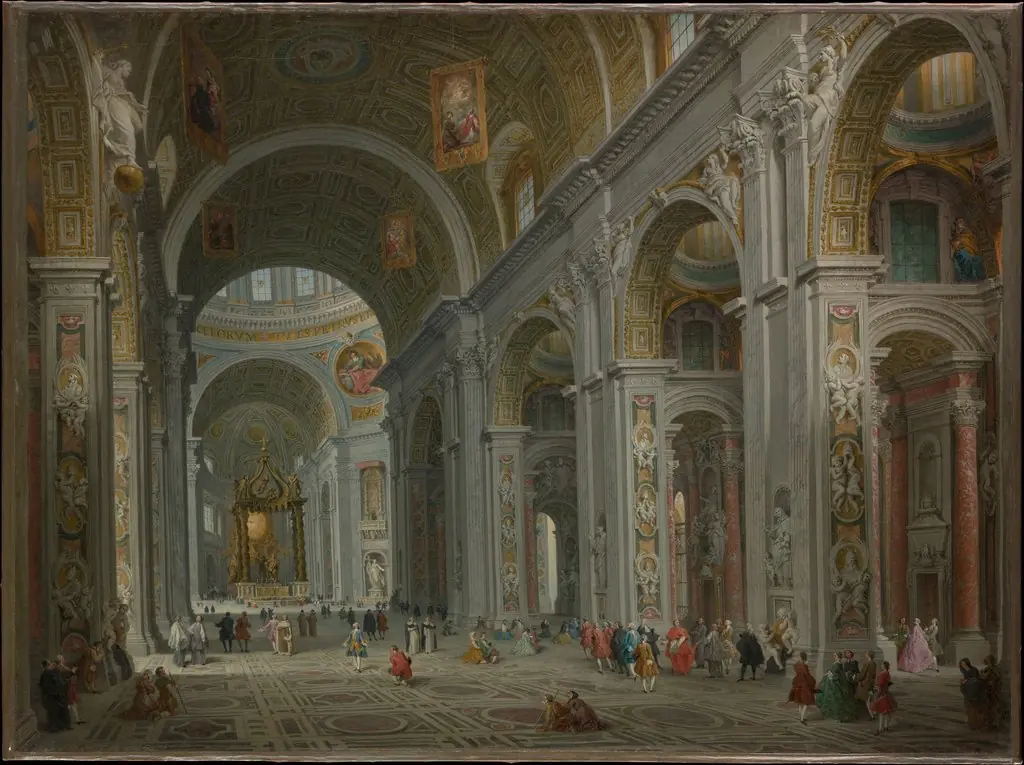
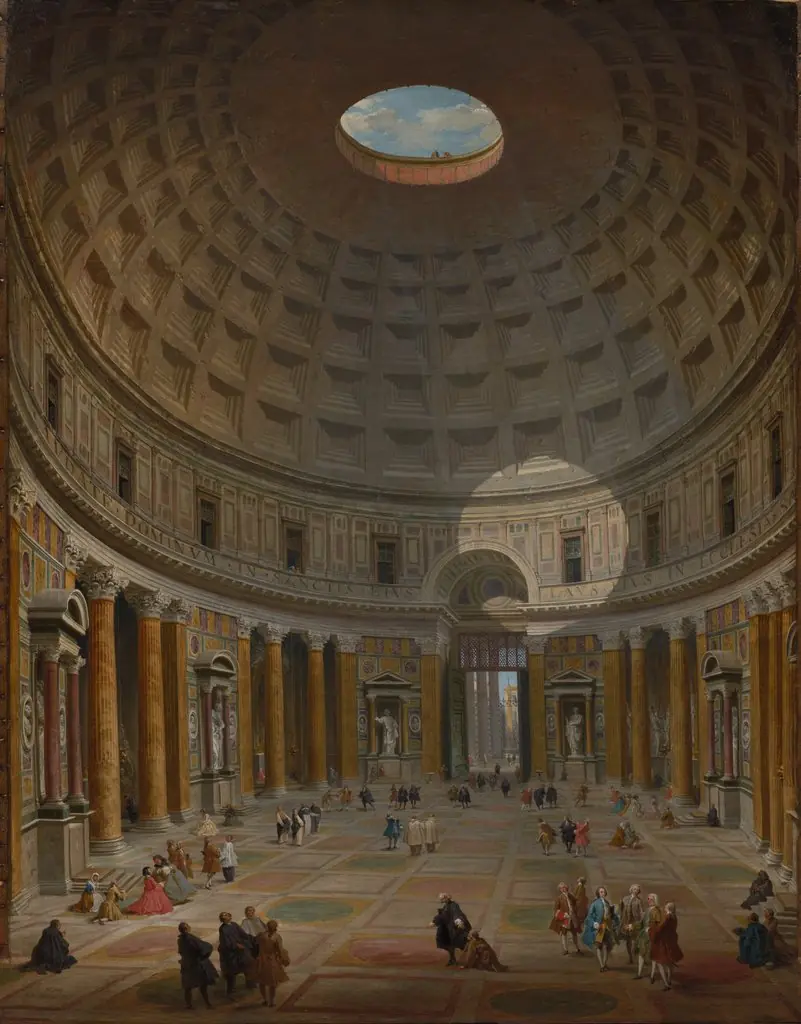
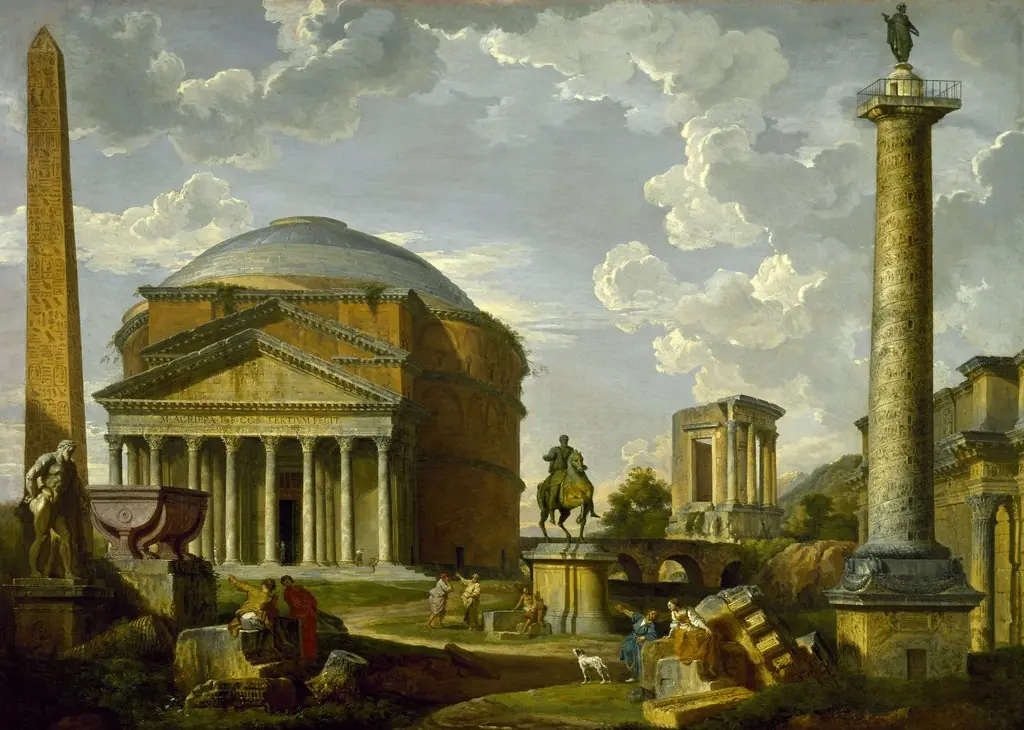
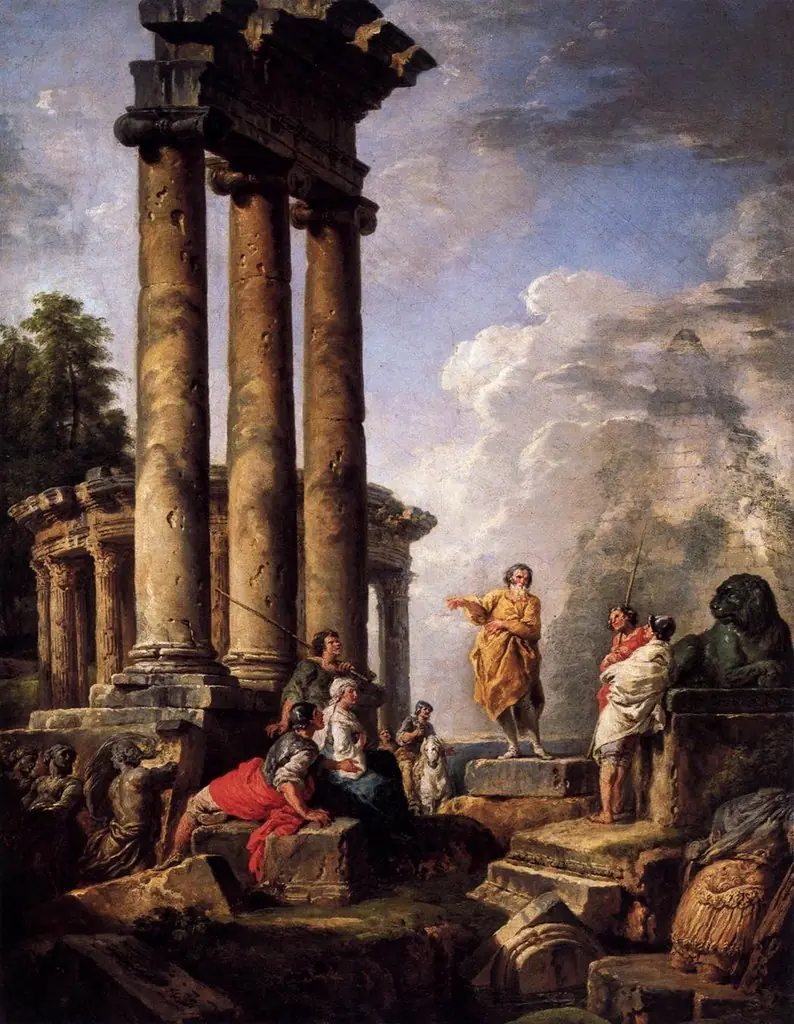
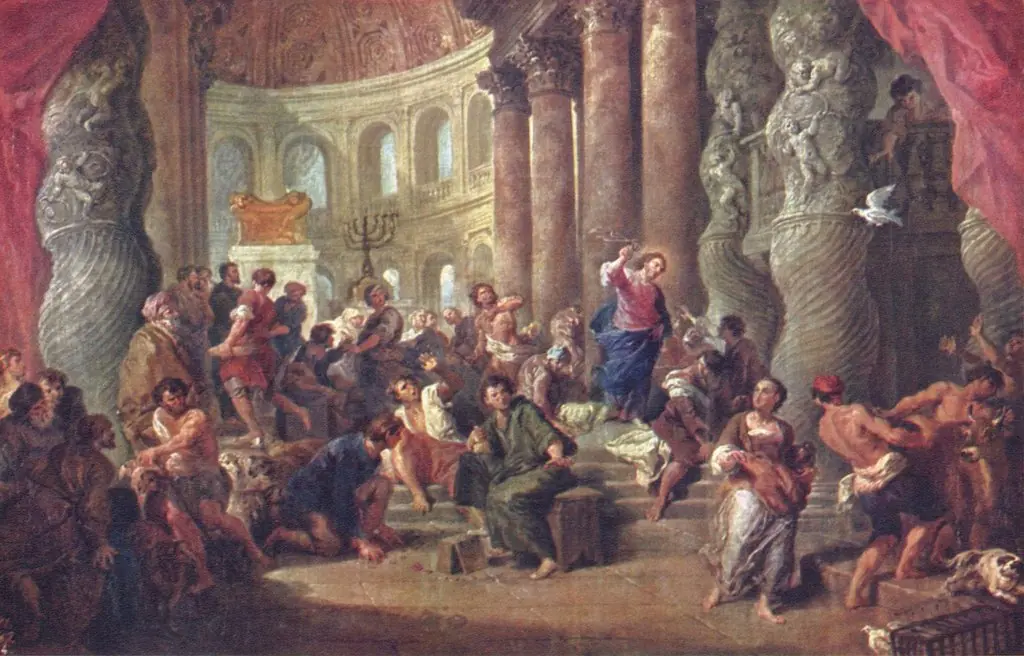
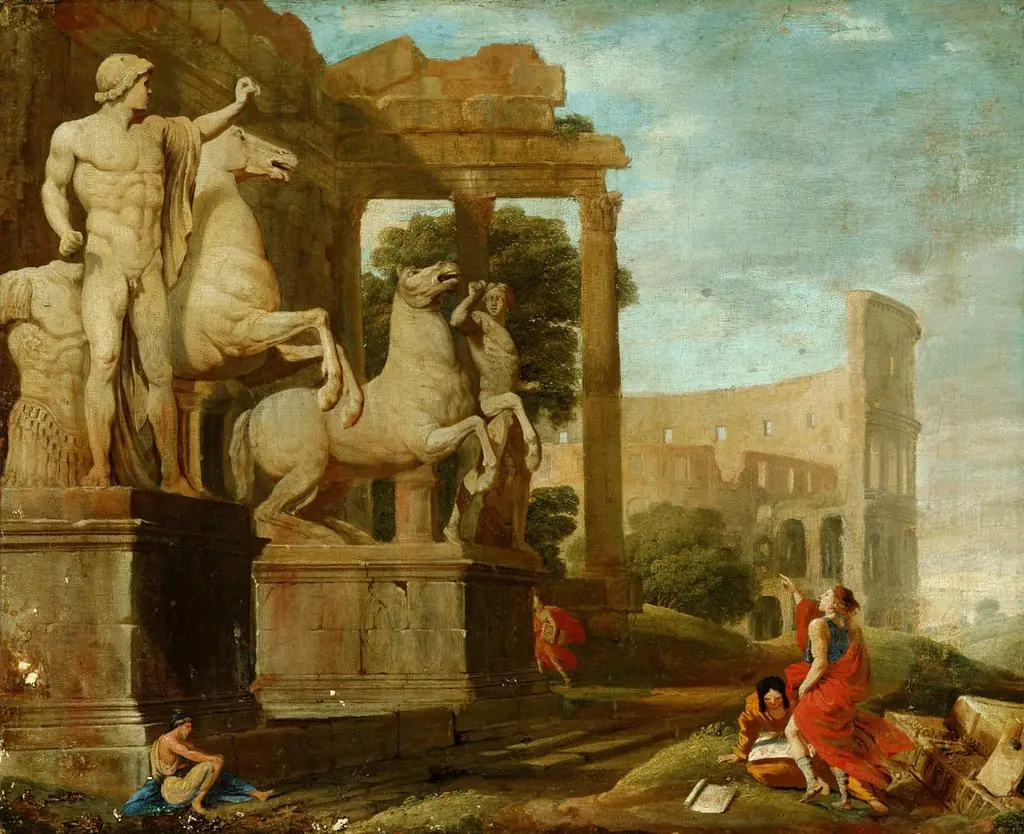
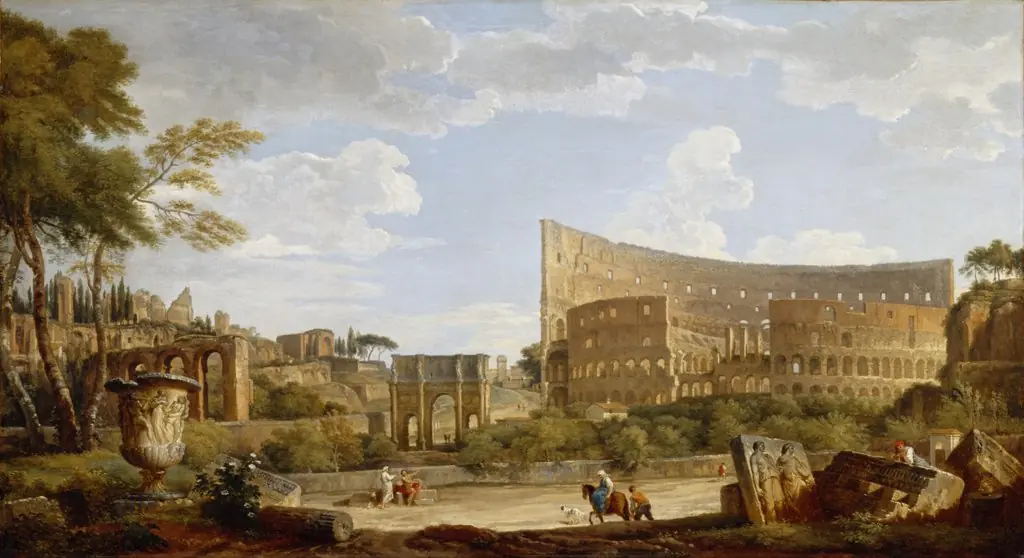
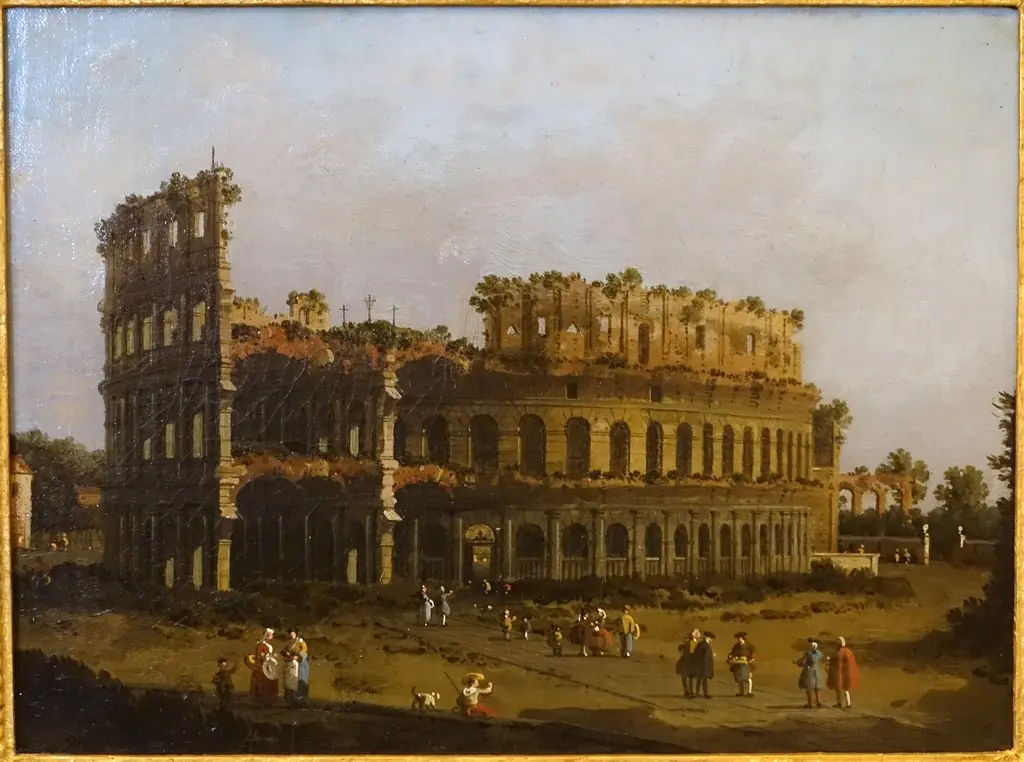
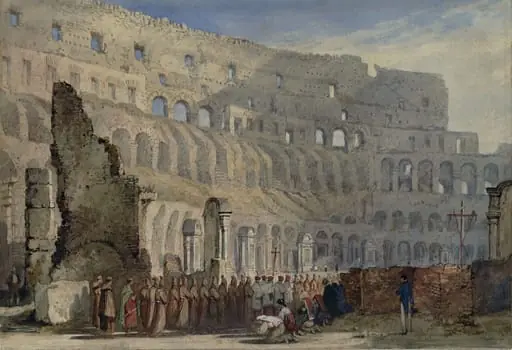
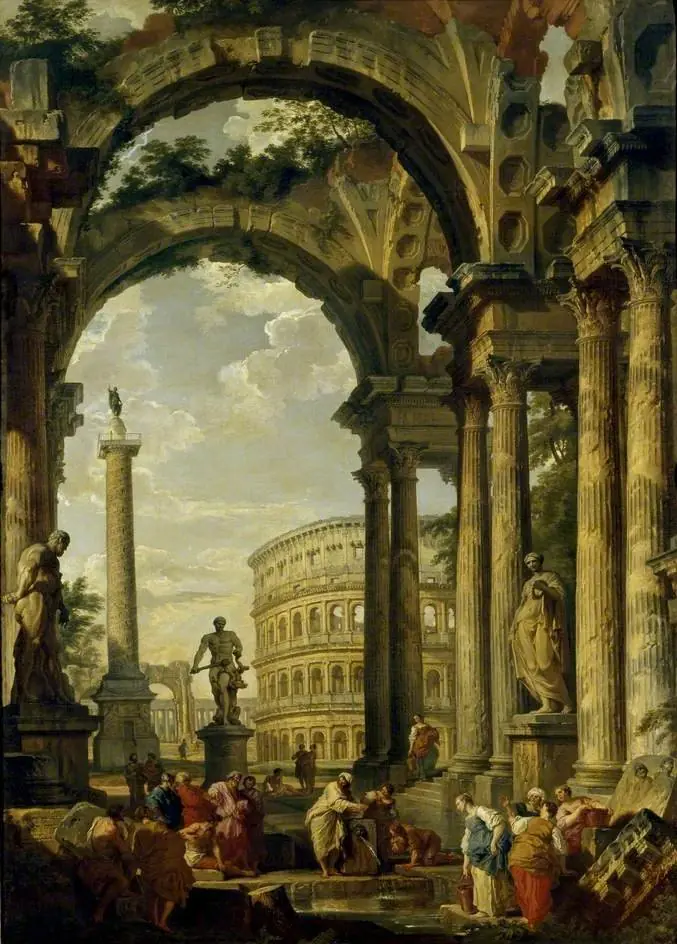
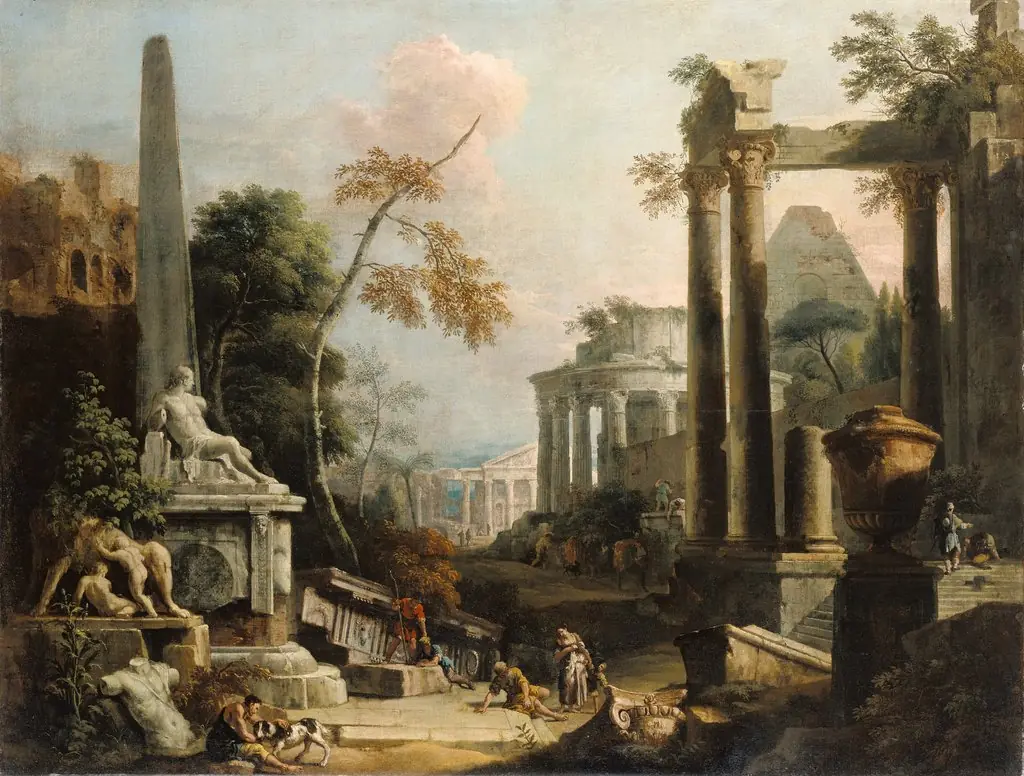
Giovanni Paolo Panini’s 1725 canvas, titled *Ruins of Ancient Rome*, presents a staged view of the ancient city’s remnants. The composition centers on the Colosseum, surrounded by fragmented columns and statues, under a bright sky dotted with clouds. Warm, golden illumination and pronounced shadows give the scene depth, while figures in contemporary dress observe the ruins, linking past and present.
Subject & Meaning
The painting foregrounds a group of onlookers—a man in a white robe beside a statue and a cluster seated on rocks—who gaze upward at the towering amphitheater. By juxtaposing modern spectators with decayed monuments, Panini underscores the enduring fascination with Rome’s architectural heritage and invites contemplation of the passage of time.
Technique & Style
Panini employs chiaroscuro to heighten drama, allowing light to wash the ruins while deepening the shadows around the architectural fragments. His approach reflects the Rococo’s decorative flair within the broader Baroque tradition of vedute, combining precise architectural rendering with theatrical staging to create a vivid, almost cinematic perspective.
History & Provenance
Created during Panini’s mature period in Rome, the work entered the collection of the National Museum of Ancient Art, where it remains on display. Its acquisition reflects the 18th‑century European appetite for visual records of classical antiquity, a trend that Panini helped to popularize through his detailed cityscapes.
Artist & collection
Artist
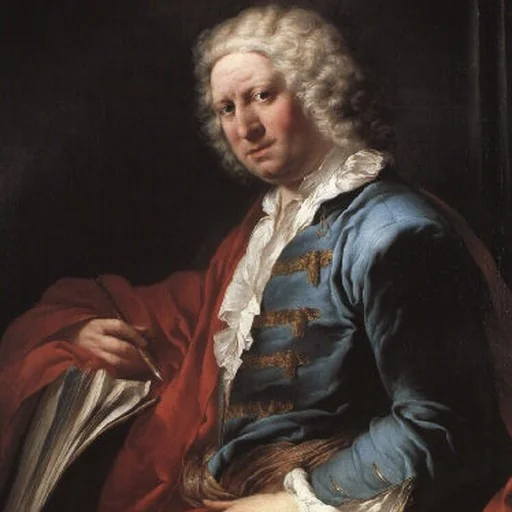
Giovanni Paolo, also known as Gian Paolo Panini or Pannini (17 June 1691 – 21 October 1765), was an Italian Baroque painter and architect who worked in Rome and is primarily known as one of the vedutisti ("view painters").