Artwork
Beirut. Al-Omari Mosque
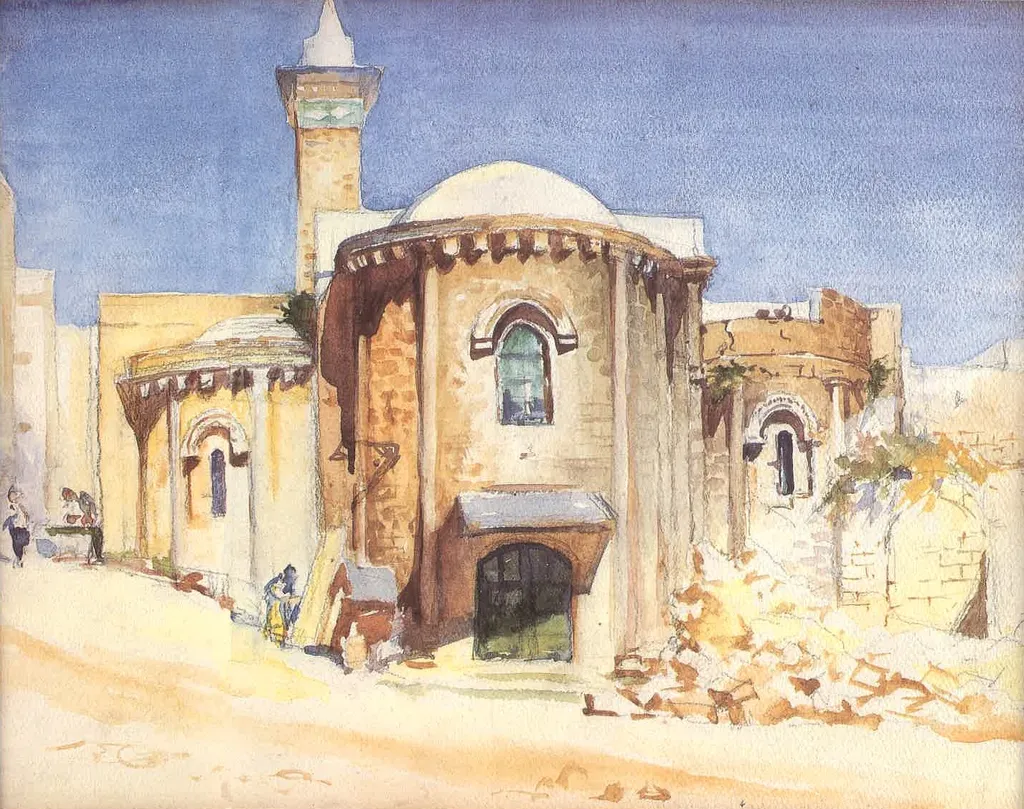
Beirut. Al-Omari Mosque is a watercolor painting by Moustafa Farroukh. It dates from 1939 and is held in the collection of the Sursock Museum. Created circa 1939, *Beirut.
About this work
Overview
Al-Omari Mosque* is a watercolor painting by Moustafa Farroukh, a prominent Lebanese artist of the 20th century.
Created circa 1939, *Beirut. Al-Omari Mosque* is a watercolor painting by Moustafa Farroukh, a prominent Lebanese artist of the 20th century. The work captures a quiet urban moment in Beirut, focusing on the Al-Omari Grand Mosque’s distinctive minaret. Rendered in muted earth tones and soft blues, the composition balances architectural presence with atmospheric light, reflecting Farroukh’s interest in everyday Lebanese landscapes.
Subject & Meaning
The painting centers on the Al-Omari Mosque, one of Beirut’s oldest religious structures, its minaret rising above the surrounding buildings. A solitary pedestrian appears in the distance, suggesting daily life unfolding beneath the monument. The absence of bustling activity lends the scene a contemplative tone, emphasizing continuity and quiet endurance rather than spectacle or celebration.
Technique & Style
Farroukh employed watercolor to achieve subtle gradations of color and delicate transparency. The mosque’s facade and street are rendered in warm ochres and browns, while the sky is a pale, even blue. Soft edges and minimal detail in the background create depth without clutter, reflecting a restrained, observational approach. The technique prioritizes mood over precision, aligning with early modernist tendencies in Levantine art.
History & Provenance
Painted in the late 1930s, the work emerged during a period of cultural consolidation in Lebanon under French mandate. Farroukh, who produced over two thousand paintings and authored five books, frequently documented Beirut’s evolving urban fabric. While the painting’s exact provenance before public collection is undocumented, it aligns with his broader project of preserving local architectural identity through art.
Context
In the 1930s, Beirut was undergoing modernization, yet traditional structures like the Al-Omari Mosque remained central to the city’s identity. Farroukh’s focus on such landmarks reflected a broader regional interest in documenting heritage amid change. His work stood apart from European orientalist depictions by emphasizing familiarity and quiet dignity rather than exoticism.
Legacy
Farroukh’s watercolors, including this one, helped establish a visual archive of Lebanon’s urban landscape during a formative era. His emphasis on ordinary scenes and architectural detail influenced later generations of Lebanese artists seeking to define national identity through local subjects. The painting remains a quiet testament to the endurance of place amid transformation.
Artist & collection
Artist
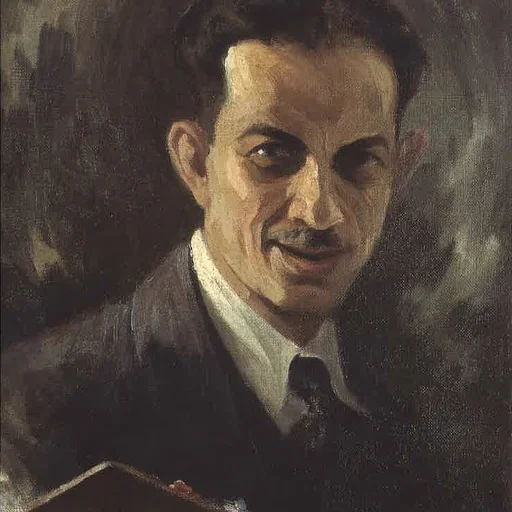
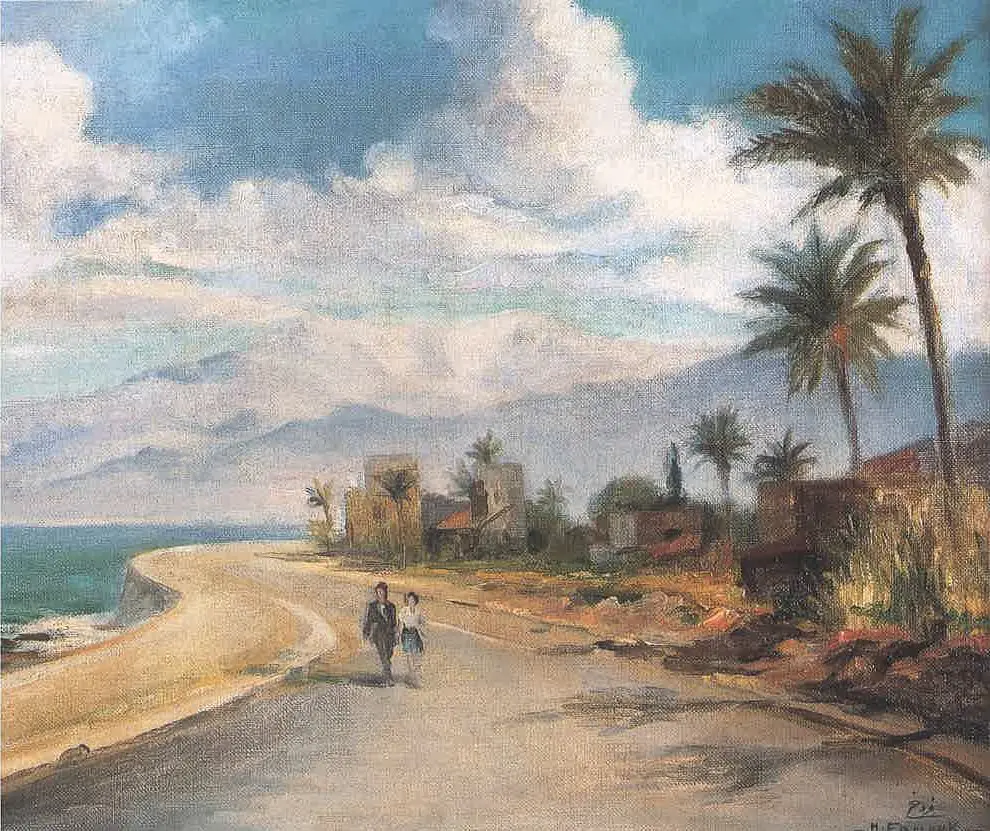
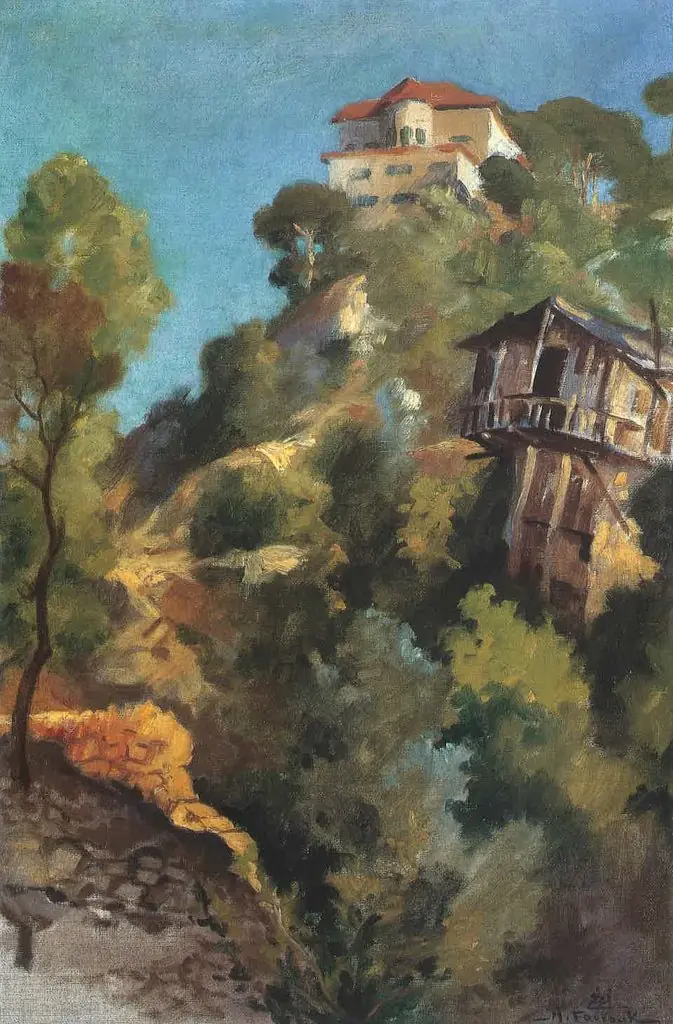
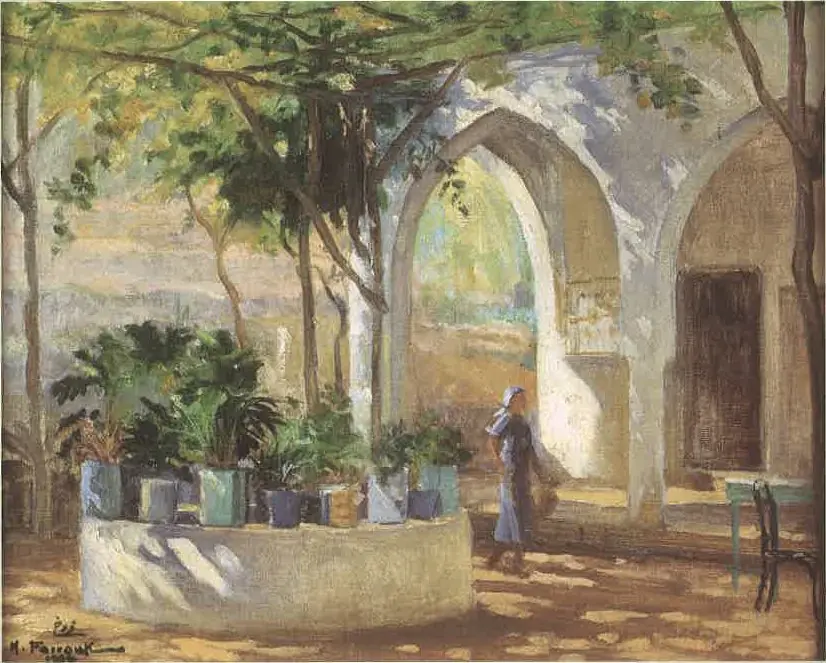
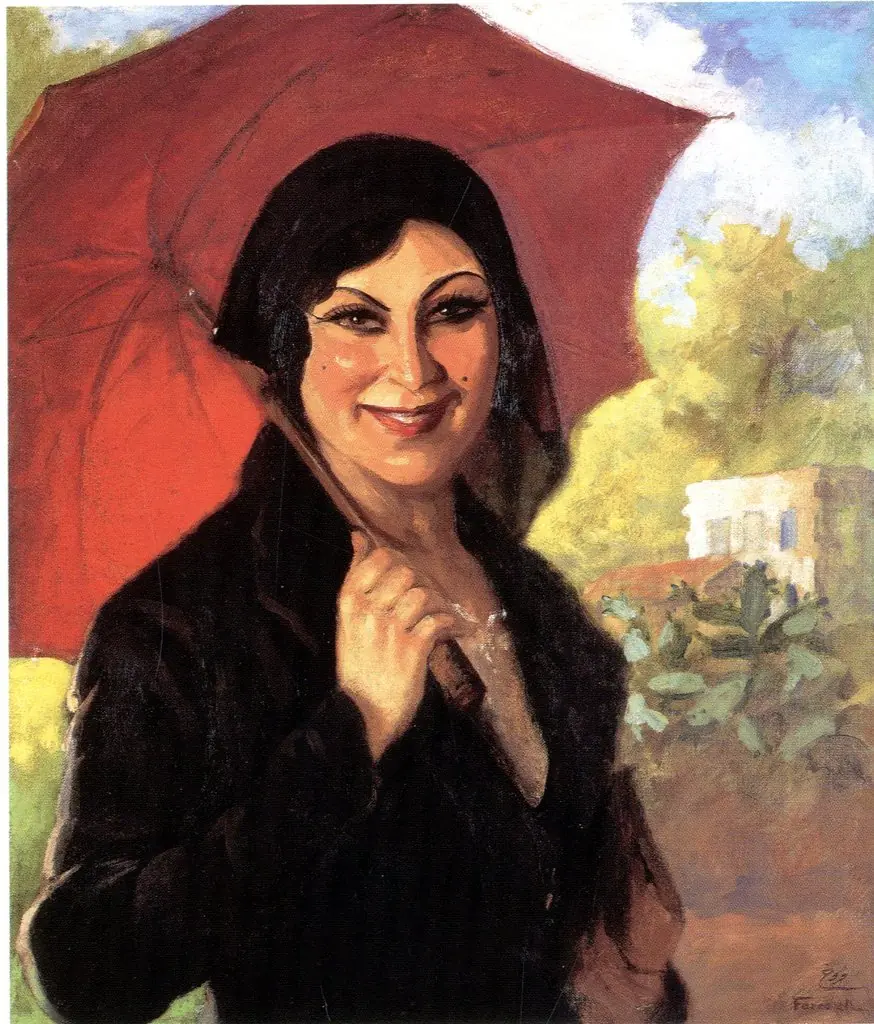
Moustafa Farroukh (Arabic: مصطفى فروخ; 1901 – 1957) was one of Lebanon's most prominent painters of the 20th century.

 Cairo
Cairo A Koubba, Soussa
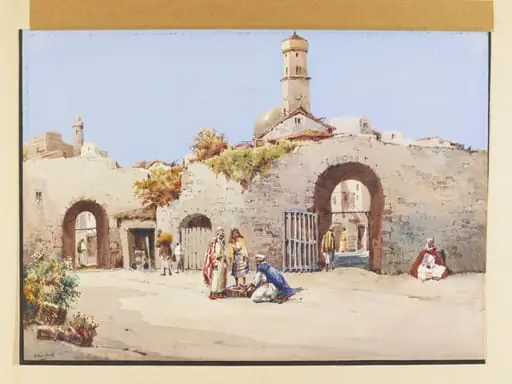 The City Walls, Jaffa, Palestine
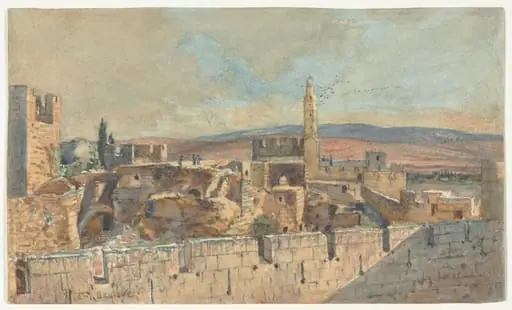 View of the Old City of Jerusalem
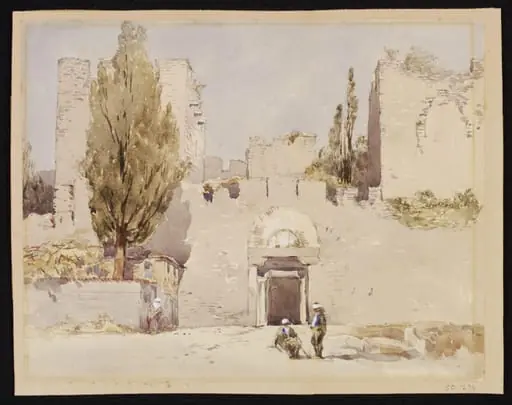 Entrance to the Cannon Gate (Top Kapisi) in Constantinople
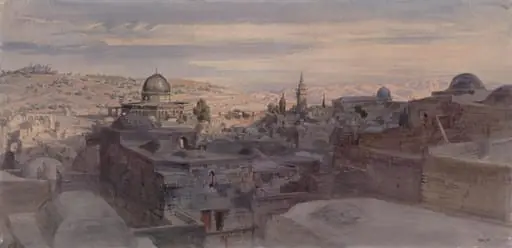 Jerusalem
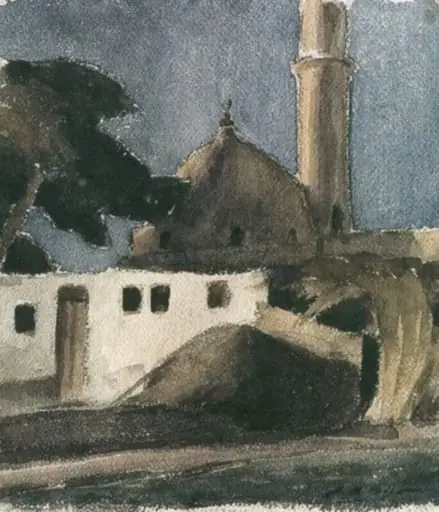 Moschee
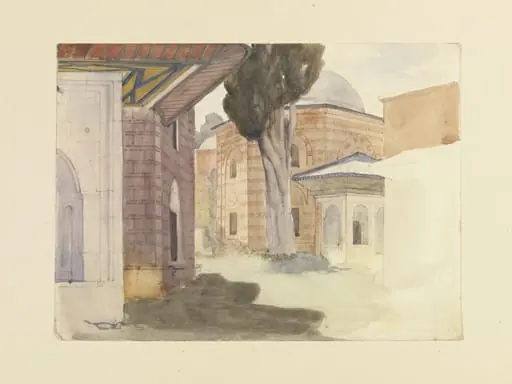 Türbes in the Royal Cemetery of the Muradiye (Murad II), Bursa
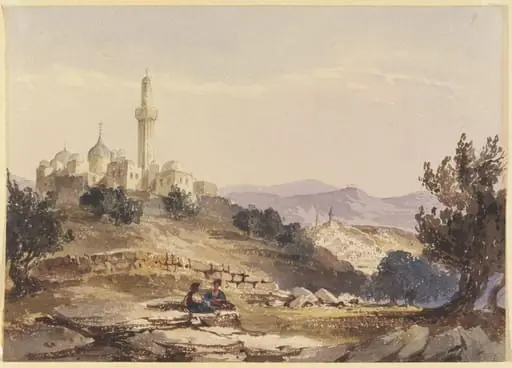 Mosque of the Ascension on the Mount of Olives
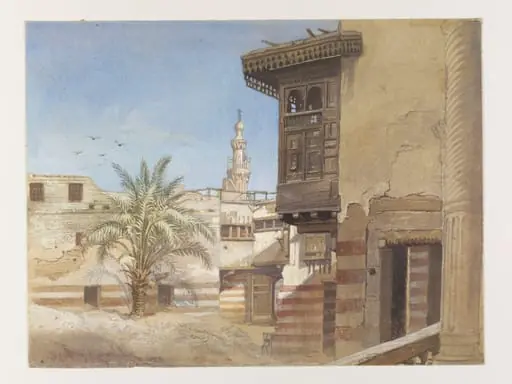 View from the Loggia of the Summer Reception Room (Makad) in the House of the Memluk Raduan Bey, Cairo
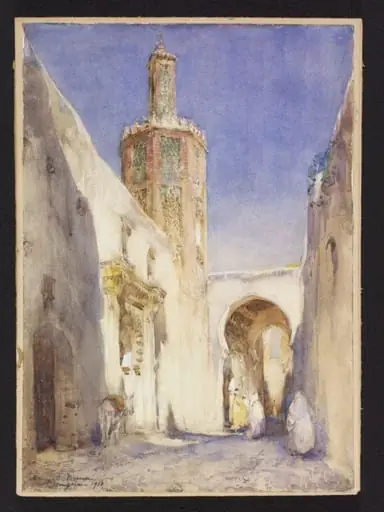 A Street in Tangier
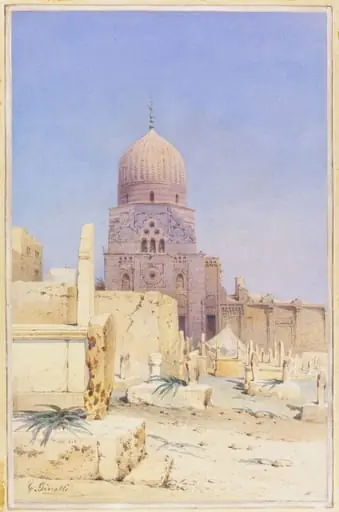 Mosque/Tomb in Cairo