Artwork
Christ Tells His Disciples of the Last Judgment
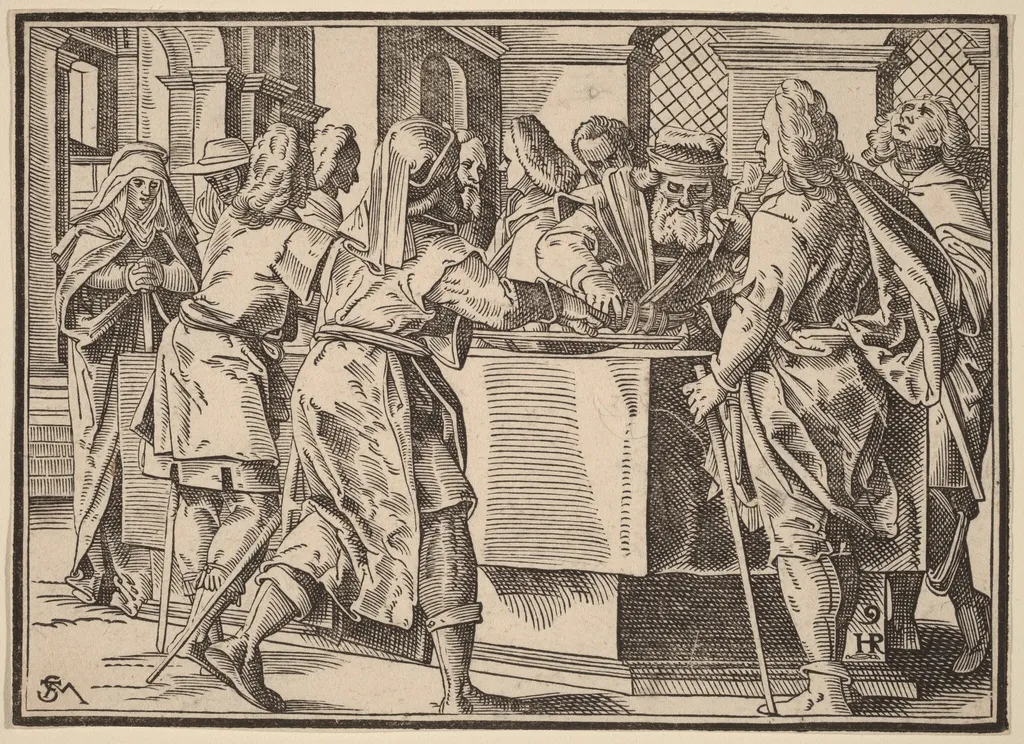
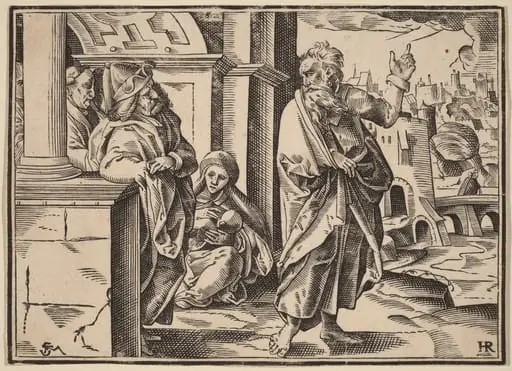
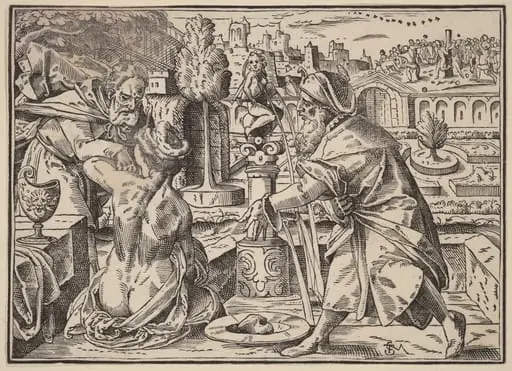
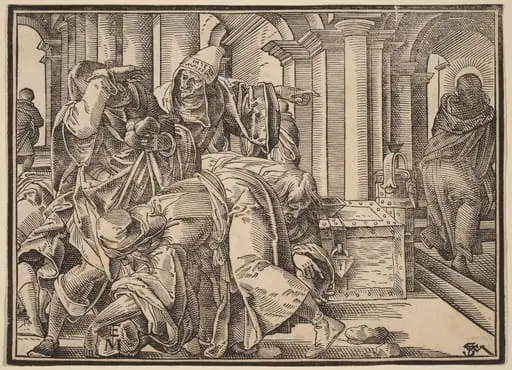
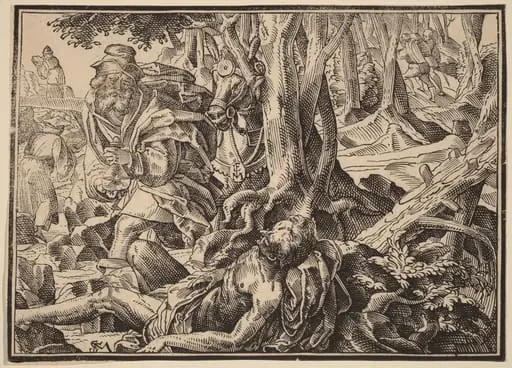
Christ Tells His Disciples of the Last Judgment is an ink print by the Renaissance artist Christoph Murer. It dates from 1630 and is held in the collection of the National Gallery of Art.
About this work
Overview
The composition centers on a domestic interior, where figures gather around a table under the quiet light of a window, conveying a moment of spiritual gravity.
Christ Tells His Disciples of the Last Judgment is a 1630 woodcut by Swiss artist Christoph Murer, executed in ink on laid paper. It depicts a moment of solemn instruction as Christ addresses his followers, rendered through fine linear engraving typical of early 17th-century Northern printmaking. The composition centers on a domestic interior, where figures gather around a table under the quiet light of a window, conveying a moment of spiritual gravity.
Subject & Meaning
The scene illustrates Christ revealing the coming Last Judgment to his disciples, a theme drawn from the Gospels. The central figure, distinguished by gesture and positioning, delivers a warning with quiet authority. The disciples, seated and standing in varied postures, reflect contemplation, fear, and absorption. The intimate setting transforms a cosmic event into a human moment of revelation, emphasizing personal accountability.
Technique & Style
Murer employed detailed cross-hatching and fine linear contrasts to model form and texture, characteristic of Northern Renaissance printmaking. The woodcut’s precision in rendering robes, facial expressions, and architectural elements—such as the arched window and door—demonstrates mastery of tonal gradation without color. The composition’s clarity and restrained emotion reflect a devotional aesthetic rooted in Protestant piety.
History & Provenance
Created in 1630 during Murer’s tenure as a pastor and engraver in Zürich, the print likely served as a devotional aid for private or clerical use. Few impressions survive, and most known examples are held in European institutional collections. Its production coincided with the height of religious print circulation in Protestant regions, where imagery reinforced scriptural teaching amid doctrinal tensions.
Context
Made during the early Baroque period, the work diverges from Italian theatricality, aligning instead with Northern European traditions of introspective religious imagery. Murer’s approach reflects the influence of earlier engravers like Dürer and the Reformation’s emphasis on scripture over iconography. The domestic setting mirrors contemporary Protestant values that favored humility and personal reflection over ecclesiastical grandeur.
Legacy
Though not widely reproduced in later centuries, the woodcut remains a significant example of Swiss Protestant print culture. It illustrates how religious narratives were adapted for intimate, educational use in post-Reformation households. Murer’s integration of textual and visual piety influenced regional printmakers who sought to convey theological depth through accessible, finely crafted images.
Artist & collection


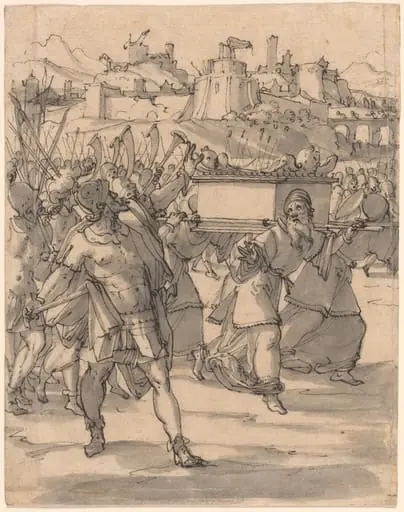 Joshua and the Israelites before the Walls of Jericho
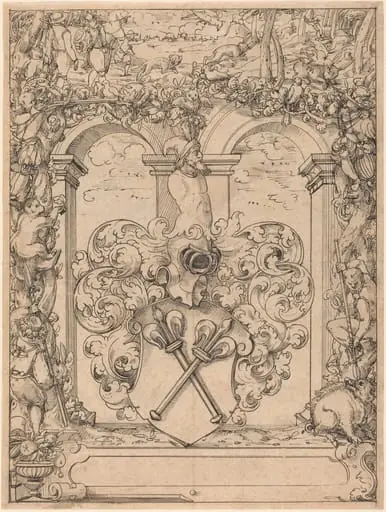 Design for a Window (Hunting Scene)
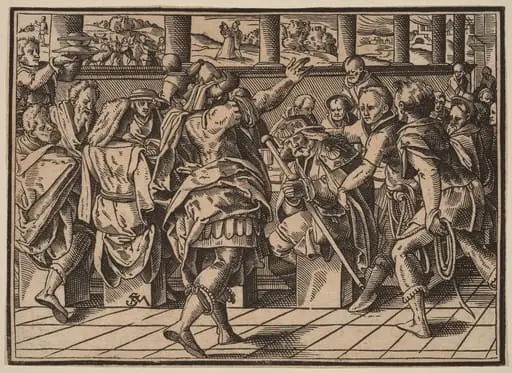 The Martyrdom of Saint James (?)
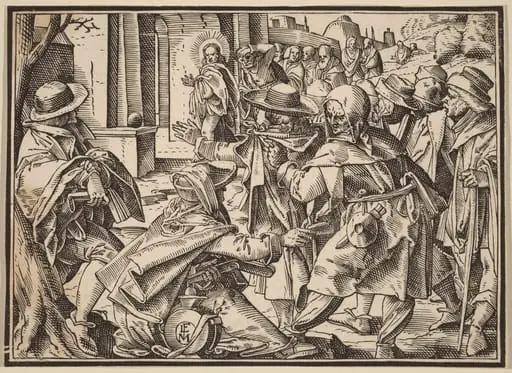 Christ Tells His Disciples of the Last Judgment
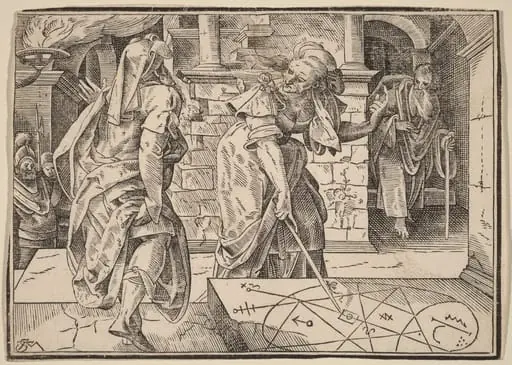 Christ Tells His Disciples of the Last Judgment
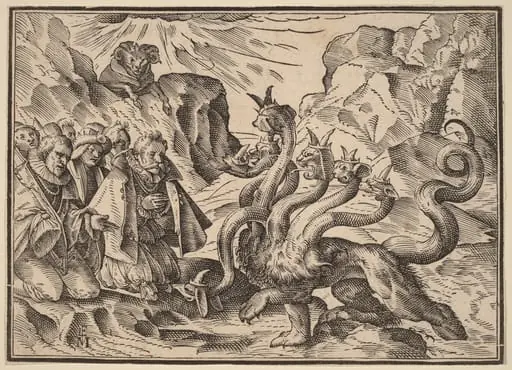 The Four Horsemen of the Apocalypse
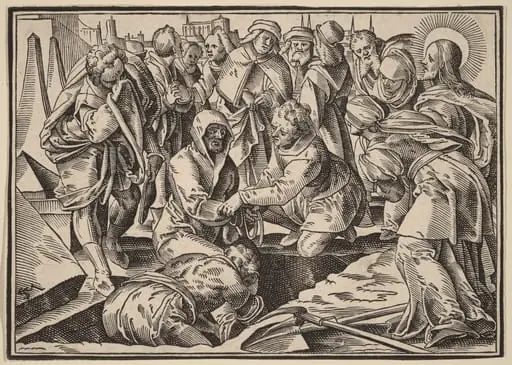 Christ Tells His Disciples of the Last Judgment
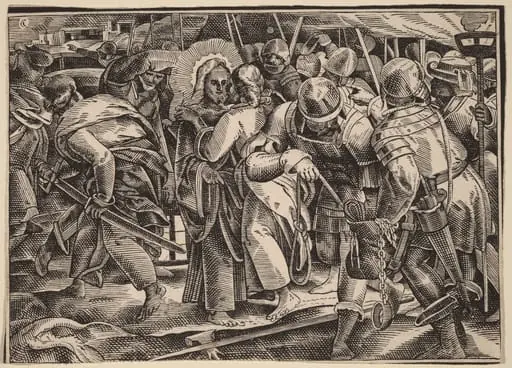 Christ Tells His Disciples of the Last Judgment
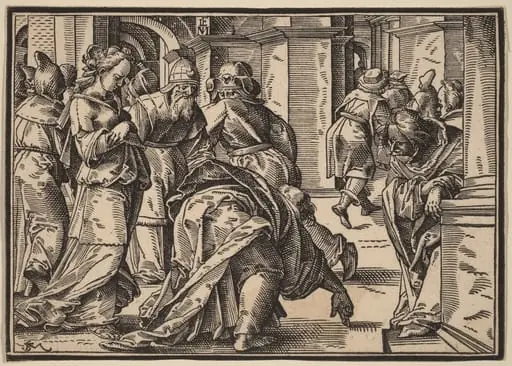 Christ Tells His Disciples of the Last Judgment
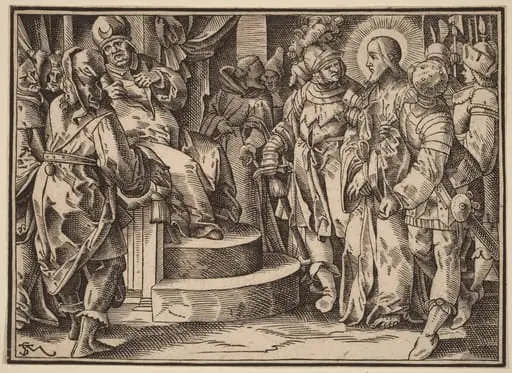 Christ Tells His Disciples of the Last Judgment
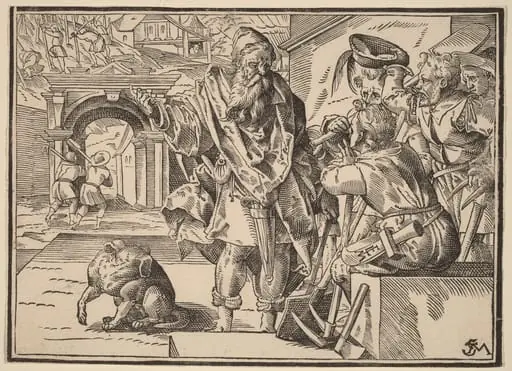 Christ Tells His Disciples of the Last Judgment
 Christ Tells His Disciples of the Last Judgment
 Christ Tells His Disciples of the Last Judgment
 Christ Tells His Disciples of the Last Judgment
 Christ Tells His Disciples of the Last Judgment