Artwork
The Four Horsemen of the Apocalypse
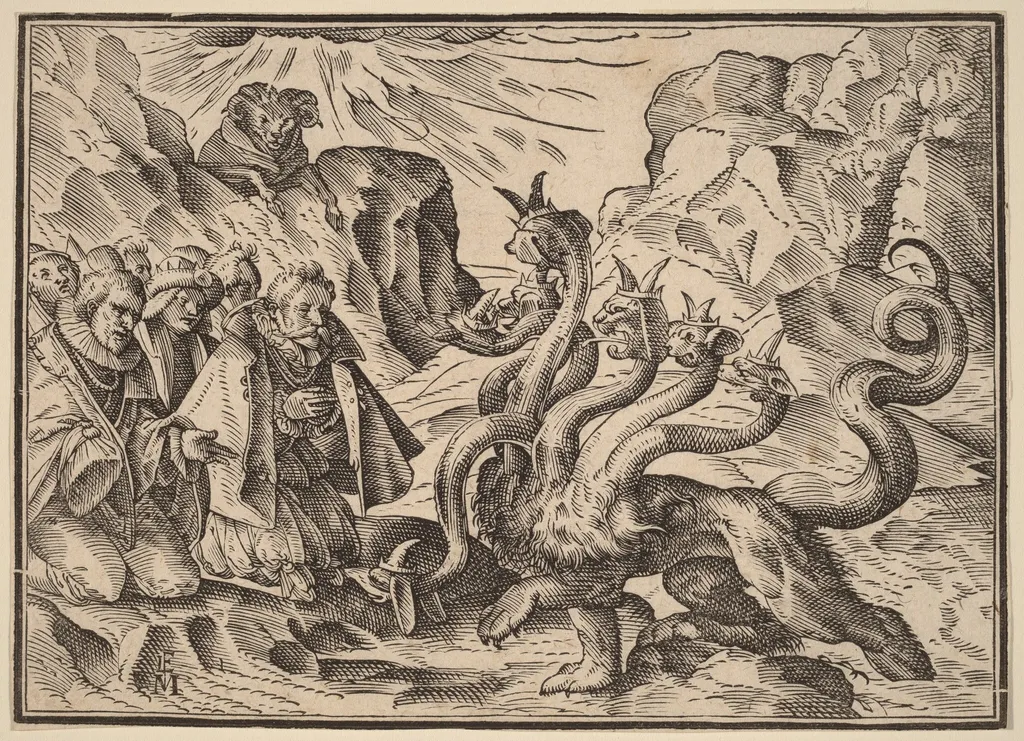
The Four Horsemen of the Apocalypse is an ink print by the Renaissance artist Christoph Murer. It dates from 1630 and is held in the collection of the National Gallery of Art.
About this work
Overview
Christoph Murer’s 1630 woodcut, titled The Four Horsemen of the Apocalypse, presents a turbulent biblical vision on laid paper. The composition centers on a multi‑headed, multi‑tailed beast, while the four riders—clad in flowing robes, one brandishing a sword— emerge faintly in the distance. Mountainous terrain and stormy clouds frame the scene, emphasizing the sense of divine upheaval.
Subject & Meaning
The image draws on the Revelation narrative, where the four riders symbolize Conquest, War, Famine and Death. Murer places the chaotic beast in the foreground to underscore the destructive forces unleashed alongside the riders. The obscured figures suggest the inevitability of the apocalypse, while the sword‑wielding rider highlights the violent aspect of the prophecy.
Technique & Style
Executed as a woodcut, the work showcases Murer’s skill in carving fine lines into a wood block, producing stark contrasts of black ink against the laid paper. Bold outlines and deep shading create a dramatic chiaroscuro, rendering the textures of the beast’s multiple heads and the atmospheric clouds. The tactile quality of the cut marks reinforces the image’s turbulent mood.
History & Provenance
Created in the early seventeenth century, the print reflects the period’s fascination with apocalyptic themes amid religious conflict in Europe. While the original block’s whereabouts are unknown, surviving impressions have circulated in private collections and museum holdings, attesting to Murer’s reputation as a leading German printmaker of his generation.
Artist & collection


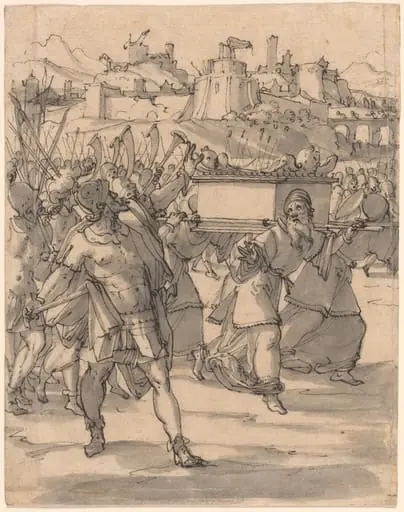 Joshua and the Israelites before the Walls of Jericho
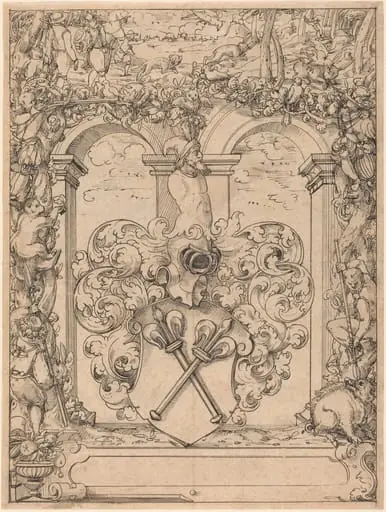 Design for a Window (Hunting Scene)
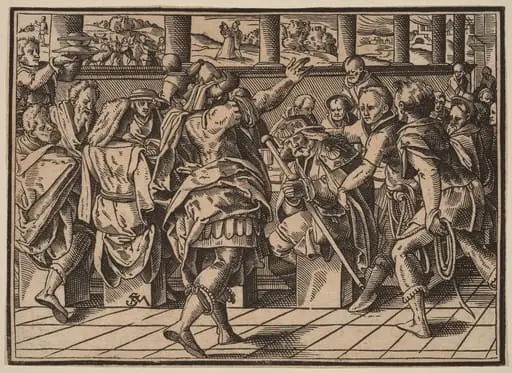 The Martyrdom of Saint James (?)
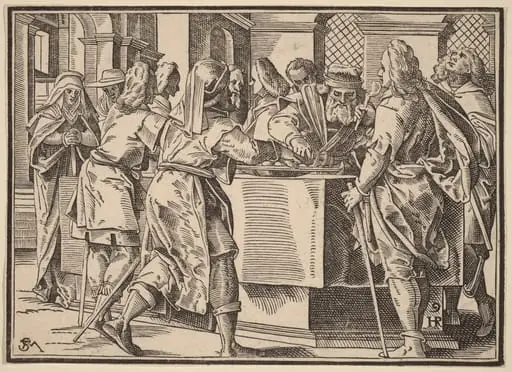 Christ Tells His Disciples of the Last Judgment
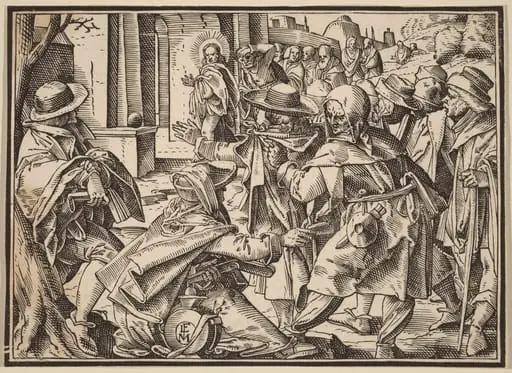 Christ Tells His Disciples of the Last Judgment
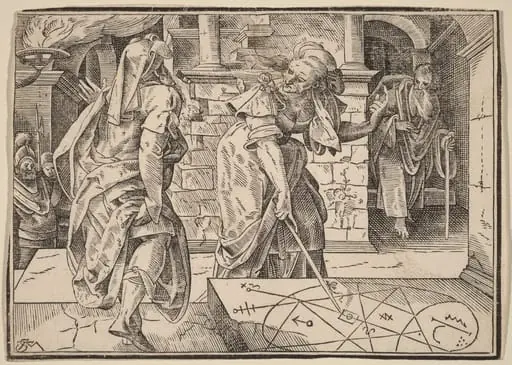 Christ Tells His Disciples of the Last Judgment
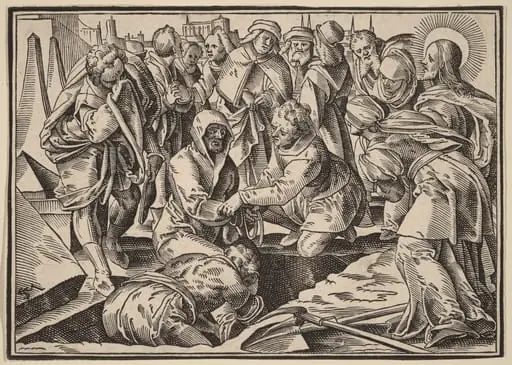 Christ Tells His Disciples of the Last Judgment
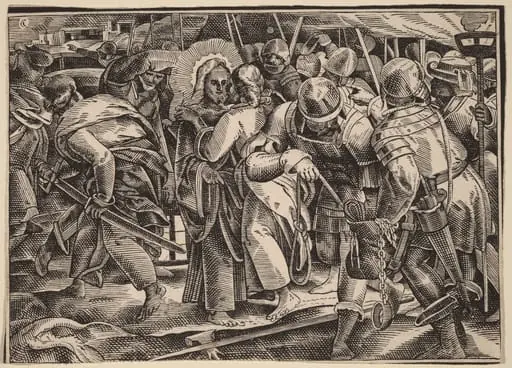 Christ Tells His Disciples of the Last Judgment
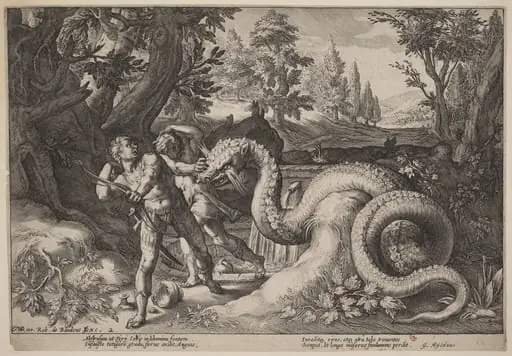 The Dragon Devouring the Companions of Cadmus
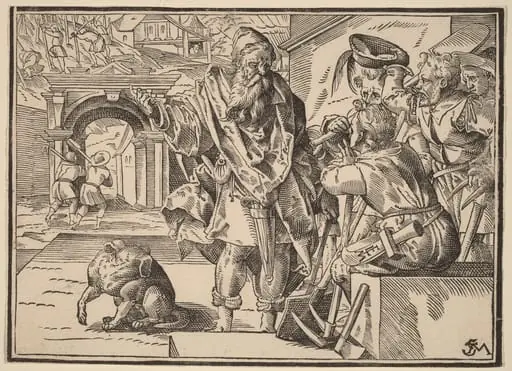 Christ Tells His Disciples of the Last Judgment
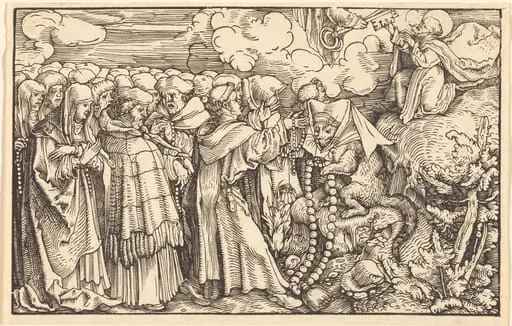 Allegory - Religious Frivolity
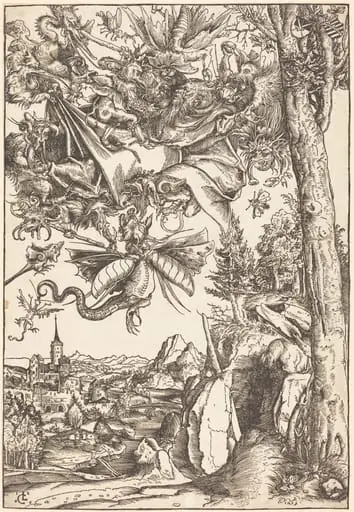 The Temptation of Saint Anthony
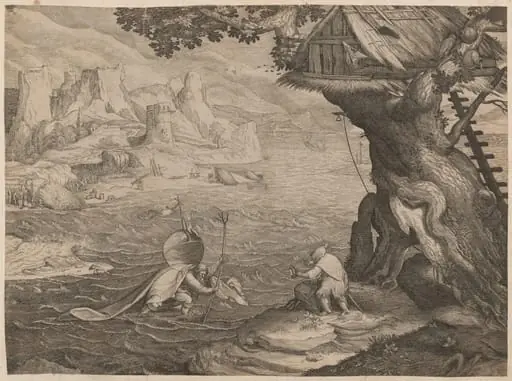 Saint Christopher with the Christ Child
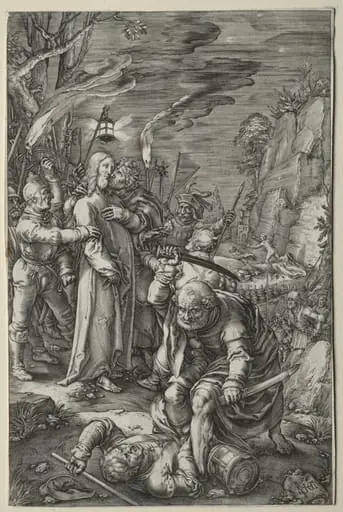 The Passion: The Betrayal of Christ
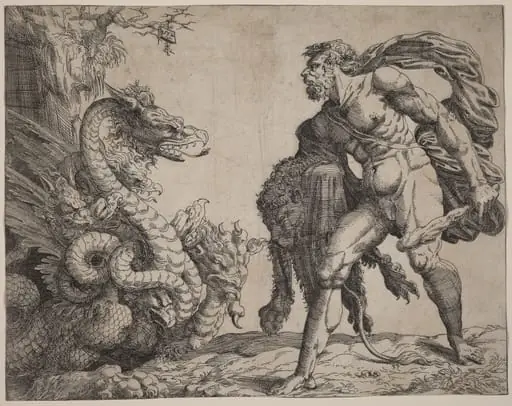 Hercules and the Hydra
 Reynard's Enemies are Dismayed
 Silenus and King Midas