Artwork
Christ Tells His Disciples of the Last Judgment
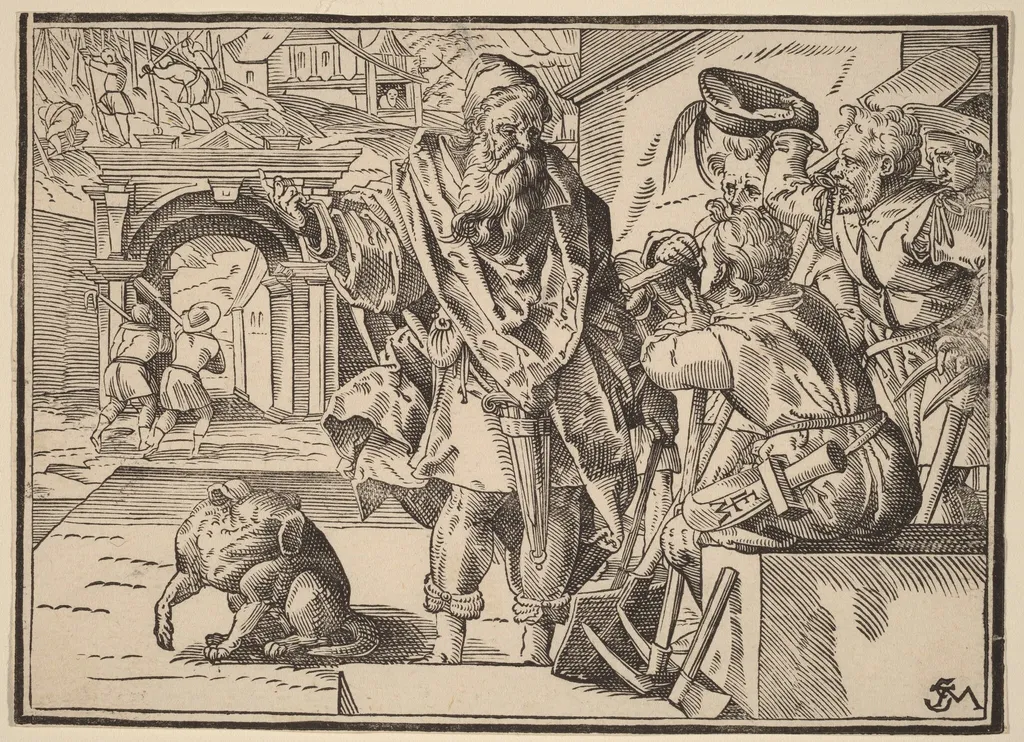
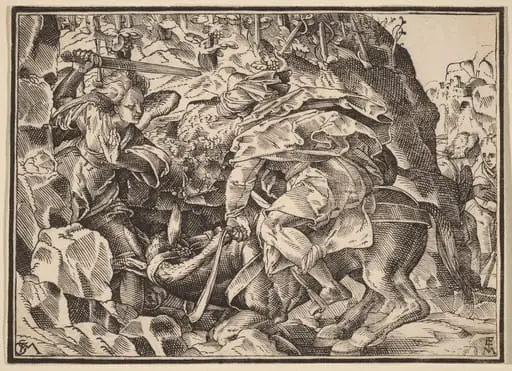
Christ Tells His Disciples of the Last Judgment is an ink print by the Renaissance artist Christoph Murer. It dates from 1630 and is held in the collection of the National Gallery of Art.
About this work
Overview
Executed on laid paper, the work presents a densely populated biblical scene in which Christ addresses his followers about the forthcoming judgment.
Christ Tells His Disciples of the Last Judgment is a 1630 woodcut by the German printmaker Christoph Murer. Executed on laid paper, the work presents a densely populated biblical scene in which Christ addresses his followers about the forthcoming judgment. The composition is dominated by a central figure of Christ, surrounded by a multitude of standing, kneeling and seated figures that fill the foreground and recede into a crowded architectural backdrop.
Subject & Meaning
The image visualises a moment from the New Testament when Jesus informs his disciples of the imminent Last Judgment. The varied postures—some figures looking upward, others leaning forward—convey a mixture of anticipation, reverence and contemplation. By placing the crowd in close proximity to Christ, Murer underscores the immediacy of the prophetic warning and invites viewers to consider their own readiness for divine reckoning.
Technique & Style
Murer employs the woodcut medium to achieve sharply defined lines and intricate cross‑hatching, creating a sense of depth despite the monochrome palette. The texture of the laid paper accentuates the tonal variations, while overlapping figures generate visual tension and movement. The dense arrangement of forms and the dramatic chiaroscuro are characteristic of early 17th‑century German devotional prints.
History & Provenance
The print was produced in 1630, a period of heightened religious conflict in Central Europe, which may have influenced its apocalyptic theme. It survives in several museum collections, having been circulated through the networks of Murer’s workshop and later acquired by private collectors before entering public holdings in the 19th century.
Artist & collection


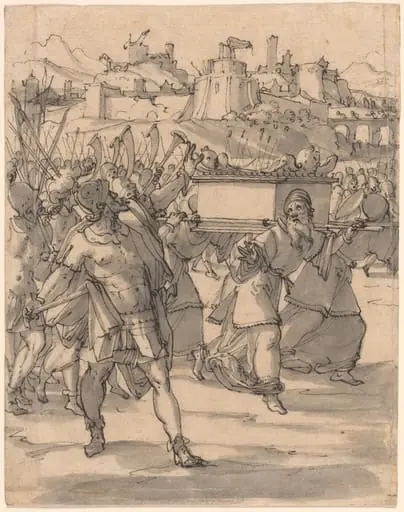 Joshua and the Israelites before the Walls of Jericho
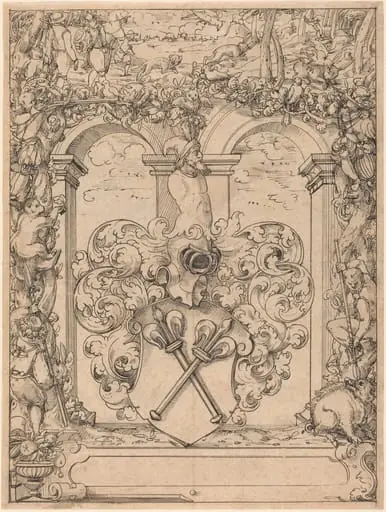 Design for a Window (Hunting Scene)
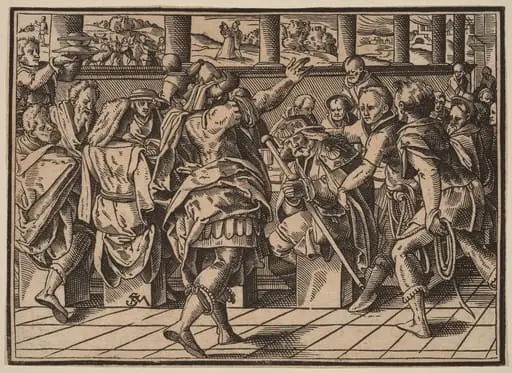 The Martyrdom of Saint James (?)
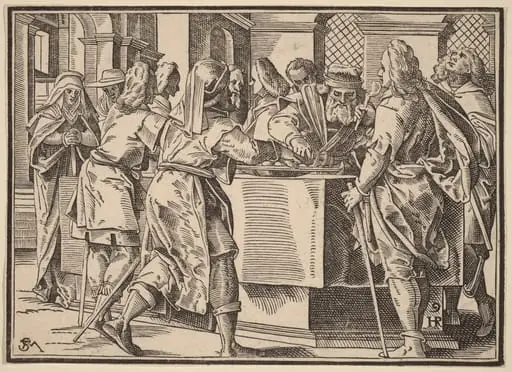 Christ Tells His Disciples of the Last Judgment
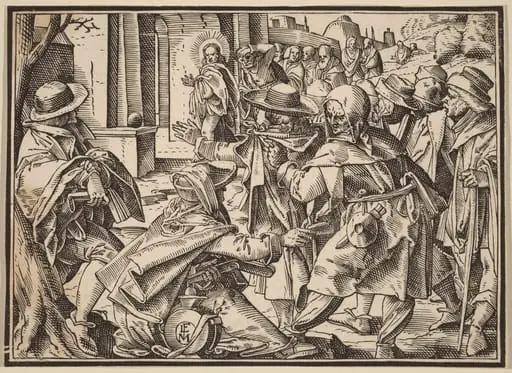 Christ Tells His Disciples of the Last Judgment
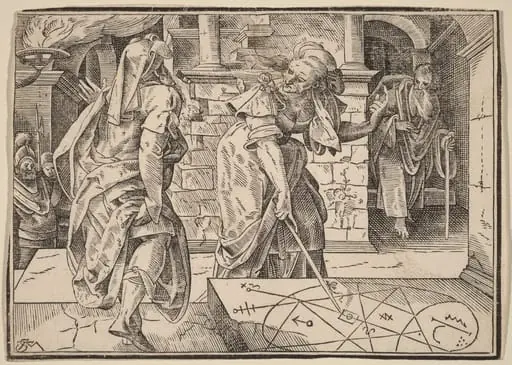 Christ Tells His Disciples of the Last Judgment
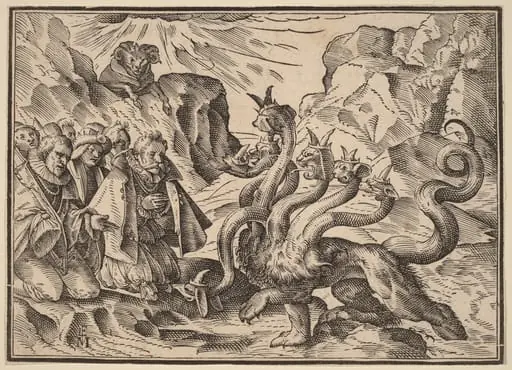 The Four Horsemen of the Apocalypse
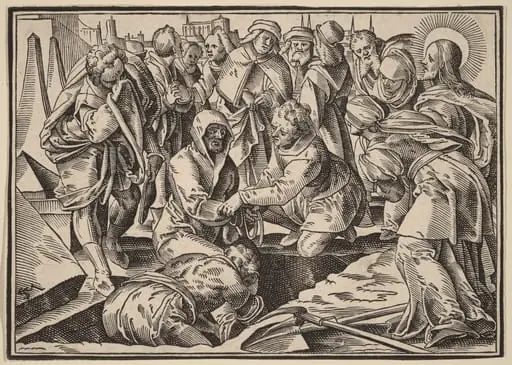 Christ Tells His Disciples of the Last Judgment
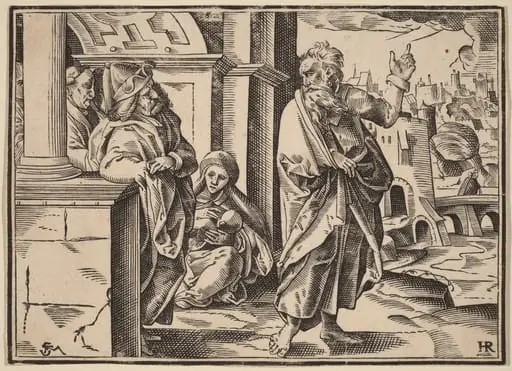 Christ Tells His Disciples of the Last Judgment
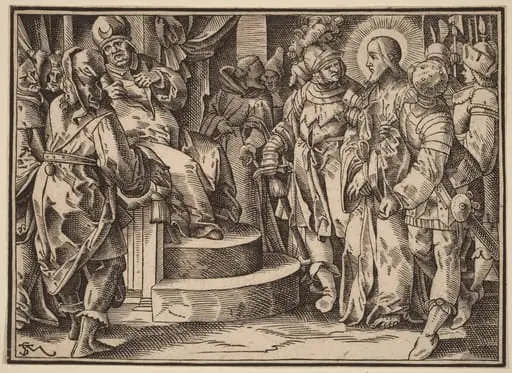 Christ Tells His Disciples of the Last Judgment
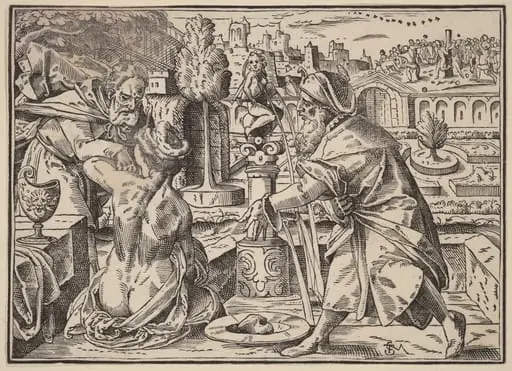 Christ Tells His Disciples of the Last Judgment
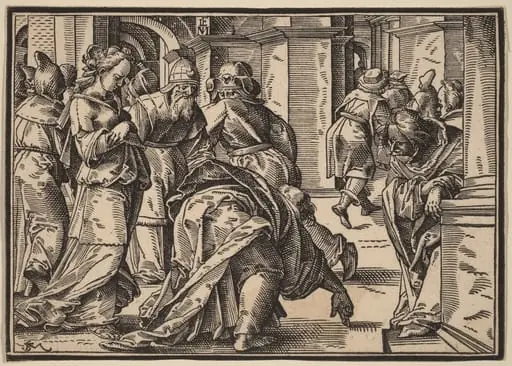 Christ Tells His Disciples of the Last Judgment
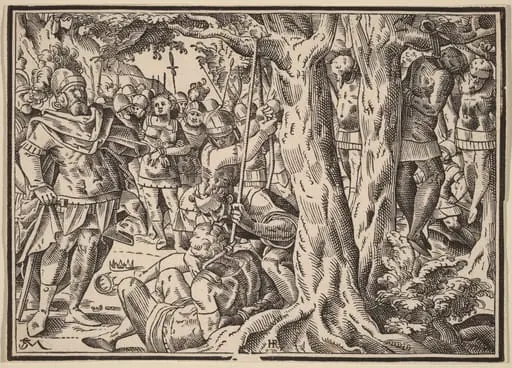 Christ Tells His Disciples of the Last Judgment
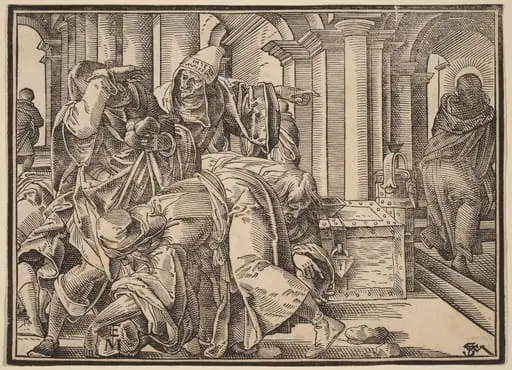 Christ Tells His Disciples of the Last Judgment
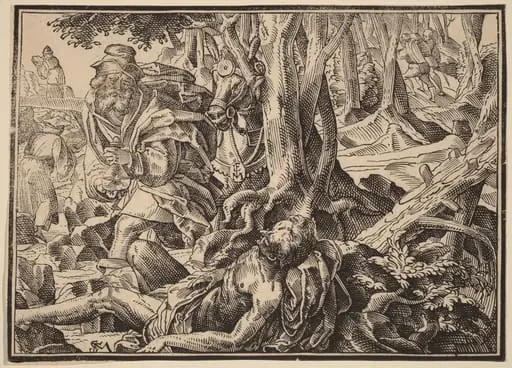 Christ Tells His Disciples of the Last Judgment
 Christ Tells His Disciples of the Last Judgment