Artwork
Christ Tells His Disciples of the Last Judgment
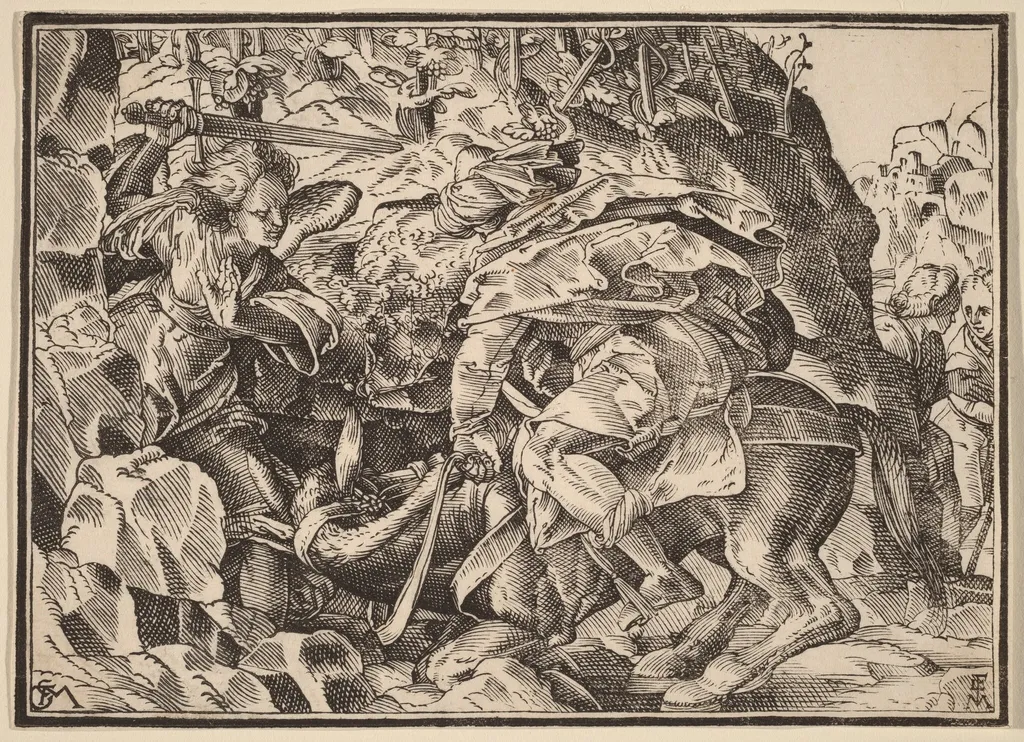
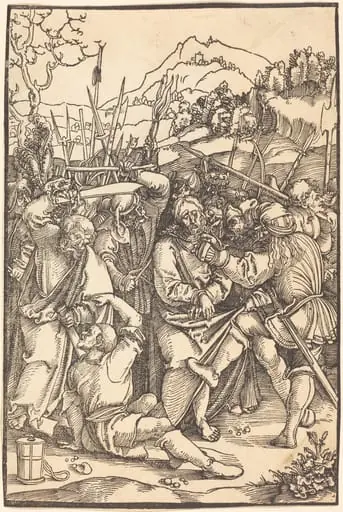
Christ Tells His Disciples of the Last Judgment is an ink print by the Renaissance artist Christoph Murer. It dates from 1630 and is held in the collection of the National Gallery of Art.
About this work
Overview
Executed in black ink on laid paper, the print belongs to a tradition of religious imagery intended for private devotion or educational use.
This 1630 woodcut by Christoph Murer depicts Christ delivering a solemn message to his disciples about the Last Judgment. Executed in black ink on laid paper, the print belongs to a tradition of religious imagery intended for private devotion or educational use. Its composition centers on Christ as a commanding figure, surrounded by a group of attentive followers, all rendered through fine, controlled lines characteristic of early 17th-century Northern European printmaking.
Subject & Meaning
The scene illustrates Christ’s warning to his disciples regarding the final judgment, a moment of divine revelation and moral reckoning. His raised hand and solemn gaze convey authority, while the disciples’ postures—leaning in, some with downcast eyes—reflect apprehension and reverence. The absence of overt spectacle emphasizes internal spiritual tension, aligning with Protestant devotional ideals that prioritized personal reflection over theatrical religious drama.
Technique & Style
Murer employed fine, incised lines to model form and texture, using cross-hatching to suggest depth and shadow across robes and landscape. The woodcut’s precision in rendering folds of fabric and distant hills reveals skilled craftsmanship. The limited tonal range enhances the print’s gravity, with stark contrasts between light and dark reinforcing the solemnity of the moment. Background elements are simplified, directing focus to the central figures and their emotional exchange.
History & Provenance
Created in 1630 during Murer’s tenure as a pastor and engraver in Zürich, the print likely circulated among educated laypeople and clergy. It was part of a broader effort to visualize biblical narratives in accessible formats. While no early ownership records are widely documented, surviving impressions suggest it was reproduced and distributed within Swiss and southern German Protestant communities in the decades following its creation.
Context
Produced during the post-Reformation era, the print reflects the Protestant emphasis on scriptural literacy and personal piety. Unlike Catholic altarpieces, which often dramatized divine events, this image favors quiet intensity, inviting contemplation rather than awe. Murer’s work aligns with a regional trend of using prints to reinforce theological teachings, particularly those concerning judgment, repentance, and moral accountability.
Legacy
Though not widely known today, Murer’s woodcut exemplifies the quiet power of devotional printmaking in early modern Europe. Its restrained composition and emotional nuance influenced later religious imagery in Protestant regions, where clarity and moral gravity took precedence over ornamentation. Surviving examples in institutional collections attest to its role as a tool for spiritual instruction during a period of religious consolidation.
Artist & collection


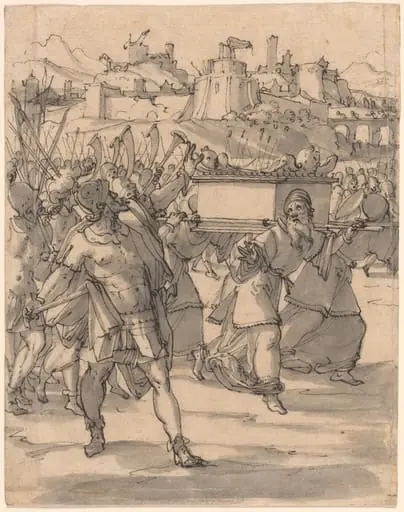 Joshua and the Israelites before the Walls of Jericho
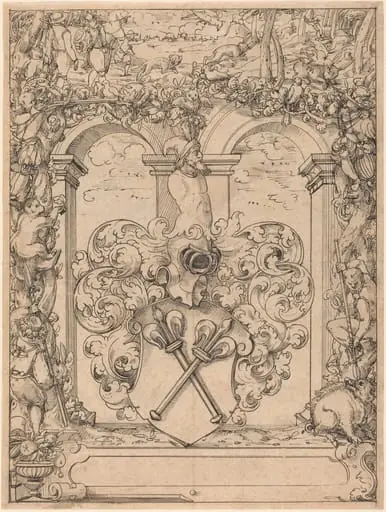 Design for a Window (Hunting Scene)
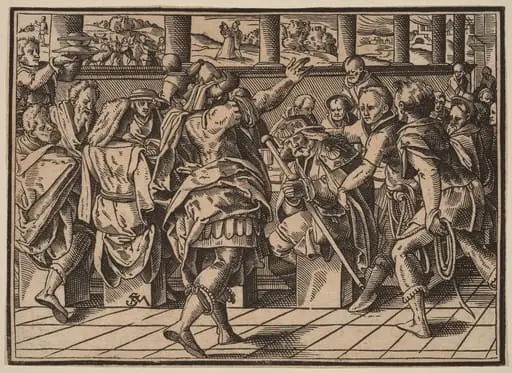 The Martyrdom of Saint James (?)
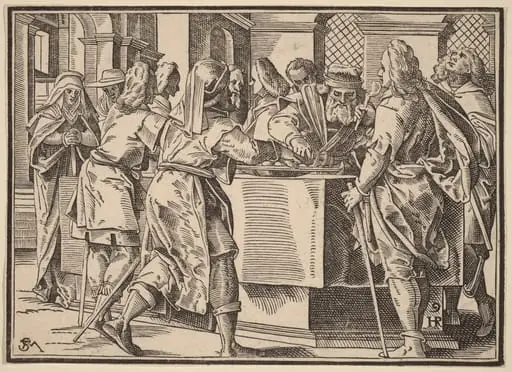 Christ Tells His Disciples of the Last Judgment
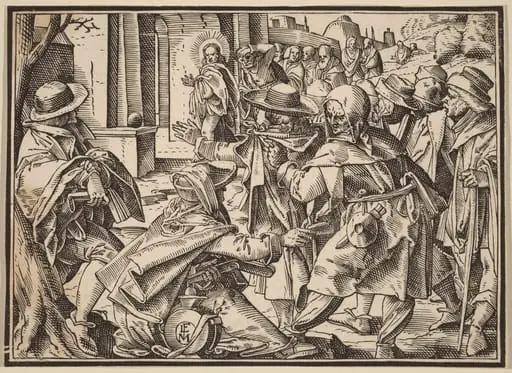 Christ Tells His Disciples of the Last Judgment
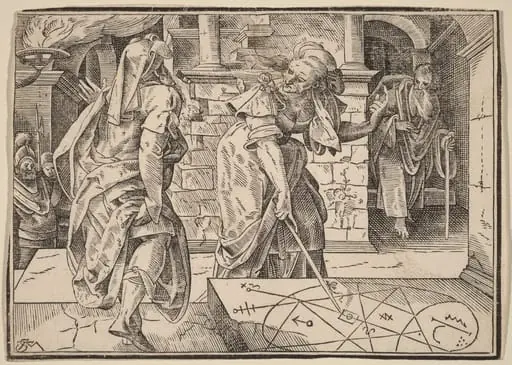 Christ Tells His Disciples of the Last Judgment
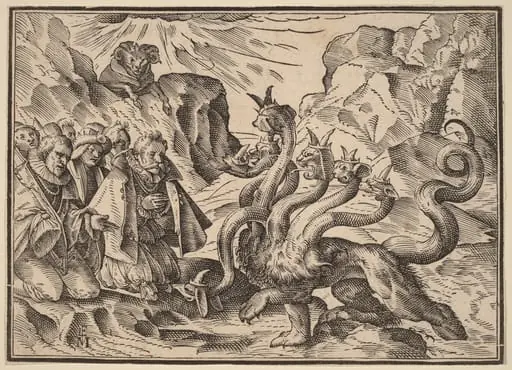 The Four Horsemen of the Apocalypse
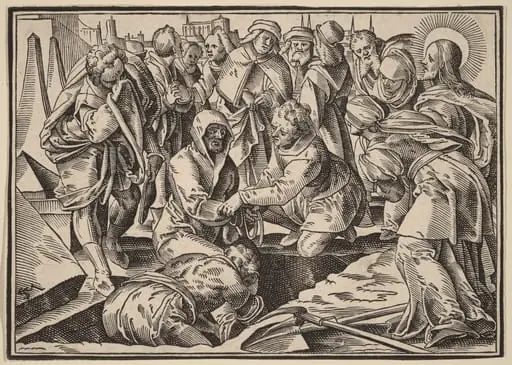 Christ Tells His Disciples of the Last Judgment