Artwork
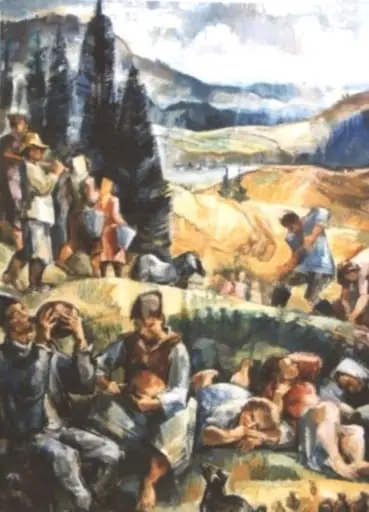
Culesul sfeclei
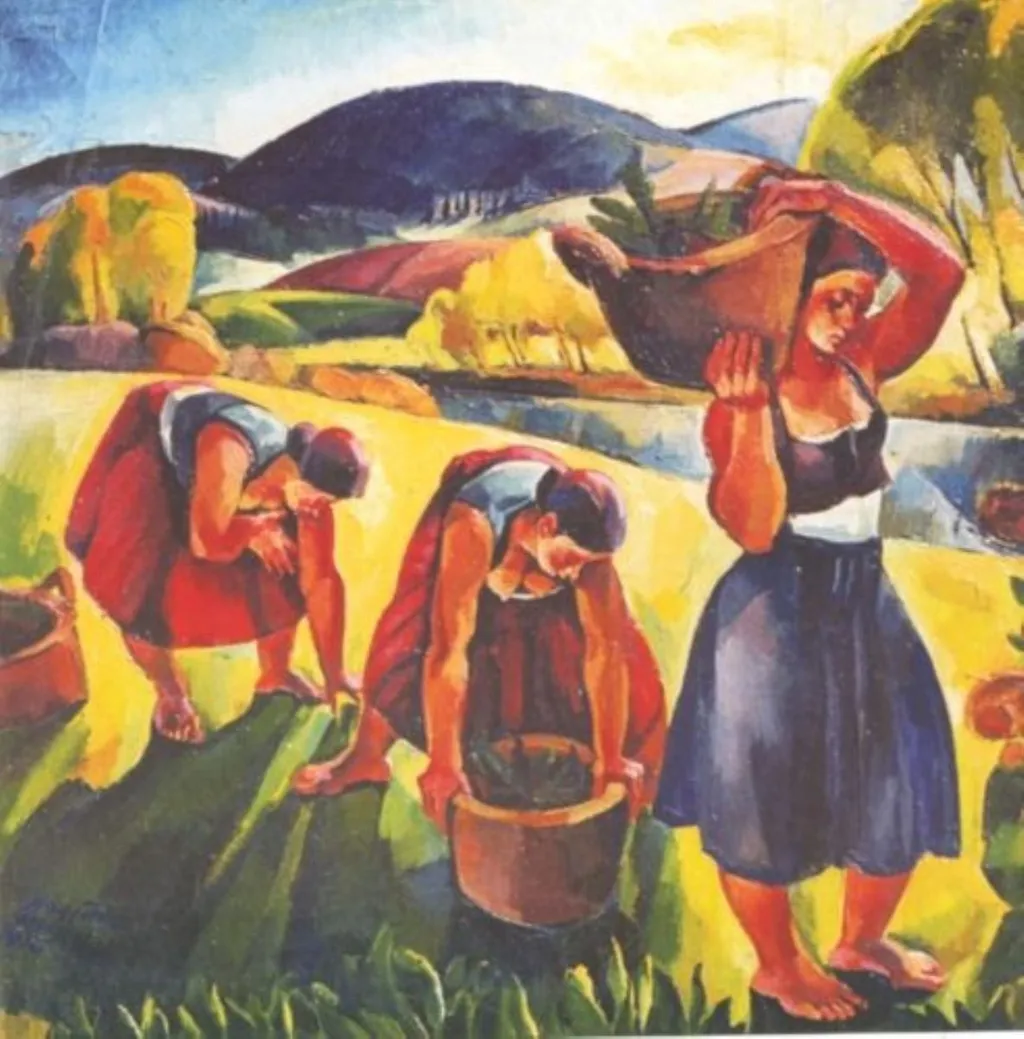
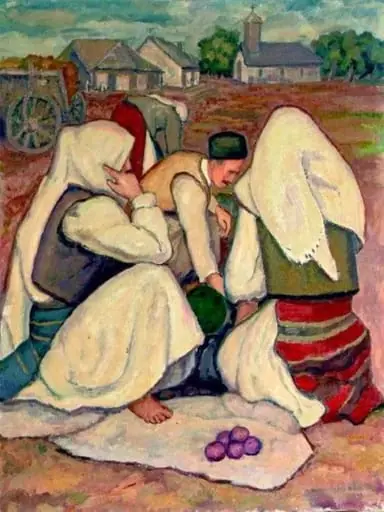
Culesul sfeclei is an unspecified painting by Imre Nagy. It dates from 1930 and is held in the collection of the Székely National Museum.
About this work
Overview
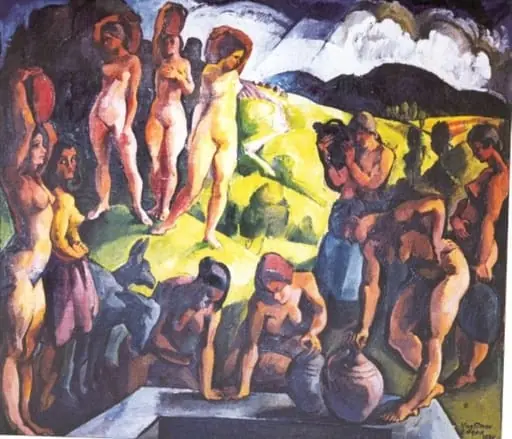
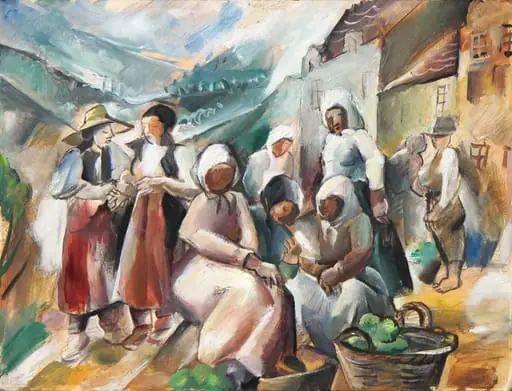
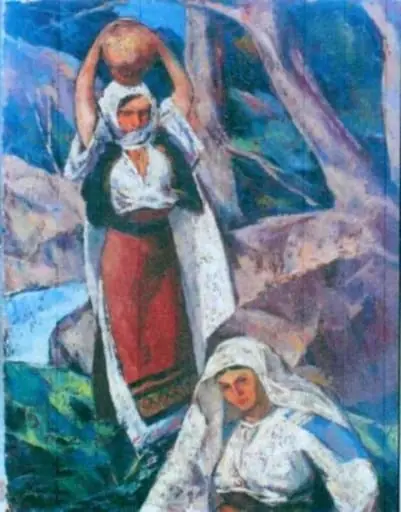
Culesul sfeclei, created by Imre Nagy in 1930, is a painting housed at the Museum of Ethnography. It depicts an outdoor scene of three women engaged in labor, set against a vibrant rural backdrop.
Subject & Meaning
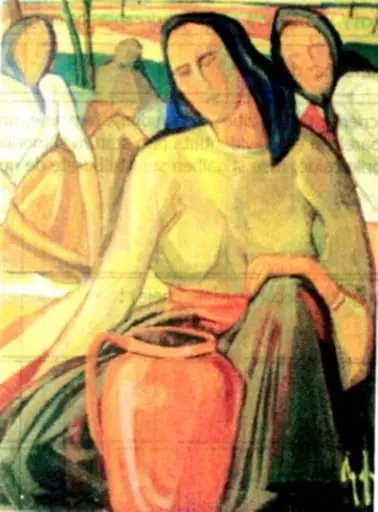
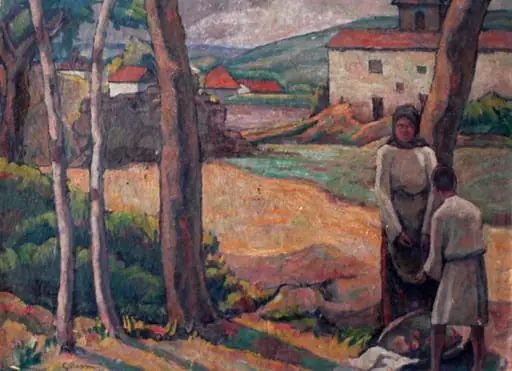
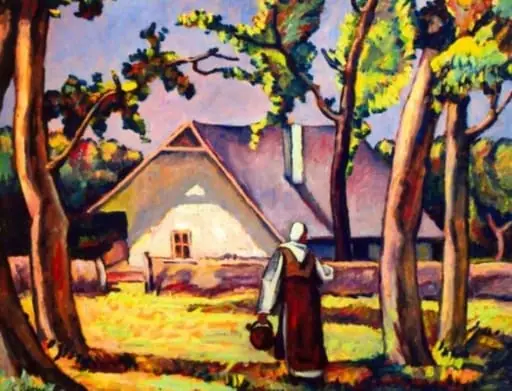
The painting portrays three women in simple, traditional attire (long skirts and headscarves) undertaking physical tasks: one bending, another carrying a basket on her head, and the third standing with hands on hips. The composition conveys a sense of warmth and bustling activity.
Technique & Style
Characterized by bold, bright colors, the work features a distinctive impasto technique, evident in the thick, heavily applied paint in certain areas, giving the piece a textured, expressive quality.
History & Provenance
Created in 1930 by Hungarian artist Imre Nagy, the painting is part of the collection at the Museum of Ethnography, though specific details about its creation context or earlier ownership are not provided.
Context
While specific contextual details about the artwork's creation are scarce, its depiction of rural labor and traditional dress suggests a focus on everyday life and possibly the artist's interest in capturing the essence of rural Hungarian culture during the interwar period.
Legacy
The artwork's legacy is not extensively detailed in available information, though its presence in a prominent ethnographic museum implies recognition of its cultural or artistic significance within Hungarian heritage.