Artwork
Antoine Le Pautre
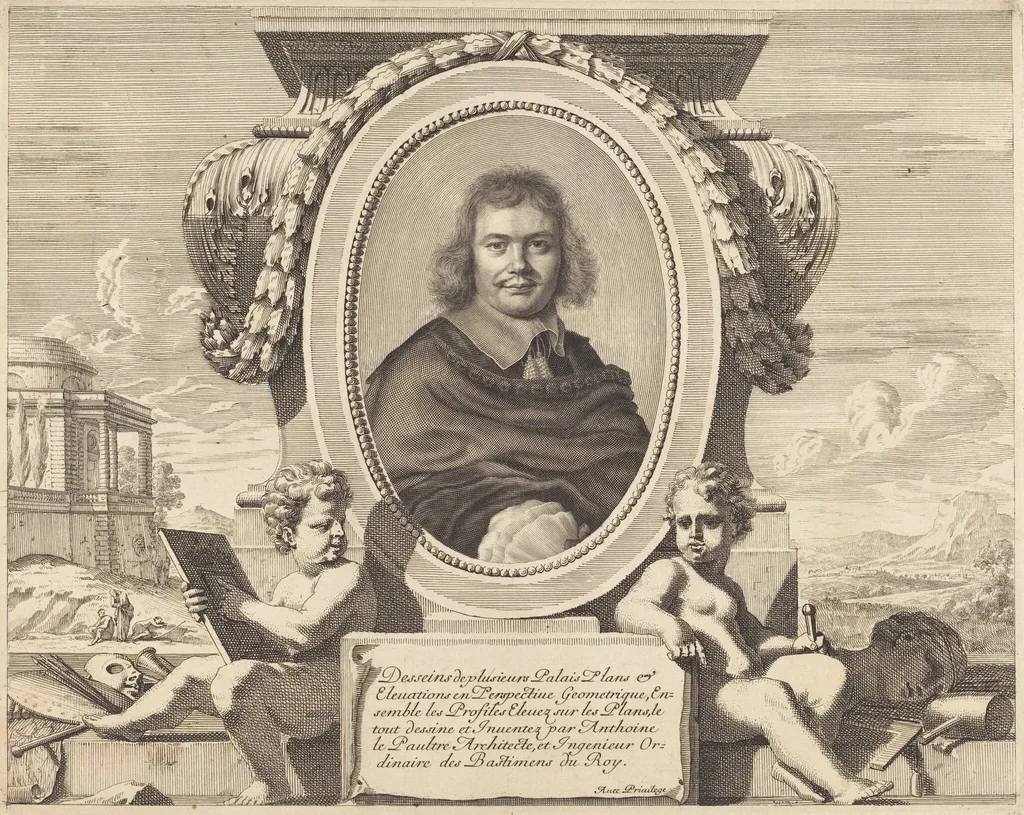
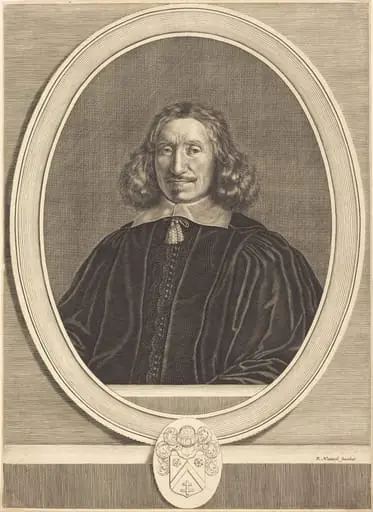
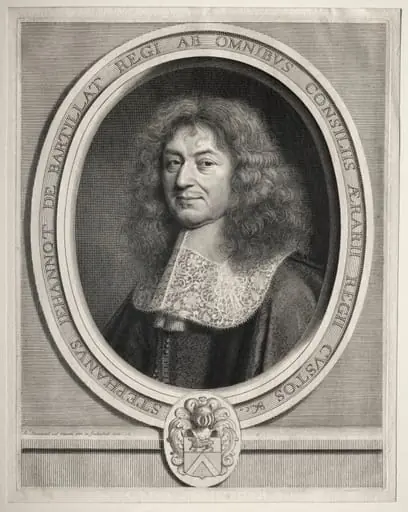
Antoine Le Pautre is an ink print by the Baroque artist Robert Nanteuil. It dates from 1653 and is held in the collection of the National Gallery of Art.
About this work
Overview
This 1653 engraving by Robert Nanteuil portrays Antoine Le Pautre, a French architect active in the mid-17th century.
This 1653 engraving by Robert Nanteuil portrays Antoine Le Pautre, a French architect active in the mid-17th century. Executed in fine line work typical of Nanteuil’s precision, the portrait is framed within an oval border and enriched with symbolic elements tied to Le Pautre’s profession. The composition reflects the conventions of scholarly and professional portraiture in Louis XIV’s France, where identity was conveyed through context as much as likeness.
Subject & Meaning
Antoine Le Pautre is depicted as a royal architect, his status signaled by the tools and imagery surrounding him: architectural plans, a globe, and a scaled model of a building. Two attendant figures—one holding a scroll, another a model—emphasize his role in design and administration. The inclusion of a distant landscape and building sketch suggests his involvement in both urban planning and decorative projects, aligning his identity with the broader cultural ambitions of the French court.
Technique & Style
Nanteuil employed fine, controlled engraving lines to render texture, depth, and detail with remarkable clarity. The portrait’s facial features are delicately modeled, while the surrounding symbols are rendered with crisp, linear precision. The oval frame and layered background elements demonstrate a compositional discipline common in courtly portraiture, where every element served a representational purpose. The tonal range is subtle, relying on line density rather than shading to suggest volume.
History & Provenance
Created during Nanteuil’s tenure as official engraver to Louis XIV, the print was likely produced for circulation among patrons and peers of the royal court. As a documented figure in French architectural circles, Le Pautre’s likeness was preserved to affirm his professional standing. The work’s survival in institutional collections suggests early recognition of its documentary value, though its original commission remains unrecorded.
Context
In mid-17th-century France, portraiture of architects and artists increasingly incorporated allegorical tools to assert intellectual and professional legitimacy. Nanteuil’s work aligns with a broader trend of visualizing expertise through symbolic objects, mirroring the era’s emphasis on order, knowledge, and state-sponsored culture. The engraving reflects the growing prestige of the architectural profession under royal patronage.
Legacy
Nanteuil’s engraving of Le Pautre stands as a representative example of how French artists documented their contemporaries with both precision and symbolic depth. While Le Pautre’s architectural works are less widely known today, this portrait preserves his image and professional identity, offering insight into the visual culture of French institutional life during the early absolutist period.
Artist & collection
Artist
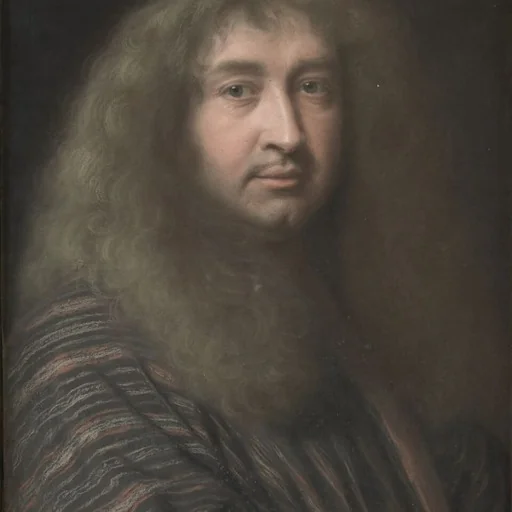
Robert Nanteuil (French pronunciation: ; 1623 – 9 December 1678) was a French portrait artist: engraver, draughtsman and pastellist to the court of Louis XIV.

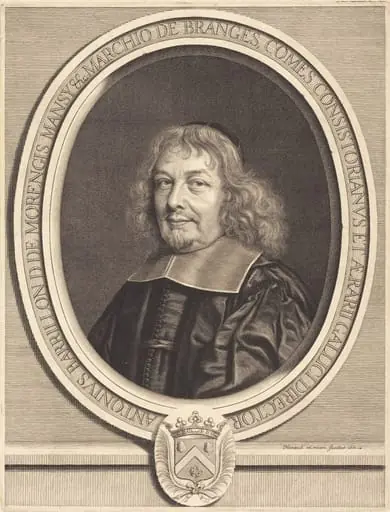 Antoine Barillon
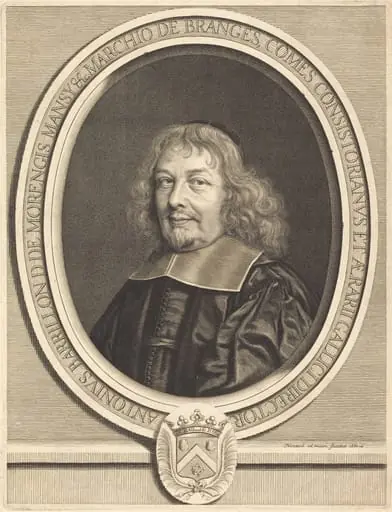 Antoine Barillon
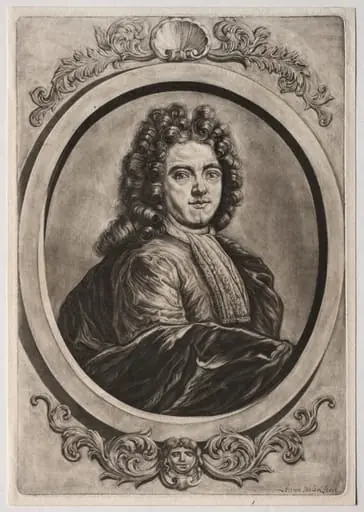 Self-Portrait
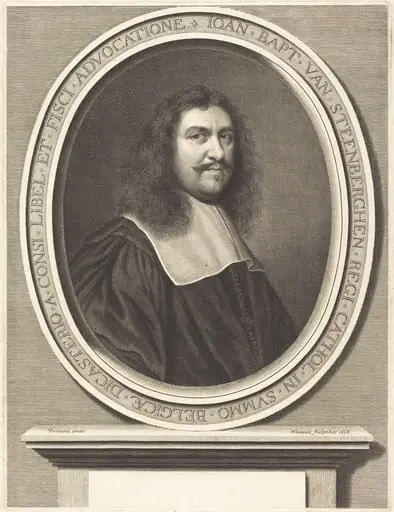 Jean-Baptiste van Steenberghen
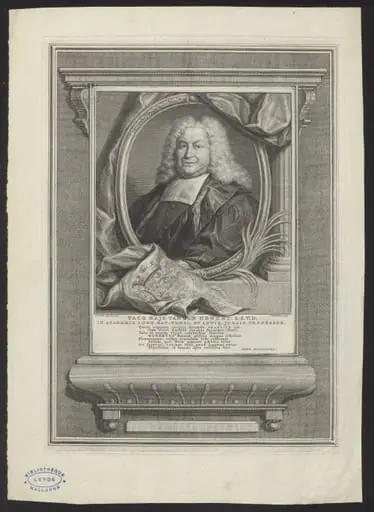 Portrait of Taco Hajo van den Honert
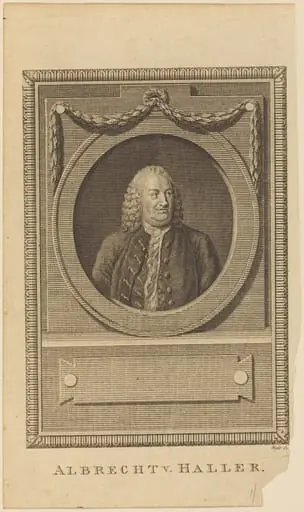 Albrecht V. Haller
 Martin Desjardins
 Robert Stafford of Bradfield, Berks
 H Beard Print Collection
![Portrait of J. Basnage, [Walloon minister and historian], by Pieter van, Gunst](https://artifactworldgallery.com/img/pieter-van-gunst--portrait-of-j-basnage-walloon-minister-and-historian--be59663770daddd2-w320.webp) Portrait of J. Basnage, [Walloon minister and historian]
Portrait of J. Basnage, [Walloon minister and historian] Self-Portrait
 Etienne Jehannot de Bartillat