Artwork
Francois Mallier du Houssay
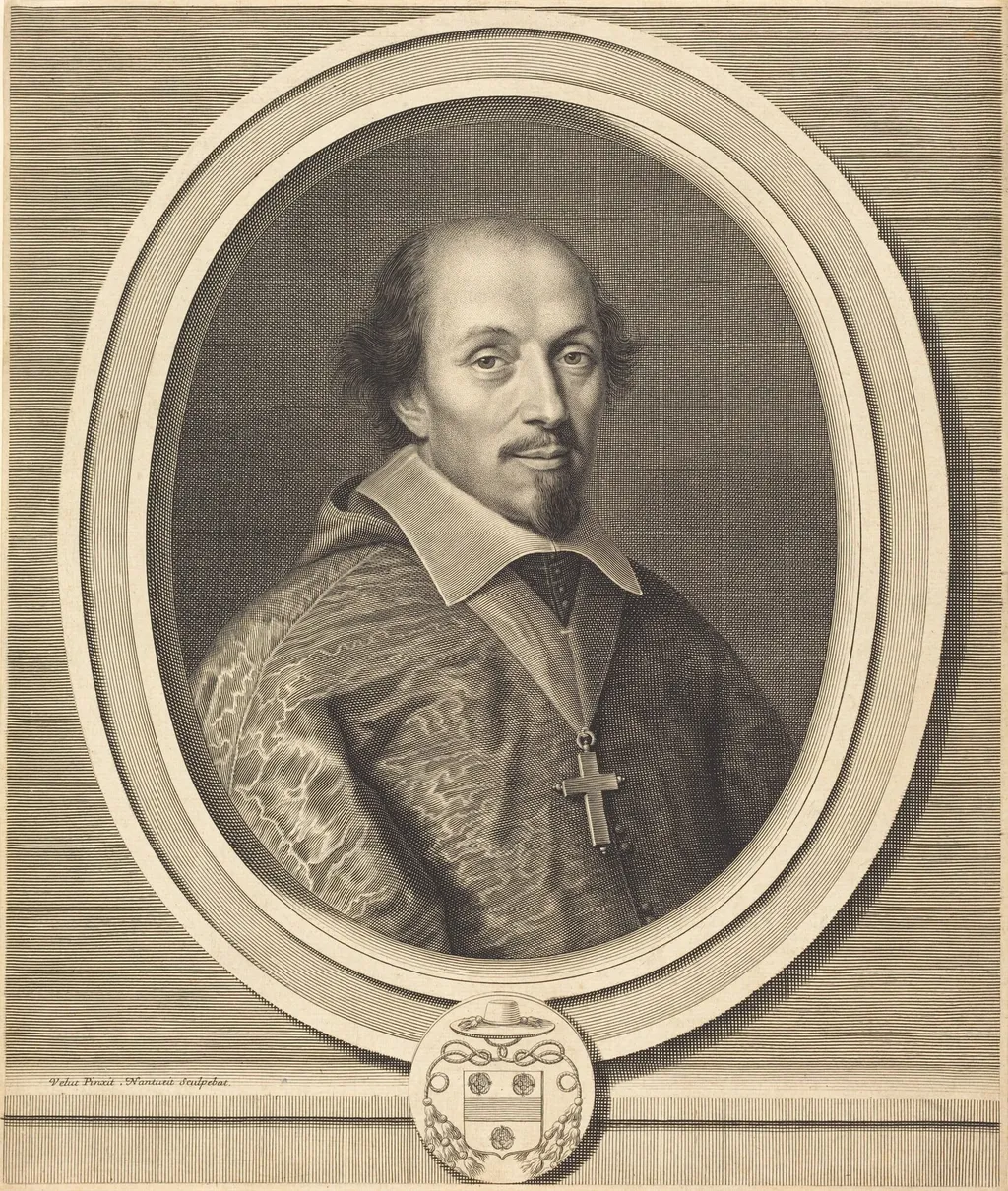
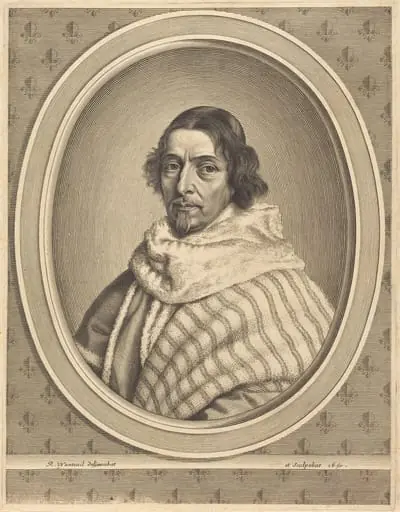
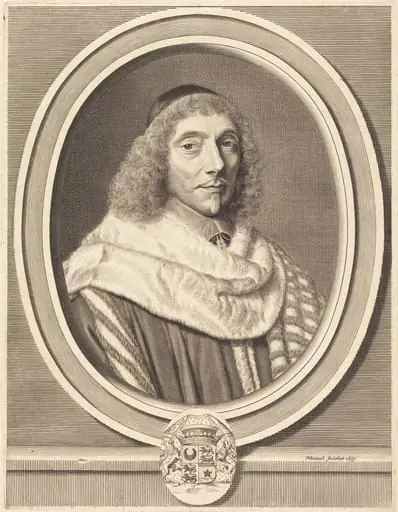
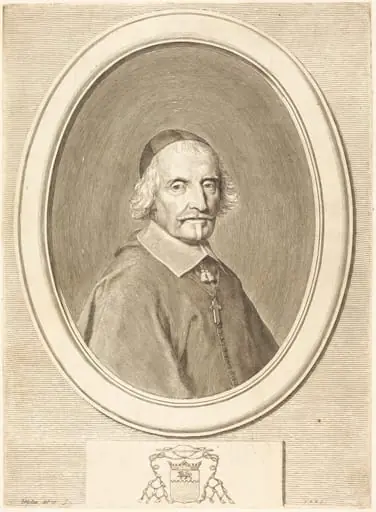
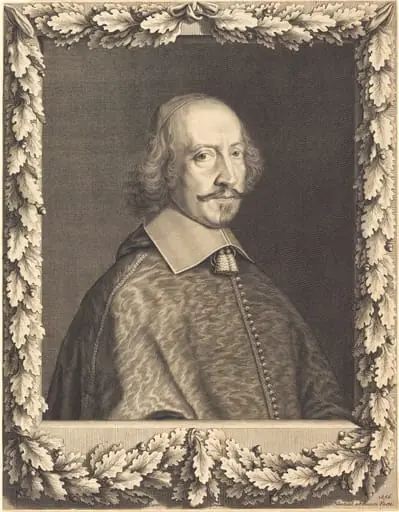
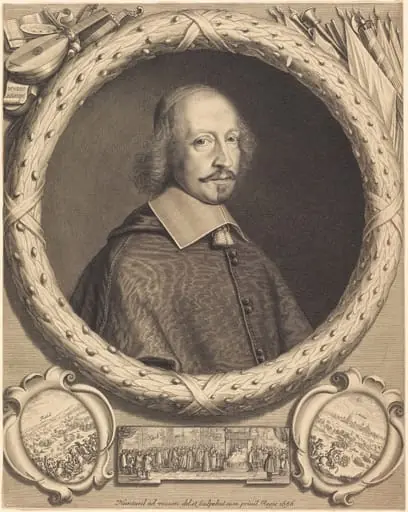
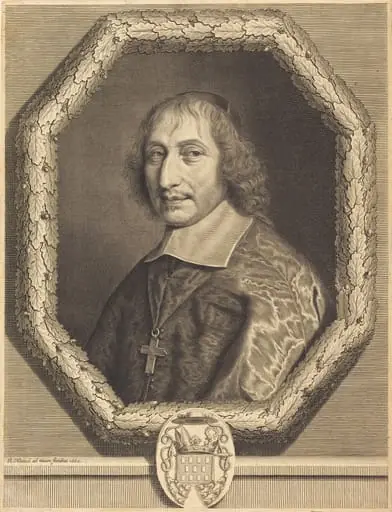
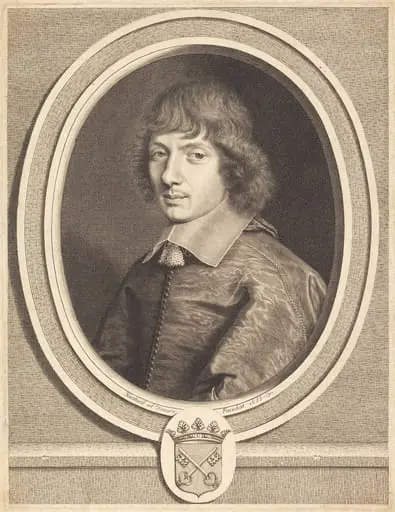
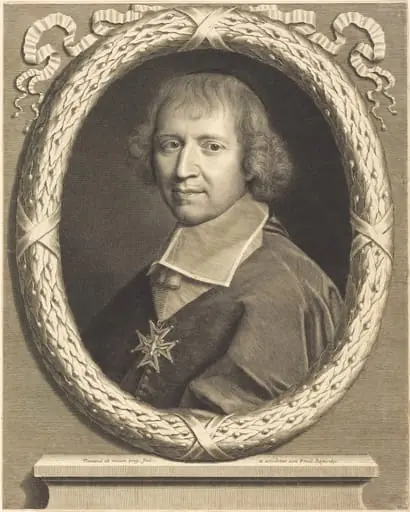
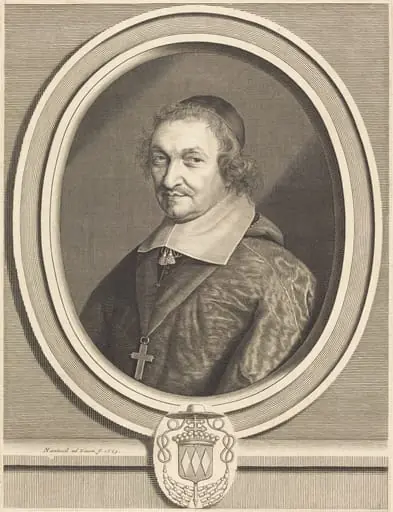
Francois Mallier du Houssay is an ink print by the Baroque artist Robert Nanteuil. It dates from 1656 and is held in the collection of the National Gallery of Art.
About this work
Overview
An engraving from 1656 by Robert Nanteuil depicts François Mallier du Houssay, a French court official.
An engraving from 1656 by Robert Nanteuil depicts François Mallier du Houssay, a French court official. Executed in black ink on paper, the portrait reflects Nanteuil’s mastery of the engraving technique, which involved incising fine lines into a metal plate to create detailed impressions. The work belongs to a series of court portraits Nanteuil produced during the reign of Louis XIV, emphasizing precision and psychological presence over ornamentation.
Subject & Meaning
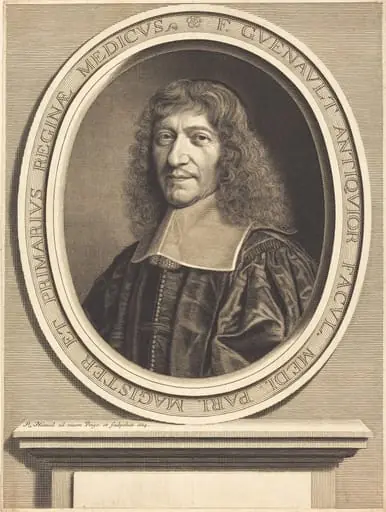
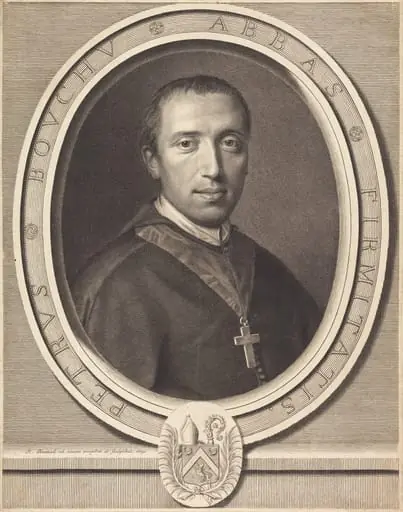
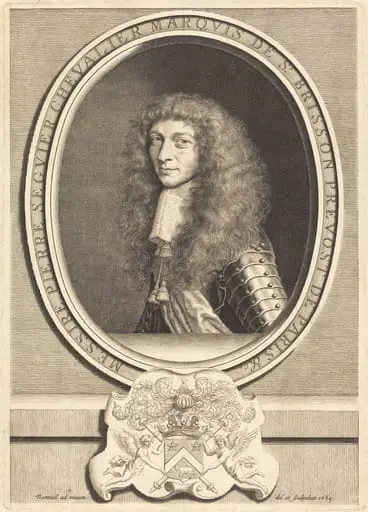
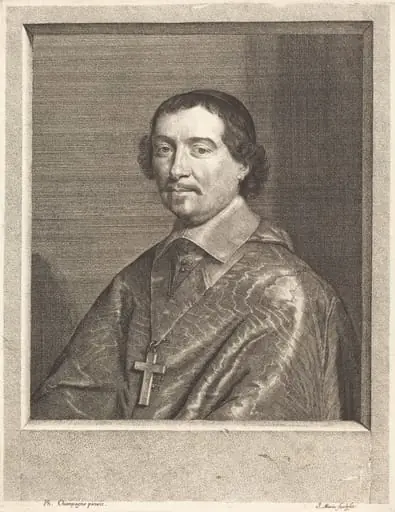
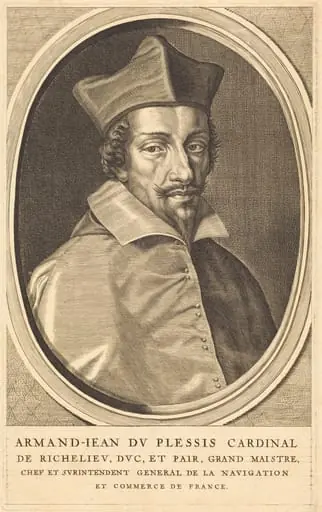
François Mallier du Houssay is portrayed with solemn composure, his gaze direct and unsmiling, suggesting his position within the administrative elite. The ruffled collar and chain around his neck indicate status and affiliation with courtly decorum. The absence of symbolic objects or elaborate settings focuses attention on his individuality, reinforcing the portrait’s function as a record of personal identity within the rigid hierarchy of the French monarchy.
Technique & Style
Nanteuil employed fine, controlled lines to model the contours of the face, using cross-hatching and varying line density to achieve tonal depth. The texture of curly hair and the sheen of the chain are rendered through meticulous etching, while the plain background isolates the figure. Unlike painting, the image derives its three-dimensionality from the engraved grooves on the copper plate, transferred to paper through pressure printing.
History & Provenance
Created in 1656, the engraving was likely commissioned as part of a broader effort to document key figures in Louis XIV’s court. Nanteuil, appointed royal engraver in 1648, produced numerous portraits for the monarchy, many of which were circulated among nobility. This particular work survives in several institutional collections, attesting to its early circulation and enduring value as a documentary artifact of the period.
Context
In mid-17th century France, engraved portraits served as tools of political and social representation, allowing the court to project authority and refinement beyond Versailles. Nanteuil’s work aligned with the era’s preference for restrained elegance and psychological realism. His engravings became standard references for aristocratic likenesses, replacing more flamboyant styles with a disciplined, intimate aesthetic suited to the monarchy’s evolving image.
Legacy
Nanteuil’s portraits, including this one, set a benchmark for French engraved portraiture in the Baroque era. His technique influenced generations of printmakers who sought to capture likeness with clarity and subtlety. Though later styles favored broader brushwork or photography, Nanteuil’s engravings remain valued for their technical precision and their role in preserving the visual culture of the early Bourbon court.
Artist & collection
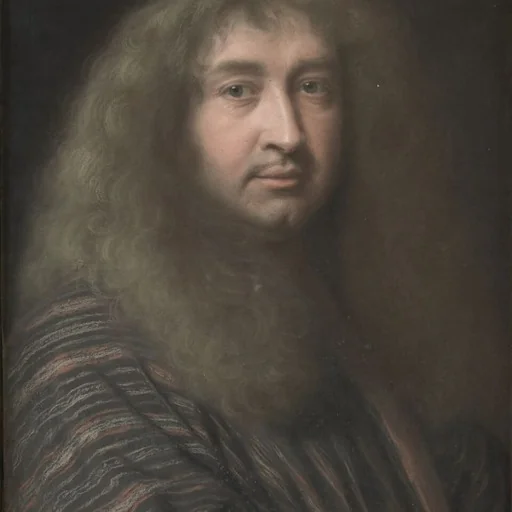
Artist
Robert Nanteuil (French pronunciation: ; 1623 – 9 December 1678) was a French portrait artist: engraver, draughtsman and pastellist to the court of Louis XIV.