Artwork
Hardouin de Perefixe
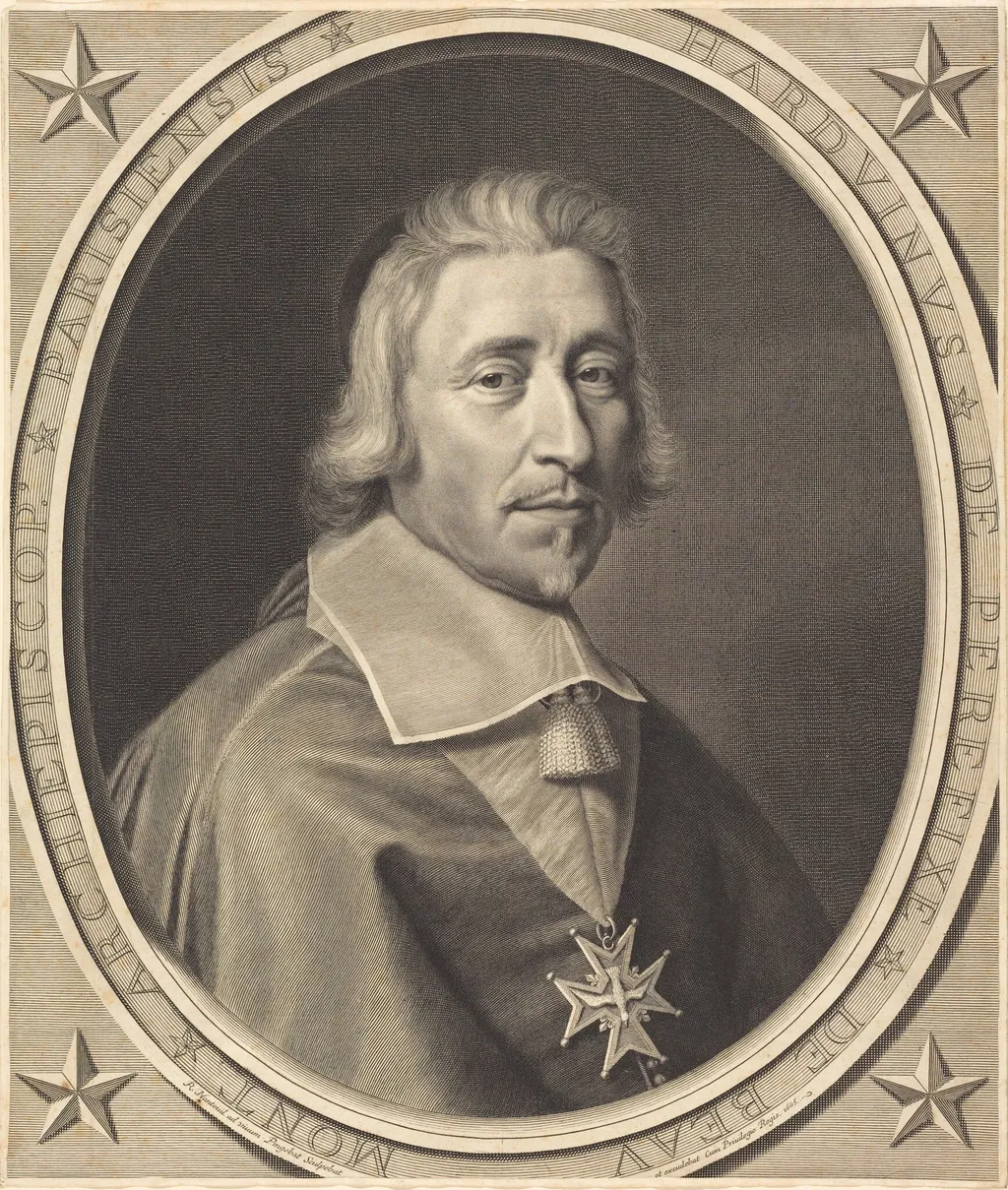
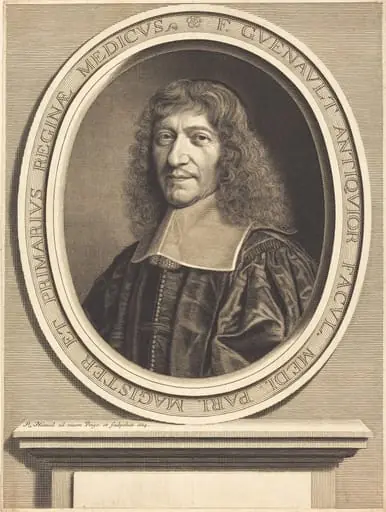
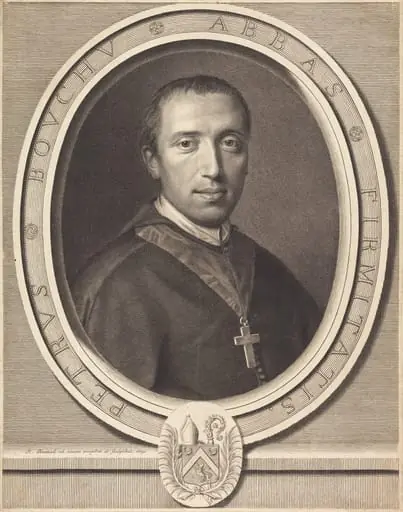
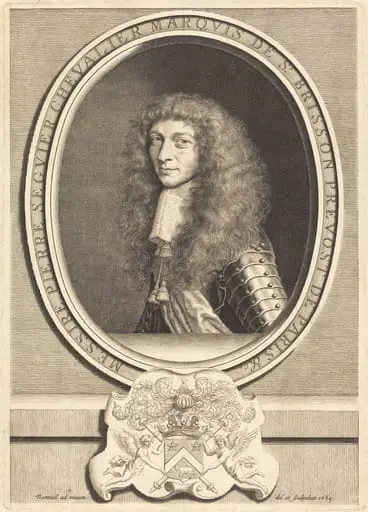
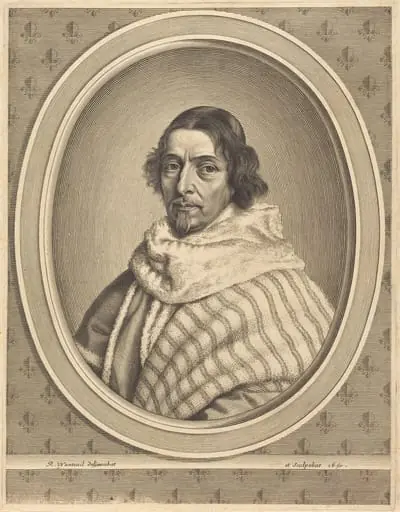
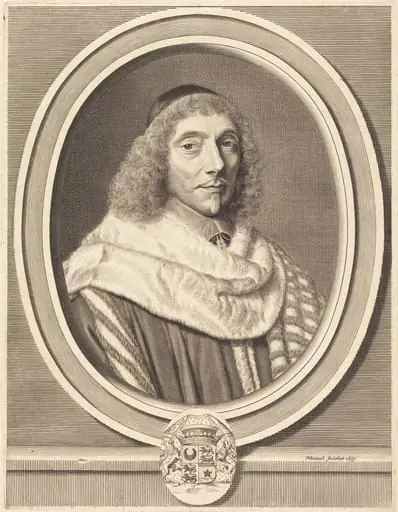
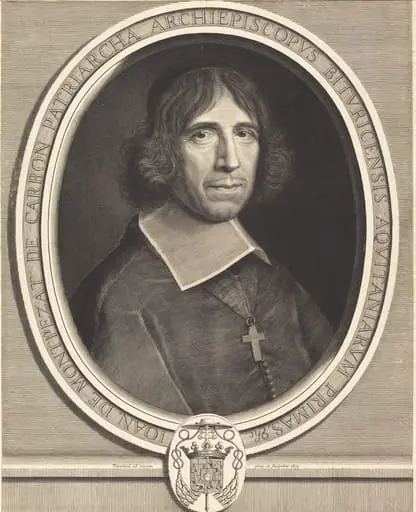
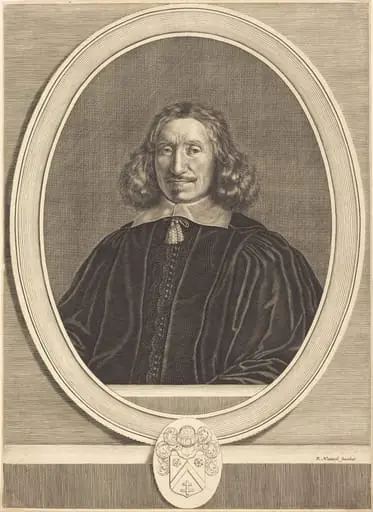
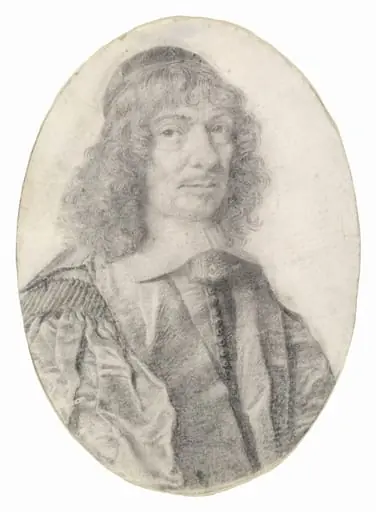
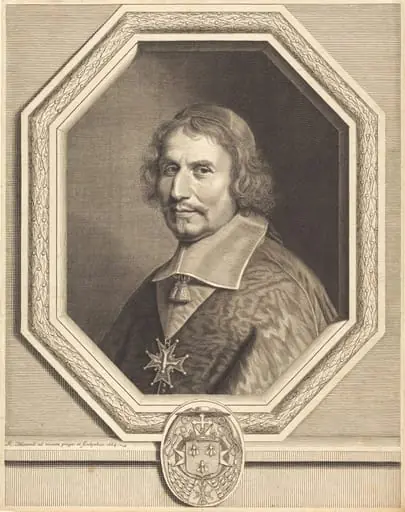
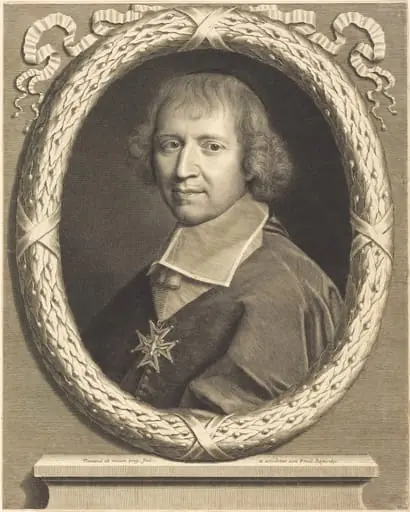
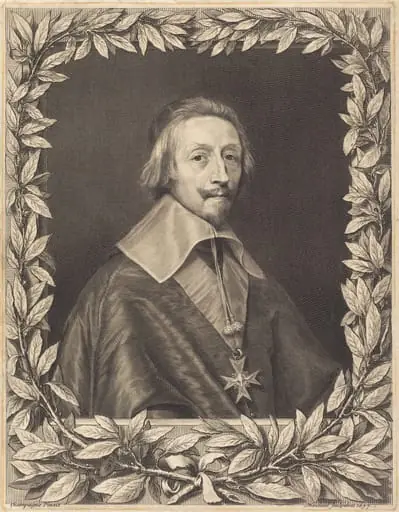
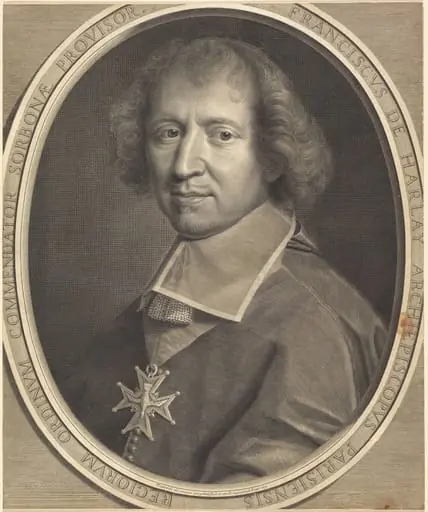
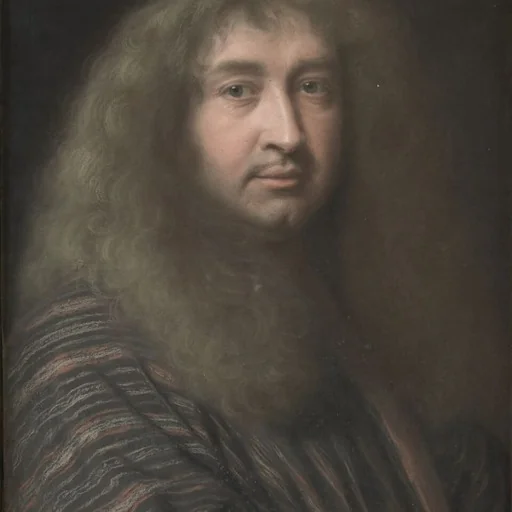
Hardouin de Perefixe is an ink print by the Baroque artist Robert Nanteuil. It dates from 1663 and is held in the collection of the National Gallery of Art.
About this work
Overview
The image is rendered in fine, controlled lines that define form and texture without color, characteristic of portrait prints from the mid-seventeenth century.
This 1663 engraving by Robert Nanteuil depicts Hardouin de Perefixe, a French clergyman and historian. Executed in black ink on paper, the portrait reflects Nanteuil’s mastery of the engraving technique, which he employed extensively at the French royal court. The image is rendered in fine, controlled lines that define form and texture without color, characteristic of portrait prints from the mid-seventeenth century.
Subject & Meaning
Hardouin de Perefixe served as a bishop and royal confessor to Louis XIV, making him a figure of both ecclesiastical and political influence. The portrait emphasizes his status through formal attire: a high collar and a star-shaped insignia, likely denoting a chivalric order. His expression is composed, conveying dignity and intellectual authority, aligning with the expectations of clerical portraiture in the era.
Technique & Style
Nanteuil used fine, parallel lines and cross-hatching to model the face and fabric, creating subtle gradations of light and shadow. The curls of the hair and the texture of the collar are rendered with precision, while the background features a dark oval field with faint swirling patterns and tiny dots, suggesting celestial or symbolic depth. The technique prioritizes clarity and restraint, typical of French academic portraiture.
History & Provenance
Created in 1663, the engraving was likely commissioned to circulate among court circles and ecclesiastical institutions. As a leading portrait engraver of his time, Nanteuil’s works were widely reproduced and collected. This print survives in several institutional collections, including the Bibliothèque nationale de France, indicating its early recognition and enduring archival value.
Context
In mid-seventeenth-century France, engraved portraits served as tools of prestige and communication among elites. With the rise of absolutism under Louis XIV, visual representation became a means of asserting authority. Nanteuil’s portraits, including this one, contributed to a standardized visual language for high-ranking figures, blending realism with symbolic formality.
Legacy
Nanteuil’s engravings set a benchmark for portraiture in France, influencing generations of printmakers. His ability to capture likeness and social presence through line alone established a model for later artists. This portrait of Perefixe remains a reference for understanding how clerical authority was visually constructed during the early reign of Louis XIV.
Artist & collection
Artist
Robert Nanteuil (French pronunciation: ; 1623 – 9 December 1678) was a French portrait artist: engraver, draughtsman and pastellist to the court of Louis XIV.