Artwork
Francois de Harlay
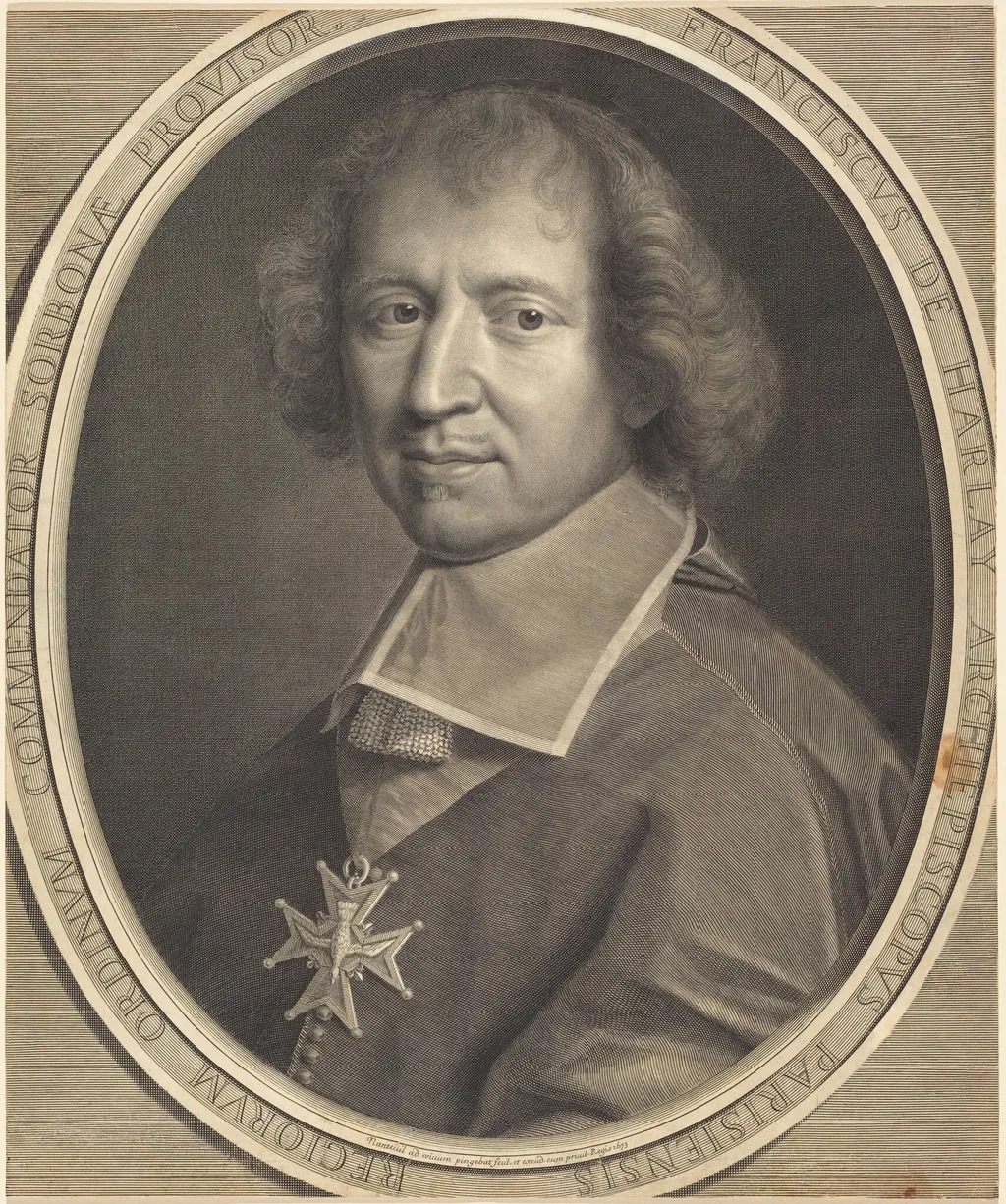
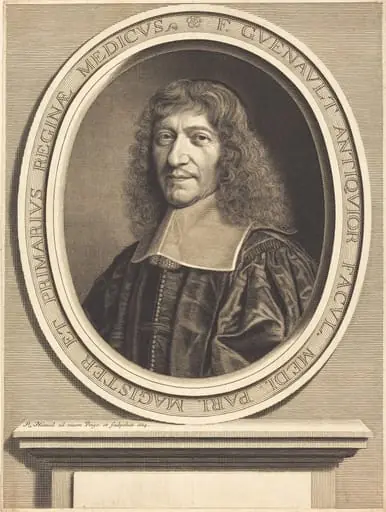
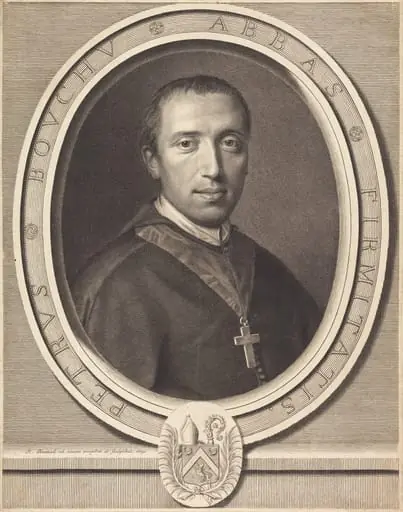
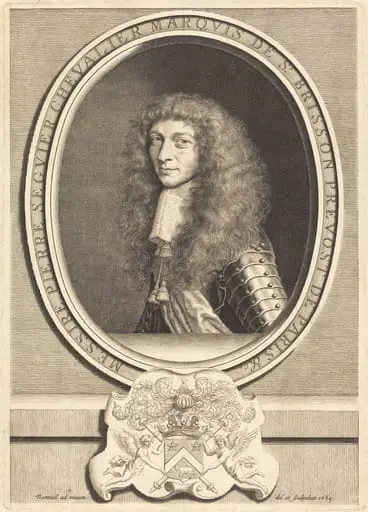
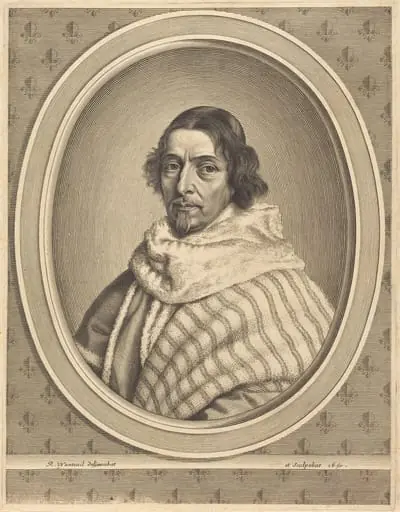
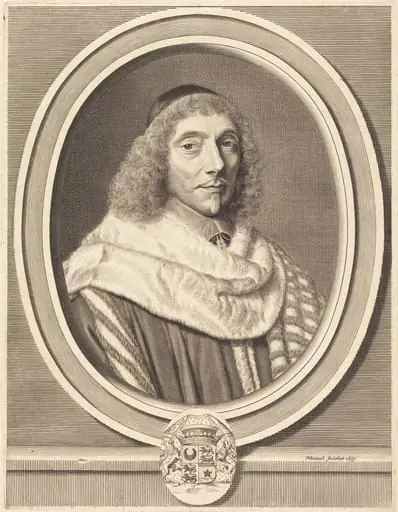
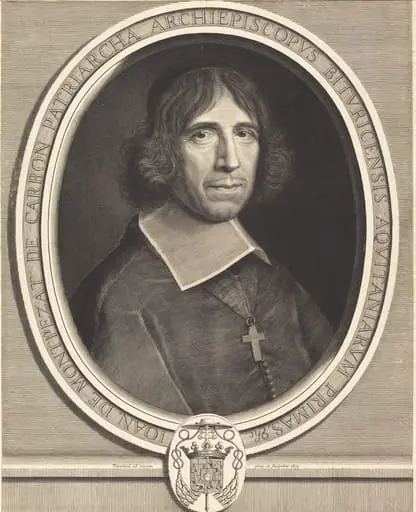
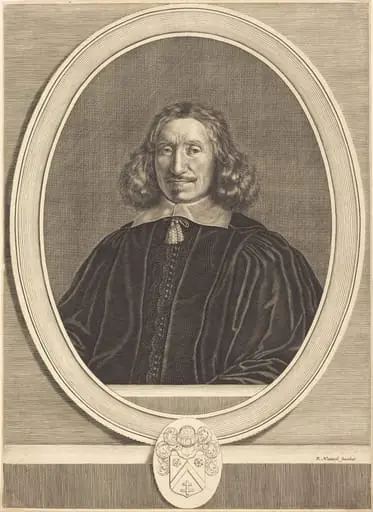
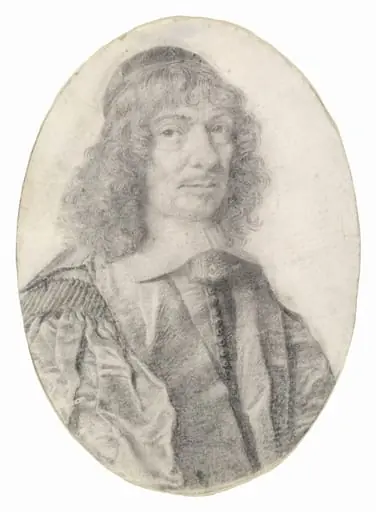
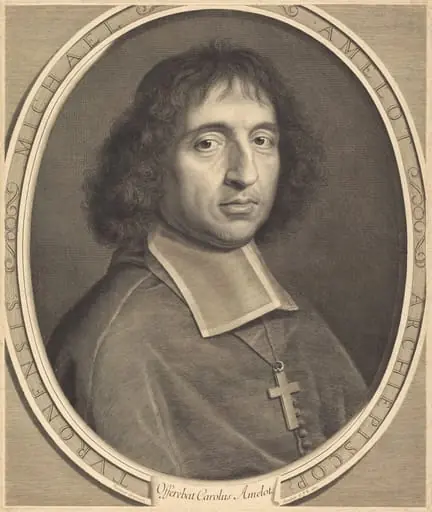
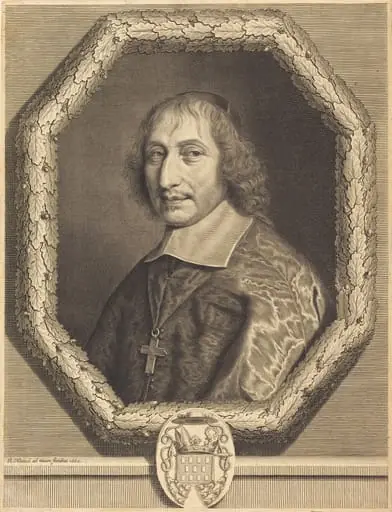
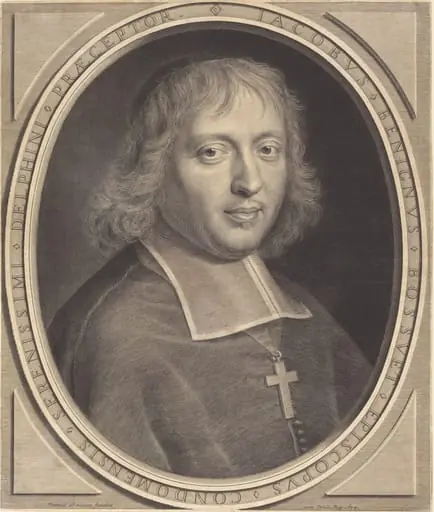
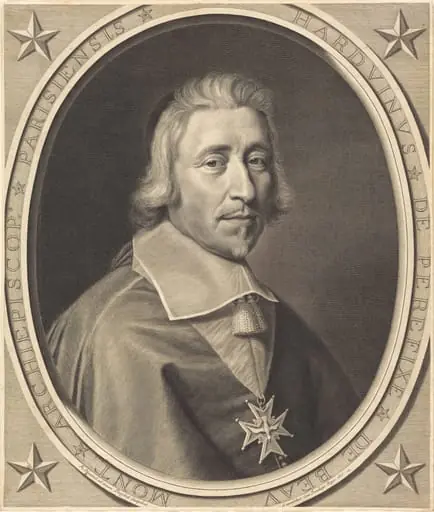
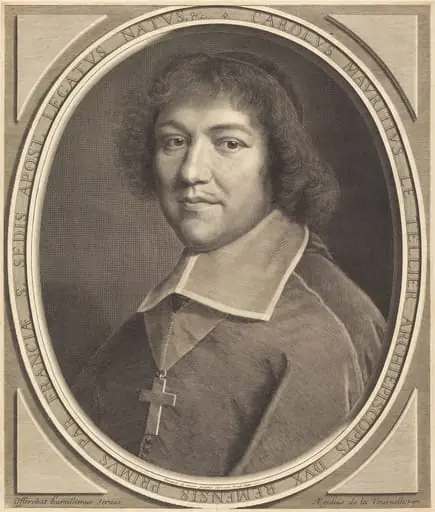
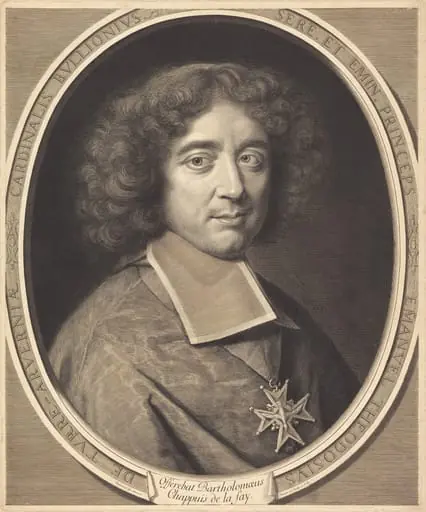
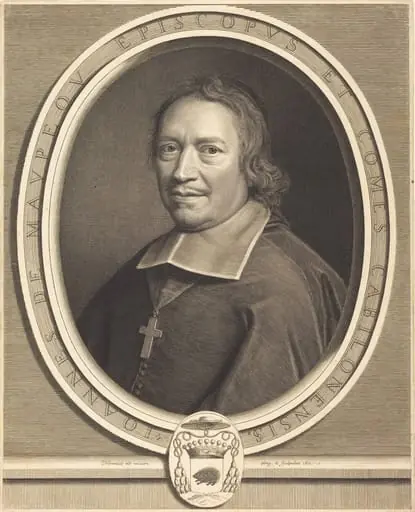
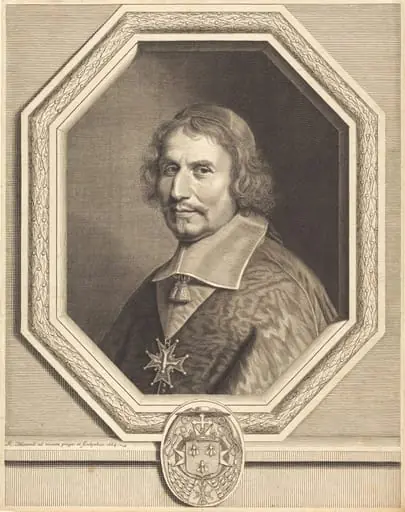
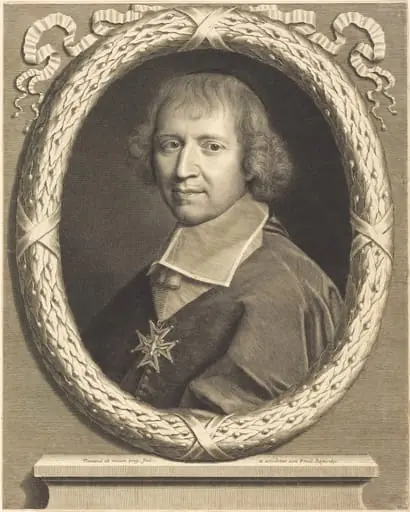
Francois de Harlay is an ink print by the Baroque artist Robert Nanteuil. It dates from 1673 and is held in the collection of the National Gallery of Art.
About this work
Overview
Francois de Harlay is a portrait engraving created by Robert Nanteuil in 1673, during the French Baroque period. The work depicts its subject in a formal, black-and-white portrait.
Subject & Meaning
The engraving portrays Francois de Harlay, identified by a star-shaped pin on his chest, suggesting a mark of distinction or honor. His serious expression and lace collar convey a sense of dignity and formal status.
Technique & Style
Nanteuil employed detailed linework and cross-hatching, characterized by tiny parallel lines, to achieve a three-dimensional effect, particularly in the subject's face, showcasing his refined Baroque engraving technique.
History & Provenance
Created in 1673 for the court of Louis XIV, the engraving is a product of Nanteuil's work as a court artist, utilizing his skills as an engraver, draughtsman, and pastellist.
Context
As a French Baroque piece, Francois de Harlay reflects the period's emphasis on detailed, realistic portraiture, common among royal court artists of the time.
Legacy
While specific legacy details of this piece are not provided, Nanteuil's overall body of work, including this engraving, contributes to the broader appreciation of French Baroque portraiture and engraving techniques.
Artist & collection
Artist
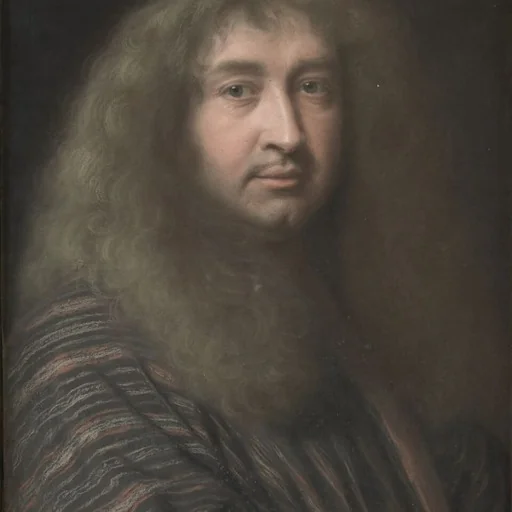
Robert Nanteuil (French pronunciation: ; 1623 – 9 December 1678) was a French portrait artist: engraver, draughtsman and pastellist to the court of Louis XIV.