Artwork
Louis-Phelypeaux de La Vrilliere
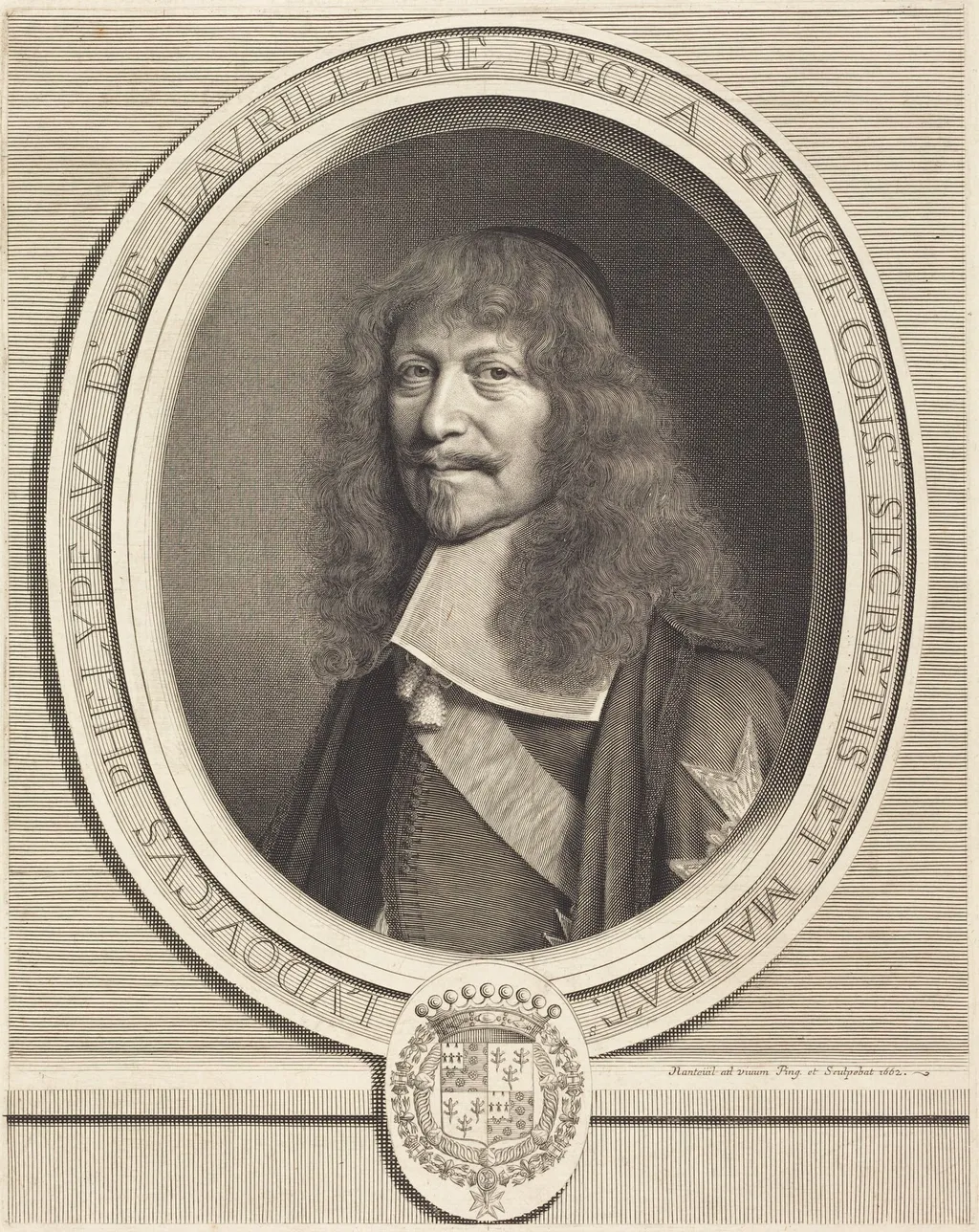
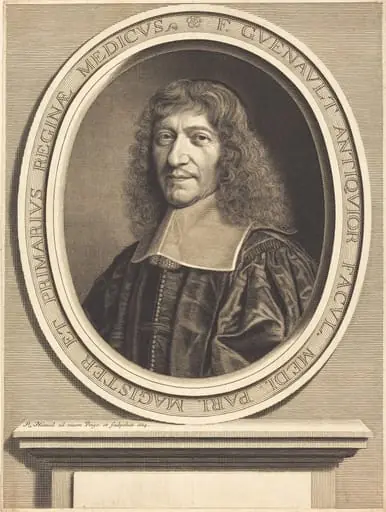
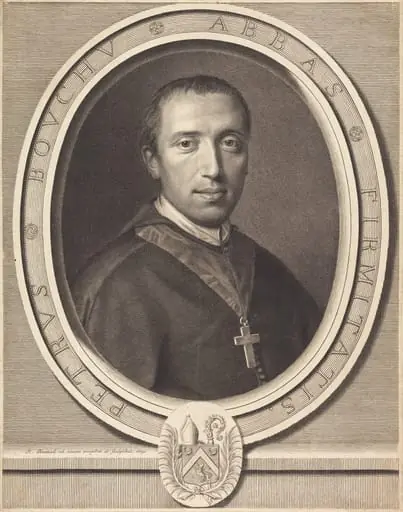
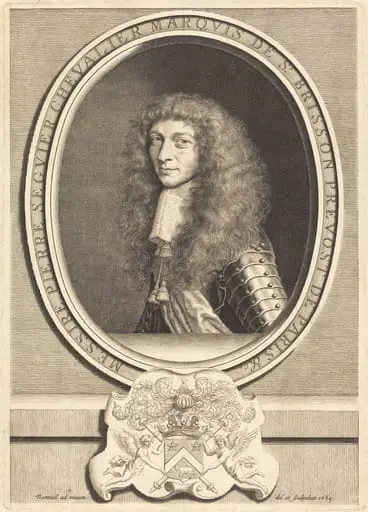
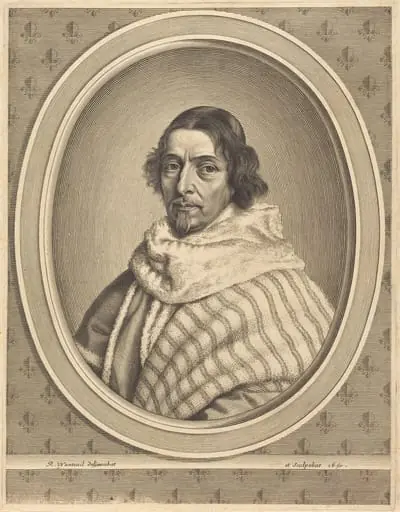
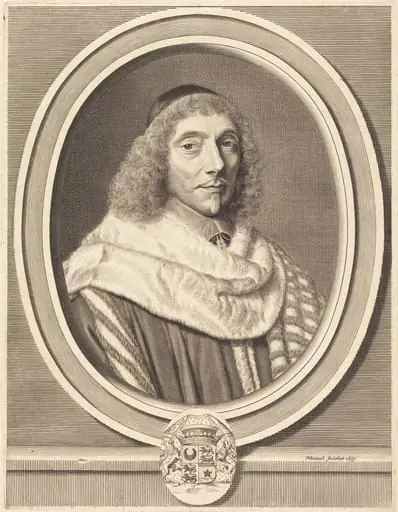
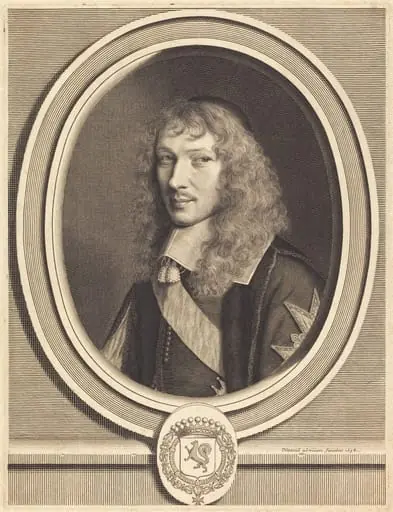
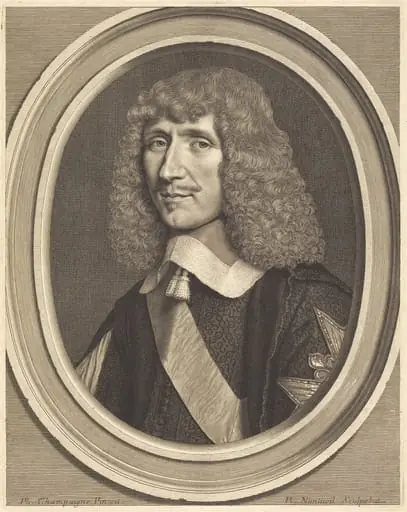
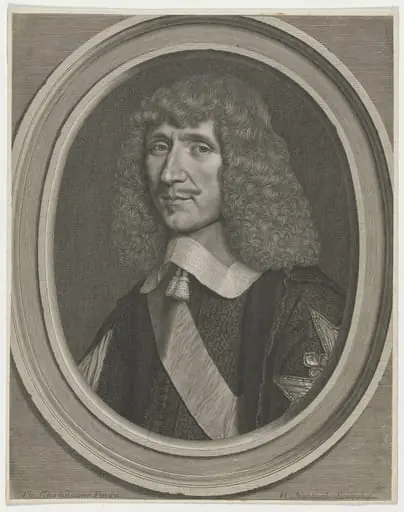
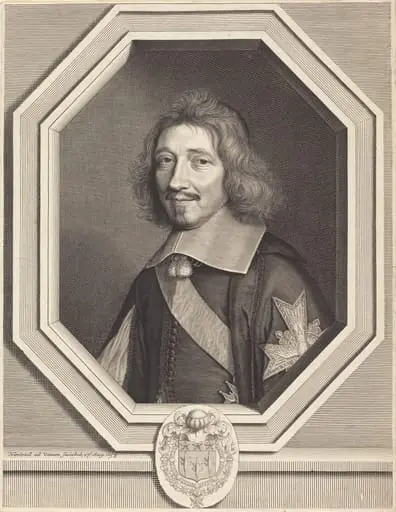
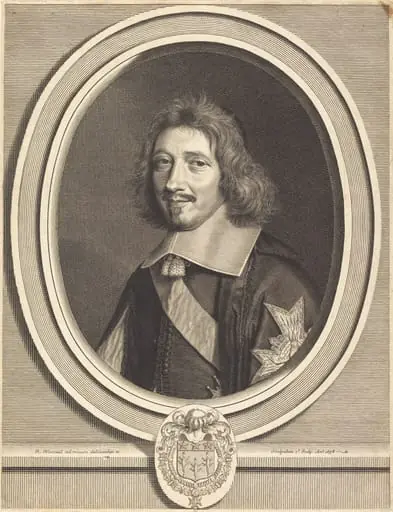
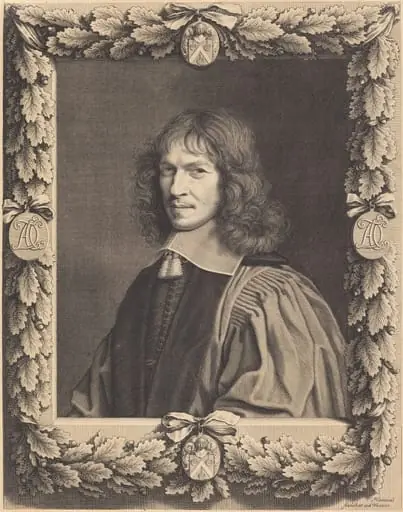
Louis-Phelypeaux de La Vrilliere is an ink print by the Baroque artist Robert Nanteuil. It dates from 1662 and is held in the collection of the National Gallery of Art.
About this work
Overview
The image was produced through intaglio printing, with fine lines incised into a metal plate to capture subtle facial details and textures.
This 1662 engraving by Robert Nanteuil portrays Louis-Phelypeaux de La Vrillière, a senior minister in the court of Louis XIV. Created during Nanteuil’s official role as royal portrait engraver, the work exemplifies the precision and restraint characteristic of French court portraiture in the mid-seventeenth century. The image was produced through intaglio printing, with fine lines incised into a metal plate to capture subtle facial details and textures.
Subject & Meaning
Louis-Phelypeaux de La Vrillière held key administrative roles under Louis XIV, including overseeing royal finances and household affairs. The portrait emphasizes his authority through a composed, solemn expression and formal attire. The inclusion of a family coat of arms beneath the oval frame signals his noble lineage and institutional standing, reinforcing his position within the rigid hierarchy of the French monarchy.
Technique & Style
Nanteuil employed fine-line engraving to render the texture of lace, hair, and fabric with remarkable clarity. The face is modeled with delicate hatching to suggest volume and age, while the background’s geometric border frames the subject without distraction. The monochrome palette enhances the portrait’s dignity, focusing attention on the sitter’s features and the craftsmanship of the print itself.
History & Provenance
The engraving was made during Nanteuil’s peak years as court artist, when his portraits were widely distributed among elite circles. It likely served as a diplomatic gift or official record of state officials. The work remained within French collections, reflecting its status as a document of administrative power rather than mere artistic expression.
Context
In the 1660s, Louis XIV centralized power by cultivating a visual culture that celebrated loyalty and order. Portraits like this one were tools of state representation, disseminating the image of competent, dignified officials. Nanteuil’s engravings helped standardize the visual language of authority, aligning individual likenesses with the broader ideology of absolutist rule.
Legacy
Nanteuil’s engravings set a benchmark for French portraiture, influencing generations of printmakers. This work endures as a precise record of a key minister’s appearance and status, offering insight into how power was visually constructed in early modern France. Its technical rigor and restrained elegance remain representative of the era’s ideals in graphic art.
Artist & collection
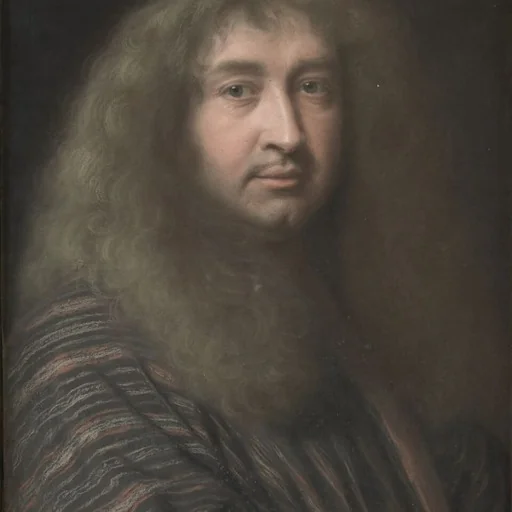
Artist
Robert Nanteuil (French pronunciation: ; 1623 – 9 December 1678) was a French portrait artist: engraver, draughtsman and pastellist to the court of Louis XIV.