Artwork
Gilbert de Choiseul du Plessis Praslin
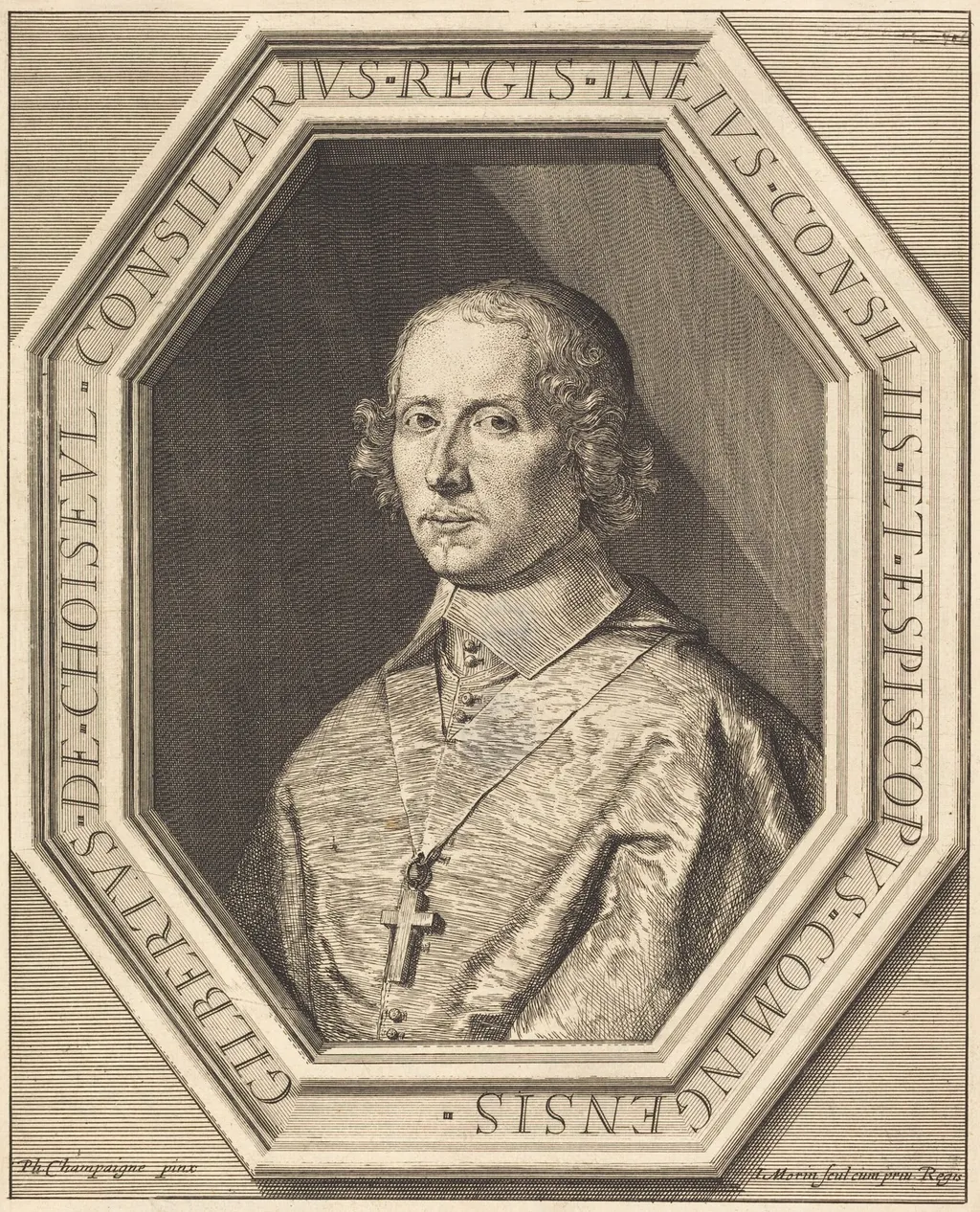
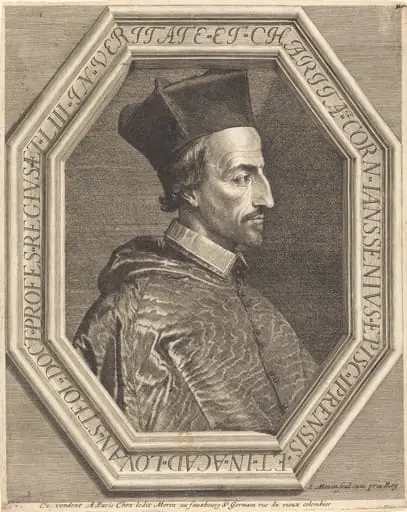
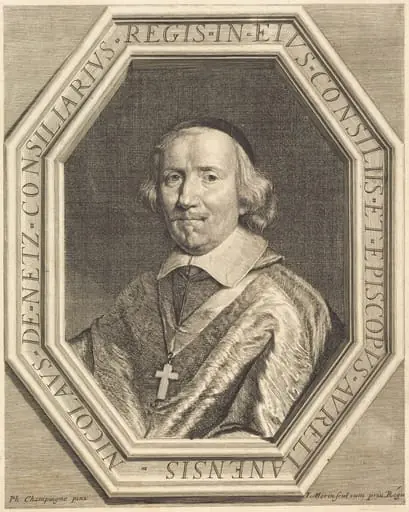
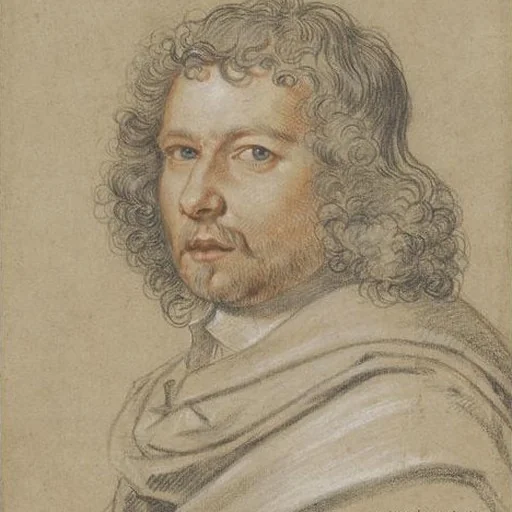
Gilbert de Choiseul du Plessis Praslin is an ink print by the Baroque artist Jean Morin. It dates from 1625 and is held in the collection of the National Gallery of Art.
About this work
Overview
The work exemplifies his approach to capturing likeness and texture through layered mark-making, a practice that influenced later generations of engravers.
Jean Morin created this portrait of Gilbert de Choiseul du Plessis Praslin in 1625 using a combination of etching, engraving, and stippling on laid paper. As a French printmaker and publisher active in the early 1600s, Morin was known for refining reproductive techniques that blended multiple printmaking methods on a single plate. The work exemplifies his approach to capturing likeness and texture through layered mark-making, a practice that influenced later generations of engravers.
Subject & Meaning
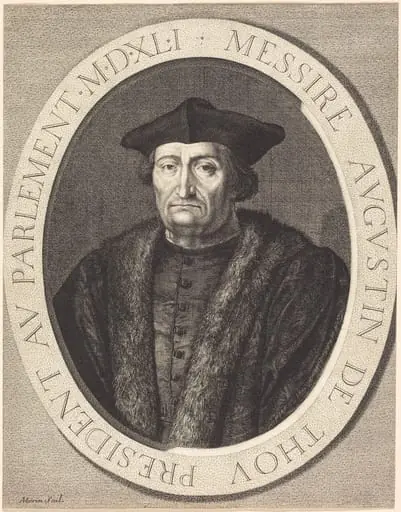
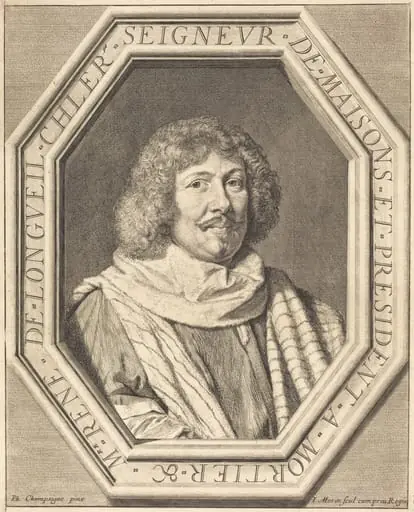
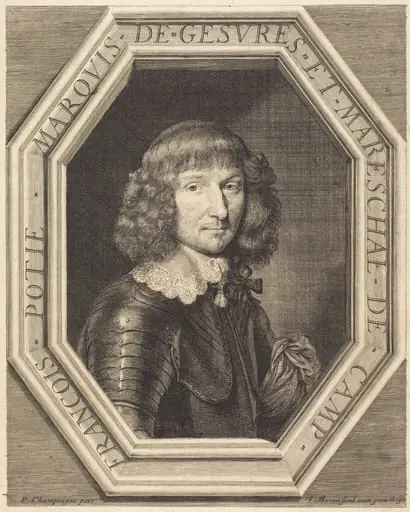
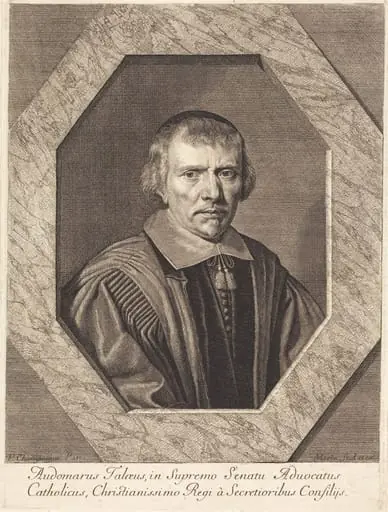
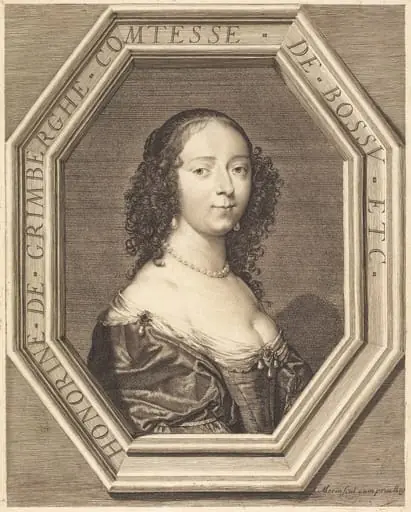
The portrait depicts Gilbert de Choiseul du Plessis Praslin, a French nobleman of the early 17th century, rendered with solemn expression and formal attire. His high collar, chain-worn cross, and curled hair reflect the sartorial norms of the French aristocracy during the Baroque era. The octagonal border, inscribed with text, likely identifies him and possibly his titles or lineage, reinforcing the portrait’s function as a record of status and identity rather than mere likeness.
Technique & Style
Morin employed etching for broad tonal areas, engraving for precise lines, and stippling to model subtle gradations of light and shadow. This hybrid method allowed him to achieve both detail and depth on a single plate, a hallmark of his reproductive prints. The use of laid paper, with its visible chain lines, was standard for fine prints of the period, enhancing the tactile quality of the image while supporting the fine lines of the incised work.
History & Provenance
Created in 1625, the print was likely produced for distribution among noble circles or as part of a collection of portraits of French elites. Morin, who operated as both artist and publisher, often circulated such works to establish reputations and document prominent figures. While the print’s early ownership is undocumented, its survival in institutional collections suggests it was valued for its technical precision and historical record.
Context
In early 17th-century France, portraiture in print served as a means of disseminating the likenesses of the nobility beyond the reach of painted commissions. Morin’s work emerged during a period when printmaking was becoming a respected medium for both artistic expression and social documentation. His integration of multiple techniques reflected broader trends toward technical sophistication in reproductive imagery across Europe.
Legacy
Morin’s synthesis of etching, engraving, and stippling helped standardize methods used in later reproductive printmaking. Though not widely known today, his technical innovations influenced the development of portrait prints in France and beyond. This work remains a representative example of how printmakers translated the authority of painted portraiture into accessible, durable forms for wider circulation.
Artist & collection
Artist
Jean Morin (c.1595 or 1605 – 1650) was a French baroque painter, printmaker, painter, etcher, engraver and publisher.