Artwork
Dominique de Ligny
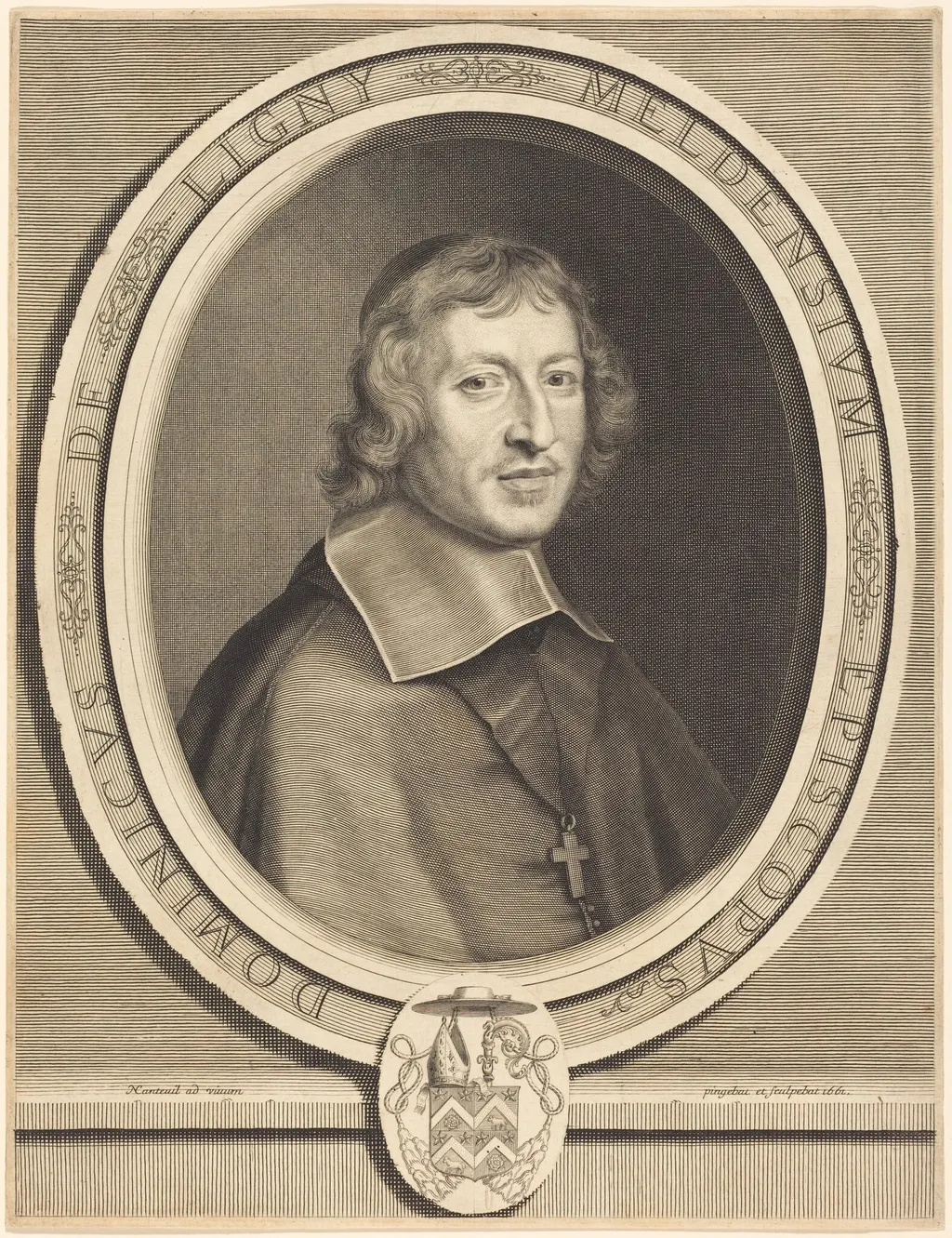
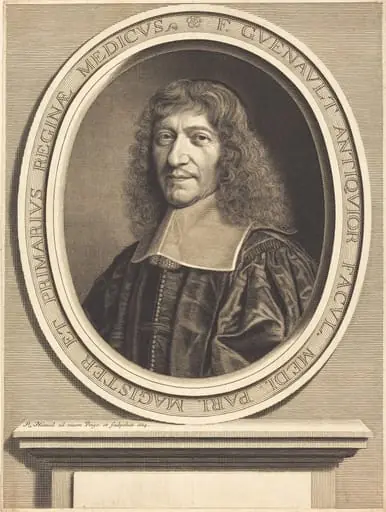
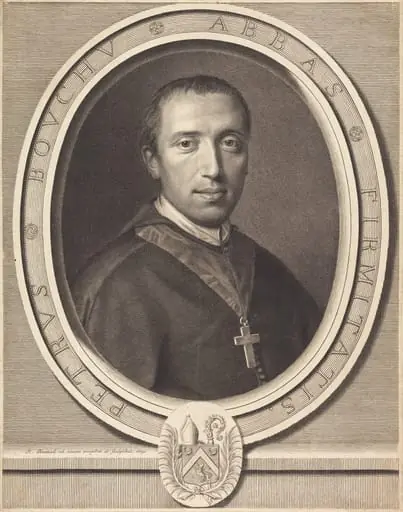
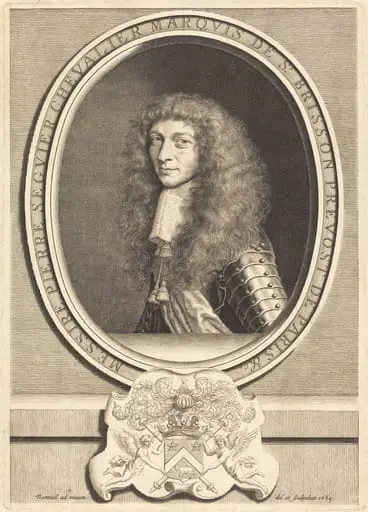
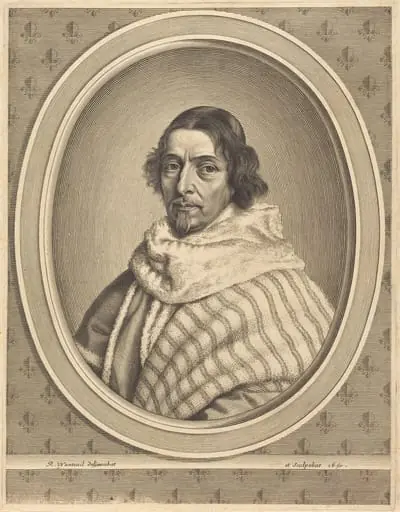
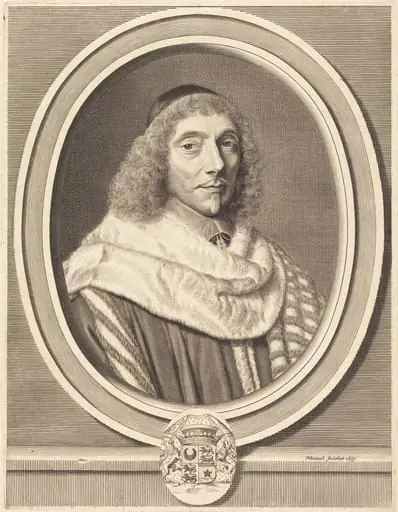
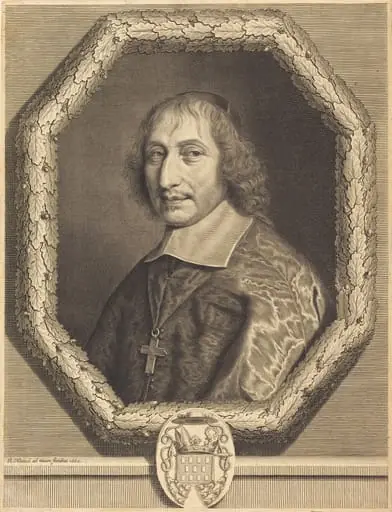
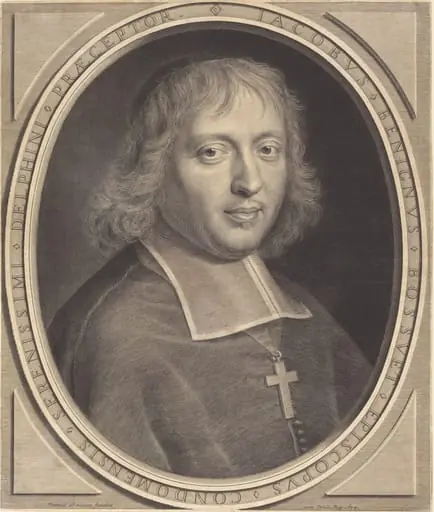
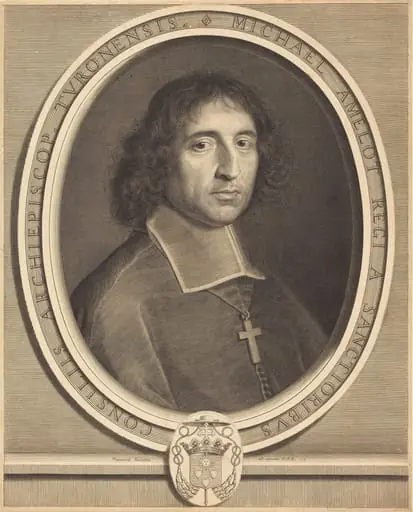
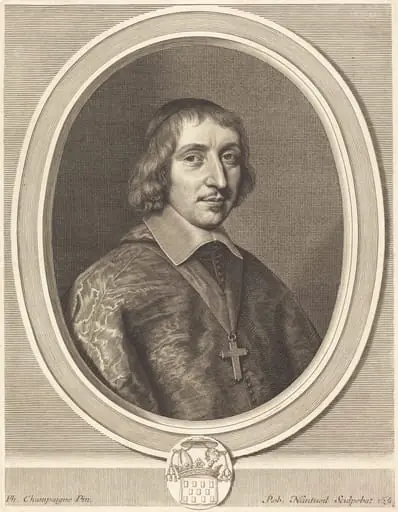
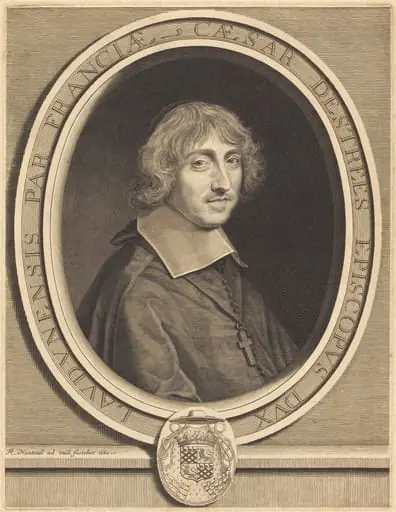
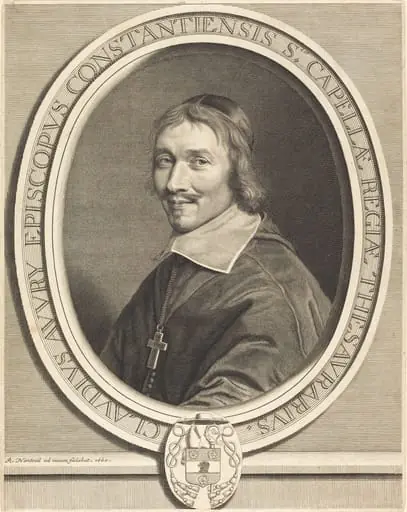
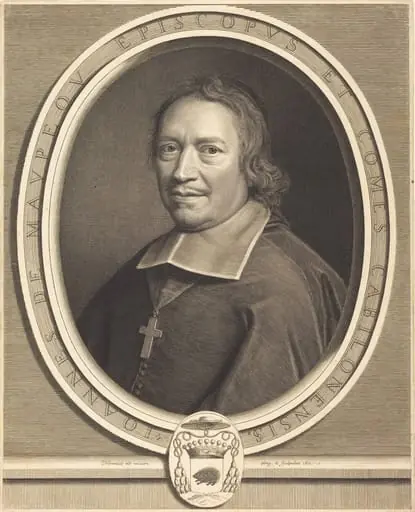
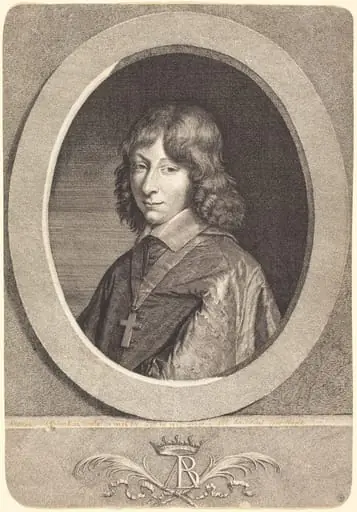
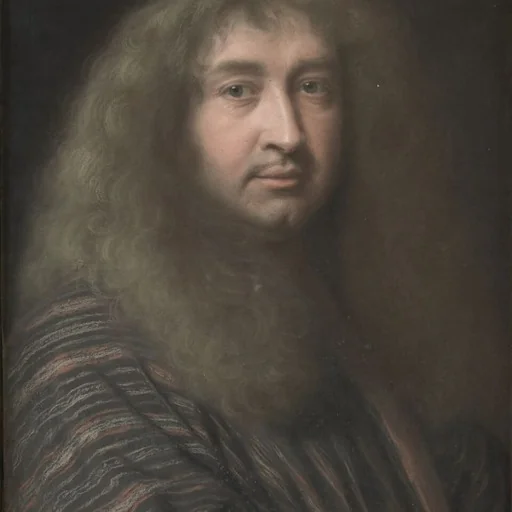
Dominique de Ligny is an ink print by the Baroque artist Robert Nanteuil. It dates from 1661 and is held in the collection of the National Gallery of Art.
About this work
Overview
The image is rendered with fine, deliberate lines and a restrained tonal range, emphasizing clarity and dignified presence over theatricality.
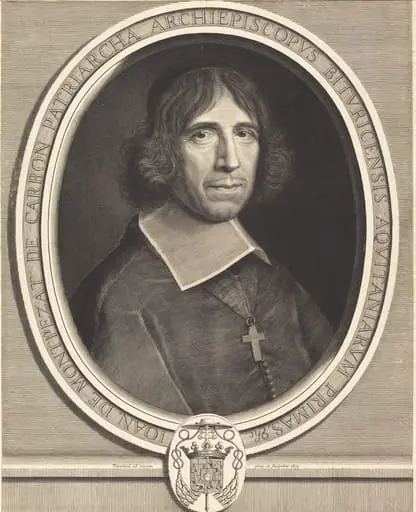
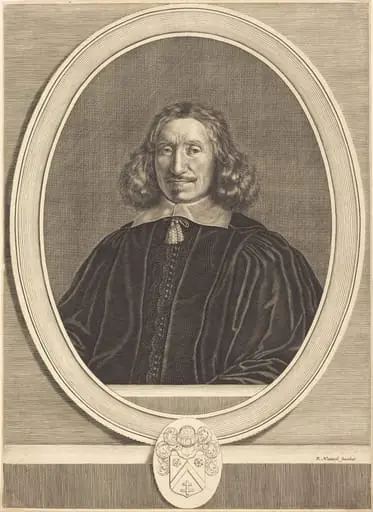
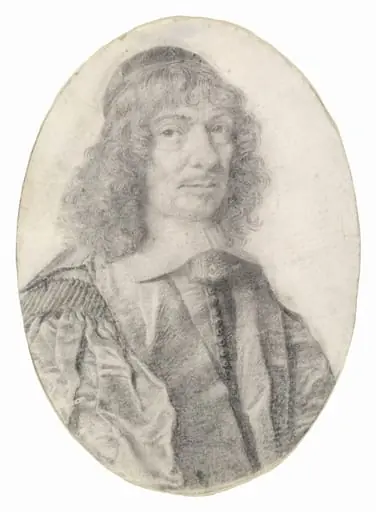
Robert Nanteuil’s 1661 engraving depicts Dominique de Ligny, a French court figure, in a tightly composed oval format. Created during Nanteuil’s official role as portraitist to Louis XIV, the work reflects his mastery of the engraving medium. The image is rendered with fine, deliberate lines and a restrained tonal range, emphasizing clarity and dignified presence over theatricality. It stands as a representative example of French academic portraiture in the mid-seventeenth century.
Subject & Meaning
Dominique de Ligny is portrayed as a man of ecclesiastical or noble standing, indicated by his dark robe, high collar, and the small cross suspended at his chest. His expression is calm and introspective, avoiding overt emotion. The absence of symbolic props or elaborate settings directs focus to his individuality and social position. The portrait functions as a record of personal identity within the structured hierarchy of the French court, where visual restraint conveyed authority.
Technique & Style
Nanteuil used fine, controlled burin lines to model form and texture, achieving subtle gradations of light and shadow without wash or tone. The hair, fabric, and skin are rendered with meticulous attention to detail, yet the overall composition remains balanced and uncluttered. The dark background isolates the figure, enhancing the three-dimensionality of his face and shoulders. This approach aligns with the French classical ideal of precision and sobriety in portraiture.
History & Provenance
The engraving was made during Nanteuil’s service to the French royal court, where he became the preeminent portrait engraver of his generation. It was likely produced for private circulation among courtiers or as part of a series documenting prominent figures. The work survives in multiple impressions held in major print collections, attesting to its circulation and enduring technical reputation in early modern France.
Context
In mid-seventeenth-century France, engraved portraits served as tools of social documentation and political representation. Nanteuil’s style emerged in contrast to the more flamboyant Baroque tendencies elsewhere in Europe, favoring clarity and psychological nuance. His work reflected the court’s preference for order and decorum, aligning with broader cultural shifts toward rationalism and institutional formality under Louis XIV’s reign.
Legacy
Nanteuil’s engravings set a standard for French portrait printmaking that influenced generations of artists. His ability to capture likeness with minimal yet precise lines became a model for academic training. Though later styles favored broader brushwork or photographic realism, his prints remained valued for their technical discipline and quiet psychological depth, securing his place in the history of European printmaking.
Artist & collection
Artist
Robert Nanteuil (French pronunciation: ; 1623 – 9 December 1678) was a French portrait artist: engraver, draughtsman and pastellist to the court of Louis XIV.